
I’ve spent years in the essential oils industry, and one question keeps coming up. Clients always ask me about eucalyptus oil sources and quality differences between regions.
China dominates global eucalyptus oil production with approximately 75% market share, valued at USD 139.3 million in 2022. Australia, South Africa, Brazil, and India are also significant producers, with the US growing eucalyptus primarily for ornamental purposes rather than commercial oil extraction.
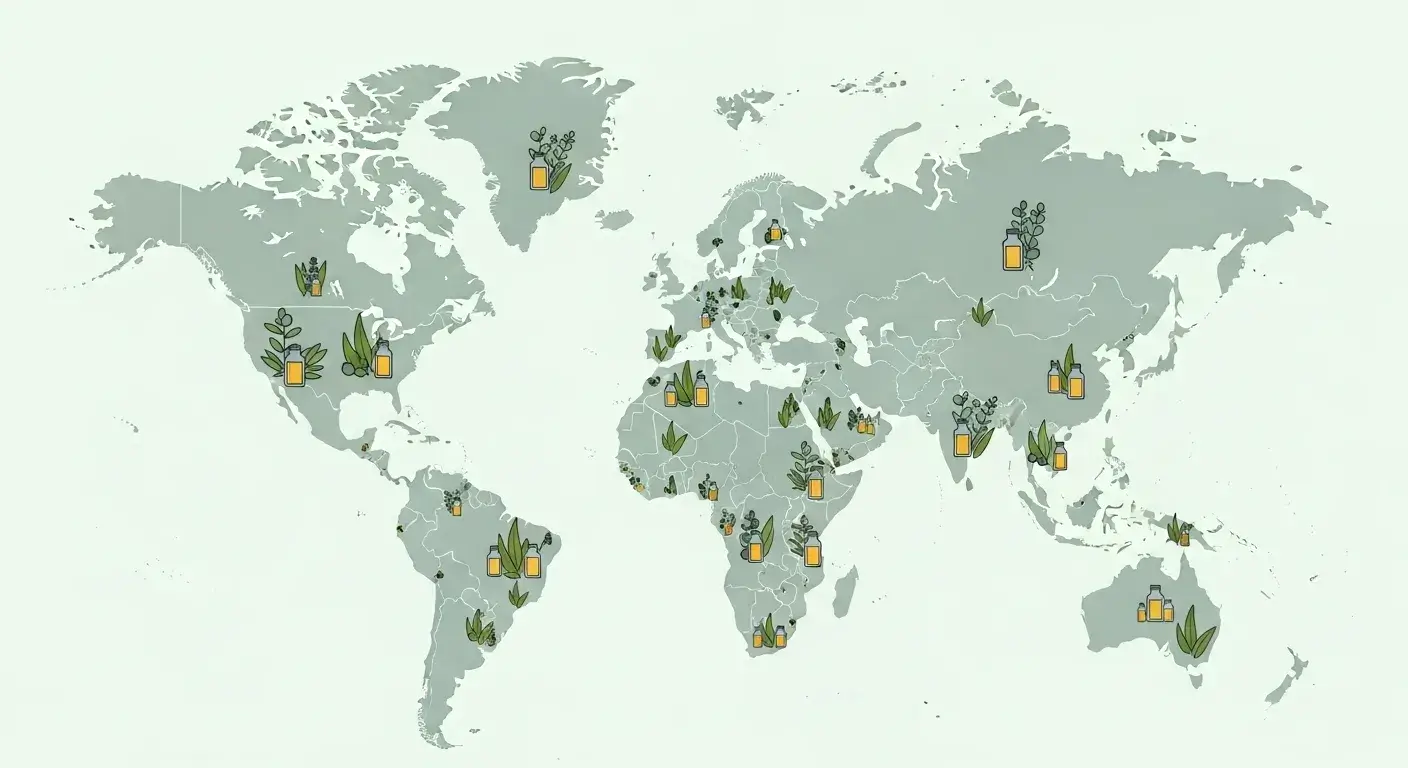
The eucalyptus oil market is more complex than most people realize. Production locations directly impact oil quality, pricing, and availability. Understanding these regional differences helps buyers make informed sourcing decisions for their businesses.
Which Country Has the Most Eucalyptus Trees and Oil Production?
The numbers might surprise you. Many people assume Australia leads because eucalyptus is native there. The reality is quite different in commercial terms.
Australia has the most eucalyptus species with approximately 700 varieties, but China leads in cultivation area and oil production, contributing around 75% of global output through extensive plantation systems in southern provinces.
Understanding Global Production Distribution
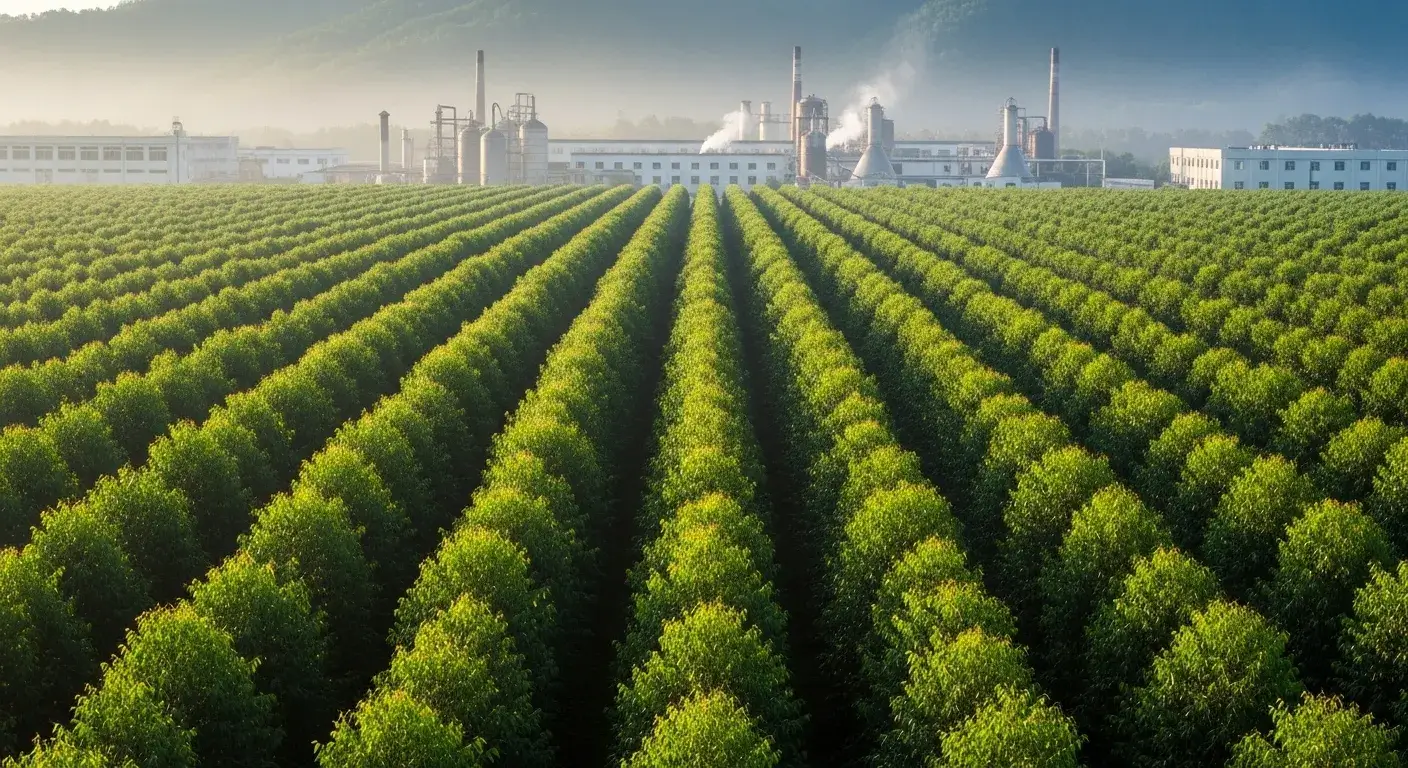
I work directly with suppliers across multiple continents. The production landscape has shifted dramatically over the past decades. China established massive eucalyptus plantations in Yunnan, Guangxi, and Guangdong provinces starting in the 1890s. These plantations now cover approximately 4.5 million hectares.
Australia still produces premium high-cineole eucalyptus oils1 from species like E. polybractea and E. kochii. These oils contain 80-95% cineole content. However, Australian production costs are significantly higher than Chinese operations. This price difference affects global market dynamics.
| Country | Production Share | Key Species | Main Characteristics |
|---|---|---|---|
| China | ~75% | E. globulus, Camphor laurel | High volume, lower cost |
| Australia | ~15% | E. polybractea, E. kochii | Premium quality, high cineole |
| South Africa | ~5% | E. globulus | Consistent quality |
| Brazil | ~3% | Various species | Efficient plantations |
| India | ~2% | Multiple varieties | Growing market |
The quality differences between regions are substantial. Chinese production often includes camphor laurel fractions2, which technically differs from pure eucalyptus oil. This affects both pricing and applications for end users.
Does Eucalyptus Actually Grow in the United States?
This question comes up frequently in my conversations with North American clients. The answer involves both cultivation success and commercial limitations.
Eucalyptus grows successfully in the United States, primarily in California’s coastal regions where Mediterranean climate conditions support approximately 250 species. However, US cultivation focuses on ornamental and historical purposes rather than commercial oil production.
California’s Eucalyptus Story
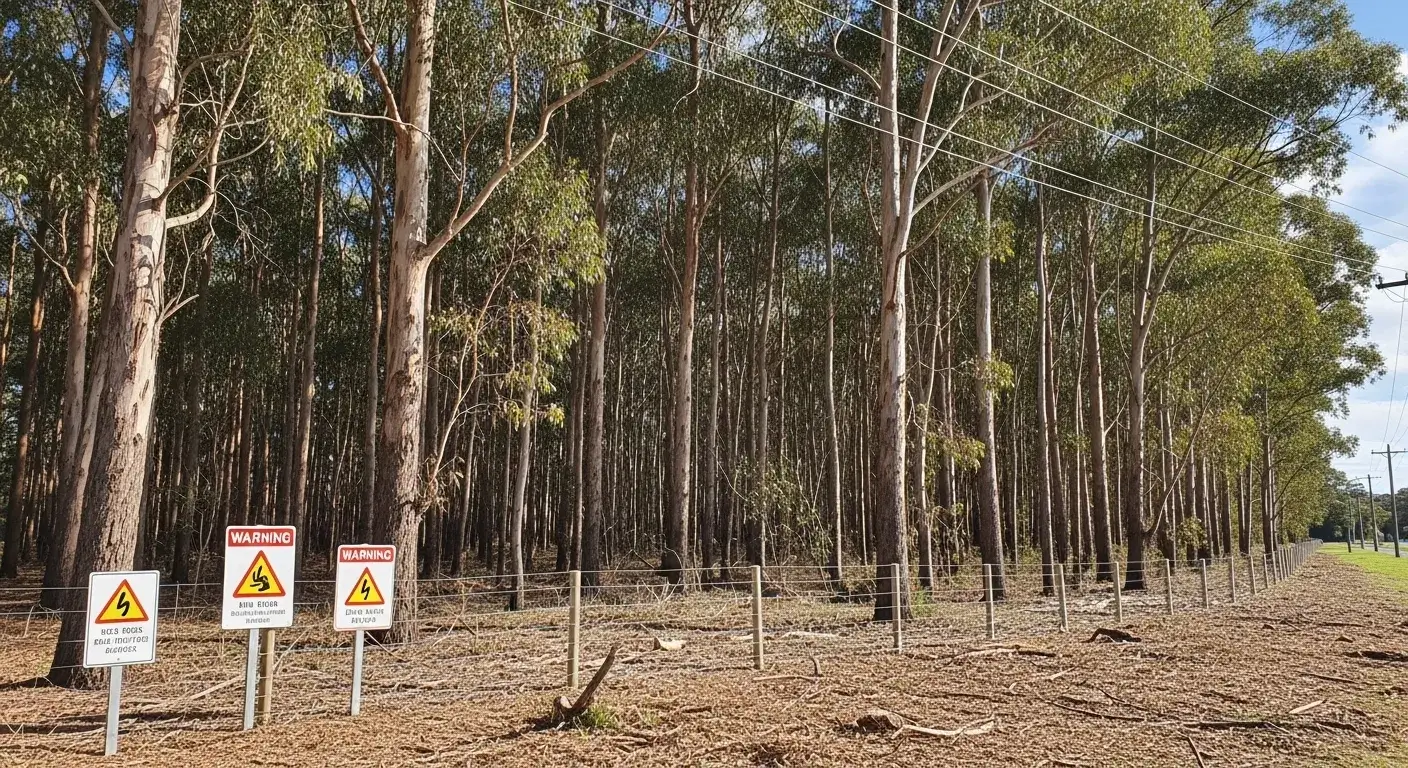
I’ve visited eucalyptus groves throughout California during my sourcing trips. The trees thrive in coastal fog belt areas like San Francisco Bay, San Diego, and Santa Barbara. Blue gum eucalyptus (E. globulus) grows 4-6 feet annually with minimal water requirements.
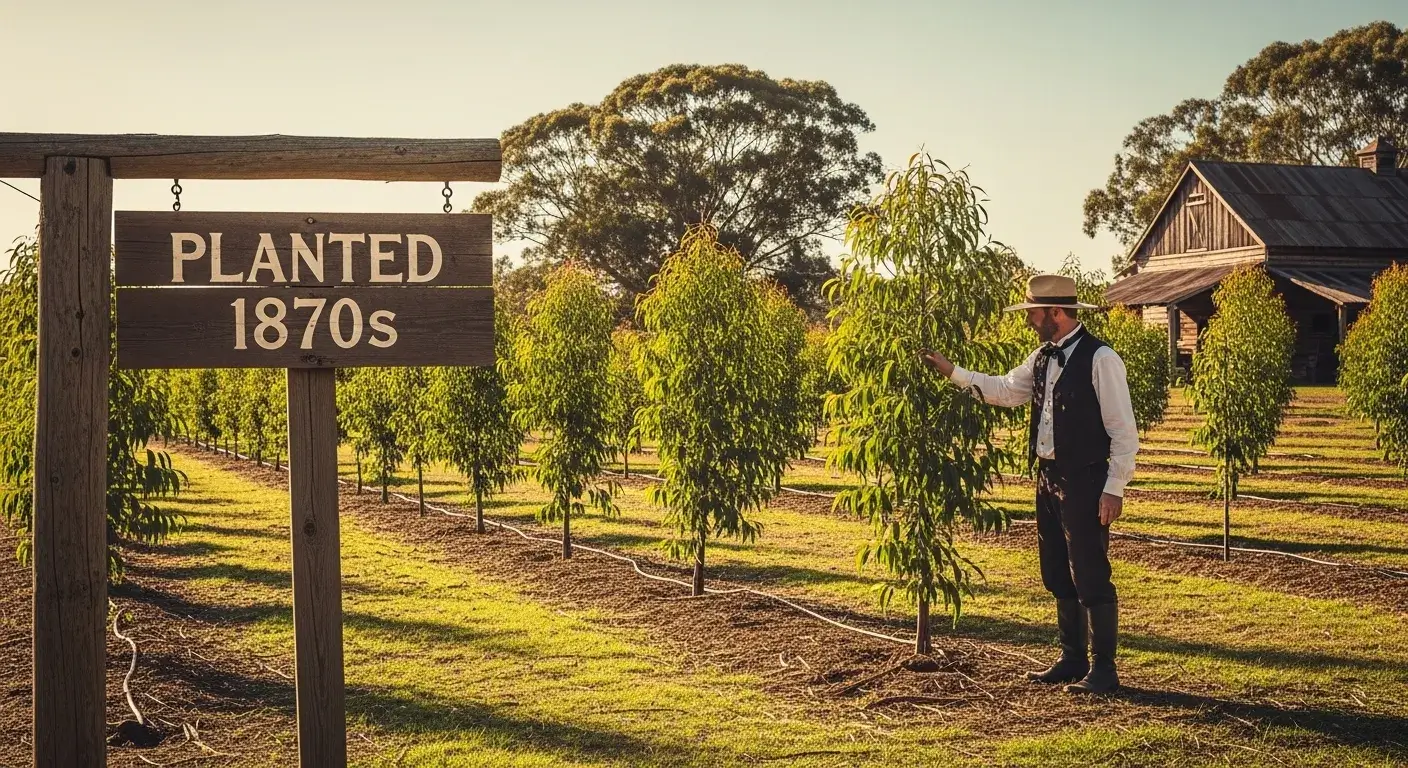
The history fascinates me. Eucalyptus seeds arrived in California around 1853 during the Gold Rush. Settlers needed timber for rapid construction and railroad development. Ellwood Cooper3, a Santa Barbara horticulturist, planted 400 acres in the 1870s, promoting eucalyptus for timber and desert reclamation.
Why US Oil Production Remains Limited
Commercial eucalyptus oil production never developed significantly in the US. Several factors explain this limitation:
- Labor costs: US labor costs exceed those in major producing countries
- Land use priorities: California’s valuable real estate serves higher-value crops
- Processing infrastructure: Limited distillation facilities compared to established markets
- Market size: Domestic demand doesn’t justify large-scale production investments
Most US eucalyptus serves ornamental purposes, windbreaks, or campus landscaping. Universities like UC Berkeley and UCSD maintain notable eucalyptus stands for research and aesthetic purposes.
Is Eucalyptus Native to China or Just Grown There?
This misconception appears regularly in market discussions. Understanding eucalyptus origins helps explain current production patterns and quality variations.
Eucalyptus is not native to China but originates from Australia, New Guinea, and parts of Indonesia. China began extensive eucalyptus cultivation in the 1890s and now operates some of the world’s largest eucalyptus plantations for both pulpwood and oil production.
China’s Eucalyptus Development Strategy
I’ve worked with Chinese suppliers for over a decade. Their approach to eucalyptus cultivation impresses me with its scale and efficiency. Chinese plantations focus on fast-growing species that adapt well to local climates and soil conditions.
The Chinese government promoted eucalyptus cultivation as part of reforestation initiatives. Southern provinces like Yunnan provide ideal growing conditions with warm temperatures and adequate rainfall. These regions now support both government-operated and private plantations.
Production Methods and Quality Considerations
Chinese eucalyptus oil production employs several methods:
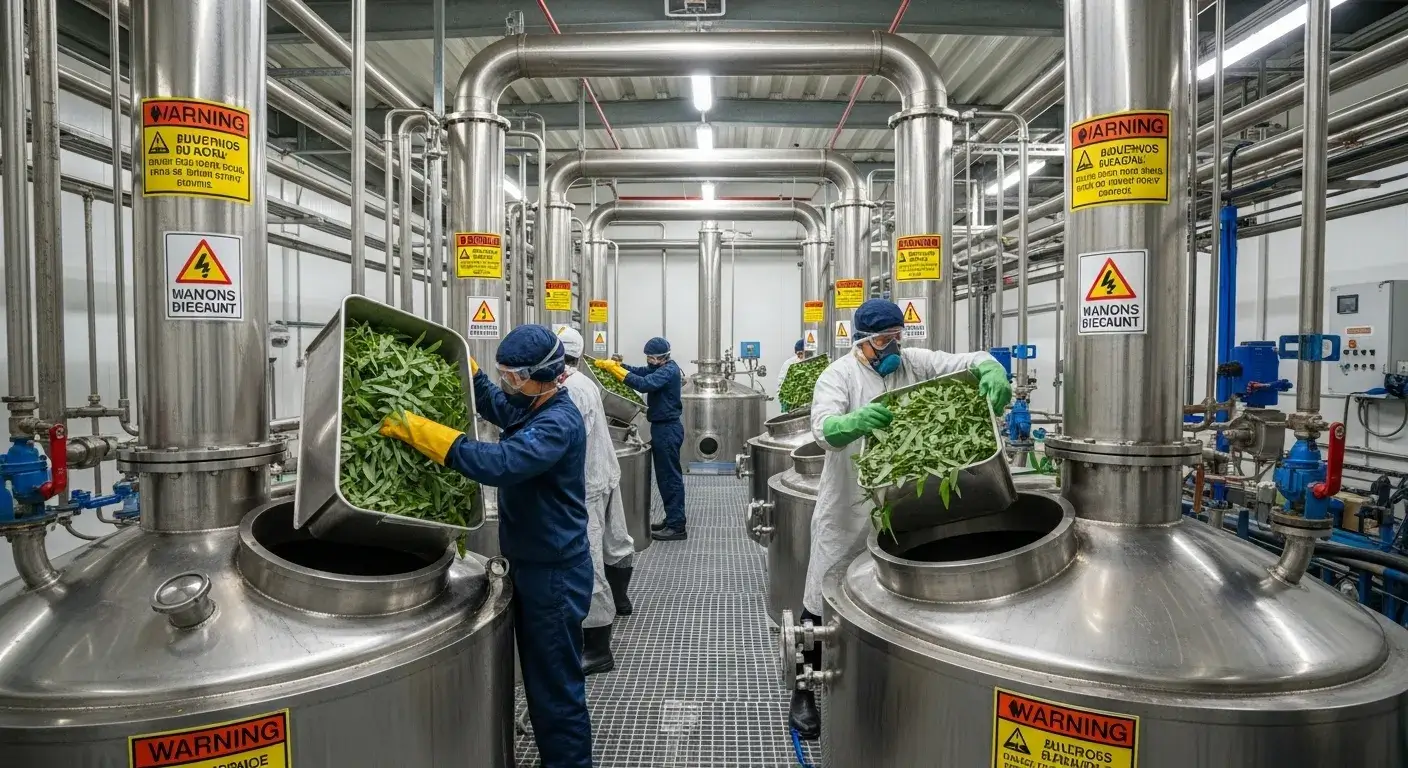
- Steam distillation4 from fresh eucalyptus leaves
- Camphor laurel fraction processing (technically different from pure eucalyptus)
- Hybrid extraction methods combining multiple plant sources
The camphor laurel component creates quality discussions in the industry. While chemically similar to eucalyptus oil, it produces different therapeutic profiles. Buyers need to specify pure eucalyptus oil requirements when sourcing from Chinese suppliers.
Quality control varies significantly between suppliers. Established manufacturers maintain GMP standards and provide comprehensive documentation. Smaller operations may lack consistent quality systems.
Why Does California Have So Much Eucalyptus Everywhere?
California’s eucalyptus abundance puzzles many visitors. The trees seem naturally integrated into the landscape, but their presence results from specific historical events and environmental factors.
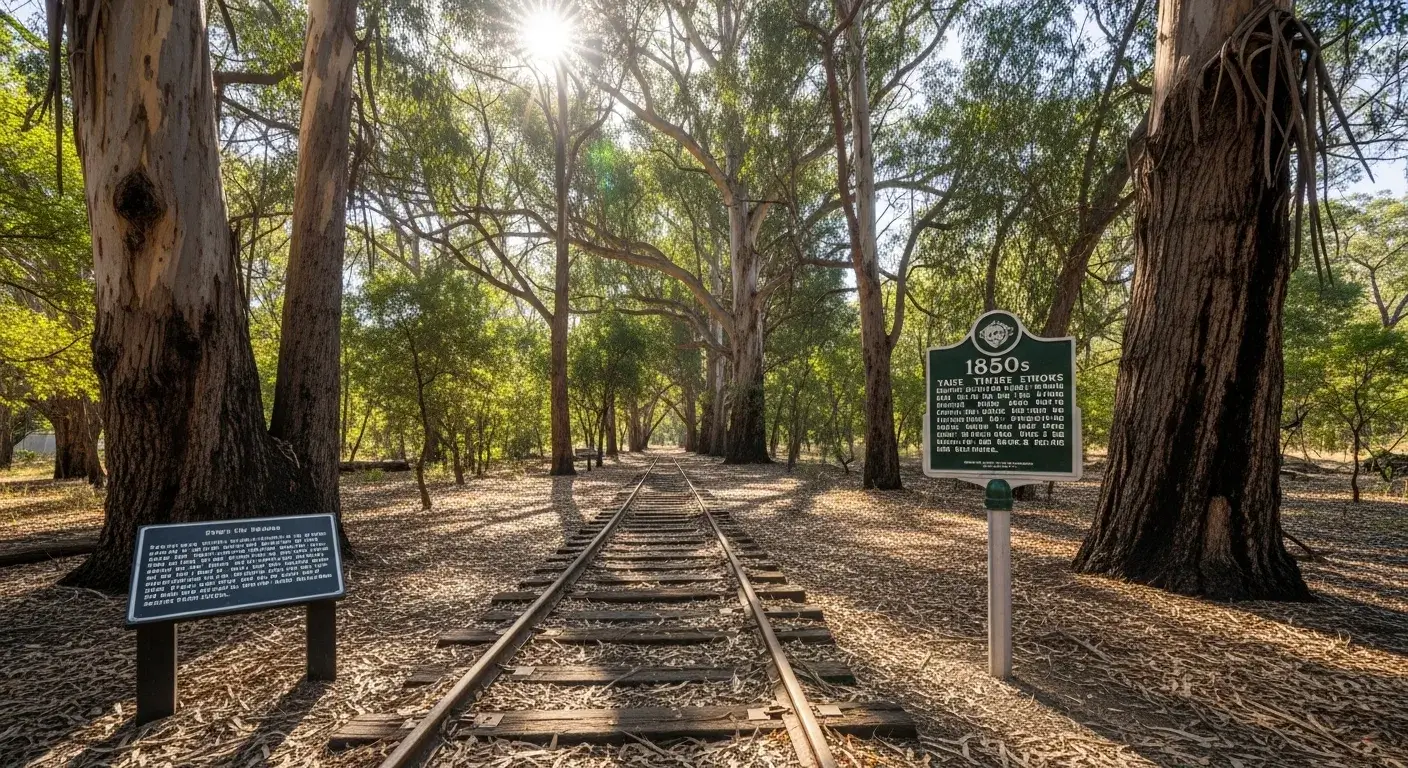
California’s extensive eucalyptus population stems from 1850s Gold Rush timber plantings, promoted by the Pacific Railroad and horticulturists like Ellwood Cooper. The coastal fog belt provides ideal growing conditions, enabling eucalyptus to naturalize across over 20,000 acres by 1909.
The Gold Rush Connection
I find the historical context fascinating. California’s population exploded during the Gold Rush, creating massive timber demand for construction, mining operations, and railroad development. Local forests couldn’t supply adequate materials fast enough.
Eucalyptus seemed like the perfect solution. The trees grew rapidly in California’s Mediterranean climate, reaching harvestable size within years rather than decades. Early promoters promised eucalyptus would solve timber shortages and create profitable plantation businesses.
The Pacific Railroad planted thousands of eucalyptus trees specifically for railroad tie production. Unfortunately, eucalyptus wood proved unsuitable for this purpose due to splitting and warping issues. This commercial failure left thousands of planted trees to grow as ornamentals.
Environmental Factors Supporting Growth
California’s coastal regions provide optimal eucalyptus growing conditions:
- Mediterranean climate: Mild, wet winters and dry summers
- Coastal fog: Year-round moisture supplementation
- Minimal frost: Protection from freezing temperatures
- Similar latitude: Comparable to Australian native habitats
The fog belt particularly supports eucalyptus reproduction. Areas receiving regular fog moisture allow trees to set seed and establish new groves naturally. This explains concentrated eucalyptus populations around San Francisco Bay and coastal areas.
Who Actually Brought Eucalyptus to America?
Understanding eucalyptus introduction helps explain current distribution patterns and cultivation practices across the United States.
Eucalyptus seeds arrived in California around 1853 during the Gold Rush era, with horticulturist Ellwood Cooper and the Pacific Railroad driving large-scale plantings throughout the 1870s for timber production and railroad tie manufacturing.
Key Historical Figures
Several individuals shaped American eucalyptus cultivation:
Ellwood Cooper stands out as the most influential promoter. This Santa Barbara horticulturist planted 400 acres of eucalyptus in the 1870s. Cooper studied Australian cultivation methods and promoted eucalyptus for timber, windbreaks, and desert reclamation projects.
Joseph Bosisto’s Australian success inspired American adoption. Bosisto established commercial eucalyptus oil production in Australia, demonstrating the trees’ commercial potential. His methods influenced early American attempts at oil production.
The Pacific Railroad represented the largest institutional planting effort. Railroad companies needed enormous quantities of railroad ties for westward expansion. Eucalyptus promised rapid growth and sustainable timber supplies.
Spread Across the American West
Early eucalyptus introduction focused on California, but cultivation expanded to other western states:
- Arizona: Limited success in higher elevation areas
- Florida: Some success with cold-hardy species
- Texas: Experimental plantings in coastal regions
- Nevada: Minimal success due to climate limitations
Most successful introductions occurred in areas with Mediterranean or subtropical climates similar to native Australian habitats.
Is Eucalyptus Considered an Invasive Species in America?
Environmental concerns about eucalyptus appear frequently in discussions about California landscaping and wildfire management. The invasive species classification5 affects land management decisions.
Blue gum eucalyptus (E. globulus) is classified as "moderately invasive" by the California Invasive Plant Council, primarily spreading in coastal fog belt areas with summer moisture. However, it’s less aggressive than many other invasive plant species.
Understanding Invasiveness Levels
The California Invasive Plant Council (Cal-IPC)6 uses specific criteria for invasiveness ratings. Blue gum eucalyptus receives a "moderate" rating based on several factors:
Reproduction capability: Eucalyptus reproduces primarily in areas with summer moisture, limiting its spread to fog belt regions and irrigated areas.
Ecological impact: The trees alter soil chemistry through leaf litter and compete with native plants. However, the impact is localized rather than widespread.
Management difficulty: Eucalyptus trees are challenging to remove due to extensive root systems and regrowth from stumps. Professional removal often requires herbicide treatment or repeated cutting.
Comparison with Other Invasive Species
| Species | Invasive Rating | Primary Concerns |
|---|---|---|
| Blue gum eucalyptus | Moderate | Fire risk, soil alteration |
| Yellow star-thistle | High | Aggressive spread, toxicity |
| Pampas grass | High | Rapid reproduction |
| English ivy | High | Native plant displacement |
Eucalyptus invasiveness is less severe than plants like yellow star-thistle or pampas grass. The trees primarily establish in disturbed areas rather than displacing intact native ecosystems.
Fire Risk Considerations
Fire risk represents the most significant eucalyptus concern in California. The trees produce flammable bark and oils that increase fire intensity. During my field visits, I’ve observed how eucalyptus groves can create fire hazards in residential areas.
However, fire risk depends heavily on management practices. Proper maintenance, including bark removal and understory clearing, significantly reduces fire hazard. Many California communities now require eucalyptus management in fire-prone areas.
Conclusion
Global eucalyptus oil production centers in China, with Australia providing premium quality oils and the US maintaining ornamental groves primarily in California’s coastal regions.
About PhytoEx
As your trusted partner for essential oils solutions, PhytoEx combines GMP-certified manufacturing with comprehensive quality control to serve clients worldwide. We maintain over 1000 tons of essential oils in stock, including premium eucalyptus oil from multiple global sources. Our team provides complete regulatory documentation, custom formulations, and fast international logistics to support your business growth. Whether you need bulk eucalyptus oil, custom blends, or private label services, PhytoEx delivers reliable, scalable supply partnerships backed by responsive technical support and guaranteed quality standards.
-
Learn about 1,8-cineole’s therapeutic properties including anti-inflammatory and antimicrobial effects ↩
-
Understand how camphor laurel differs chemically from true eucalyptus species ↩
-
Historical background on California’s pioneering eucalyptus cultivator and his plantation methods ↩
-
Technical overview of steam distillation process for extracting essential oils from plant materials ↩
-
Scientific criteria used to classify plant species as invasive in natural ecosystems ↩
-
Official California resource for invasive plant ratings and ecological impact assessments ↩