
Essential oils can help skin—but if used wrong, they can also burn, irritate, or cause lasting allergies.
The safest way to use essential oils on skin is to always dilute them in carrier oils, follow proper ratios, avoid sun exposure with photosensitive oils, and patch test every blend first.
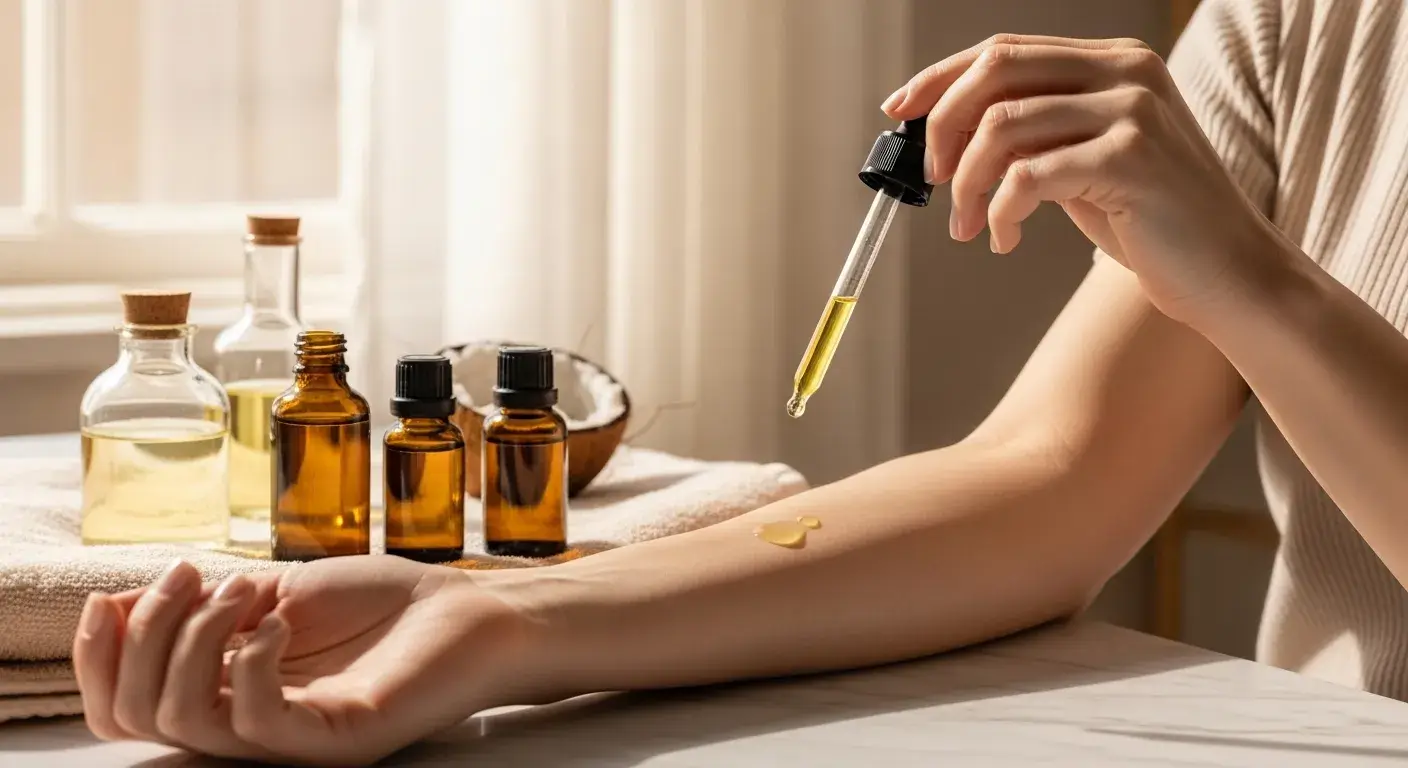
Some people think “natural” means “safe.” That’s not always true.
Essential oils are powerful and need respect. In this guide, I’ll show you simple steps to use them safely—so you get benefits, not burns.
Why Is Safety Important When Using Essential Oils on Skin?
A few drops can heal—or harm. Why the big risk?
Essential oils are very concentrated. If you don’t use them right, they can cause irritation, rashes, chemical burns, or long-term skin problems.
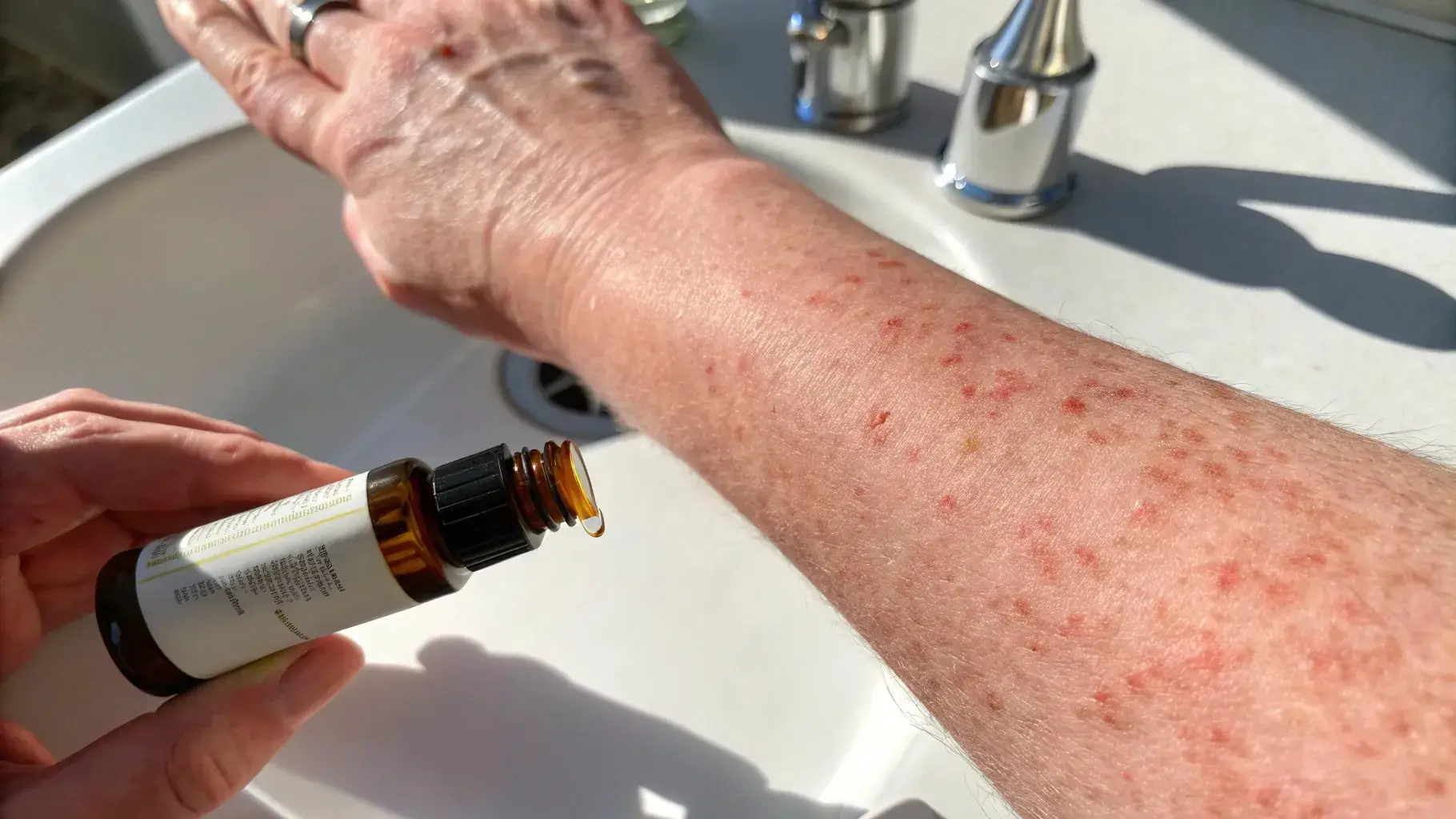
These oils are strong. One drop of peppermint oil is like 25–50 cups of peppermint tea1.
If that touches your bare skin, it can sting. I’ve seen people apply oils without knowing this, and it ended badly—red skin, itching, even blisters.
That’s why proper use matters. It’s not about fear—it’s about care. Once your skin reacts badly, it might never tolerate that oil again.
How Should Essential Oils Be Diluted for Safe Topical Use?
Too strong means trouble. So how much is too much?
Dilute essential oils in carrier oils at 0.5–5% depending on age, skin type, and use. Use fewer drops for kids and sensitive areas.
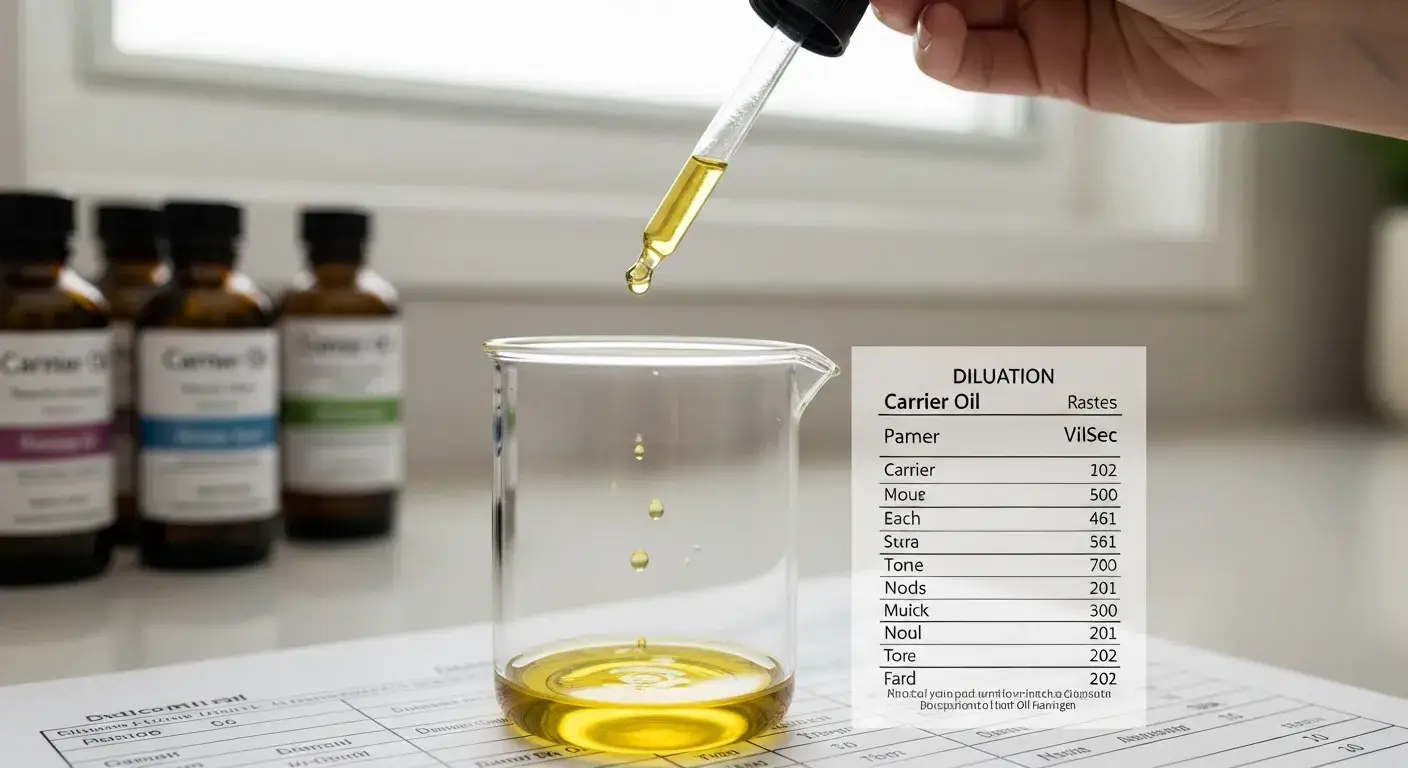
Here’s a simple dilution guide:
| Use Case | Recommended Dilution | Drops per 30ml (1 oz) Carrier Oil |
|---|---|---|
| Children under 6 | 0.25%–0.5% | 1–3 drops |
| Sensitive skin or face | 1% | 6 drops |
| General body application | 2%–3% | 12–18 drops |
| Short-term treatment (e.g., pain) | 5% | 30 drops |
This table works for most people. But if your skin reacts, go even lower. It’s better to use less and stay safe.
Which Essential Oils Are More Likely to Cause Skin Reactions?
Some oils are just more intense.
Cinnamon, clove, lemongrass, and oregano oils are strong and more likely to irritate skin—even when diluted. Use them with caution or avoid on sensitive skin.
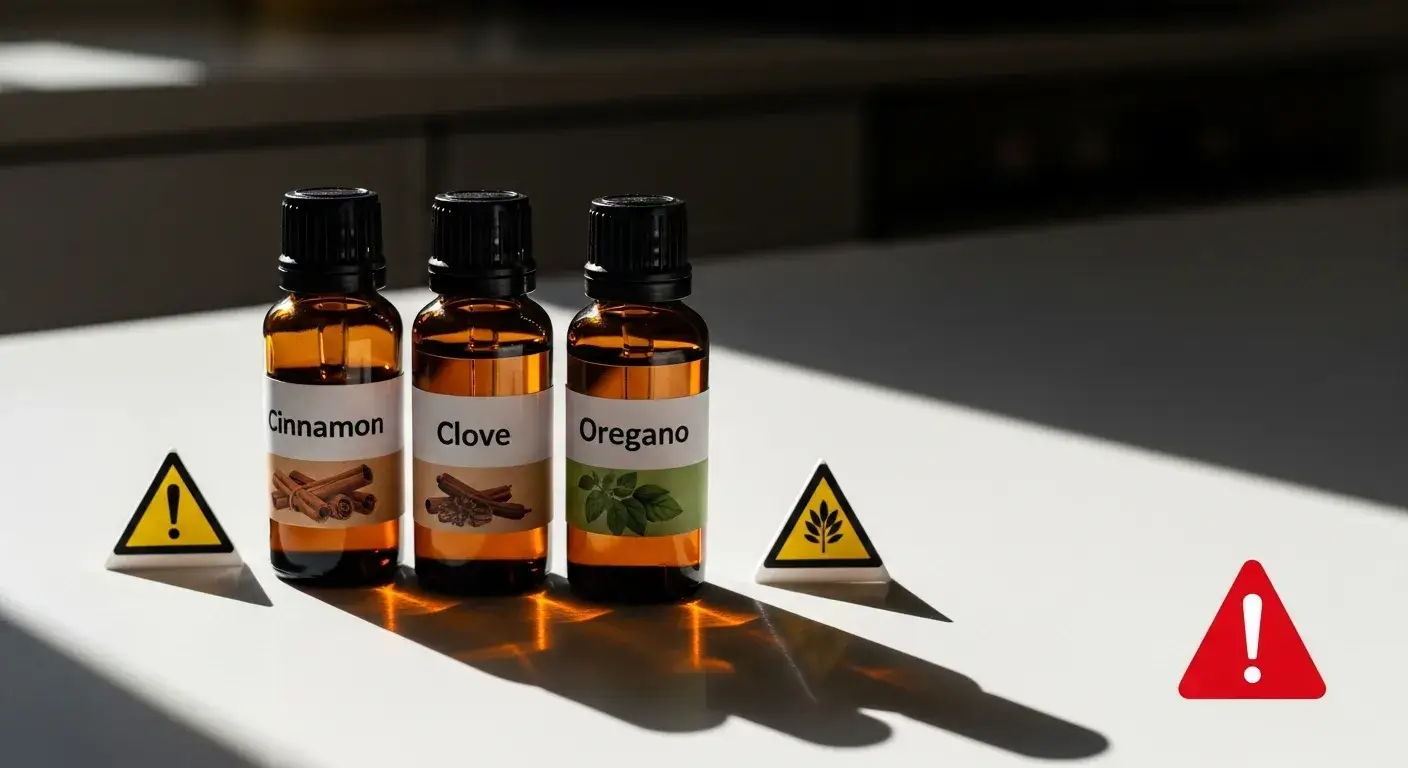
Here’s a list of oils that often cause reactions:
- Hot oils (cinnamon, clove, thyme, oregano)
- High citronellal oils (lemongrass, citronella)
- Oxidized oils (old tea tree or citrus oils)
If an oil smells off or causes redness, stop using it.
I once tried clove oil on a pimple—it burned and peeled my skin for days. Since then, I always research first and dilute more than I think I need2.
What Are Photosensitive Oils and How Can You Avoid Sun Damage?
The sun can turn some oils into skin enemies.
Photosensitive oils like bergamot, lemon, lime, and grapefruit (cold-pressed) can cause burns or dark spots if skin is exposed to sun after applying them.
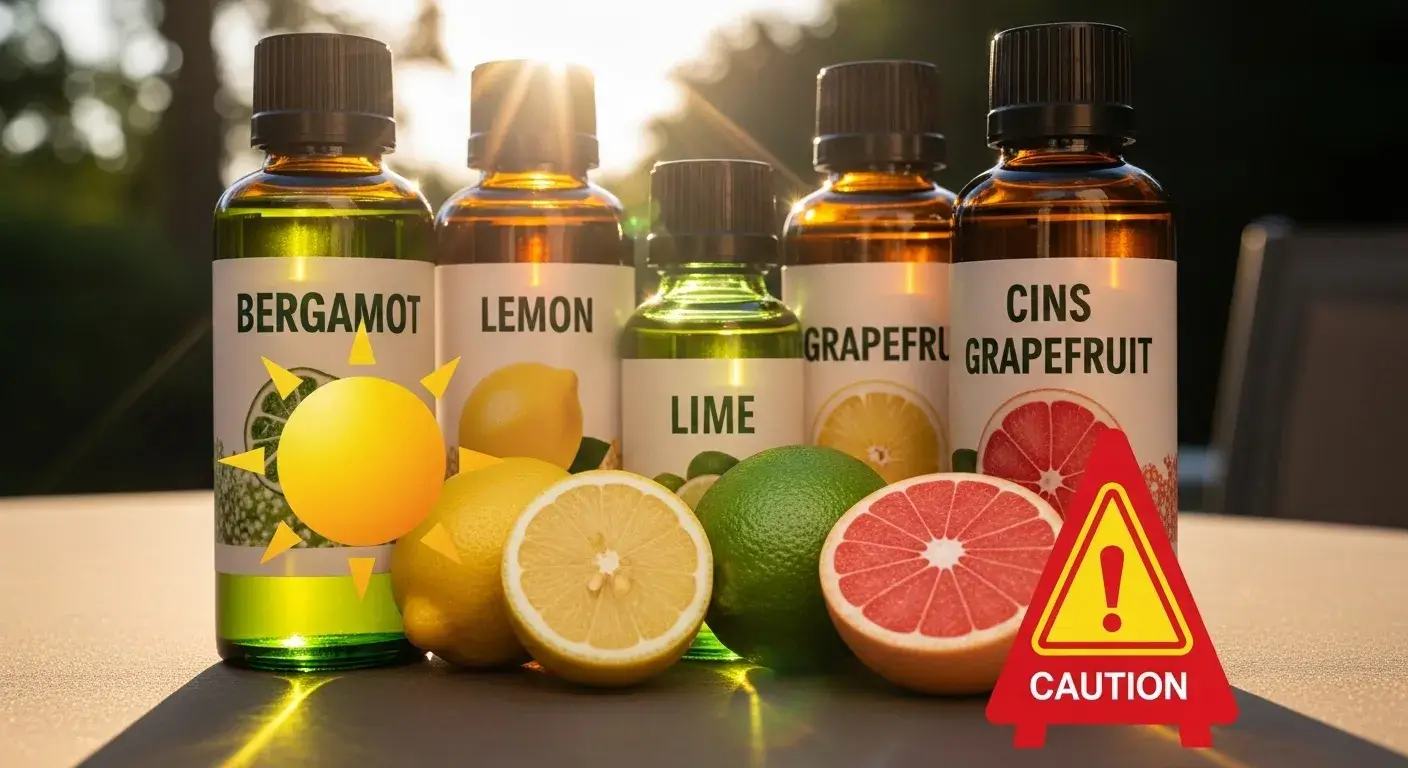
Only cold-pressed citrus oils cause this problem. Steam-distilled citrus oils are safer. Here’s how to stay safe:
- Don’t apply phototoxic oils before sunbathing.
- Avoid sun exposure for at least 12 hours after use.
- Use these oils in wash-off products, like cleansers.
Some oils contain furocoumarins3, which increase UV sensitivity.
This can cause blistering or long-lasting pigment changes. Always check the oil type before using it on exposed skin.
How Do You Perform a Patch Test to Prevent Allergic Reactions?
Even gentle oils can cause surprise reactions.
To do a patch test, apply a small amount of diluted oil to the inside of your forearm and wait 24 hours. Check for redness, bumps, or itching.
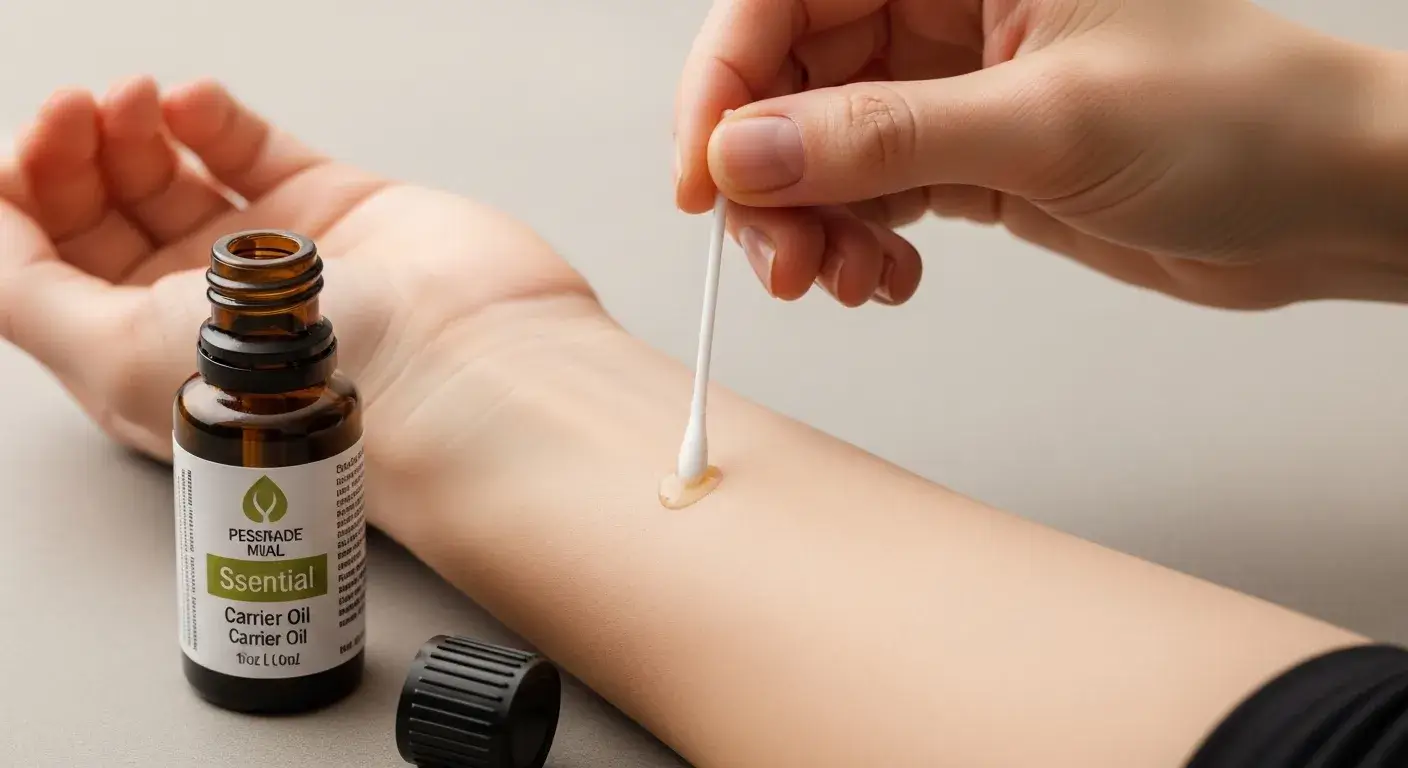
Steps:
- Mix 1% dilution (6 drops in 30ml carrier oil).
- Apply to a small patch on inner forearm.
- Do not wash the area for 24 hours.
- If no reaction, it’s likely safe for your skin.
I do this every time I try a new oil. Once, I skipped this step with eucalyptus—and paid for it with itchy, blotchy skin.
What Are the Best Carrier Oils for Diluting Essential Oils?
The base oil matters as much as the essential oil.
Jojoba, coconut, grapeseed, and sweet almond oils are the safest and most effective carriers for essential oils on skin.

Here’s a quick comparison:
| Carrier Oil | Best Features | Skin Type |
|---|---|---|
| Jojoba | Long shelf life, absorbs fast | All types |
| Coconut | Solid at room temp, soothing | Dry or rough skin |
| Grapeseed | Light, absorbs well | Oily or acne-prone |
| Sweet Almond | Moisturizing, gentle | Dry or sensitive |
Always use cold-pressed, unrefined carrier oils4 when you can. They help essential oils spread evenly and protect your skin.
How Should You Store Essential Oils to Maintain Safety and Potency?
Even good oils go bad. Then they hurt instead of heal.
Store essential oils in dark glass bottles, in cool, dry places, tightly sealed to prevent oxidation and keep them safe for skin.

Key storage tips:
- Keep away from light and heat.
- Use amber or cobalt blue bottles.
- Always close the cap tightly.
- Avoid plastic containers.
Old oils can oxidize. Oxidized oils are more likely to cause skin reactions. Smell your oils before use5—if they smell sour or sharp, throw them away.
What Are Common Mistakes to Avoid When Applying Essential Oils on Skin?
A few drops the wrong way can turn into days of damage.
Common mistakes include using oils undiluted, skipping patch tests, using expired oils, and applying phototoxic oils before sun exposure.
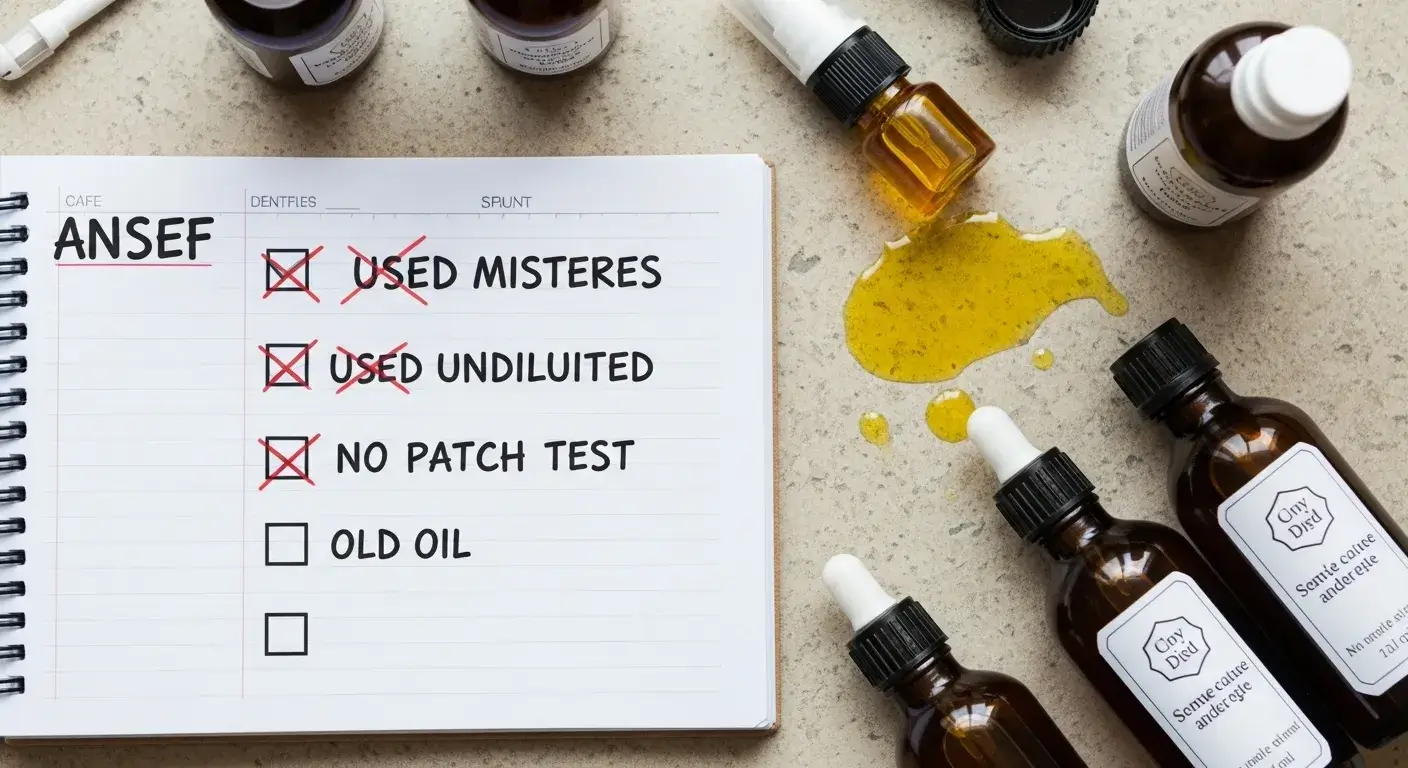
Top mistakes to avoid:
- Believing “pure” means “safe.”
- Mixing too many oils at once.
- Using oils every day on the same spot.
- Reapplying too often.
- Trusting unsafe DIY recipes online6.
One of my friends put lemon oil directly on her neck before going out—it caused painful red streaks that lasted for weeks. Always think before applying.
What Are the Risks of Using Undiluted Essential Oils?
Neat application may sound fast—but it’s not worth the pain.
Undiluted essential oils can cause skin burns, blistering, allergic sensitization, and long-term intolerance—even from just one use.
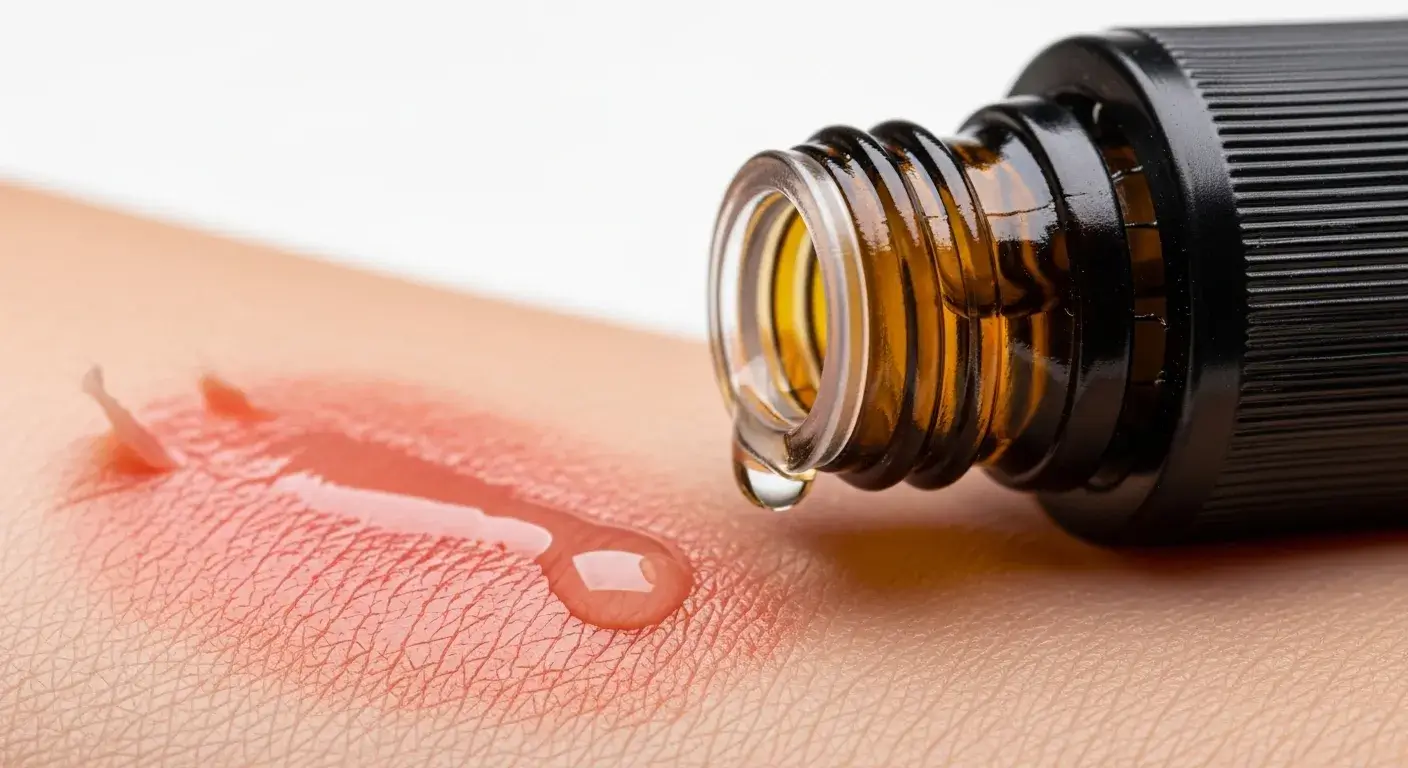
“Neat” use is when you apply essential oils directly to skin without a carrier oil.
It might seem okay at first, but reactions often show up hours or even days later.
Sensitization means your body starts to see that oil as an enemy. From then on, even smelling it can cause a reaction.
Use dilution instead—it’s safer and often works better, because it helps the oil spread and absorb slowly.
How Do Safety Guidelines Differ for Children, Pregnant Women, and Sensitive Skin?
Not all skin is the same. Some need extra care.
For children, pregnant women, and sensitive skin, use lower dilution rates (0.25–1%) and avoid certain oils entirely like rosemary, wintergreen, or clove.
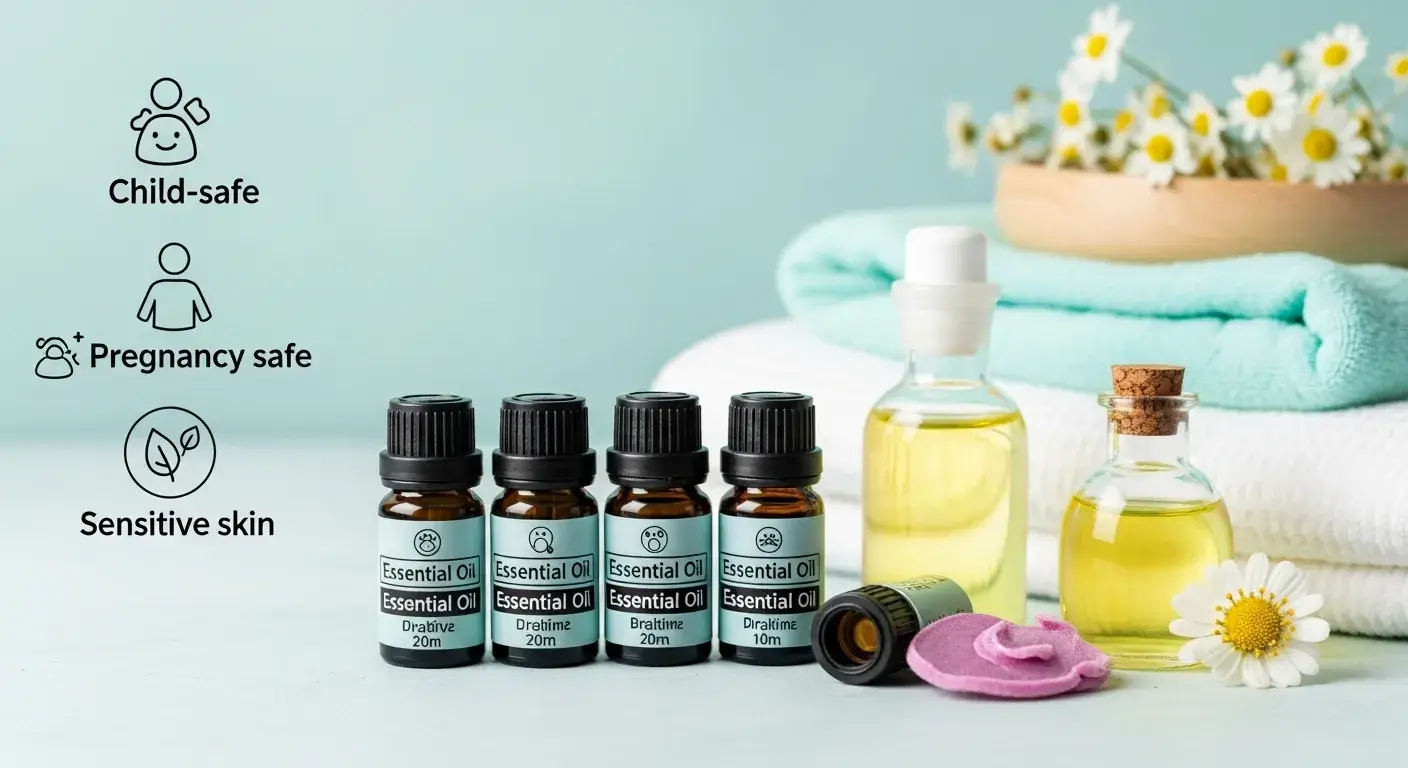
Basic rules:
- Children under 6: Max 0.25% dilution.
- Pregnant women: Avoid hormone-affecting oils (clary sage, basil).
- Sensitive skin: Avoid hot or spicy oils.
- Always do a patch test—every time.
Some oils cross the skin barrier quickly. That’s helpful in therapy—but risky if you’re not sure of the oil’s effect.
Conclusion
To use essential oils safely on skin, always dilute, patch test, avoid sun-reactive oils, and respect different needs—so you get the good without the harm.
FAQs
Q: Can I apply essential oils directly to skin if it’s just one drop?
A: No. Even one drop can cause irritation or lead to sensitization. Always dilute.
Q: Which essential oils are safest for skin?
A: Lavender, tea tree (in small amounts), chamomile, and frankincense are generally skin-friendly when diluted.
Q: How long can I keep a bottle of essential oil?
A: Most last 1–3 years if stored properly. Citrus oils expire faster—around 1 year.
Q: Can I use essential oils during pregnancy?
A: Only some, and only at low dilution. Avoid oils that may affect hormones or cause contractions. Always consult a professional.
Q: What should I do if I react to an oil?
A: Wash the area with carrier oil (not water), then with mild soap. If redness or pain continues, see a doctor.
Q: Are essential oils safe for daily skin use?
A: Not always. Overuse can irritate skin or cause long-term sensitivity. Use them a few times per week unless directed otherwise by a pro.
Footnotes:
-
Understand the potency of essential oils compared to herbal preparations. ↩
-
Find safety profiles and dilution guidelines for skin-irritating essential oils. ↩
-
Learn how furocoumarins in citrus oils cause sun sensitivity. ↩
-
Compare different types of carrier oils for topical essential oil application. ↩
-
Identify signs that essential oils have gone rancid or oxidized. ↩
-
Evaluate safety risks of DIY essential oil skin care recipes. ↩