
You need a natural solvent that performs like petrochemicals but meets clean-label requirements. D-Limonene delivers this combination, yet most buyers don’t understand what they’re actually purchasing. We’ll show you what matters for your formulations.
D-Limonene is a naturally occurring compound extracted from citrus peels that makes up 70-97% of orange, lemon, and grapefruit essential oils, serving as a renewable solvent and flavoring agent across cleaning, food, and cosmetic industries.
You’re about to learn how to select the right grade, avoid common quality issues, and source this material reliably. We’ve supplied D-Limonene to hundreds of manufacturers, and these insights come from real procurement challenges.
What Exactly Is D-Limonene and Where Does It Come From?
Most buyers confuse D-Limonene with citrus essential oil. This creates problems when you receive material that doesn’t match your specifications. Let me clarify the relationship.
D-Limonene is the primary chemical component inside citrus essential oils, extracted from orange, lemon, lime, and grapefruit peels as a byproduct of juice manufacturing.
Understanding D-Limonene vs. Essential Oil
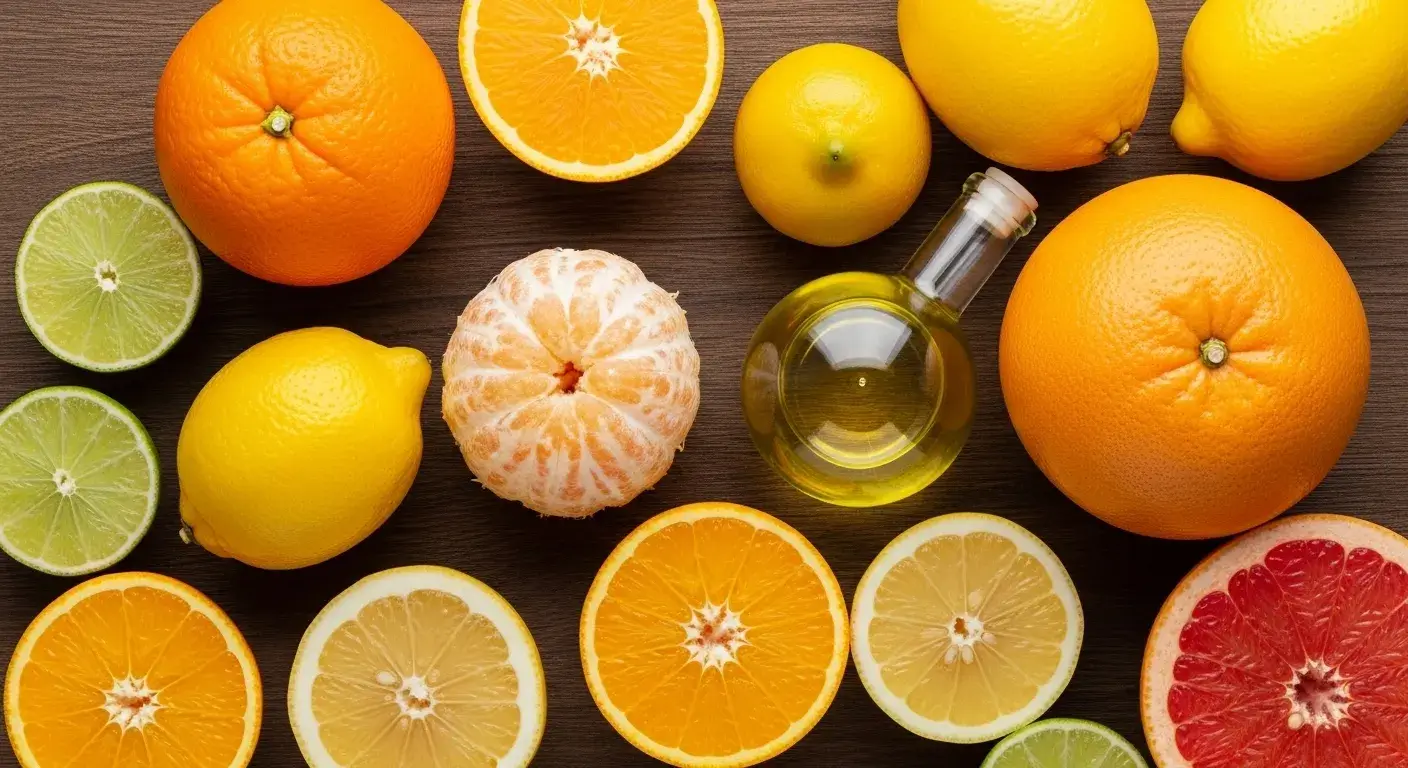
When you buy "orange essential oil," you’re getting a mixture of compounds. D-Limonene makes up 90-97% of that mixture. The remaining 3-10% includes aldehydes, alcohols, and other monoterpenes that contribute1 to aroma complexity.
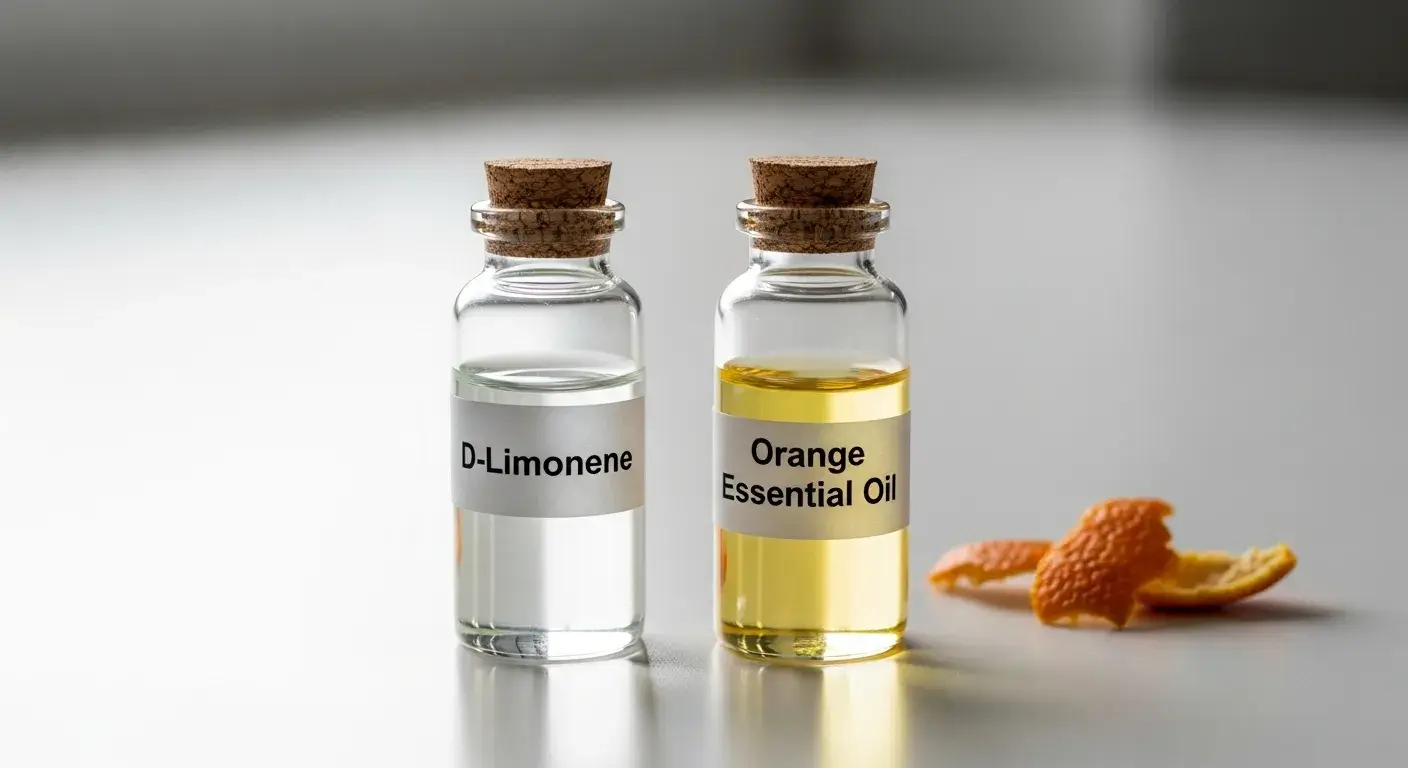
Pure D-Limonene is a single molecule with the formula C10H16. It belongs to a class of compounds called monoterpenes. The "D" refers to its molecular structure—it creates a citrus smell. Its mirror image, L-Limonene, smells like pine or turpentine.
This matters because some suppliers sell synthetic limonene (a 50/50 mix of D and L forms). It costs less but smells different and may not meet natural product requirements.
Primary Commercial Sources
We extract D-Limonene from these citrus varieties:
| Citrus Type | D-Limonene Content | Primary Producing Region |
|---|---|---|
| Sweet Orange | 93-97% | Brazil, Florida, California |
| Lemon | 68-75% | Argentina, Italy, Spain |
| Grapefruit | 90-95% | USA, Israel, South Africa |
| Lime | 85-93% | Mexico, Peru |
Brazil dominates global production because of its massive orange juice industry. Mexican lime oil supplies about 80% of the world market. These regional concentrations affect pricing and availability.
Other plants contain D-Limonene in smaller amounts—caraway seeds, peppermint, and dill. However, citrus peels remain the only economical source for commercial volumes.
The Waste-to-Value Story
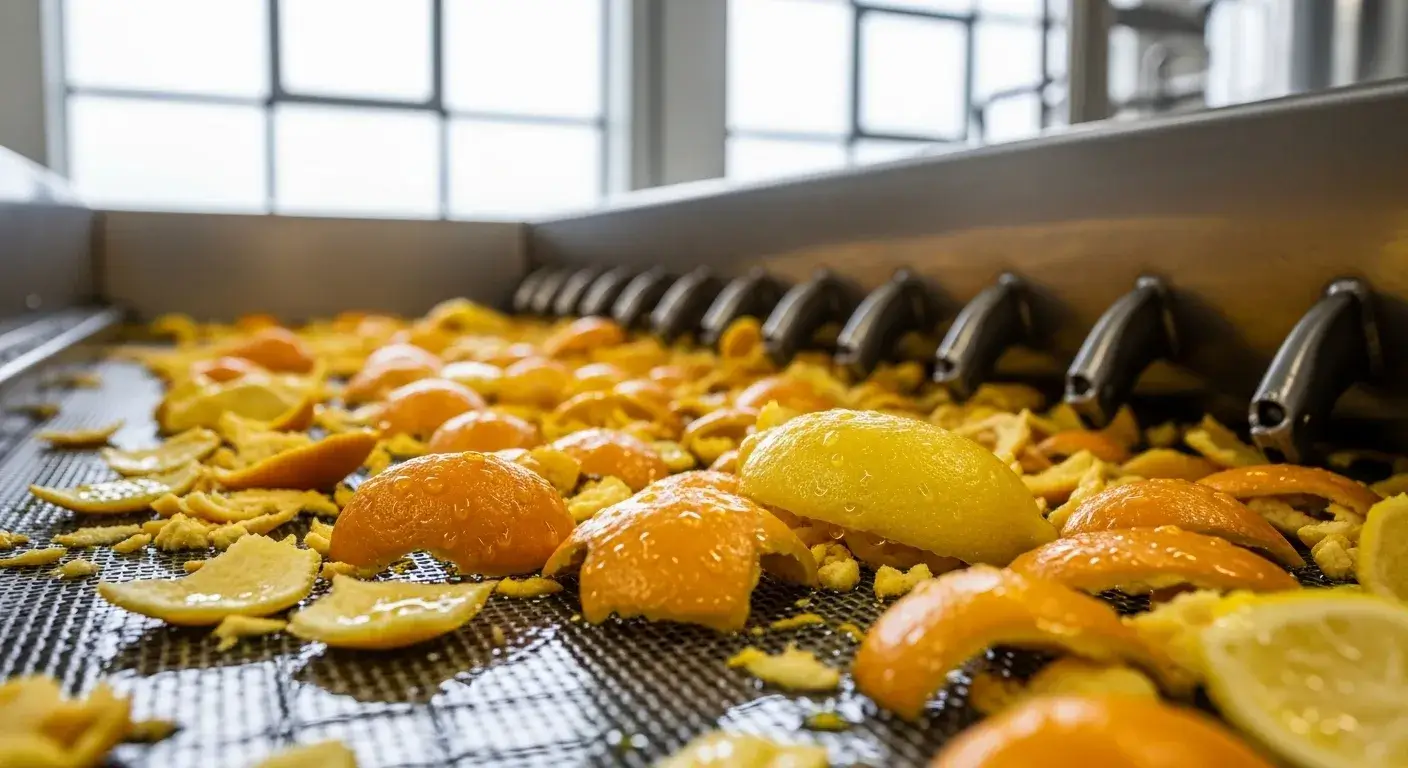
Here’s what makes D-Limonene economically attractive: juice manufacturers discard 45-60% of each fruit as peel waste. We recover D-Limonene from this waste stream through cold-pressing and distillation processes2.
Without recovery systems, citrus processors face disposal costs for millions of tons of peels annually. D-Limonene extraction converts a waste problem into a profit center. This keeps prices competitive compared to petroleum alternatives.
How Is D-Limonene Extracted and What Grades Should You Choose?
Extraction method determines purity, cost, and suitable applications. I’ve seen buyers waste money choosing pharmaceutical-grade material for cleaning products. Let me show you how to match grade to purpose.
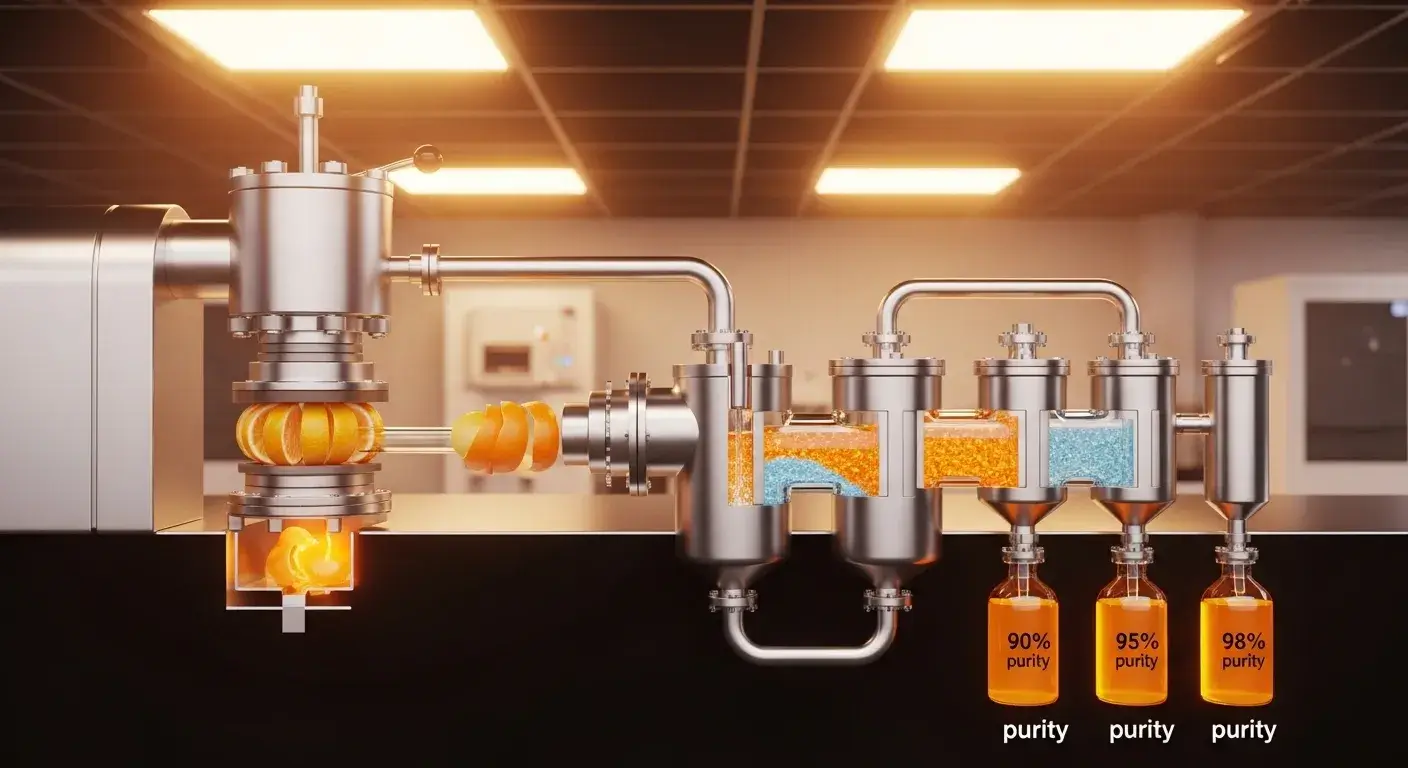
Cold-pressing produces 90-95% purity suitable for fragrances and cleaners, while stripper oil from juice evaporation yields 95-98% purity required for food and pharmaceutical applications.
Cold-Press Extraction
Machines press fresh citrus peels against abrasive surfaces. This ruptures oil glands in the outer peel layer. Water spray carries the oil away, creating an emulsion. Centrifugation separates oil from water and solids.
This produces "cold-pressed essential oil" with 90-95% D-Limonene content. The remaining 5-10% includes other volatiles that give aromatic complexity. This grade works well for fragrances, aromatherapy, and household cleaners where some aroma variation is acceptable.
Stripper Oil Production
Juice manufacturers concentrate orange juice by evaporating water under vacuum. The vapor contains essential oil components. Recovery systems capture this oil from evaporator exhaust.
The result is "stripper oil" with 95-98% D-Limonene. This grade meets food additive and pharmaceutical requirements. It costs 20-30% more than cold-pressed oil but provides consistency batch-to-batch.
Steam Distillation
Some processors steam-distill cold-pressed oil to increase purity. This removes non-volatile waxes and heavy compounds. Purity increases to 93-96%, but some top notes disappear.
This middle-tier grade suits cosmetics and premium cleaning products where you need better purity than cold-pressed but don’t require food-grade specifications.
Choosing the Right Grade
| Your Application | Recommended Grade | Key Requirement |
|---|---|---|
| Household cleaners | Cold-pressed (90-95%) | Cost-effective performance |
| Industrial degreasers | Cold-pressed or distilled | Dissolving power |
| Fragrances & cosmetics | Distilled (93-96%) | Consistent aroma profile |
| Food flavoring | Stripper oil (95-98%) | GRAS compliance, purity |
| Dietary supplements | Stripper oil (95-98%) | USP grade, low oxidation |
Don’t overspend on food-grade material for cleaning applications. Don’t risk regulatory issues using cold-pressed oil in food products. Match grade to requirements.
How to Verify What You’re Buying
Every shipment should include a Certificate of Analysis (COA) showing:
- D-Limonene percentage by GC-MS analysis3
- Specific gravity (should be 0.840-0.850)
- Refractive index (should be 1.472-1.474)
- Appearance and color description
If a supplier offers "99% pure D-Limonene" at bargain prices, it’s probably synthetic. Natural citrus-derived material rarely exceeds 97-98% purity without additional rectification that increases cost significantly.
What Are the Primary Industrial Applications of D-Limonene?
Understanding market demand helps you position products correctly and anticipate supply chain issues. These four sectors drive global consumption and pricing.
Cleaning products consume 50% of global D-Limonene supply, followed by food flavoring at 30%, cosmetics at 15%, and pharmaceutical applications at 5%.
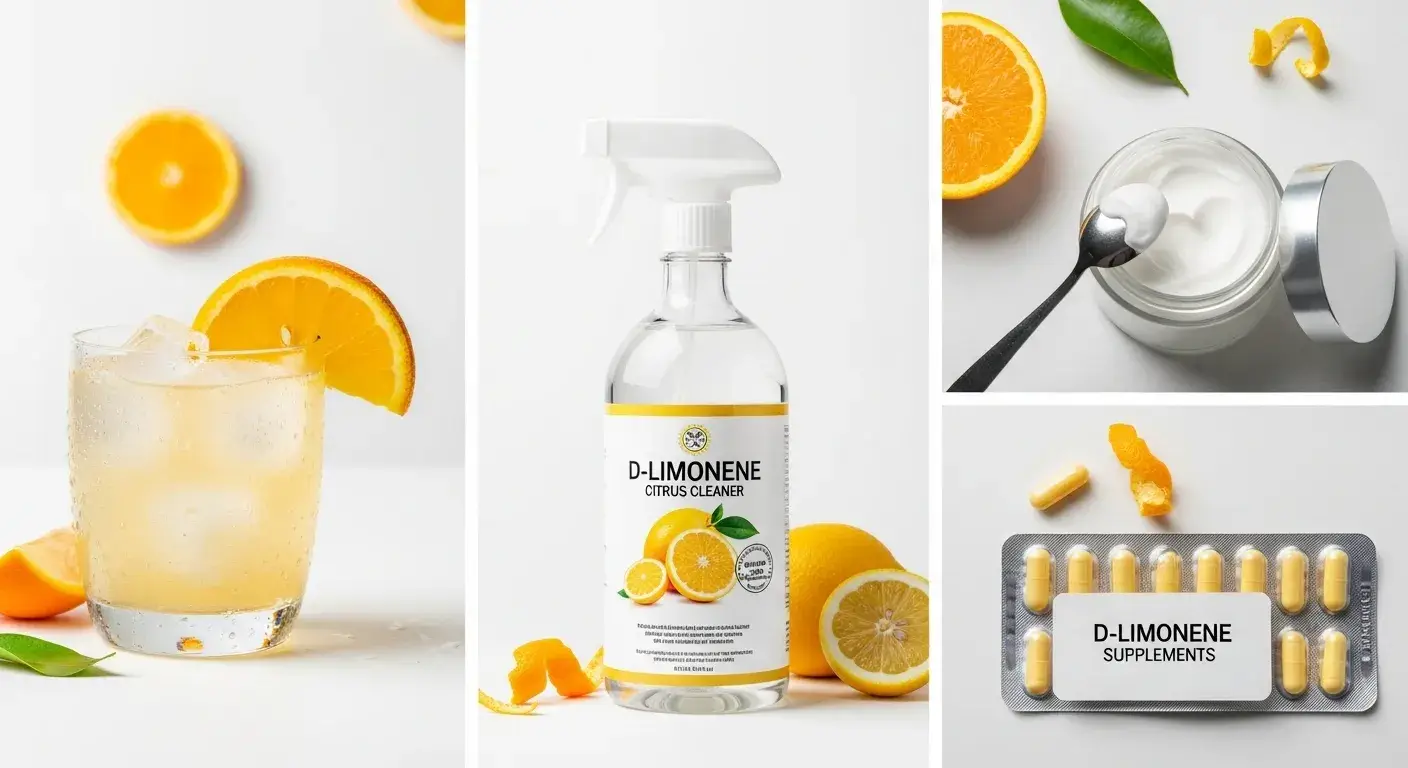
Cleaning and Degreasing Products
D-Limonene dissolves oils, grease, tar, and adhesives effectively. Its chemical structure allows it to penetrate hydrocarbon-based soils. This makes it ideal for:
- Heavy-duty industrial degreasers (10-30% concentration)
- Hand cleaners that remove oil from skin (5-15% concentration)
- Adhesive removers for labels and tape (20-50% concentration)
- Parts washers replacing mineral spirits (15-25% concentration)
Environmental regulations restricting petroleum solvents drove explosive growth in this sector. D-Limonene offers comparable performance with better safety profiles and pleasant citrus aroma as a biodegradable solvent alternative4.
Typical formulations combine D-Limonene with surfactants and water. The surfactants help it mix with water and improve soil removal. We see minimum orders of 180kg (one drum) for cleaning formulations.
Food and Beverage Flavoring
The FDA grants D-Limonene GRAS (Generally Recognized as Safe) status5 for food use. This opened massive opportunities in flavoring applications without pre-market approval requirements.
Food technologists use it to enhance citrus notes in:
- Soft drinks and fruit beverages (10-50 ppm)
- Baked goods and desserts (20-100 ppm)
- Candies and chewing gum (50-200 ppm)
- Ice cream and frozen desserts (15-75 ppm)
Beverage formulators prefer stripper oil grades for clarity and batch-to-batch consistency. Bakers sometimes use cold-pressed oils for more complex flavor profiles in artisan products.
The compound provides authentic orange or lemon character without adding juice, which would affect pH, sugar content, and shelf life.
Cosmetics and Personal Care
Fragrance houses use D-Limonene for its fresh, uplifting scent in perfumes, colognes, soaps, shampoos, and lotions. It also functions as a solvent that helps dissolve other fragrance components.
Typical usage levels:
- Leave-on facial products: 0.5-2%
- Body lotions and creams: 1-3%
- Shampoos and body washes: 2-5%
- Soaps and cleansers: 3-5%
European regulations require declaring D-Limonene on ingredient labels when present above 0.001% in leave-on products or 0.01% in rinse-off products. This protects consumers with citrus allergies.
Fresh D-Limonene poses minimal skin sensitivity risk. However, oxidized D-Limonene can cause irritation6. Always add antioxidants like vitamin E to cosmetic formulations.
Pharmaceutical and Supplement Uses
Research explores D-Limonene for therapeutic applications. Current uses include:
- Gallstone dissolution (oral doses of 500-1000mg)
- GERD and heartburn relief formulations (500-2000mg daily)
- Dietary supplements marketed for antioxidant support (250-1000mg)
Clinical trials used doses ranging from 500mg to 2000mg daily for up to 12 months without serious adverse effects. Pharmaceutical applications require stripper oil or rectified grades meeting USP specifications.
This sector remains small but grows as research continues. Supplement manufacturers need to follow GMP requirements and ensure material traceability.
Market Growth Context
The global D-Limonene market grows 5-6% annually, driven primarily by consumer demand for natural cleaning products and clean-label food ingredients. Supply fluctuates based on citrus crop yields, particularly orange harvests in Brazil and Florida.
Expect price volatility during poor harvest years or when extreme weather affects citrus production. Long-term contracts help stabilize supply for large-volume users.
What Do Safety Standards and Certifications Mean for Your Purchase?
Regulatory requirements determine whether your product reaches market. Different applications face different rules. We help clients navigate these frameworks daily.
D-Limonene holds GRAS status for food use, requires allergen labeling in EU cosmetics above specific thresholds, and must meet GHS classifications for industrial chemical handling.
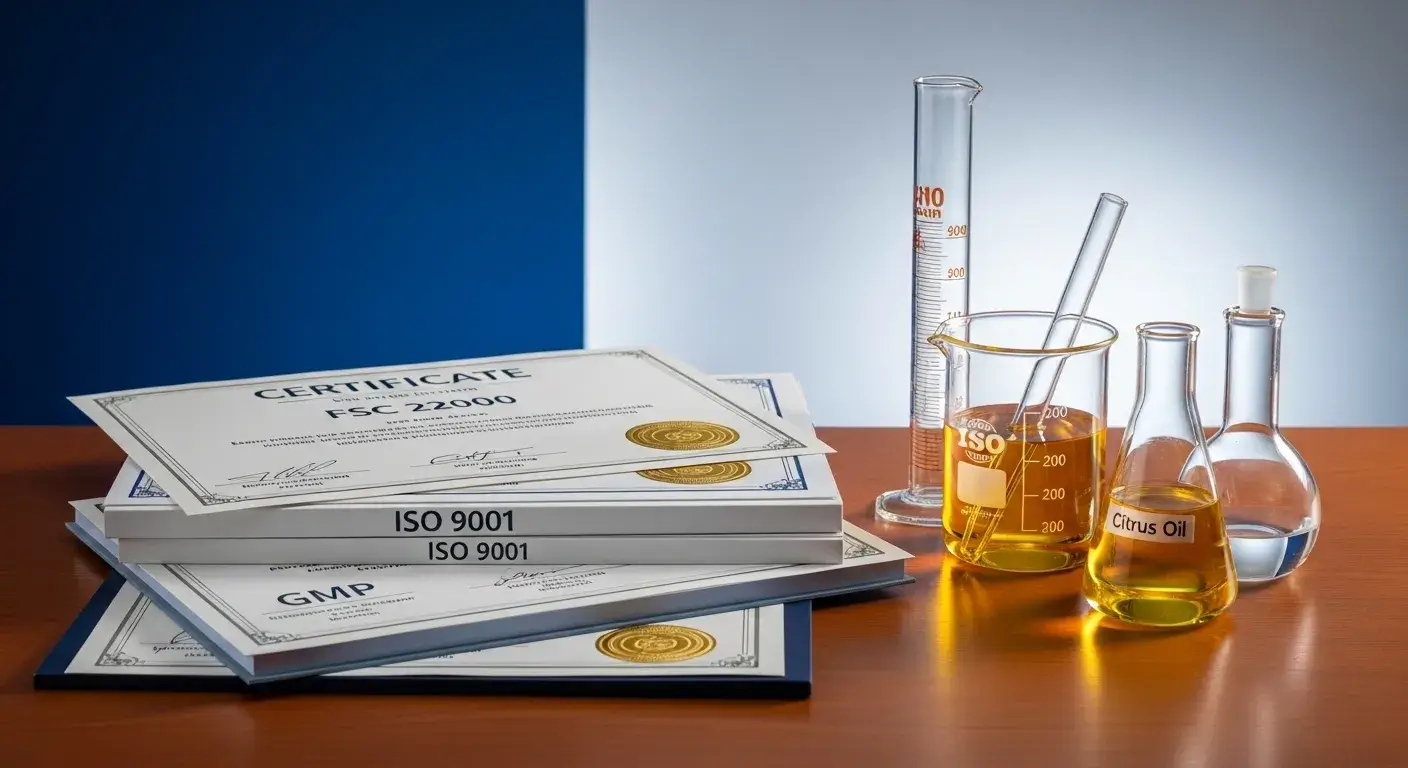
Food Safety Requirements
The US FDA recognizes D-Limonene as Generally Recognized as Safe (GRAS) for flavoring. FEMA assigns it number 2633 for flavor formulation identification.
In Europe, it appears on the EU Flavoring Regulation list with FL-number 01.045. Maximum usage levels depend on food category but generally allow sufficient quantities for flavoring purposes.
For food applications, verify your supplier provides:
- Food-grade certification (FSSC 22000 or equivalent)
- Stripper oil grade (95-98% purity)
- Heavy metals testing results
- Pesticide residue analysis
- Microbiological testing data
Don’t accept cold-pressed oil for food products even if the supplier claims it’s "food safe." The purity and consistency don’t meet food manufacturing requirements.
Cosmetic Regulations
EU Cosmetics Regulation requires D-Limonene declaration when present above:
- 0.001% in leave-on products
- 0.01% in rinse-off products
The INCI name is "Limonene." You must list it separately even when it’s a component of essential oils used in your formulation.
IFRA (International Fragrance Association)7 publishes recommended concentration limits based on product type and exposure. These guidelines help prevent sensitization issues from oxidized material.
For cosmetic applications, ensure your supplier:
- Stores material properly to prevent oxidation
- Adds natural antioxidants (tocopherols)
- Provides material less than 6 months old
- Tests for peroxide values and oxidation markers
Industrial Chemical Classifications
For cleaning and industrial products, D-Limonene follows standard chemical regulations:
- Flash Point: 48°C (118°F) – classified as flammable liquid
- Skin Irritation: Can cause irritation at full strength
- Environmental: Low aquatic toxicity when properly diluted
Safety Data Sheets (SDS) must accompany all shipments. These outline handling precautions, first aid, and disposal requirements.
Human Safety Profile
Long-term human studies show low toxicity. Clinical trials administered up to 2000mg daily for 12 months without serious adverse effects beyond occasional mild digestive discomfort.
Some older studies showed tumors in male rats at high doses. Researchers determined this resulted from a protein interaction specific to male rat kidneys. Regulatory agencies worldwide concluded D-Limonene poses no cancer risk to humans.
The compound is literally the main component of orange peels. Billions of people consume it daily through citrus fruits and juices without issues.
Certifications That Matter
For B2B sourcing, these certifications indicate reliable suppliers:
| Certification | What It Means | When You Need It |
|---|---|---|
| FSSC 22000 | Food safety management | Food flavoring applications |
| ISO 9001 | Quality management system | All applications |
| GMP (cGMP) | Good manufacturing practices | Supplements, pharmaceuticals |
| USDA Organic | Organic production standards | Organic product formulations |
| Kosher/Halal | Religious dietary compliance | Consumer products for these markets |
We maintain these certifications at Phytoex because our customers need documentation for their own compliance. Request certificates before placing orders, not after problems arise.
Why Does D-Limonene’s Sustainability Matter for Your Brand?
Sustainability credentials influence purchasing decisions and marketing claims. D-Limonene offers genuine environmental advantages you can communicate to customers.
D-Limonene production converts 45-60% of citrus fruits that would become landfill waste into valuable renewable materials, biodegrading in 2-4 weeks compared to petroleum solvents that persist for months or years.
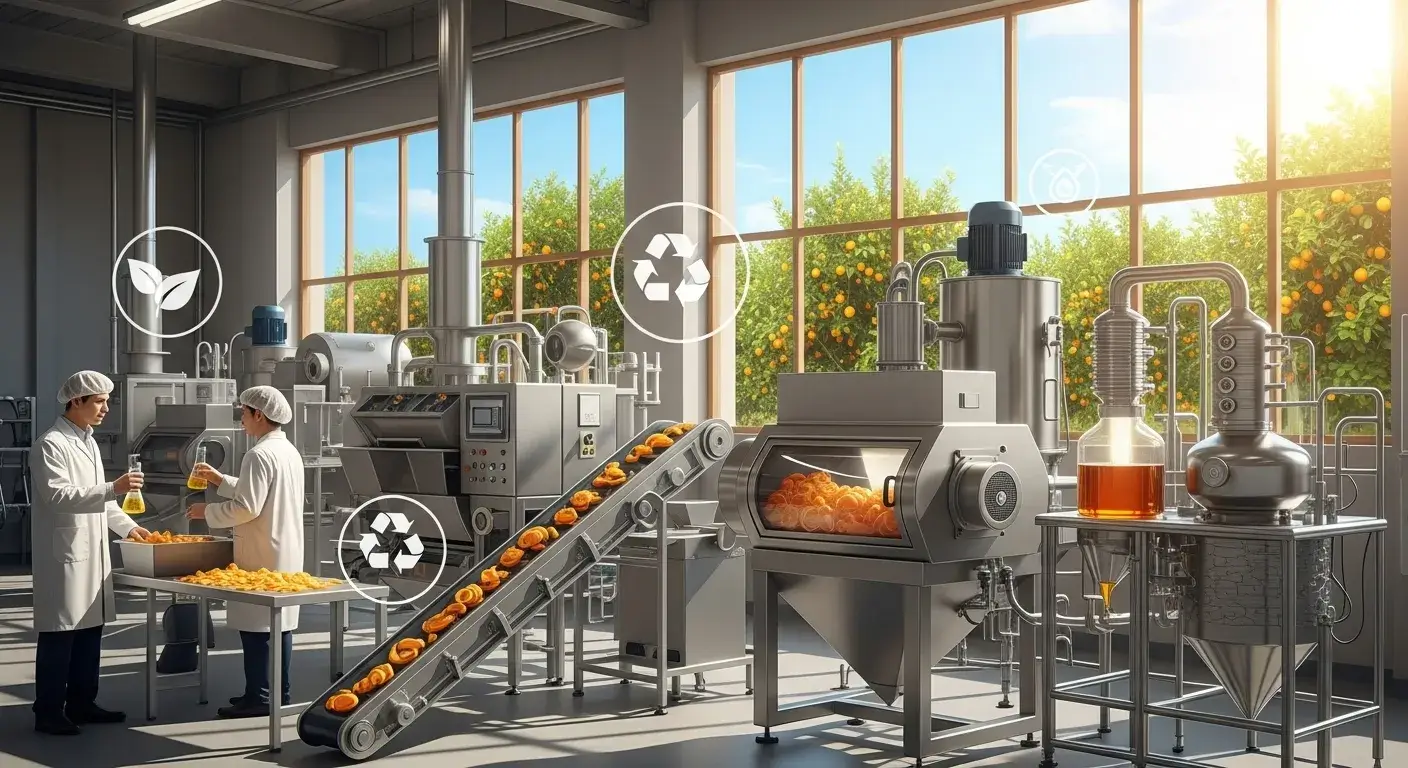
Three Sustainability Facts That Matter
Waste-to-Value Conversion: Orange juice production generates approximately 500-600 grams of peel waste per liter of juice. Without recovery, this creates disposal problems. D-Limonene extraction converts waste into profit8 while solving environmental issues.
Renewable Annual Source: Unlike petroleum solvents extracted from finite fossil reserves, D-Limonene comes from citrus crops planted and harvested annually. The raw material renews every growing season.
Rapid Biodegradation: Soil and water microorganisms break down D-Limonene into carbon dioxide and water within 2-4 weeks. Petroleum-based solvents can persist for months or years depending on environmental conditions.
What You Can Tell Customers
For marketing and sales materials, you can make these claims (when using citrus-derived D-Limonene):
- "Derived from upcycled citrus waste"
- "Plant-based renewable ingredient"
- "Biodegradable formula"
- "Reduces agricultural waste"
Avoid claims like "carbon neutral" or "zero environmental impact" unless you have full life cycle analysis supporting them. Honest sustainability messaging builds trust.
Supply Chain Transparency
We work directly with certified suppliers in Brazil, Mexico, and Florida. Our partnerships prioritize:
- Fair pricing for citrus processors
- Safe working conditions in extraction facilities
- Waste water treatment and emissions controls
- Traceability from specific citrus-growing regions
For customers with strict sustainability requirements, we provide origin documentation and supplier audit reports. This supports your supply chain transparency reporting.
How Should You Handle D-Limonene to Maintain Quality?
Quality failures create costly problems—rancid odors, formulation instability, customer complaints. These guidelines prevent the most common issues we see.
D-Limonene oxidizes when exposed to air, light, and heat, developing off-odors and skin-sensitizing compounds within 3-6 months of improper storage.
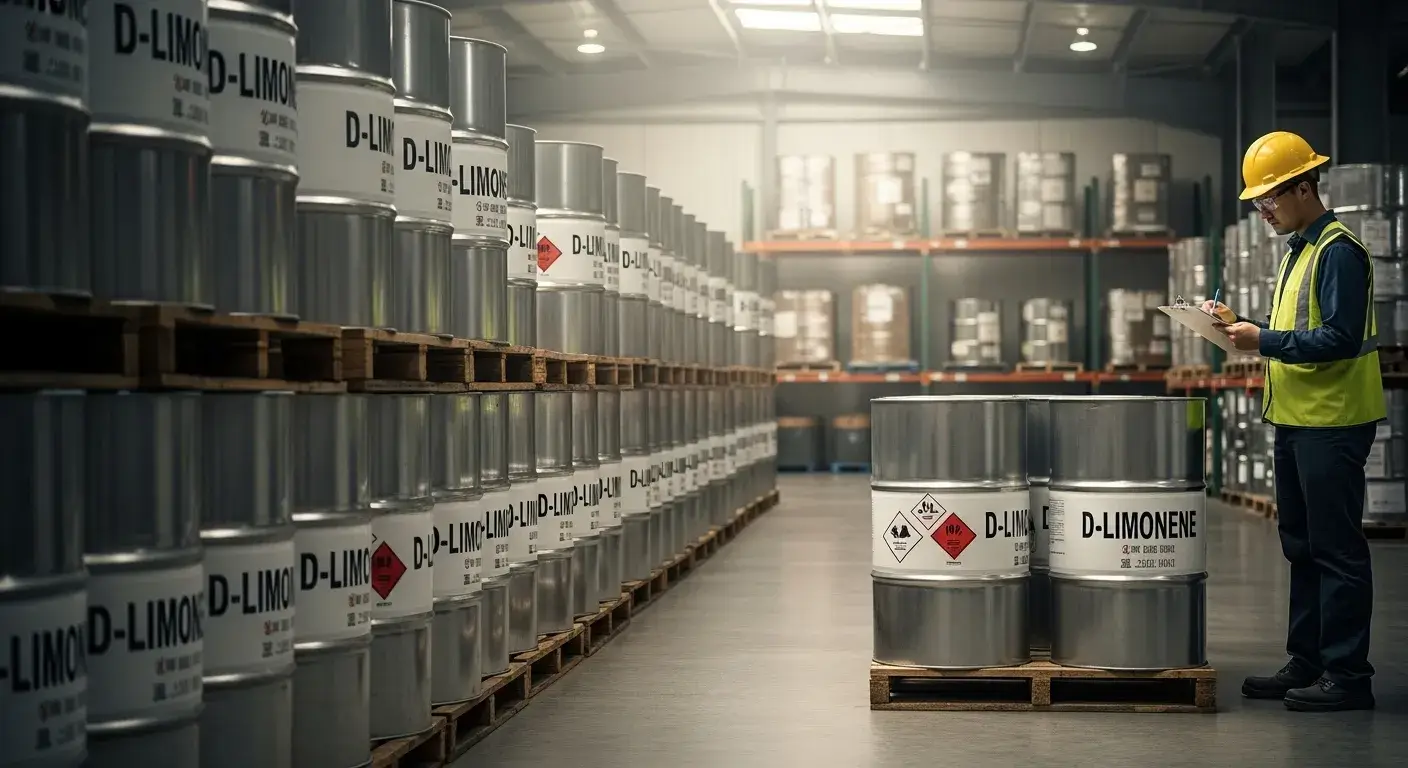
Storage Requirements That Actually Matter
D-Limonene’s biggest enemy is oxygen. The compound’s double bonds react with air to form unwanted compounds:
- Carvone (smells different, like spearmint)
- Limonene oxide (causes skin sensitization)
- Peroxides (irritants)
Follow these practical storage guidelines:
Temperature: Store in cool conditions, ideally 15-25°C (59-77°F). Avoid prolonged exposure above 30°C (86°F). You don’t need refrigeration for most applications—just keep containers away from direct heat sources.
Container Management: Keep containers tightly sealed. Minimize headspace by ordering sizes that match your usage rate. Don’t leave drums half-empty for months.
Light Protection: Use opaque containers or store in dark areas. UV light accelerates oxidation.
Shelf Life: Properly stored D-Limonene lasts 12-18 months. Poor storage reduces this to 3-6 months. Order quantities you’ll use within this timeframe.
Packaging Compatibility Issues
D-Limonene dissolves some plastics. This causes expensive problems when containers deform or products leak.
Safe packaging materials:
- HDPE (High-Density Polyethylene) – good for most applications
- Glass – excellent for all uses
- Aluminum containers – suitable with appropriate linings
- Coated steel drums – standard for bulk shipments
Materials to avoid:
- Polystyrene (dissolves rapidly)
- PVC (degrades and contaminates product)
- Some polypropylene grades (test before committing)
Always test packaging compatibility before full production runs. Request D-Limonene samples to conduct your own compatibility testing with your specific packaging materials.
Handling Safety Basics
D-Limonene is less hazardous than most industrial solvents, but follow basic precautions:
- Wear nitrile gloves when transferring material (prevents skin irritation)
- Use safety glasses for volumes over 5 liters (splash protection)
- Ensure adequate ventilation in work areas
- Keep away from open flames (flash point 48°C/118°F)
First aid is straightforward:
- Skin contact: Wash with soap and water
- Eye contact: Flush with water for 15 minutes
- Ingestion: Don’t induce vomiting, seek medical attention
The compound is literally in orange peels. Don’t treat it like a hazardous chemical requiring full protective suits. Reasonable precautions suffice.
Formulation Guidelines by Application
For cleaning products: Mix 10-30% D-Limonene with surfactants and water. The surfactant system determines emulsion stability. Test multiple ratios to optimize performance and cost.
For food flavoring: Use 10-100 ppm depending on desired intensity. Start with lower concentrations and increase gradually. D-Limonene has a low taste threshold—a little goes far.
For cosmetics: Keep concentrations at 0.5-3% in leave-on products. Add 0.1-0.5% natural tocopherols (vitamin E) as antioxidants. This prevents oxidation during the product’s shelf life.
For aromatherapy: Dilute to 1-5% in carrier oils for topical applications. Never apply undiluted to skin.
Quality Red Flags to Watch For
These signs indicate you received poor quality or old material:
- Off-odors (musty, harsh, or chemical smells instead of fresh citrus)
- Color darker than pale yellow (indicates oxidation)
- Certificate of Analysis dated more than 6 months ago
- Supplier can’t provide GC-MS testing results
- Price significantly below market rates
- Supplier offers "99% purity" without premium pricing
When quality issues arise, contact your supplier immediately. We replace defective materials and investigate root causes. Reputable suppliers stand behind their products.
Ordering Logistics
We supply D-Limonene in these formats:
- 25kg aluminum containers: Small batch testing, new product development
- 180kg steel drums: Standard commercial quantity, most applications
- 900kg IBC totes: Large volume users, established formulations
- Bulk tanker: 10+ metric tons for major manufacturers
Lead times vary by grade:
- Cold-pressed orange oil: 2-4 weeks (seasonal availability affects this)
- Stripper oil: 4-6 weeks (requires coordination with juice processors)
- Custom specifications: 6-8 weeks (may need special rectification)
We maintain inventory of standard grades for urgent orders. However, citrus processing follows harvest seasons. Orange oil availability peaks October through April in the Northern Hemisphere.
Plan ahead for seasonal variations. Establish supply agreements if you need consistent year-round availability.
Conclusion
D-Limonene offers renewable, effective performance across cleaning, food, and cosmetic applications when you select appropriate grades, store correctly, and verify supplier certifications for your specific regulatory requirements.
-
Monoterpenes are a class of organic compounds consisting of two isoprene units, commonly found in essential oils with various biological activities and aromatic properties. ↩
-
Cold-pressing citrus peels extracts essential oils mechanically without heat, while distillation uses steam to separate volatile compounds—both methods preserve D-Limonene’s natural properties from citrus waste streams. ↩
-
Gas Chromatography-Mass Spectrometry (GC-MS) is the gold standard analytical method that separates, identifies, and quantifies individual chemical components in essential oils to verify purity and detect adulterants. ↩
-
Biodegradable solvents break down naturally through microbial action in soil and water environments, offering eco-friendly alternatives to petroleum-based chemicals that persist in ecosystems. ↩
-
GRAS (Generally Recognized as Safe) is an FDA designation for food substances that qualified experts consider safe under intended use conditions, allowing use without pre-market approval. ↩
-
Oxidized D-Limonene forms peroxides and epoxides through air exposure, which can cause allergic contact dermatitis and skin sensitization—proper storage with antioxidants prevents this degradation. ↩
-
The International Fragrance Association (IFRA) is the global self-regulatory body representing the fragrance industry, publishing safety standards and usage limits for fragrance materials based on scientific research. ↩
-
Citrus waste valorization converts discarded peels, pulp, and seeds from juice production into valuable products like D-Limonene, reducing landfill burden while creating economic value from agricultural byproducts. ↩