
Have you ever wondered if organic essential oils are worth the extra cost?
Organic essential oils are distilled from plants grown without synthetic chemicals and certified to ensure purity, potency, and environmental sustainability.
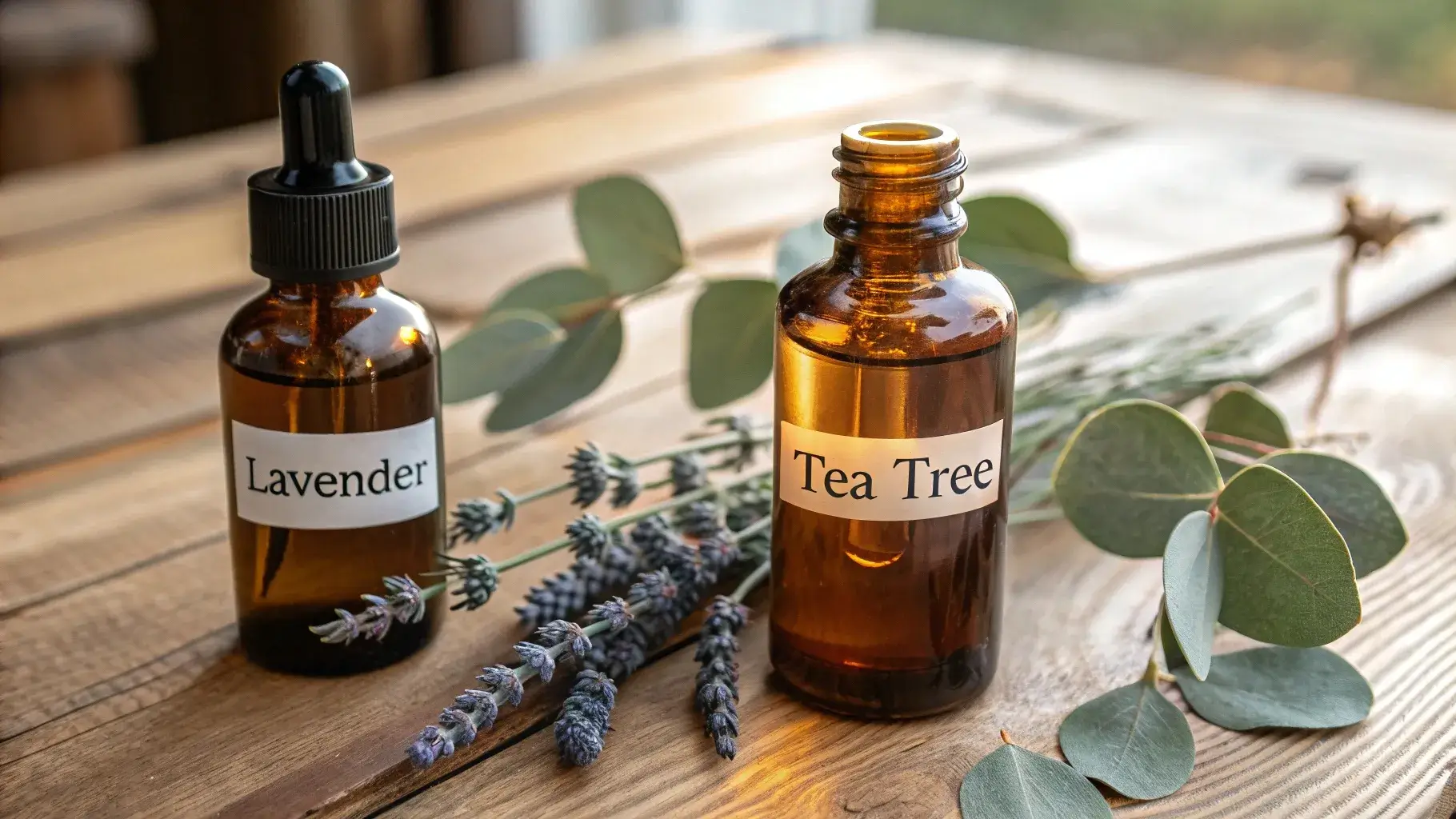
When I switched to organic lavender and tea tree oils, the aroma felt sharper and cleaner. I learned that organic certification doesn’t just mean “natural”—it means traceable, tested, and eco-friendly1. Here’s what makes these oils stand out, how to pick genuine ones, and how to use them safely.
What Defines an Essential Oil as Organic?
What qualifies an essential oil to carry the "organic" label?
An essential oil is labeled organic when derived from plants grown without synthetic pesticides, herbicides, or GMOs, and processed under certified standards like USDA or Ecogarantie2.

Certified organic means every step—from planting to bottling—meets strict guidelines. Approved natural treatments may be used, but synthetic chemicals are excluded. It ensures a clean and controlled process.
How Do Organic Essential Oils Differ from Conventional Ones?
Is there a real difference between organic and regular essential oils?
Organic oils are purer and often contain higher levels of active compounds3, while conventional oils may have pesticide residues due to less regulated farming.
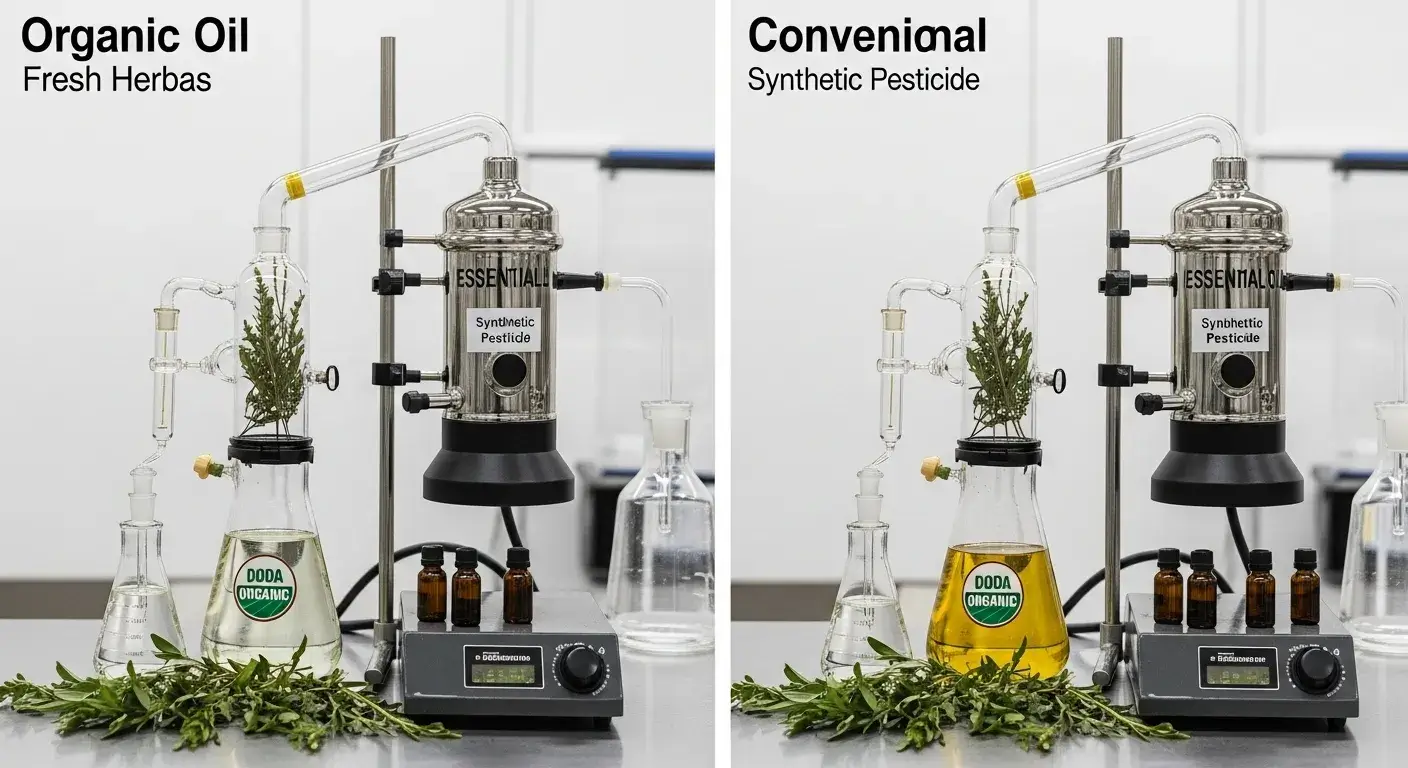
A single study on vetiver showed organic-distilled roots produced richer, more potent oils. However, reputable conventional oils can still be high quality. Certification ensures peace of mind.
What Are the Health Benefits of Using Organic Essential Oils?
What makes them better for you?
Organic oils offer strong antibacterial, antifungal, anti-inflammatory, and calming effects—thanks to richer beneficial compounds and lack of synthetic residues4.
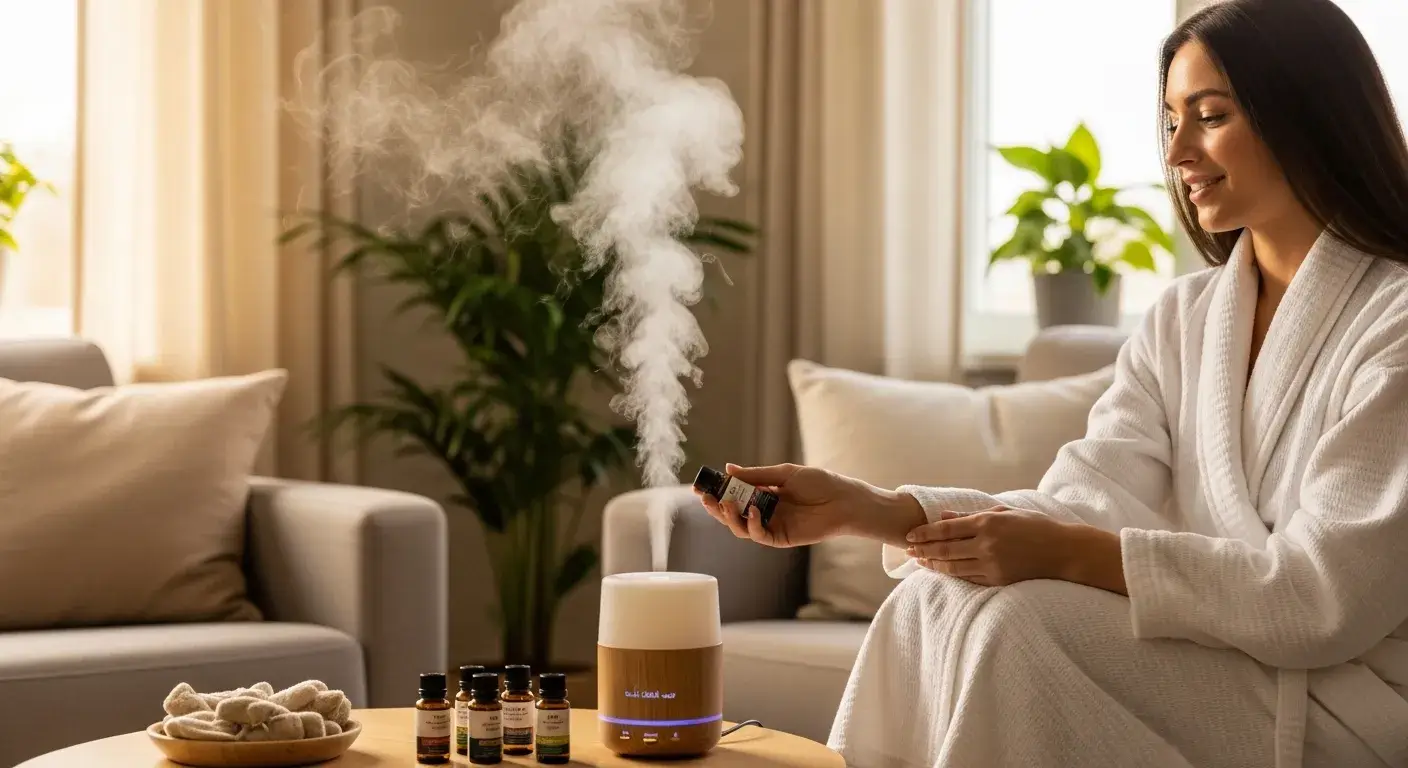
Many users say organic lavender feels sharper and more soothing than non-organic. The absence of chemicals also makes them safer for skin or inhalation.
Why Is Certification Important for Organic Essential Oils?
Can’t we trust the label “organic”?
Certifications like USDA, Ecogarantie, COSMOS, and Soil Association5 guarantee rigorous farming, traceability, and safety through independent audits.
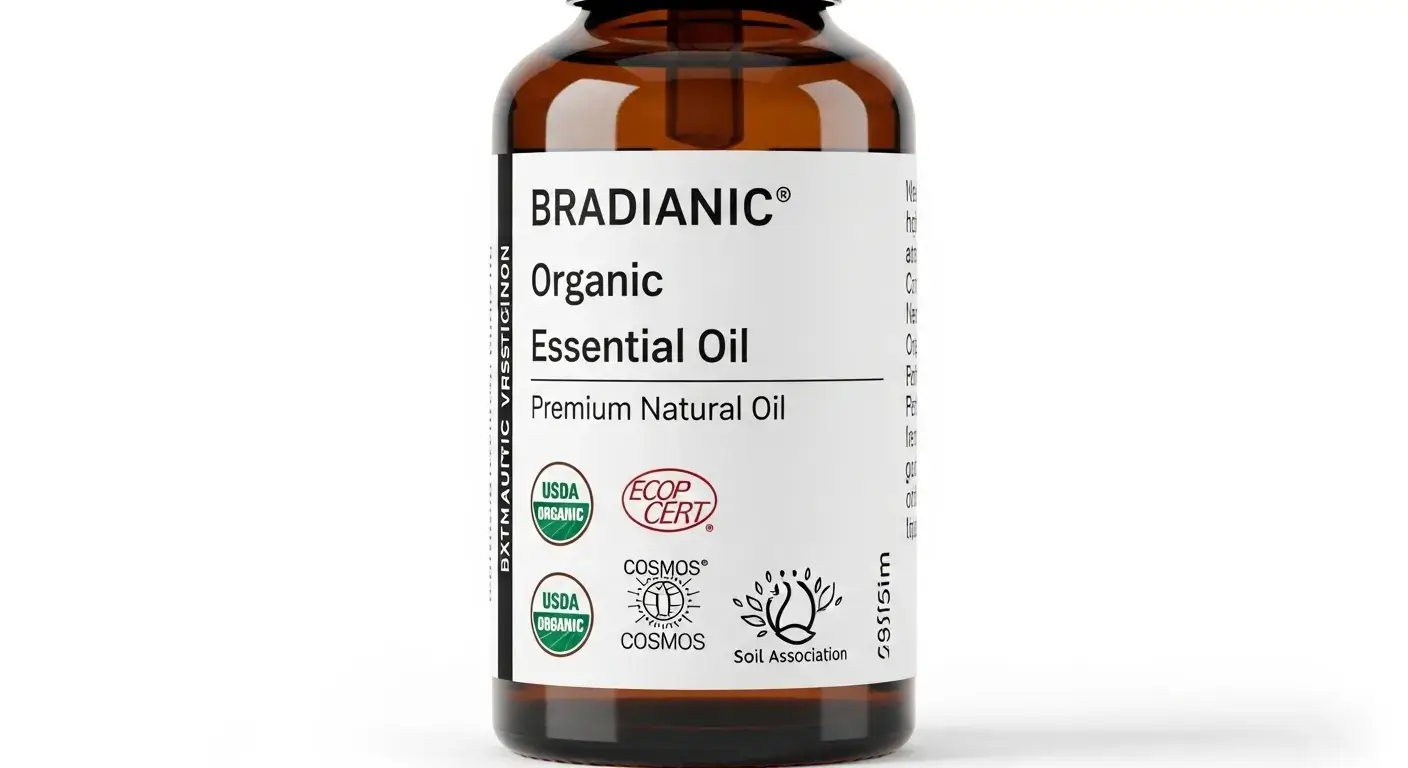
These labels assure consumers the oil is genuinely organic and sourced responsibly.
How Do Organic Farming Practices Impact Oil Quality?
Does farming method really affect the essential oil?
Rich, chemical-free soil enhances plant health, which in turn yields oils richer in aromatic and therapeutic compounds6.

Organic farming avoids chemical runoff, supports biodiversity, and uses natural soil nourishment, all contributing to healthier plants and superior oils.
Are Organic Essential Oils More Potent or Effective?
Some say organic = stronger effect. Is that true?
Organic oils typically have higher levels of active compounds like terpenes and phenols7, which can enhance potency and therapeutic effect.
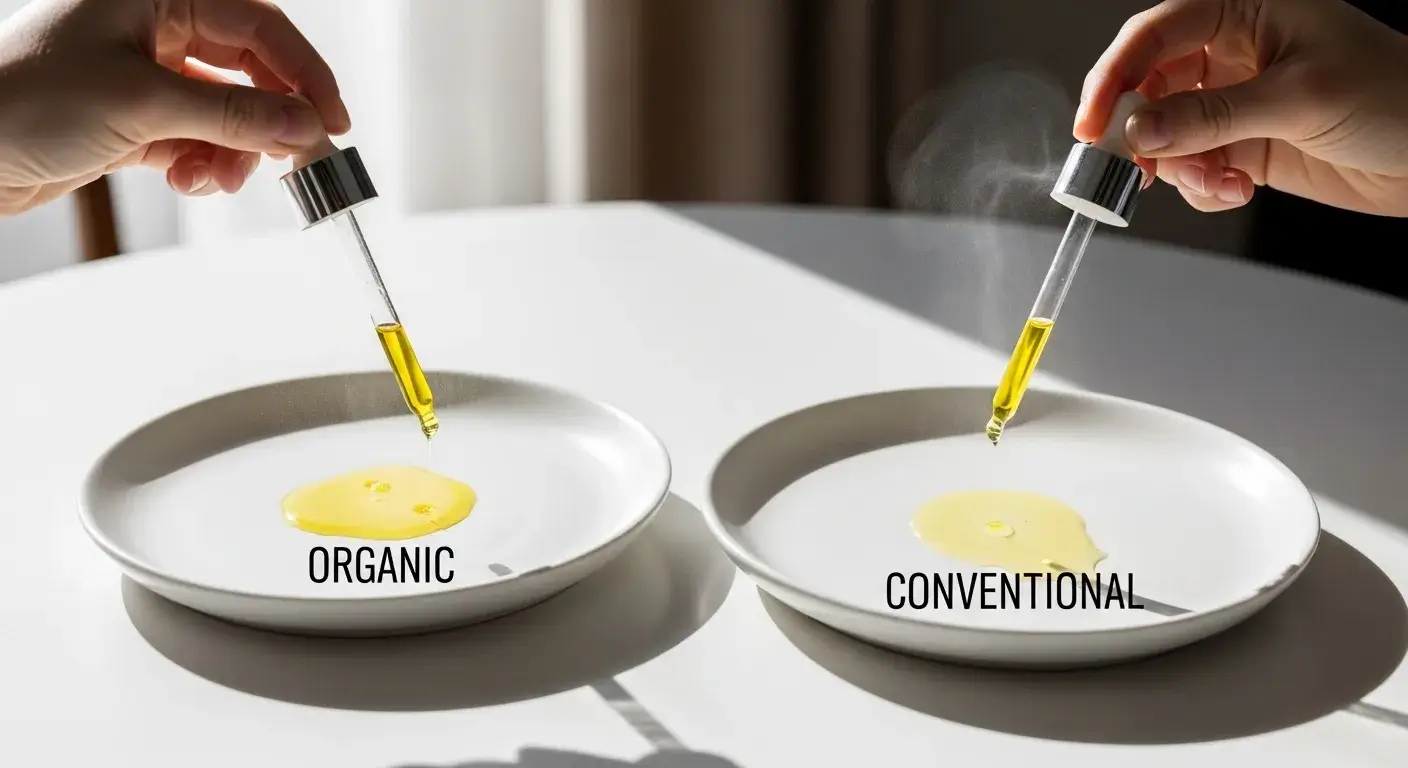
While research continues, consumer reviews often describe organic oils as richer in aroma and effect.
What Environmental Benefits Come from Organic Production?
Is it eco‑friendly to choose organic?
Yes. Organic farming reduces pesticide use, supports soil health, conserves biodiversity, and lowers ecosystem pollution8.

It also supports ethical sourcing and fair trade practices—another reason eco‑minded buyers choose organic.
How Should You Use Organic Essential Oils Safely?
Extra purity doesn’t mean you can skip precautions.
Always dilute essential oils in carriers, patch test before topical use9, avoid ingestion unless advised, and store them properly.
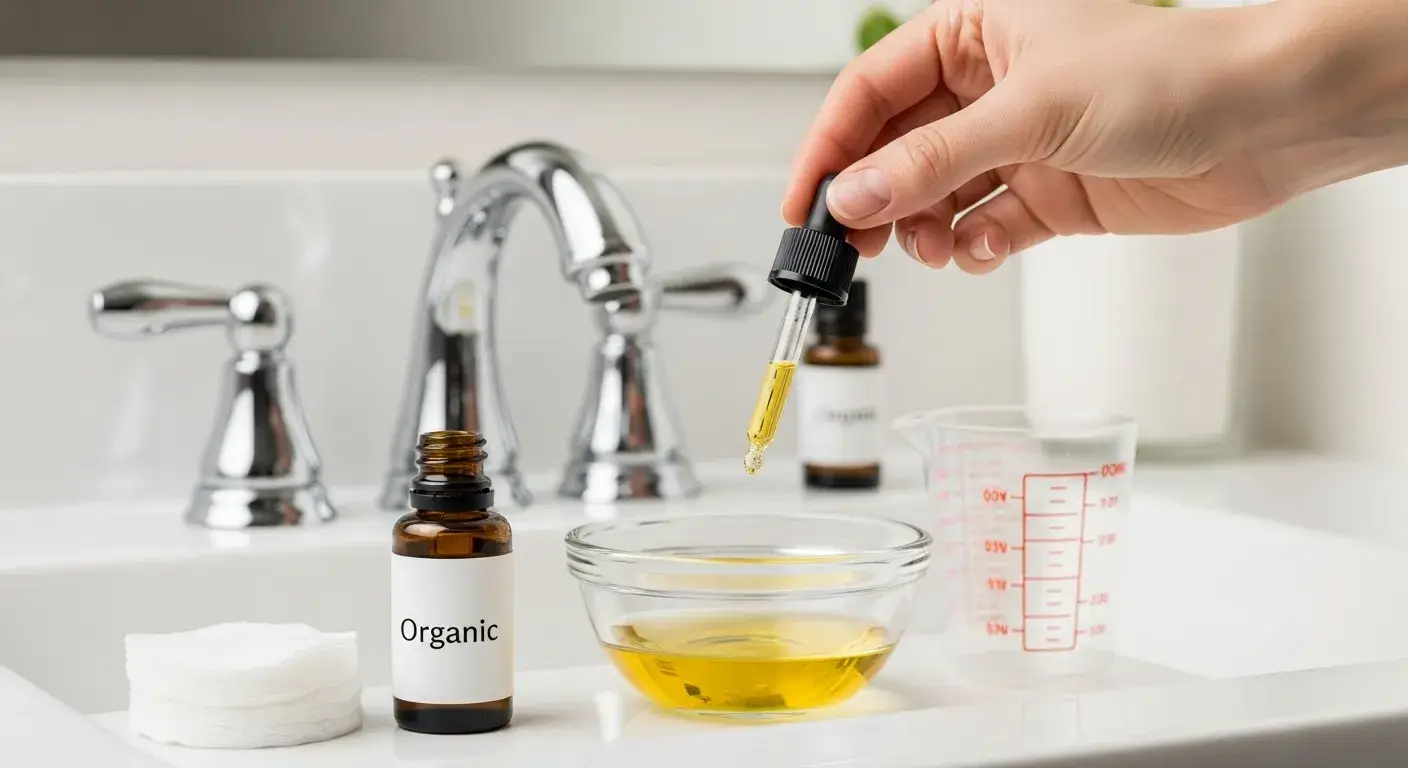
Even organic oils can irritate skin or upset internal systems if misused—safety matters.
What Are Some Popular Organic Essential Oils and Their Uses?
Which ones are worth buying?
Common favorites include lavender (relaxation, skincare), peppermint (cooling, focus), tea tree (antimicrobial), lemon (cleansing), and frankincense (grounding).
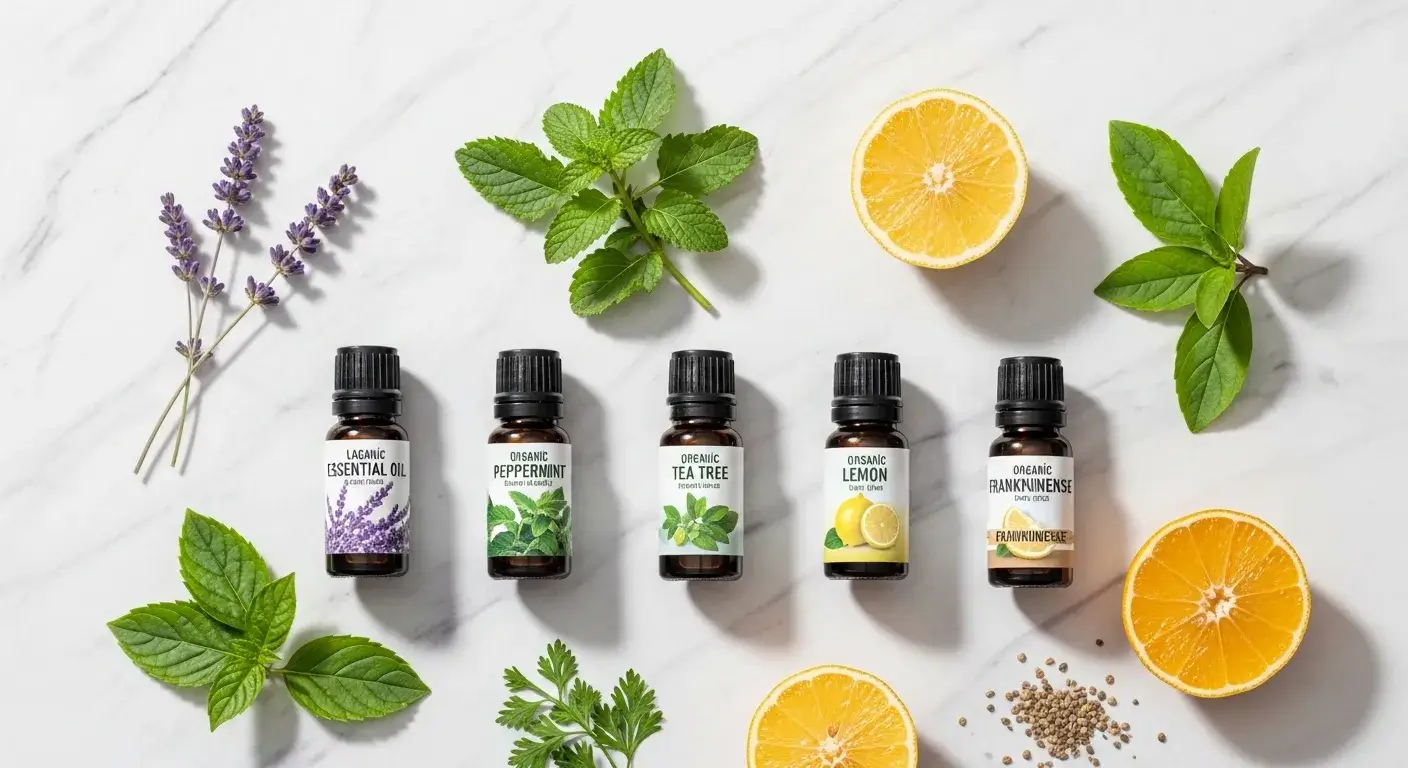
These oils have universal appeal for aromatherapy, skincare, and wellness routines10.
Is It Worth Paying More for Organic Essential Oils?
They cost more—why buy them?
Organic oils typically cost 20–70% more due to farming and certification costs—but the investment buys greater purity, transparency, and eco integrity11.
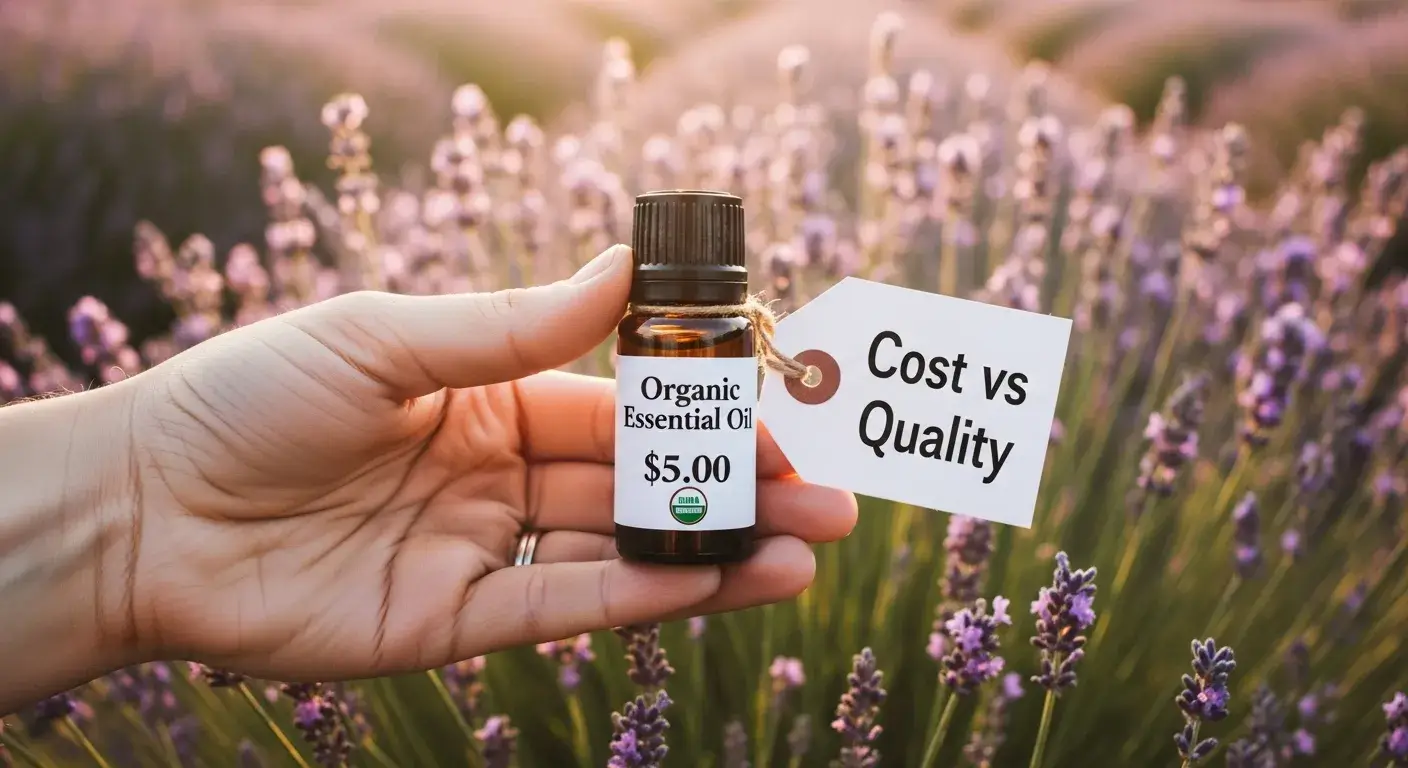
For daily users or those with sensitivities, the benefits often outweigh the price difference.
Conclusion
Organic essential oils are a purer, more potent, and eco‑friendly choice compared to non‑organic options. Certification ensures quality. Use them safely, and the extra cost is well justified.
FAQ
Q: Do organic essential oils smell better?
A: Many users say organic oils have a clearer, fuller aroma due to richer compound profiles12.
Q: Are organic oils always pesticide‑free?
A: They limit synthetic use, but may involve approved natural pest control13. Certification ensures low residue.
Q: Can conventional oils be just as effective?
A: Yes—high-quality non‑organic oils can have similar therapeutic effects14 if sourced and tested responsibly.
Q: How do I verify authenticity?
A: Look for reputable certification logos and GC‑MS reports15.
Q: Are organic oils safer for kids and pets?
A: Generally yes, since they lack pesticide residues—but always dilute and consult professionals16 for sensitive use.
Footnotes:
-
Organic oils are tracked and tested from soil to bottle ↩
-
Certified standards guarantee clean cultivation and production practices ↩
-
Higher active compound levels enhance therapeutic value ↩
-
Lack of synthetic residues makes them safer for topical or aromatic use ↩
-
Certification seals ensure product quality and farming ethics ↩
-
Healthy soil produces healthier, more aromatic plants ↩
-
Richer chemistry can increase effectiveness in aromatherapy ↩
-
Organic farming methods support eco-health and reduce pollution ↩
-
Even natural oils can irritate—patch testing prevents adverse reactions ↩
-
Versatile uses make these top choices in wellness routines ↩
-
Premium cost reflects cleaner sourcing and safety assurance ↩
-
Users report stronger, purer scents from organic essential oils ↩
-
Certified organic farming allows only low-impact natural treatments ↩
-
Properly sourced conventional oils can still be high quality ↩
-
Trustworthy brands offer test reports and verified sourcing ↩
-
Essential oil safety for sensitive groups requires extra caution ↩