

Flash point confuses many fragrance oil buyers. Misunderstanding this number leads to safety issues, shipping problems, and wasted product. I will explain exactly what flash point means and how it affects your business decisions.
Flash point is the lowest temperature at which fragrance oil vapors can ignite when exposed to an open flame or spark. It is measured using ASTM D-93 closed-cup testing1. This safety metric determines shipping classification, storage requirements, and application suitability for candles, soaps, and diffusers.
In this guide, I cover flash point definitions, safety implications, and practical applications. You will learn how to choose the right fragrance oils based on flash point requirements.
What Exactly Is Flash Point in Fragrance Oils?
Many buyers confuse flash point with boiling point or evaporation temperature. This confusion causes formulation mistakes and safety concerns. Let me clarify the actual definition and science behind flash point.
Flash point is the minimum temperature where fragrance oil vapors ignite briefly when exposed to an ignition source under laboratory conditions. It measures flammability risk, not scent degradation. Testing follows ASTM D-93 closed-cup methods for consistent, comparable results.
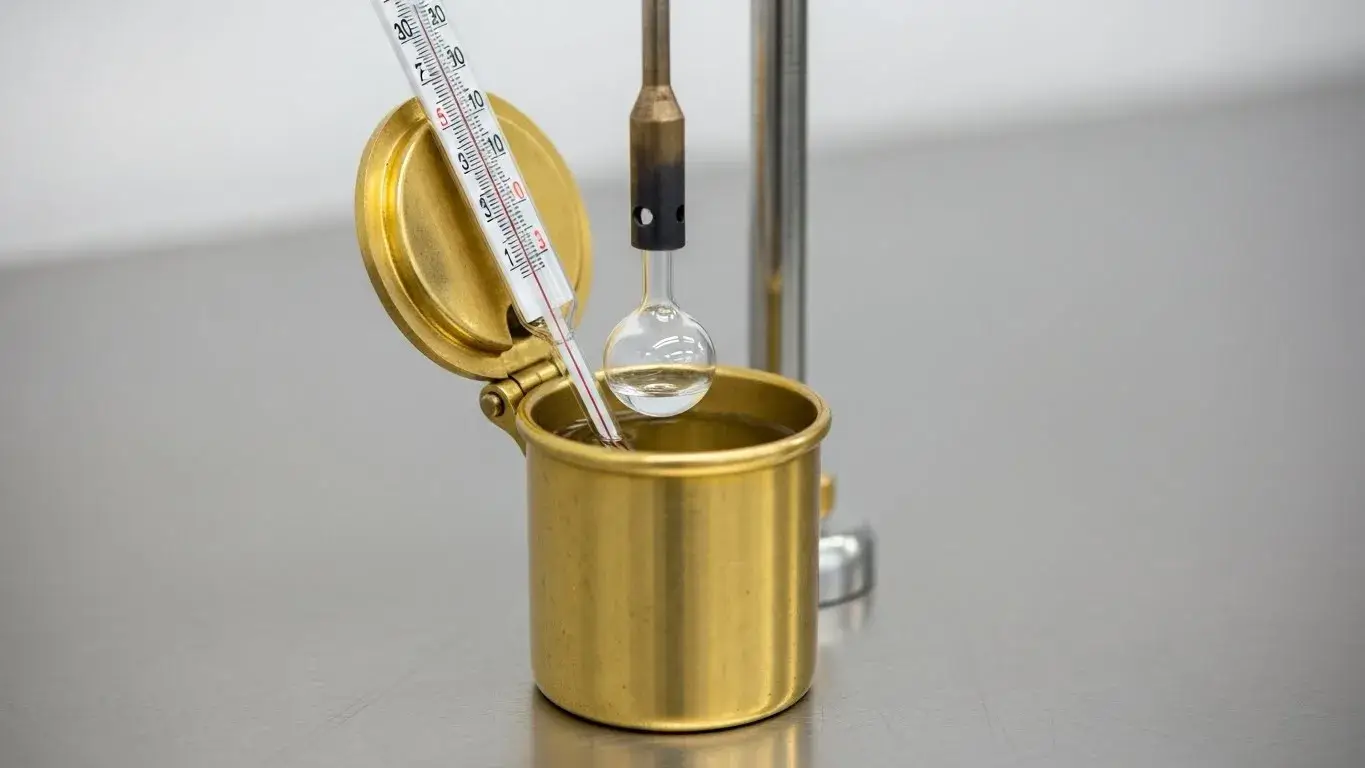
The Science Behind Flash Point
Flash point measures vapor flammability. When you heat a fragrance oil, some molecules evaporate into the air above the liquid. These vapors can catch fire if they reach a certain concentration and meet an ignition source.
The flash point tells you the temperature where this ignition becomes possible. It is NOT the temperature where the oil itself catches fire. It is NOT the temperature where the scent burns off. These are common misconceptions.
Here is what actually happens at flash point:
- The oil reaches a specific temperature
- Enough vapors accumulate above the liquid surface
- An external ignition source (flame, spark) contacts the vapors
- The vapors flash briefly then extinguish
- The liquid itself does NOT sustain combustion
Flash Point vs Other Temperature Metrics
| Temperature Metric | What It Measures | Relevance to Fragrance Oils |
|---|---|---|
| Flash Point | Vapor ignition risk | Safety, shipping, storage |
| Fire Point | Sustained combustion | Less relevant for FOs |
| Boiling Point | Liquid-to-gas conversion | Evaporation rate |
| Smoke Point | Visible decomposition | Not applicable to FOs |
Understanding these differences prevents costly mistakes. Flash point is primarily a safety and logistics metric, not a performance indicator.
How Testing Works
Laboratory technicians use the ASTM D-93 closed-cup method. They heat the fragrance oil sample in a small closed container. At regular intervals, they briefly open the cup and introduce a small flame. The temperature at which the vapors ignite is recorded as the flash point.
This standardized method ensures all suppliers report comparable numbers. When you see flash point on a Safety Data Sheet (SDS)2, it should follow this protocol.
Why Is Flash Point Important for Safety and Shipping?
Flash point determines how you must handle, store, and ship fragrance oils. Ignoring these requirements creates legal liability and safety hazards. I will explain the practical implications for your business.
Flash point below 141°F (60.5°C) classifies fragrance oil as hazardous material for shipping under DOT regulations. This classification increases shipping costs by approximately 30%. Low flash point oils also require special storage conditions and handling procedures.
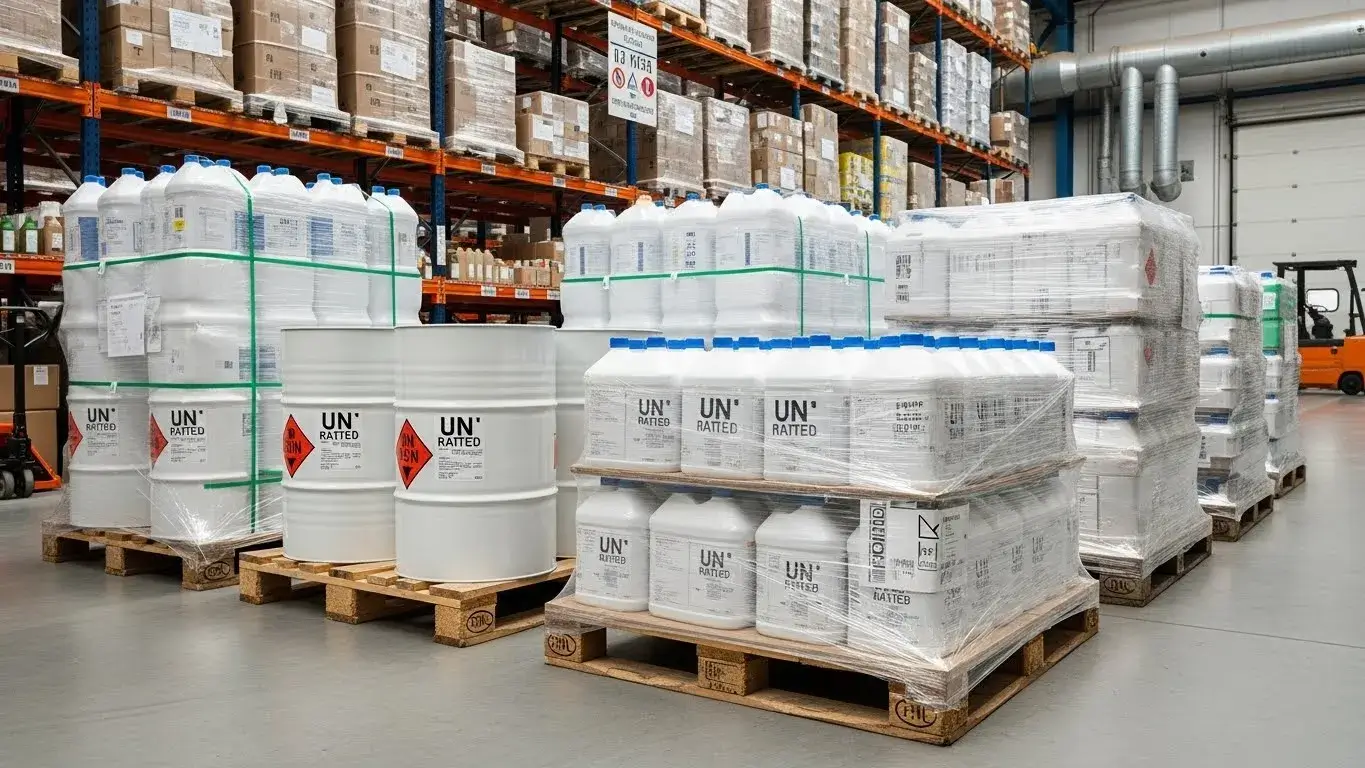
DOT Shipping Classifications
The Department of Transportation (DOT)3 uses flash point to classify liquid flammability:
| Flash Point Range | DOT Classification | Shipping Impact |
|---|---|---|
| Below 100°F (38°C) | Flammable Liquid (Class 3) | Full hazmat requirements |
| 100-141°F (38-60.5°C) | Combustible Liquid | Partial hazmat requirements |
| Above 141°F (60.5°C) | Non-regulated | Standard shipping |
Approximately 70% of commercial fragrance oils have flash points above 141°F. This makes them non-regulated for ground shipping. The remaining 30% require hazmat handling, adding significant cost.
Storage Safety Requirements
Low flash point fragrance oils require specific storage conditions:
- Flammable storage cabinets (under 100°F flash point)
- Temperature-controlled environments
- Distance from ignition sources
- Proper ventilation
- Fire suppression systems nearby
High flash point oils (above 141°F) can be stored in standard warehouse conditions. This reduces infrastructure costs for businesses handling large inventories.
Insurance and Liability Considerations
Your business insurance may require flash point documentation. Insurers assess fire risk based on stored materials. Low flash point inventory increases premiums. Proper classification and storage procedures demonstrate risk management to underwriters.
"Flash point is primarily a shipping and safety metric. It determines how you transport and store fragrance oils, not how they perform in your products."
How Does Flash Point Affect Candle and Soap Making?
Crafters worry about adding fragrance oils at temperatures above flash point. This concern is mostly unfounded. I will explain what actually matters for candle and soap production.
Adding fragrance oil at 185°F (85°C) is safe despite many oils having lower flash points. No ignition occurs without an open flame source. Brief heating above flash point causes minimal scent loss (10-20% of volatile compounds). Gel candles are the exception, requiring flash points above 170°F.

The "Burn Off" Myth Explained
Many crafters believe heating above flash point "burns off" the scent. This is incorrect. Flash point is about ignition, not evaporation. Here is what actually happens:
At flash point temperature:
- Vapors CAN ignite with external flame
- Vapors DO evaporate faster than at lower temps
- The liquid DOES NOT combust spontaneously
- The scent DOES NOT disappear instantly
Some volatile top notes evaporate more quickly at higher temperatures. This is normal evaporation, not combustion. Stirring well after adding fragrance oil helps incorporate scent molecules before excessive evaporation.
Recommended Addition Temperatures by Application
| Application | Typical Add Temp | Flash Point Consideration |
|---|---|---|
| Container Candles (Soy) | 180-185°F | Safe below most flash points |
| Container Candles (Paraffin) | 175-180°F | Safe below most flash points |
| Pillar Candles | 160-170°F | Lower temp reduces evaporation |
| Gel Candles | Below oil flash point | CRITICAL – must use >170°F FOs |
| Cold Process Soap | 100-130°F | Low flash accelerates trace |
| Melt & Pour Soap | 130-150°F | Minimal flash point concern |
Special Consideration: Gel Candles
Gel candles are the exception where flash point directly affects safety. Gel wax burns at higher temperatures than paraffin or soy. Using low flash point fragrance oils in gel creates genuine fire hazard.
For gel candles, always choose fragrance oils with flash points above 170°F (77°C). Check supplier documentation carefully. Many standard fragrance oils do not meet this requirement. The National Candle Association4 provides additional safety guidance for candle manufacturers.
What Are Typical Flash Point Ranges for Common Fragrance Oils?
Different scent categories have characteristic flash point ranges. Understanding these patterns helps you anticipate requirements before ordering. I will share the typical ranges by fragrance family.
Citrus and herbal fragrance oils typically have low flash points (120-150°F). Floral and gourmand oils fall in the middle range (150-180°F). Woody and resinous oils have the highest flash points (180-210°F). Essential oils average 10-20°F lower than synthetic fragrance oils.
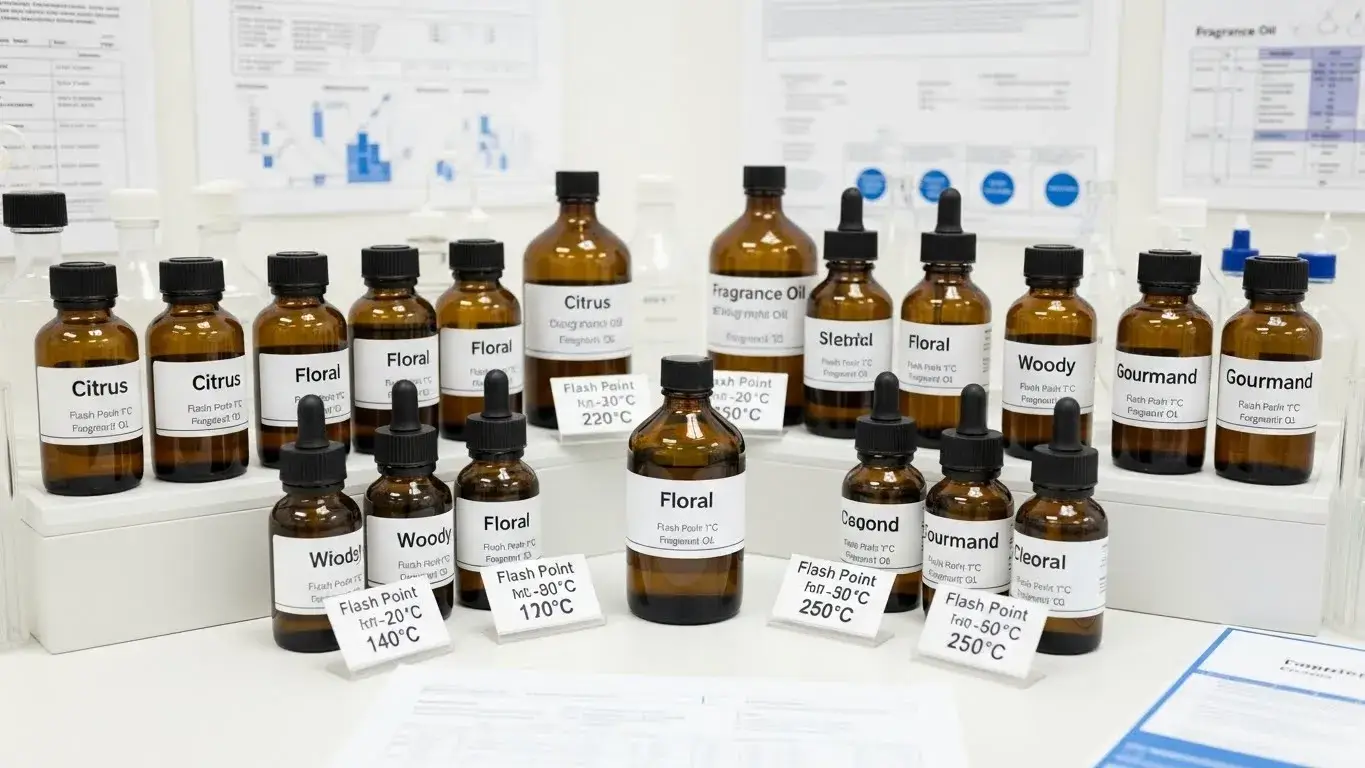
Flash Point Ranges by Fragrance Family
| Fragrance Family | Typical Flash Point Range | Notes |
|---|---|---|
| Citrus | 120-150°F (49-66°C) | Volatile compounds, often hazmat |
| Herbal/Green | 125-155°F (52-68°C) | Mint, eucalyptus at low end |
| Fresh/Ozonic | 140-170°F (60-77°C) | Synthetic freshness components |
| Floral | 150-180°F (66-82°C) | Rose, jasmine mid-range |
| Gourmand | 155-185°F (68-85°C) | Vanilla, caramel higher |
| Spicy | 160-190°F (71-88°C) | Cinnamon, clove moderate |
| Woody | 175-210°F (79-99°C) | Sandalwood, cedar high |
| Resinous | 180-210°F (82-99°C) | Benzoin, amber highest |
Why Categories Differ
Flash point correlates with molecular weight and volatility. Light, small molecules evaporate easily and have lower flash points. Heavy, large molecules evaporate slowly and have higher flash points.
Citrus oils contain many light terpene molecules5. These evaporate quickly, creating vapor concentrations at lower temperatures. Woody and resinous oils contain heavier molecules that require more heat to vaporize.
Essential Oils vs Fragrance Oils
Essential oils typically have flash points 10-20°F lower than synthetic fragrance oils with similar scent profiles:
| Comparison | Essential Oil | Fragrance Oil |
|---|---|---|
| Orange | ~115°F | ~135°F |
| Lavender | ~135°F | ~155°F |
| Peppermint | ~130°F | ~150°F |
| Sandalwood | ~175°F | ~195°F |
This difference exists because essential oils are pure plant extracts. Fragrance oils often include heavier synthetic fixatives that raise the overall flash point.
What Regulations Govern Flash Points in the Fragrance Industry?
Multiple regulatory frameworks address flash point requirements. Compliance matters for shipping, workplace safety, and product claims. I will explain the key regulations affecting fragrance oil buyers.
DOT 49 CFR governs shipping classification based on flash point thresholds. IFRA standards include flash point considerations for diffuser safety. EU CLP regulations align with GHS for hazard labeling. OSHA requires flash point documentation for workplace safety programs.

Key Regulatory Frameworks
| Regulation | Scope | Flash Point Relevance |
|---|---|---|
| DOT 49 CFR | US shipping | Hazmat classification thresholds |
| IFRA Standards | Global fragrance safety | Diffuser temperature limits |
| EU CLP | European markets | GHS-aligned hazard labeling |
| OSHA | US workplaces | SDS requirements, storage rules |
| GHS | International | Standardized hazard communication |
DOT Shipping Requirements in Detail
The Department of Transportation requires specific documentation and handling for low flash point materials:
Below 100°F Flash Point:
- Full hazmat shipping documentation
- UN-rated packaging required
- Hazmat-certified carriers only
- Diamond placards on vehicles
- Driver certification required
100-141°F Flash Point:
- Limited quantity exceptions possible
- Combustible liquid labeling
- Standard carriers with notification
- Reduced paperwork burden
Above 141°F Flash Point:
- Standard shipping procedures
- No special documentation
- Any carrier acceptable
- Minimal regulatory burden
IFRA and Product Safety
The International Fragrance Association (IFRA)6 includes flash point guidance in safety standards. For diffuser applications, IFRA recommends fragrance oils with flash points above 60°C (140°F) to prevent ignition during heating.
The 2025 IFRA updates strengthen these recommendations. Products marketed as "diffuser safe" increasingly require documented flash point compliance.
How Do You Choose Fragrance Oils Based on Flash Point?
Flash point should factor into your purchasing decisions. Different applications have different requirements. I will explain how to match flash point to your specific needs.
For general candle making, flash points above 141°F simplify shipping and storage. For gel candles, require flash points above 170°F for safety. For cold process soap, low flash points (under 150°F) accelerate trace. Always verify flash point via supplier SDS documentation.
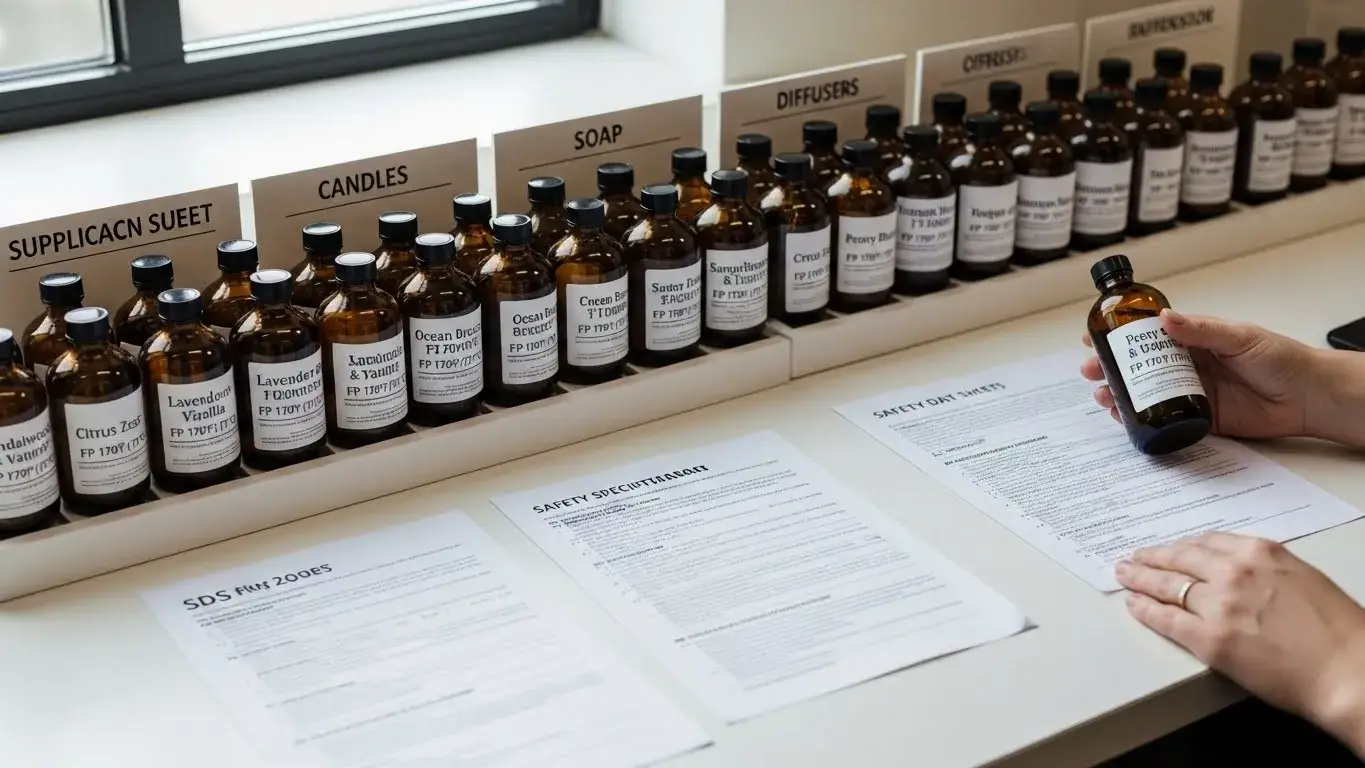
Application-Based Selection Guide
| Application | Minimum Flash Point | Ideal Flash Point | Why |
|---|---|---|---|
| Container Candles | No minimum | >141°F | Shipping convenience |
| Gel Candles | >170°F (critical) | >180°F | Safety requirement |
| Pillar Candles | No minimum | >141°F | Shipping convenience |
| Cold Process Soap | No minimum | <150°F | Faster trace |
| Melt & Pour Soap | No minimum | Any | Minimal impact |
| Reed Diffusers | >140°F recommended | >150°F | IFRA compliance |
| Electric Diffusers | >140°F recommended | >150°F | Heat safety |
Questions to Ask Suppliers
When sourcing fragrance oils, request this flash point information:
- What is the tested flash point? Get the specific number, not a range.
- What testing method was used? ASTM D-93 is the standard.
- Is the SDS current? Flash points can change with reformulations.
- Is hazmat shipping required? Confirm classification directly.
- What are your storage recommendations? Match to your facilities.
Cost Considerations
Low flash point fragrance oils often cost more to ship. This hidden cost affects your total landed price:
- Hazmat shipping adds $20-50 per package
- Minimum order quantities may be higher
- Fewer carrier options reduce competition
- Storage requirements add overhead
When comparing suppliers, factor in these logistics costs. A lower per-pound price may not be cheaper after shipping.
What Are OSHA Requirements for Flash Point Documentation?
Workplace safety regulations require proper handling and documentation of flammable materials. Understanding OSHA requirements7 helps you maintain compliance and protect employees.
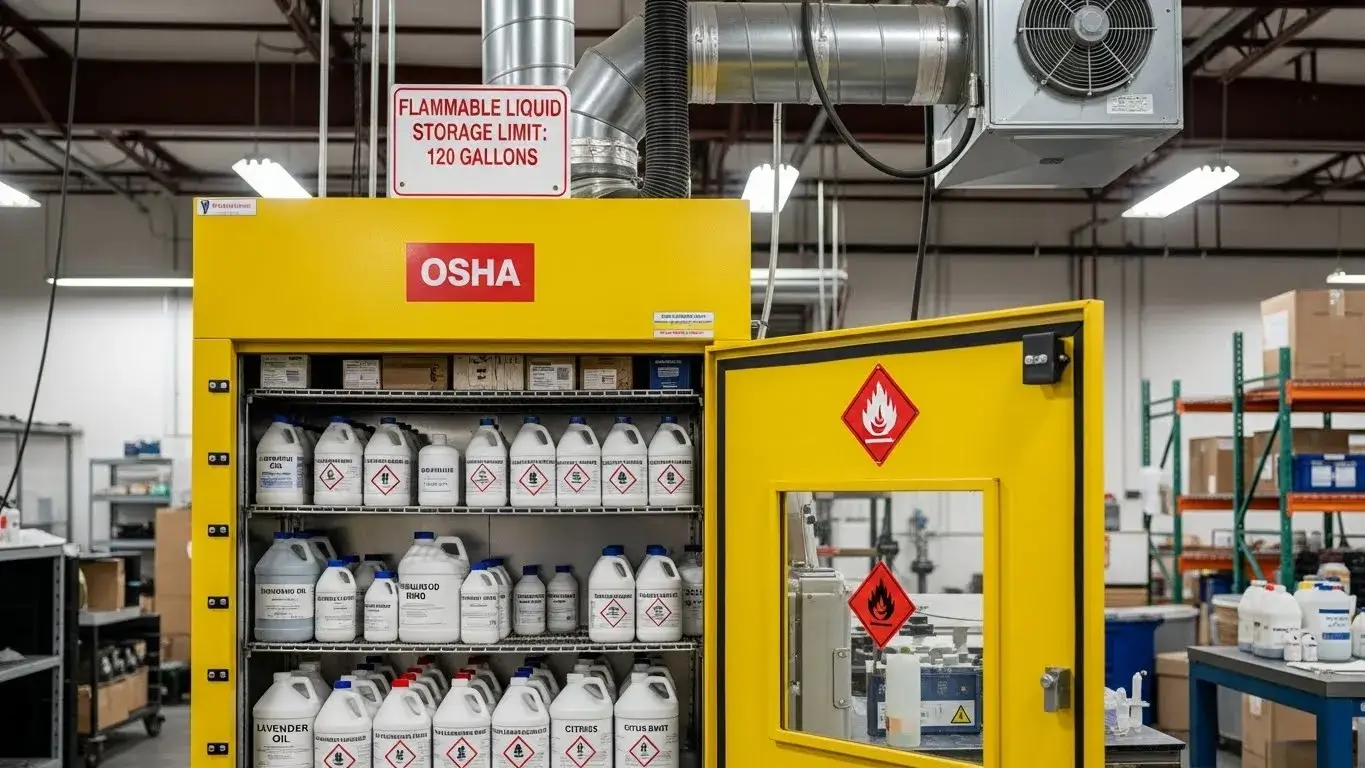
OSHA 29 CFR 1910.106 establishes storage limits, cabinet requirements, and ventilation standards for flammable liquids in the workplace. Facilities must maintain current SDS documentation and train employees on proper handling procedures.
Storage Compliance Basics
| Storage Method | Flammable Liquid Limit | Requirements |
|---|---|---|
| Open storage | 25 gallons max | Outside approved cabinet |
| Safety cabinet | 60 gallons max per cabinet | Maximum 3 cabinets per area |
| Storage room | Varies by construction | Fire-rated walls, ventilation required |
What Is the Globally Harmonized System (GHS)?
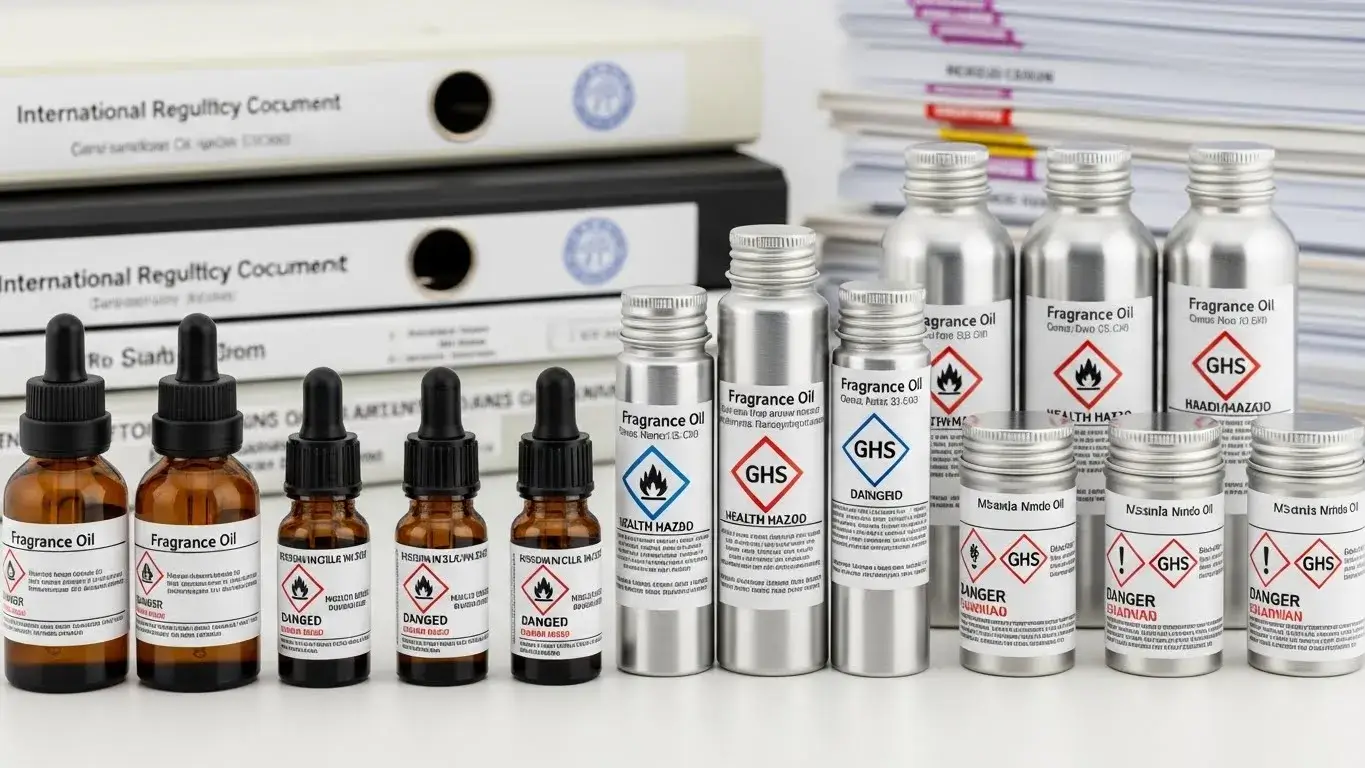
The Globally Harmonized System8 standardizes hazard classification and labeling across international markets. Understanding GHS helps you interpret supplier documentation and ensure compliance for export markets.
GHS provides uniform criteria for classifying flammable liquids based on flash point. The system uses standardized pictograms, signal words, and hazard statements that appear on product labels and Safety Data Sheets worldwide.
Conclusion
Flash point measures vapor ignition temperature for safety and shipping classification. It minimally affects scent performance in most applications.
-
ASTM D93 provides standardized test methods for flash point determination using the Pensky-Martens closed cup tester, ensuring consistent and comparable results across suppliers and laboratories. ↩
-
OSHA’s Hazard Communication Standard requires Safety Data Sheets (SDS) to include flash point information in a standardized 16-section format, enabling workers to understand chemical hazards. ↩
-
49 CFR 173.120 defines the official DOT classification thresholds for flammable and combustible liquids based on flash point, determining shipping requirements and packaging specifications. ↩
-
The National Candle Association provides industry-standard safety guidelines for candle manufacturing, including recommendations for fragrance oil selection based on flash point. ↩
-
Limonene is a cyclic monoterpene that comprises the major component of citrus essential oils, explaining why citrus fragrances typically have lower flash points due to their volatile molecular structure. ↩
-
IFRA (International Fragrance Association) establishes global safety standards for fragrance ingredients, including guidance on flash point requirements for various product applications. ↩
-
OSHA 29 CFR 1910.106 establishes comprehensive workplace safety requirements for the storage, handling, and use of flammable and combustible liquids. ↩
-
The UN Globally Harmonized System (GHS) provides internationally standardized criteria for hazard classification and communication, including flammable liquid categories based on flash point ranges. ↩