
Choosing the wrong evening primrose oil can waste your money and leave you disappointed with results.
Evening primrose oil comes in three main types: standard 9% GLA content (most common), high-potency 10% GLA (therapeutic grade), and custom blends with varying concentrations. Each type serves different applications in supplements, cosmetics, and pharmaceuticals based on potency needs.

After working with essential oils and botanical extracts for over a decade, I’ve seen countless clients confused about evening primrose oil types. The differences matter more than most people realize. Let me break down everything you need to know about choosing the right type for your specific needs.
What Makes Evening Primrose Oil Different from Other Oils?
Many people think all evening primrose oils are the same. This costly mistake leads to poor product performance.
Evening primrose oil is a carrier oil extracted from Oenothera biennis seeds, containing 8-10% gamma-linolenic acid (GLA). Unlike essential oils, it’s used directly on skin or in supplements for its anti-inflammatory and hormonal balancing properties.
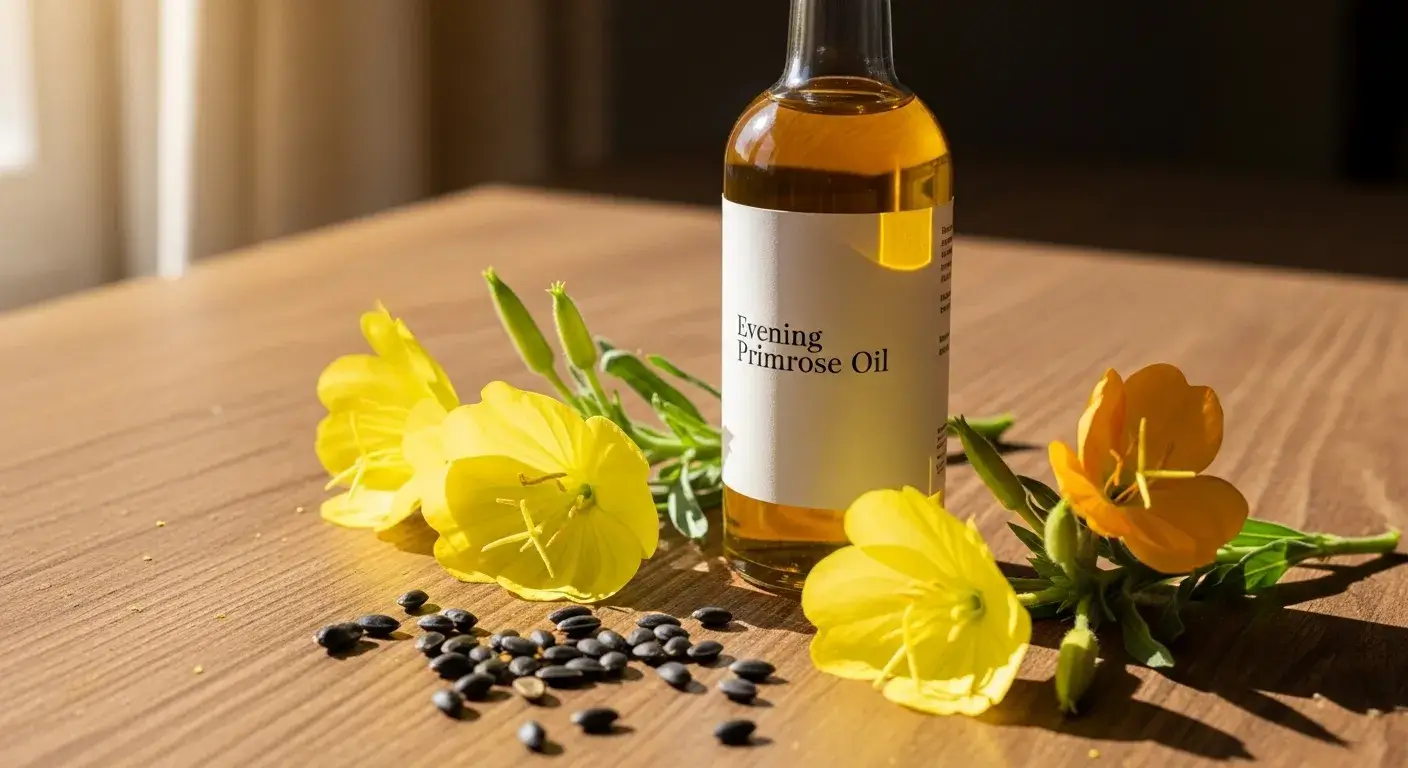
Understanding evening primrose oil starts with knowing what sets it apart from other botanical oils. I’ve worked with hundreds of different plant extracts, but EPO stands out for its unique fatty acid profile1. The oil comes from tiny seeds of the evening primrose plant, which blooms at night – hence the name.
Key Components That Matter
The magic happens in the oil’s composition. Here’s what makes EPO special:
| Component | Percentage | Function |
|---|---|---|
| Linoleic Acid | 65-75% | Skin barrier support |
| Gamma-Linolenic Acid (GLA) | 8-10% | Anti-inflammatory |
| Oleic Acid | 8-12% | Penetration enhancer |
| Palmitic Acid | 6-8% | Stability |
Why GLA Content Determines Everything
GLA is the star player in evening primrose oil. Most oils don’t contain this omega-6 fatty acid2 naturally. When I evaluate EPO for clients, GLA percentage is the first thing I check. Higher GLA means stronger anti-inflammatory effects. Lower GLA works fine for basic moisturizing but won’t deliver therapeutic benefits.
The extraction method also affects GLA retention. Cold-pressed oils3 preserve more GLA than solvent-extracted versions. However, cold-pressing costs more and yields less oil. This is why I always discuss budget and intended use with clients before recommending extraction methods.
How Do GLA Levels Affect Evening Primrose Oil Types?
Most suppliers don’t explain GLA differences clearly. This confusion costs manufacturers money and effectiveness.
EPO with 9% GLA dominates 60% of the market for general wellness, while 10% GLA holds 30% market share for therapeutic applications. Higher GLA content increases potency but also cost and stability challenges.
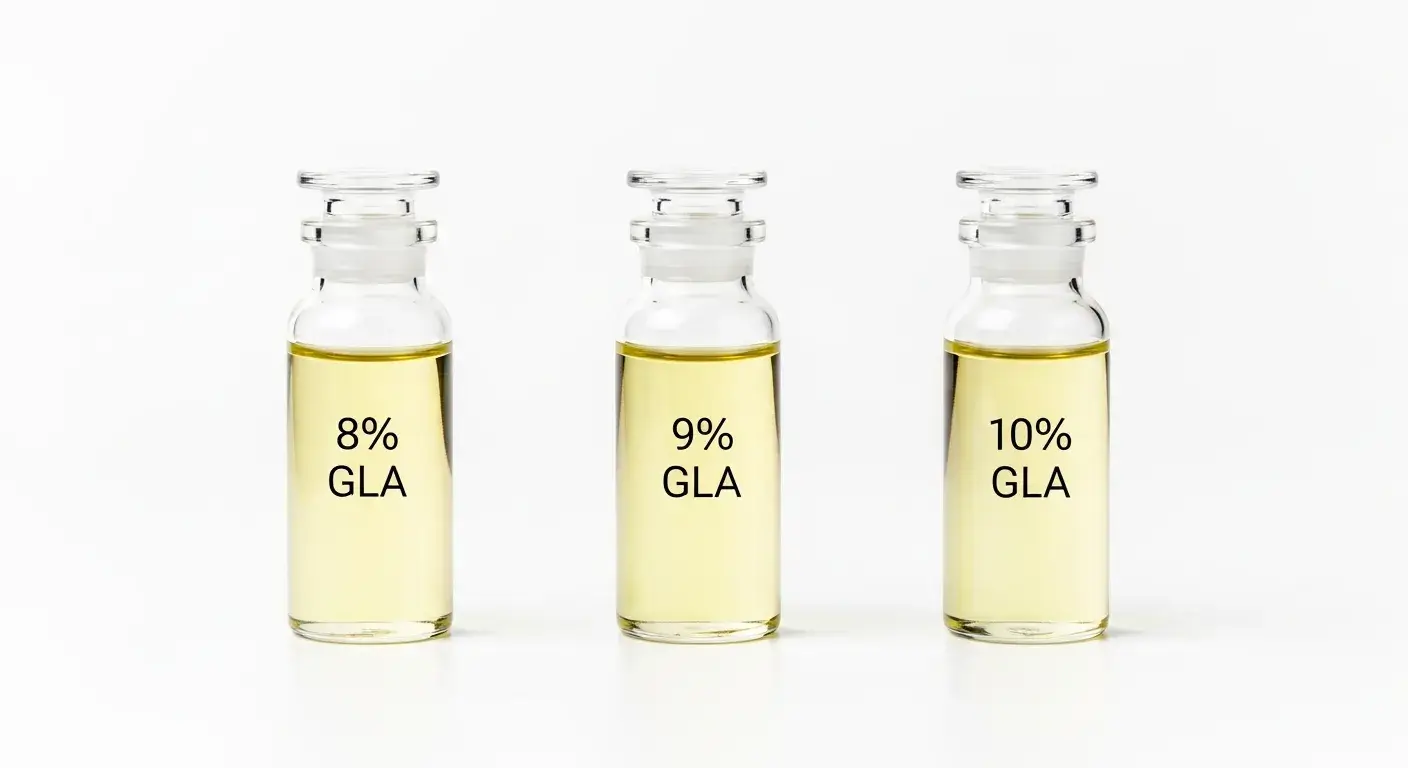
GLA concentration determines everything about how your evening primrose oil performs. I learned this the hard way when a cosmetic client complained about inconsistent results. Their supplier had been mixing different GLA grades without disclosure.
Standard 9% GLA Evening Primrose Oil
This is what most people encounter in stores. Standard EPO works well for basic applications like general skin care and mild hormonal support. The 9% GLA level provides enough bioactivity for everyday wellness without the premium price tag.
I recommend standard grade for:
- Daily supplement routines
- Basic skincare formulations
- Mass market products
- Cost-conscious applications
High-Potency 10% GLA Evening Primrose Oil
Premium EPO with 10% GLA costs more but delivers stronger effects. Pharmaceutical companies and therapeutic supplement brands prefer this grade. The extra 1% GLA might seem small, but it significantly impacts bioactivity.
Custom GLA Concentrations
Some applications need specific GLA levels. I’ve worked with clients who needed 8% GLA for sensitive skin formulations and others requiring 12% for research applications. Custom concentrations cost more and require minimum order quantities, but they solve specific formulation challenges.
Here’s how I evaluate GLA needs for different applications:
| Application | Recommended GLA | Reason |
|---|---|---|
| Basic skincare | 8-9% | Cost-effective, gentle |
| Anti-aging products | 9-10% | Better efficacy |
| Therapeutic supplements | 10%+ | Maximum potency |
| Sensitive formulations | 8% | Reduced irritation risk |
What Forms Does Evening Primrose Oil Come In?
Product form affects bioavailability and application success. Most people choose based on convenience instead of effectiveness.
Evening primrose oil is available as capsules (65% market share), softgels (30%), and liquid oil (5% supplements, higher in cosmetics). Each form offers different stability, absorption, and application benefits.
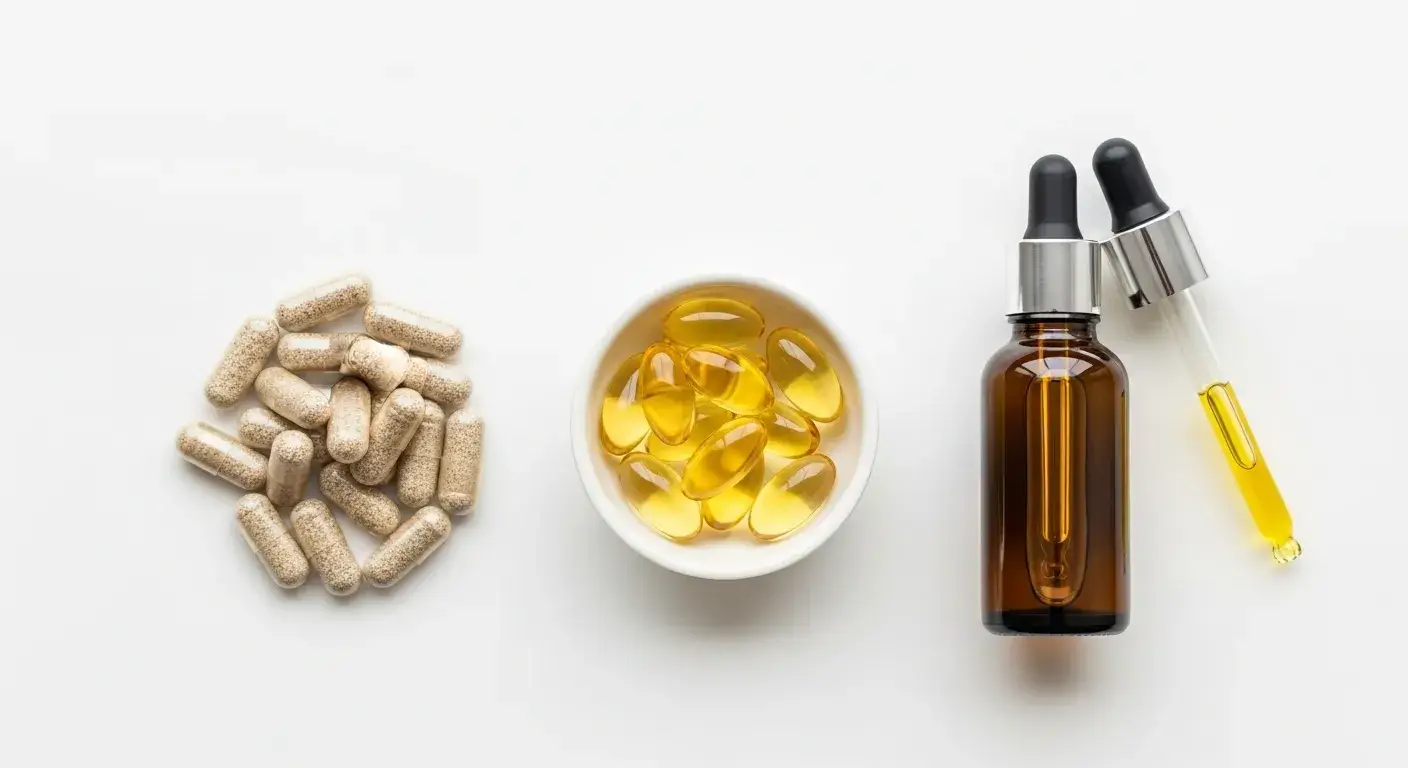
Form selection impacts everything from shelf life to consumer experience. I’ve seen great formulations fail because manufacturers chose the wrong delivery method. Let me share what I’ve learned about each option.
Capsules: The Supplement Standard
Hard capsules dominate the supplement market for good reasons. They’re stable, easy to dose, and consumer-friendly. Most capsules contain 500-1000mg of EPO with added vitamin E4 to prevent rancidity.
Advantages of capsules:
- Long shelf life (2-3 years)
- Precise dosing
- No taste issues
- Easy manufacturing
Disadvantages:
- Limited absorption compared to softgels
- Not suitable for topical use
- Higher manufacturing costs
Softgels: Premium Bioavailability
Softgels cost more to produce but offer better absorption. The gelatin shell protects the oil while improving bioavailability. I recommend softgels for therapeutic applications where maximum absorption matters.
Softgel considerations include:
- Better bioavailability than capsules
- Higher manufacturing complexity
- Premium pricing position
- Limited customization options
Liquid Oil: Versatility Champion
Pure EPO liquid offers maximum versatility. Cosmetic formulators love it for creams, serums, and treatments. However, liquid EPO oxidizes quickly5 without proper storage and stabilization.
Specialized Forms and Innovations
The market keeps evolving with new delivery methods. I’ve seen EPO in emulsions, nanoemulsions, and even powdered forms for specific applications. These specialized forms solve particular formulation challenges but require technical expertise to use effectively.
Which Industries Use Different Evening Primrose Oil Types?
Industry applications drive EPO type selection. Understanding these uses helps you choose the right specifications.
Dietary supplements use 65% of EPO production, cosmetics account for 25%, pharmaceuticals 8%, and emerging applications 2%. Each industry has specific quality requirements and preferred forms.
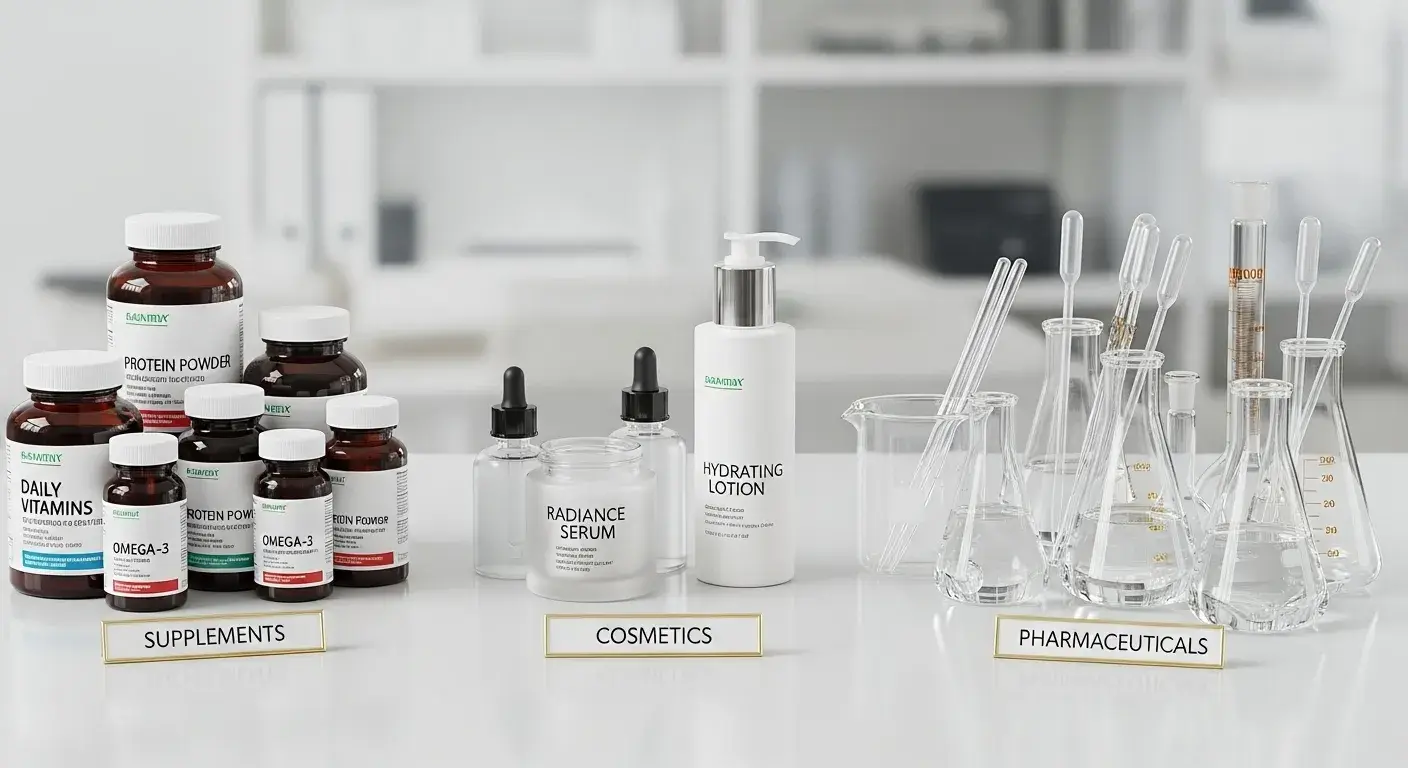
Different industries have evolved specific preferences for EPO types based on their unique needs. I work with companies across all these sectors, so I understand what drives their choices.
Dietary Supplement Industry Requirements
The supplement industry drives most EPO demand. Companies focus on cost-effectiveness while meeting label claims. Standard 9% GLA works for most applications, but premium brands often choose 10% GLA for marketing advantages.
Key supplement considerations:
- Regulatory compliance requirements
- Shelf stability for retail distribution
- Cost pressures from competition
- Consumer expectations for potency
Cosmetic and Personal Care Applications
Cosmetic formulators care more about skin feel and stability than exact GLA percentages. They often prefer liquid EPO for its versatility in formulations. However, the clean beauty trend6 is pushing demand toward organic, cold-pressed versions.
I’ve helped cosmetic clients with specific challenges:
- Anti-aging serums requiring high GLA
- Sensitive skin products needing gentler 8% GLA
- Hair care applications using EPO for scalp health
- Men’s grooming products incorporating EPO
Pharmaceutical and Nutraceutical Standards
Pharmaceutical applications demand the highest quality standards. These clients need full documentation, including certificates of analysis7, heavy metals testing, and microbial limits. They typically choose 10% GLA for maximum therapeutic potential.
Emerging Applications and Markets
New applications keep appearing for EPO. I’ve worked with clients developing EPO for pet care, functional foods, and even textile applications. These emerging markets often need custom formulations with specific properties.
How Do You Choose the Right Evening Primrose Oil Type?
Selection criteria go beyond price and availability. Making the right choice prevents costly reformulations later.
Choose EPO type based on intended application, target market, budget constraints, and quality requirements. Consider GLA content, extraction method, organic certification, and supplier reliability for optimal results.
After helping hundreds of clients select EPO, I’ve developed a systematic approach to choice. The right decision depends on multiple factors working together.
Application-Based Selection Guide
Start with your end application. This determines minimum quality requirements and optimal specifications.
For dietary supplements:
- Standard 9% GLA for basic wellness products
- 10% GLA for therapeutic positioning
- Capsules or softgels for consumer convenience
- Organic certification if targeting premium market
For cosmetic applications:
- Liquid oil for formulation flexibility
- Cold-pressed for clean beauty positioning
- 9-10% GLA depending on efficacy claims
- Stable supply chain for consistent production
For pharmaceutical use:
- 10% GLA minimum for therapeutic effects
- Full analytical documentation required
- GMP-certified supplier essential
- Batch-to-batch consistency critical
Quality Indicators That Matter
Not all EPO is created equal. I evaluate suppliers based on these quality markers:
| Quality Factor | Why It Matters | What to Look For |
|---|---|---|
| GLA content | Determines efficacy | Consistent 9-10% levels |
| Extraction method | Affects purity | Cold-pressed preferred |
| Storage conditions | Prevents rancidity | Nitrogen blanketing |
| Testing protocols | Ensures safety | Heavy metals, microbials |
| Certifications | Market access | Organic, GMP, ISO |
Understanding these factors helps you work with bulk suppliers who can meet your quality requirements consistently.
Working with Reliable Suppliers
Supplier selection affects everything from quality to delivery reliability. I always recommend vetting suppliers thoroughly before committing to large orders.
At PhytoEx, we maintain over 1000 tons of essential oils in inventory, including various EPO grades. Our GMP-certified facilities ensure consistent quality, while our technical team helps clients select optimal specifications for their applications. We provide complete documentation including COA, MSDS, and GC-MS reports for every batch.
The key is finding a supplier who understands your specific needs and can scale with your business growth.
Conclusion
Evening primrose oil types vary by GLA content, form, and quality standards. Choose based on your application needs, budget, and quality requirements for optimal results.
-
Learn about essential fatty acid composition and benefits for skin health ↩
-
Understand omega-6 fatty acids and their role in inflammation regulation ↩
-
Compare extraction methods and their impact on oil quality and potency ↩
-
Discover why vitamin E protects oils from oxidation and extends shelf life ↩
-
Learn proper storage methods to prevent oil rancidity and maintain quality ↩
-
Understand current cosmetic industry trends toward natural ingredients ↩
-
Review pharmaceutical quality documentation standards and testing requirements ↩