
Essential oils promise natural wellness solutions, but confusion about their true nature creates costly mistakes and safety risks for new users.
Essential oils are concentrated plant extracts containing volatile aromatic compounds, extracted through methods like steam distillation or cold-pressing. While they offer legitimate antimicrobial and mood-enhancing benefits, proper dilution and usage are critical to avoid irritation, allergic reactions, or toxicity—especially for children and pregnant individuals.
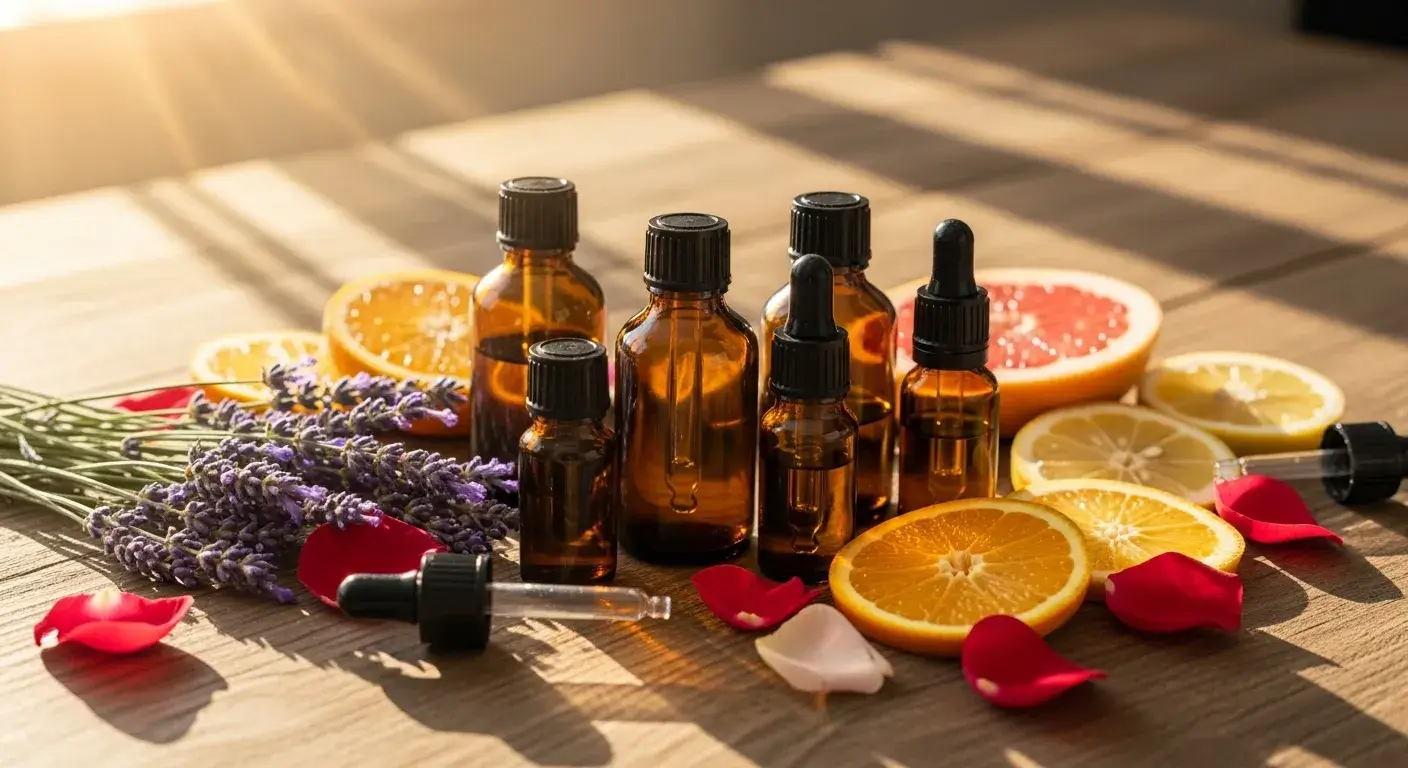
After working with essential oils for over a decade at PhytoEx, I’ve seen countless clients struggle with basic misconceptions about what these powerful plant extracts really are.
This comprehensive guide will clear up the confusion and help you understand essential oils from both scientific and practical perspectives.
Whether you’re a complete beginner or looking to deepen your knowledge, you’ll discover evidence-based insights that separate fact from marketing hype.
What Exactly Are Essential Oils and How Are They Made?
Many people assume essential oils are just fancy perfumes, but the extraction process reveals their true concentrated nature.
Essential oils are hydrophobic, volatile liquids extracted from plant materials through steam distillation, cold-pressing, or solvent methods.They contain concentrated aromatic compounds like terpenes and phenols, requiring massive amounts of raw material—often 250 pounds of lavender for just one pound of oil.

Understanding how essential oils are made helps explain why they’re so potent and expensive.
The term "essential" doesn’t mean they’re necessary for human health like vitamins.
Instead, it refers to the "essence" or characteristic fragrance of the plant.
The Science Behind Essential Oil Extraction
The most common extraction method is steam distillation.
We heat plant material with water, creating steam that carries the volatile compounds.
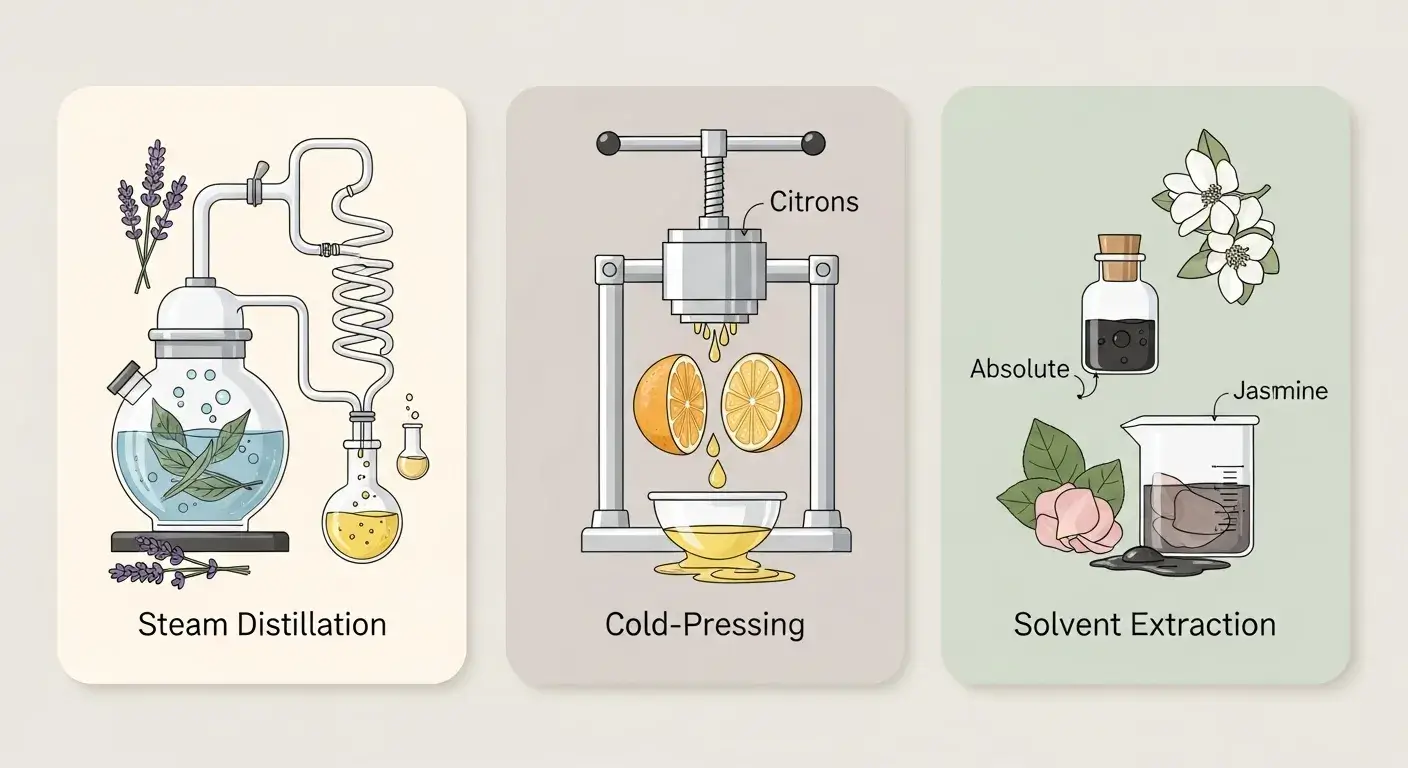
When this vapor cools, it separates into water and oil layers.
This process concentrates the plant’s aromatic molecules into a small volume of oil.
Cold-pressing works differently and is mainly used for citrus oils.
We mechanically press the peels to release oil-filled sacs without heat, preserving delicate compounds that would break down at high temperatures.
This method gives citrus oils their fresh, bright character.
Solvent extraction uses chemicals like hexane to pull aromatic compounds from delicate flowers like jasmine.
The result is called an "absolute" rather than an essential oil.
While effective, this method can leave trace residues.
For those interested in the detailed essential oils manufacturing process, modern GMP-certified facilities use sophisticated equipment to ensure purity and consistency across batches.
| Extraction Method | Best For | Temperature | Oil Quality | Common Examples |
|---|---|---|---|---|
| Steam Distillation | Leaves, stems, roots | High heat | Pure, no residues | Lavender, eucalyptus |
| Cold-Pressing | Citrus peels | Room temperature | Fresh, volatile | Orange, lemon, lime |
| Solvent Extraction | Delicate flowers | Variable | Concentrated, may have traces | Jasmine, rose absolute |
| CO2 Supercritical | Heat-sensitive plants | Low temperature | Very pure, eco-friendly | Frankincense, vanilla |
The massive plant-to-oil ratios explain why quality essential oils cost so much.
Rose oil requires about 1,000 to 2,000 pounds of petals for one pound of oil, depending on the variety and extraction method.
This concentration makes essential oils incredibly potent—often 50 to 100 times stronger than the original plant material.
What Are the Potential Health Benefits of Essential Oils?
Scientific research reveals both proven effects and overstated claims in the essential oils world.
Essential oils demonstrate legitimate antimicrobial properties, mood enhancement through the limbic system, and topical anti-inflammatory effects. However, most health claims come from small studies or lab research, not large-scale human trials, making them complementary rather than primary treatments.
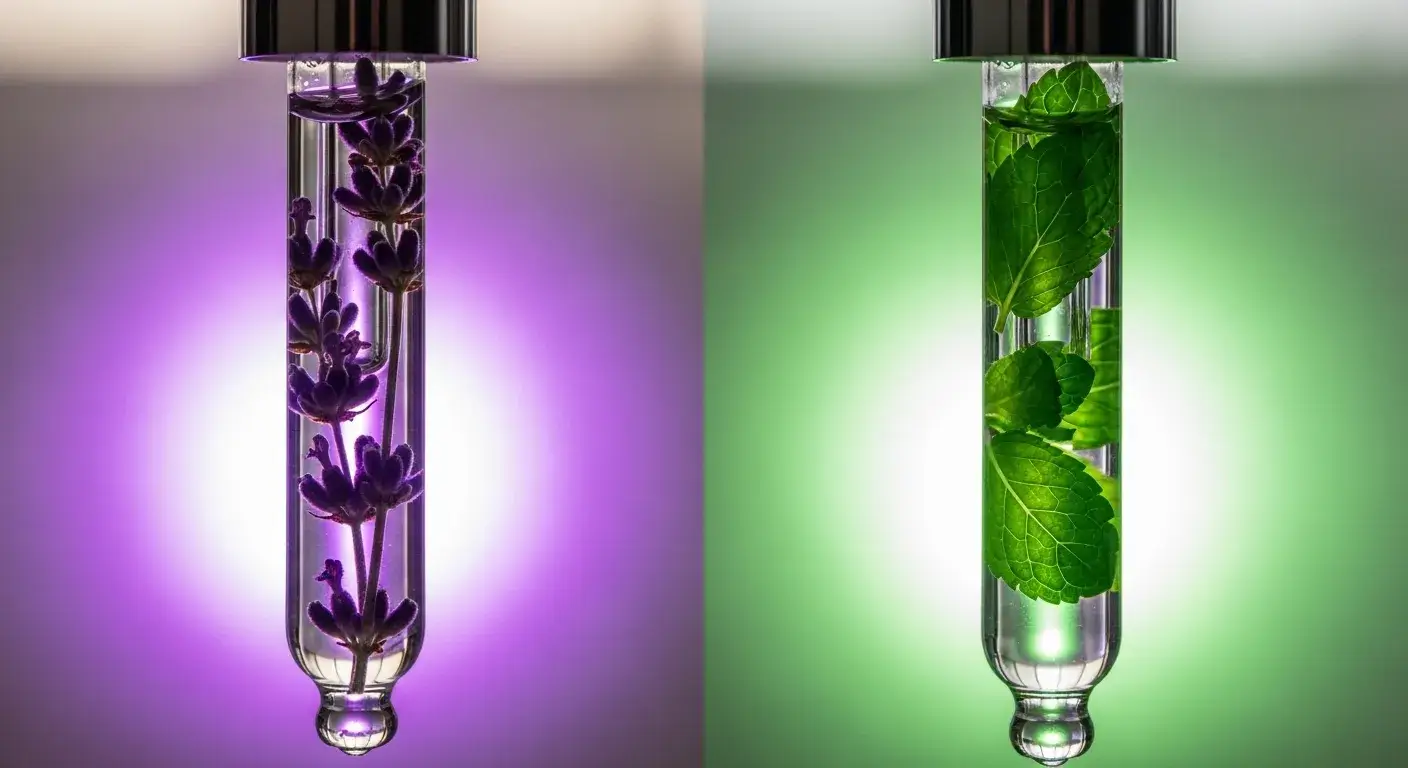
The benefits of essential oils fall into several evidence-based categories, though the strength of research varies significantly between different claims.
Proven Antimicrobial Effects
Laboratory studies consistently show that many essential oils kill bacteria, viruses, and fungi.
Tea tree oil effectively fights staph infections and fungal conditions.
Oregano oil demonstrates broad-spectrum antimicrobial activity.
Thyme oil shows promise against antibiotic-resistant bacteria.
These antimicrobial effects work through multiple mechanisms.
Essential oil compounds can disrupt bacterial cell walls, interfere with cellular processes, or create environments hostile to pathogen growth.
However, what works in a petri dish doesn’t always translate directly to human health applications.
Mood and Cognitive Effects
Aromatherapy influences mood through the olfactory system’s1 direct connection to the limbic brain.
When you inhale lavender, the aromatic molecules bind to receptors in your nasal cavity, sending signals directly to brain areas controlling emotion and memory.
Studies show inhaling peppermint oil can increase alertness and reduce fatigue.
Lavender aromatherapy demonstrates modest anxiety-reducing effects in clinical settings.
Orange oil inhalation may improve mood and reduce stress hormone levels.
Topical Anti-inflammatory Properties
Applied to skin in proper dilution, certain essential oils reduce inflammation and promote healing.
Chamomile oil contains compounds that inhibit inflammatory pathways.
Frankincense oil shows promise for reducing scar formation and supporting skin repair.
The key limitation is absorption.
Essential oil molecules are often too large to penetrate deeply into tissues, limiting their systemic effects.
Most benefits remain localized to the application area.
Current Research Limitations
| Benefit Category | Evidence Strength | Study Limitations | Clinical Reality |
|---|---|---|---|
| Antimicrobial | Strong in labs | Limited human trials | Good for topical use |
| Mood/Anxiety | Moderate | Small sample sizes | Helpful but not curative |
| Anti-inflammatory | Mixed | Mostly animal studies | Topical benefits only |
| Pain Relief | Weak | Conflicting results | Minimal clinical effect |
| Respiratory | Moderate | Short-term studies | Temporary symptom relief |
Recent preliminary research has suggested essential oils may have activity against certain bacterial strains in laboratory conditions, but these findings require extensive clinical validation before any medical applications can be recommended.
The global essential oils market growth to $49 billion by 2033 reflects consumer interest, but this popularity sometimes outpaces scientific validation.
Many claimed benefits need more rigorous human research before making definitive health statements.
How Can You Safely Use Essential Oils at Home?
Proper dilution and application methods prevent the majority of essential oil safety problems.
Always dilute essential oils to 1-5% concentration with carrier oils before skin contact, use 3-5 drops maximum in diffusers with proper ventilation, and never ingest oils without professional guidance. Patch testing and understanding individual sensitivities are crucial for safe home use.
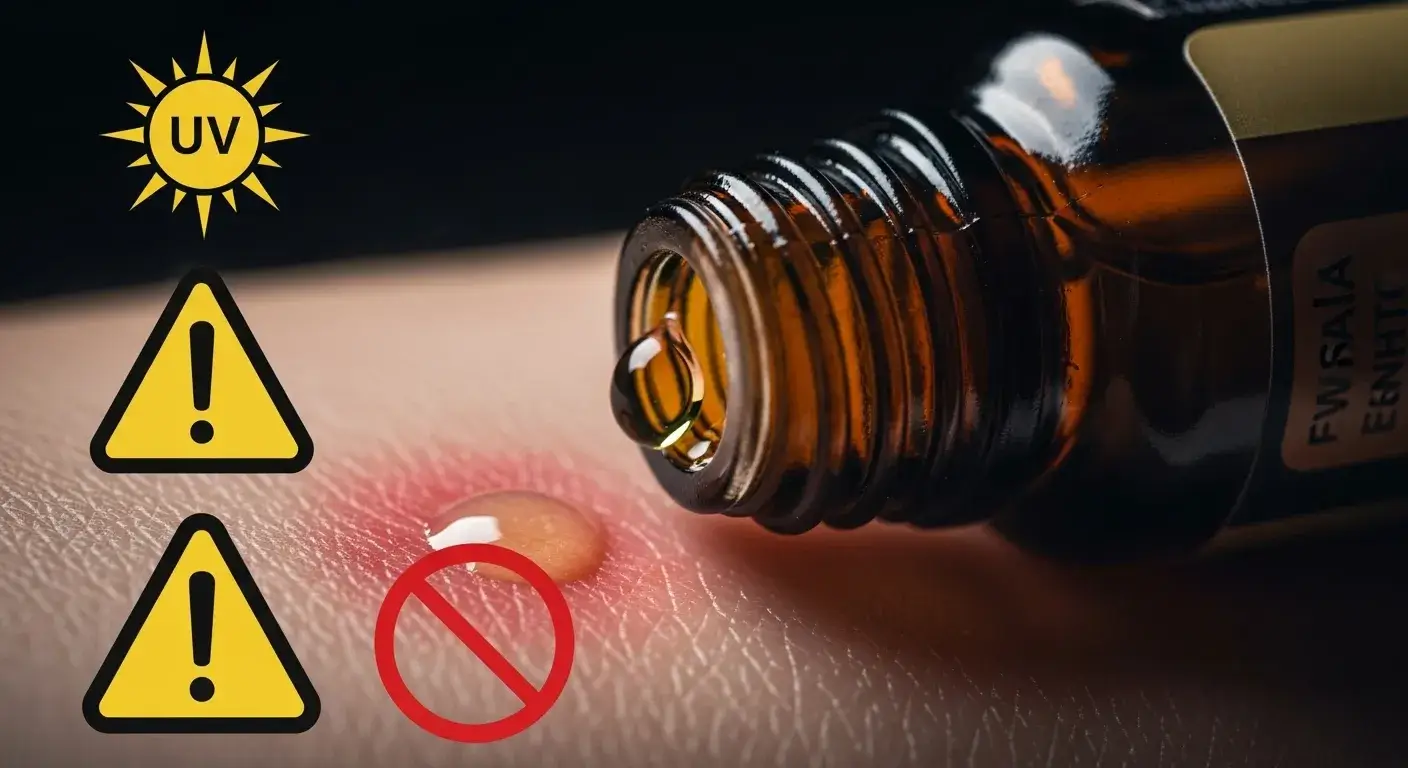
Safe essential oil use requires understanding both proper techniques and personal risk factors.
The concentrated nature that makes these oils effective also makes them potentially harmful when used incorrectly.
Proper Dilution Guidelines
The most critical safety rule is dilution.
Undiluted essential oils can cause chemical burns, allergic sensitization, or severe irritation.
Different applications require different dilution rates based on skin sensitivity and intended use.
For facial applications, use 0.5-1% dilution (1-2 drops per tablespoon of carrier oil).
Body massage requires 2-3% dilution (6-9 drops per tablespoon).
Therapeutic applications might reach 5% dilution, but only with experience and caution.
Carrier oils like jojoba, sweet almond, or fractionated coconut oil dilute essential oils while helping skin absorption.
Avoid using water as a carrier—oils and water don’t mix, potentially increasing irritation risk.
Safe Diffusion Practices
Aromatherapy diffusion seems harmless, but even airborne essential oils can cause problems.
Use only 3-5 drops in standard room diffusers, run for 30-60 minutes maximum, and ensure adequate ventilation.
Ultrasonic diffusers break oils into fine particles that disperse easily.
Nebulizing diffusers create even smaller particles for stronger aromatherapy effects.
Heat diffusers are less effective because high temperatures can alter oil chemistry.
People with asthma, COPD, or chemical sensitivities should start with minimal amounts and monitor for respiratory irritation.
Pet owners need extra caution—many essential oils are toxic to cats and dogs.
Application Methods and Safety Protocols
| Method | Dilution Rate | Duration | Safety Notes |
|---|---|---|---|
| Topical massage | 2-3% | As needed | Patch test first, avoid eyes |
| Bath addition | 3-6 drops in salts | 15-20 minutes | Never add directly to water |
| Inhalation (steam) | 1-2 drops | 5-10 minutes | Keep eyes closed, good ventilation |
| Compress | 1% dilution | 10-15 minutes | Cool water for inflammation |
Storage and Handling
Essential oils degrade when exposed to light, heat, or air.
Store in dark glass bottles away from temperature extremes.
Most oils maintain potency for 2-3 years when properly stored, though citrus oils have shorter shelf lives.
Never leave oils where children can access them.
Even small amounts of certain oils like eucalyptus or wintergreen can cause serious poisoning if ingested.
Keep carrier oils nearby for emergency dilution if accidental skin contact occurs.
Are Essential Oils Backed by Science or Just Hype?
The research landscape reveals both legitimate therapeutic potential and significant marketing exaggeration.
Scientific evidence supports specific essential oil benefits like antimicrobial effects and short-term mood enhancement, but many popular health claims lack robust human trials.
The regulatory gap allows unsubstantiated marketing while legitimate research continues developing.

Separating essential oil science from hype requires understanding research quality, regulatory status, and the difference between laboratory studies and clinical applications.
What the Research Actually Shows
High-quality essential oil research exists, but it’s often limited in scope.
Laboratory studies consistently demonstrate antimicrobial activity—oils can kill bacteria in test tubes.
Some preliminary research from 2022 even suggests certain essential oils may have activity against antibiotic-resistant bacteria strains2 in laboratory conditions, though these findings require extensive clinical validation.
Human aromatherapy studies show modest but measurable effects on mood, stress, and cognitive performance.
Brain imaging reveals that inhaling essential oils does activate limbic system areas associated with emotion and memory.
However, these effects are typically small and temporary.
Clinical trials for therapeutic uses remain limited.
A 2024 systematic review found promising results for essential oils in pain management and respiratory conditions, but called for larger, longer-term studies.
Most research involves small groups over short periods.
The Regulation Problem
Unlike pharmaceutical drugs, essential oils aren’t regulated for safety or efficacy claims in most countries.
Companies can make broad health statements without proving them, creating a marketplace filled with exaggerated benefits.
This regulatory gap cuts both ways.
It allows questionable marketing but also permits research and innovation without excessive bureaucracy.
Consumers must become educated interpreters of claims versus evidence.
Distinguishing Quality Research
| Research Type | Reliability Level | What It Shows | Limitations |
|---|---|---|---|
| Laboratory studies | High for specific effects | Antimicrobial, antioxidant activity | Doesn’t predict human outcomes |
| Animal studies | Medium | Potential mechanisms | May not translate to humans |
| Small human trials | Medium to high | Short-term effects | Limited generalizability |
| Systematic reviews | Highest when available | Aggregate findings | Often conclude "more research needed" |
The essential oil industry’s rapid growth to projected $49 billion by 2033 reflects consumer demand that sometimes outpaces scientific validation.
This creates opportunities for both legitimate businesses and questionable operators.
Evidence-Based Applications
Current research best supports essential oils for aromatherapy, topical antimicrobial use, and as complementary approaches to conventional treatments.
They work well as natural alternatives to synthetic fragrances and some cleaning chemicals.
The strongest evidence exists for mood enhancement through inhalation, topical treatment of minor skin conditions, and as components in natural personal care products.
Claims about curing serious diseases or replacing medical treatments lack supporting evidence.
What Are the Risks and Side Effects of Essential Oils?
Understanding potential hazards helps prevent the growing number of essential oil-related injuries and poisonings.
Common risks include skin sensitization, respiratory irritation, and toxicity from ingestion, with children and pregnant individuals facing higher vulnerability. Proper dilution, avoiding internal use, and recognizing interaction potential with medications are essential safety measures.
Essential oil safety incidents are increasing as popularity grows.
Understanding these risks helps users enjoy benefits while avoiding preventable harm.
Skin Reactions and Sensitization
Allergic contact dermatitis3 represents the most common essential oil adverse effect.
Repeated exposure can cause sensitization, where your immune system develops permanent allergic responses to specific compounds.
Once sensitized, even tiny amounts can trigger severe reactions.
Certain oils pose higher sensitization risks.
Cinnamon, clove, and citrus oils frequently cause problems.
Even "gentle" oils like lavender can sensitize with repeated undiluted use.
The concentration matters more than the specific oil in many cases.
Phototoxicity4 affects citrus oils particularly.
Bergamot, lime, and lemon oils contain compounds that increase sun sensitivity, potentially causing severe burns with UV exposure.
These reactions can occur hours after application.
Respiratory and Systemic Effects
Inhaling essential oils can trigger asthma, worsen COPD, or cause headaches in sensitive individuals.
The volatile organic compounds5 (VOCs) that create aromatherapy benefits can also irritate respiratory systems.
A 2022 study found that prolonged essential oil inhalation could elevate blood pressure and reduce lung function in some people.
These effects were temporary but suggest caution for people with cardiovascular or respiratory conditions.
For those interested in specific respiratory applications, eucalyptus essential oil is commonly used for congestion relief, but proper usage guidelines remain important.
Ingestion Toxicity
Internal essential oil use poses serious risks.
Many oils are toxic when swallowed, causing symptoms from nausea and vomiting to organ damage or neurological effects.
Children are especially vulnerable due to their smaller body size and developing systems.
Eucalyptus oil ingestion has caused coma and seizures in children.
Wintergreen oil contains methyl salicylate6 at concentrations that can cause aspirin-like poisoning.
Even "food-grade" oils can be dangerous in quantities beyond tiny flavoring amounts.
Vulnerable Populations and Special Considerations
| Risk Group | Specific Concerns | Recommended Precautions |
|---|---|---|
| Pregnant women | Hormonal effects, potential toxicity | Avoid strongly active oils, use minimal amounts |
| Children under 6 | Higher toxicity risk, sensitive skin | Extreme dilution, avoid menthol-containing oils |
| Elderly adults | Medication interactions, fragile skin | Check with healthcare providers, extra dilution |
| Pet owners | Many oils toxic to animals | Research pet-safe oils, ensure ventilation |
Drug Interactions and Medical Considerations
Essential oils can interact with medications, though documented cases remain limited.
Oils might affect how your body processes certain drugs or enhance their effects.
People taking blood thinners7, seizure medications, or hormone treatments should consult healthcare providers before using essential oils therapeutically.
Some oils can affect blood sugar or blood pressure.
Others might influence hormone levels.
While these effects are typically mild, they could be significant for people with medical conditions or those taking multiple medications.
Which Essential Oils Are Most Popular and Why?
Market data and consumer preferences reveal patterns in essential oil popularity based on versatility and proven effects.
Lavender leads in popularity due to its gentle nature and relaxation properties, followed by peppermint for energy and tea tree for skin health.Orange oil dominates commercial production at approximately 47,000+ tonnes annually due to food industry demand, while therapeutic oils gain popularity through aromatherapy trends.
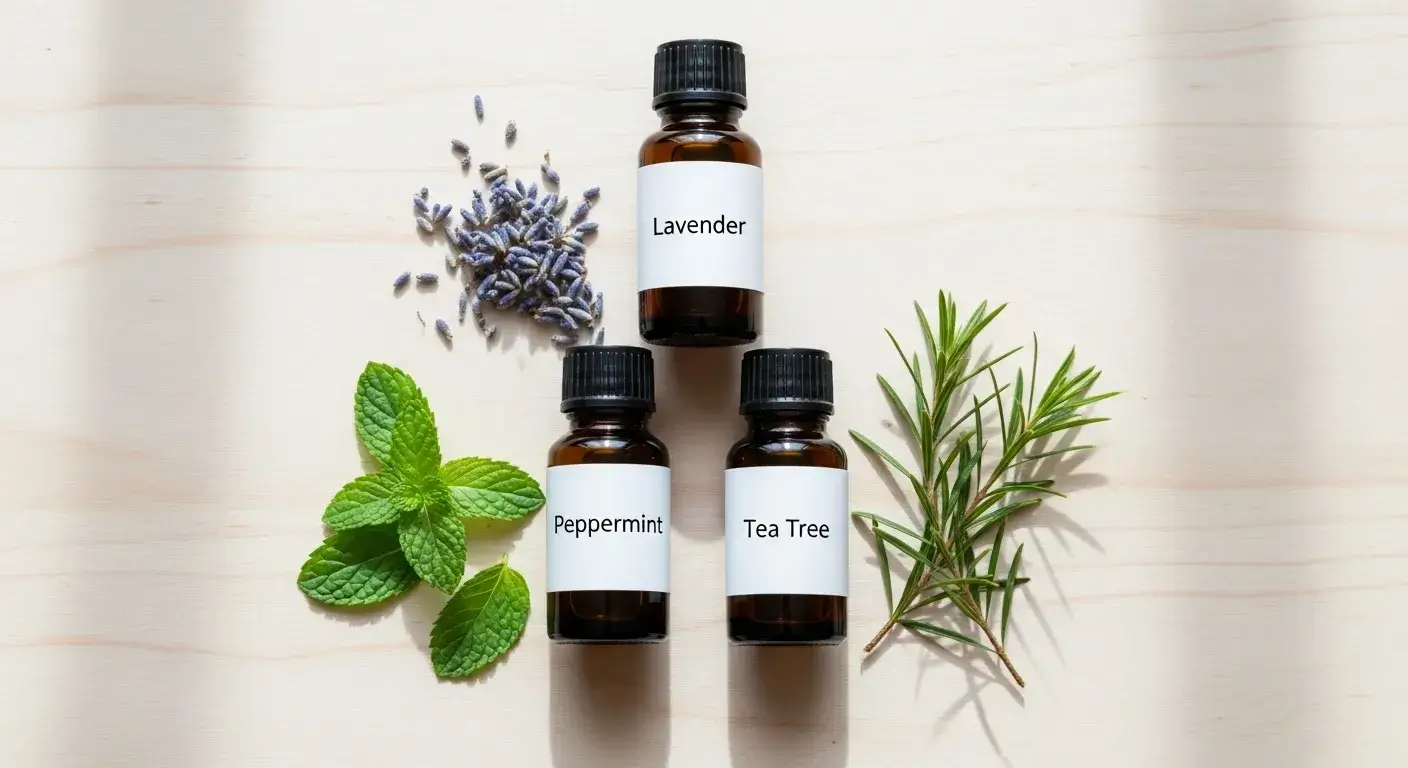
Essential oil popularity reflects both traditional use patterns and modern market drivers.
Understanding these trends helps predict future developments and explains current pricing.
The Top Therapeutic Oils
Lavender consistently ranks as the most popular essential oil for personal use.
Its gentle nature, pleasant scent, and research-backed calming effects make it ideal for beginners.
Lavender oil demonstrates good safety profiles and works well in various applications from aromatherapy to topical use.
Peppermint oil ranks second for its energizing properties and versatility.
It provides cooling sensations, may help with headaches, and offers digestive benefits when used properly.
The strong, recognizable scent makes it popular for natural cleaning and personal care products.
Tea tree oil gained popularity through its proven antimicrobial properties.
Originally from Australia, it’s now globally recognized for treating minor skin issues, fungal conditions, and as a natural antiseptic.
Its medicinal reputation drives consistent demand.
Commercial Production Leaders
Industrial essential oil production differs significantly from therapeutic oil popularity.
Orange oil dominates global production at approximately 47,000 tonnes annually according to recent industry estimates, primarily serving the food and beverage industry as a flavoring agent.
Mint oils (peppermint and cornmint) account for about 32,000 tonnes each annually.
These oils serve both therapeutic markets and commercial applications in oral care, confections, and personal care products.
For businesses looking to source these popular oils in commercial quantities, our bulk essential oils wholesale guide provides detailed information on sourcing, quality standards, and logistics considerations.
Regional Preferences and Cultural Factors
| Region | Popular Oils | Primary Uses | Market Drivers |
|---|---|---|---|
| North America | Lavender, peppermint, eucalyptus | Aromatherapy, wellness | DIY culture, natural lifestyle trends |
| Europe | Rose, lavender, chamomile | Perfumery, skincare | Traditional use, luxury market |
| Asia-Pacific | Sandalwood, jasmine, citrus | Religious, traditional medicine | Cultural practices, growing middle class |
| Middle East | Frankincense, rose, oud | Traditional perfumery | Cultural significance, luxury demand |
Emerging Trends and Future Popularity
The essential oils market’s projected growth to $49 billion by 2033 suggests continued expansion in both traditional and new oil varieties.
Sustainability concerns8 are driving interest in lesser-known oils from abundant plant sources.
Frankincense and sandalwood face supply challenges due to over-harvesting, potentially shifting demand toward more sustainable alternatives.
Citrus oils benefit from food industry waste streams, making them environmentally attractive.
New extraction technologies and plant breeding programs may introduce novel oils or improve yields from existing sources.
The trend toward transparency and third-party testing9 is also influencing purchasing decisions.
Quality and Sourcing Considerations
Popular oils face the highest risk of adulteration due to economic incentives.
Lavender oil is frequently diluted with synthetic compounds or cheaper plant oils.
Rose oil’s high value makes it a target for counterfeiting.
At PhytoEx, we see increasing demand for certified organic oils and those with complete traceability documentation.
Consumers are becoming more sophisticated about quality markers beyond just "pure" or "therapeutic grade" marketing terms.
Conclusion
Essential oils offer legitimate benefits when used safely, but require educated application and realistic expectations to avoid risks and disappointment.
-
Learn how smell directly affects brain regions controlling emotion and memory ↩
-
Preliminary laboratory research on essential oils and antibiotic-resistant bacteria ↩
-
Medical information about skin reactions caused by essential oil contact ↩
-
Understanding light-activated skin damage from citrus essential oils ↩
-
EPA information on indoor air quality and volatile organic compounds ↩
-
Toxicity information for wintergreen oil’s active compound ↩
-
Drug interaction checker for anticoagulant medications ↩
-
Environmental impact of essential oil production and sustainable sourcing ↩
-
Laboratory testing standards for essential oil purity and authenticity ↩