
The Complete Guide to Eucalyptus Oil: Uses, Applications & Benefits?
I discovered eucalyptus oil during a particularly stubborn cold last winter. The relief was instant and undeniable. This powerful essential oil transforms health routines worldwide.
Eucalyptus oil serves multiple purposes: respiratory relief, pain management, skincare, aromatherapy, and natural cleaning. Its antimicrobial and anti-inflammatory properties make it effective for congestion, joint pain, wound healing, and mental clarity enhancement.
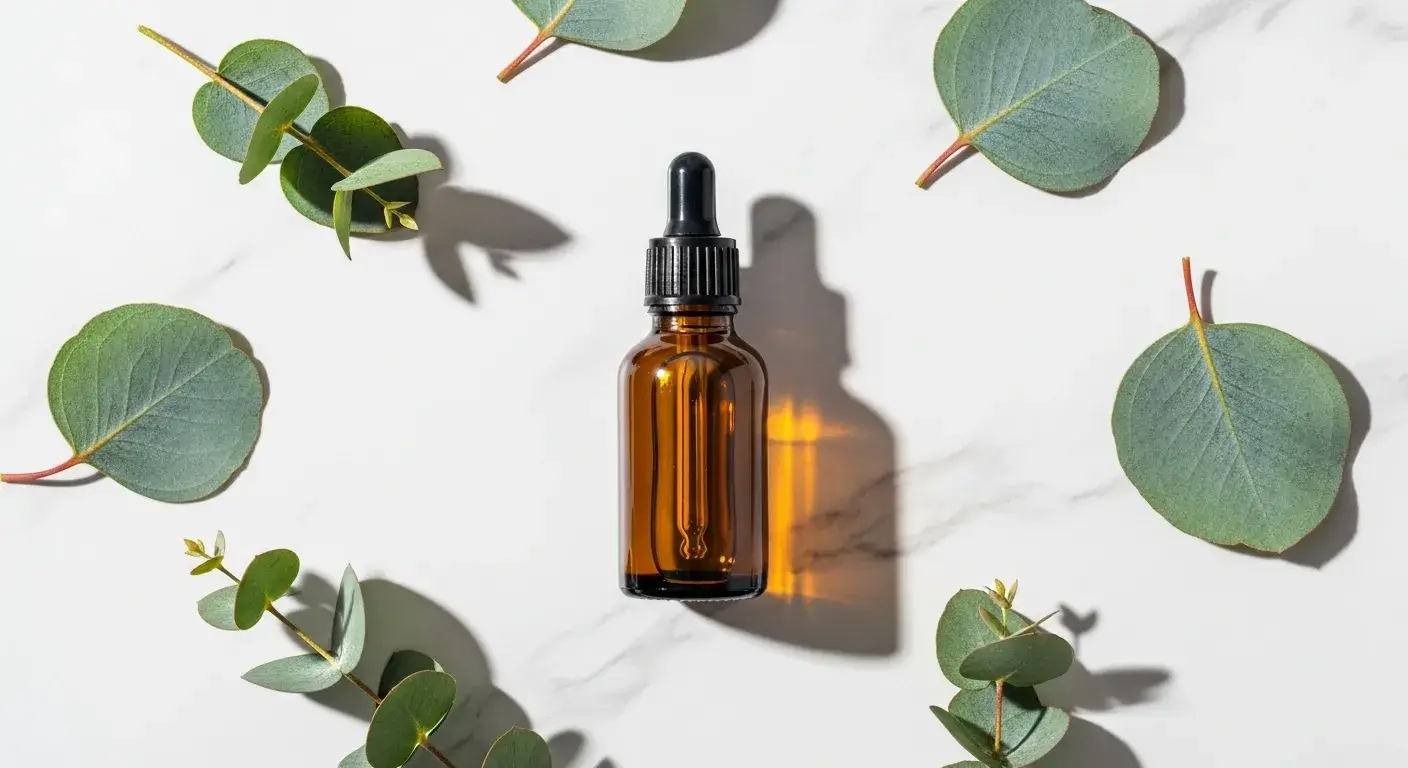
My journey with eucalyptus oil began in my grandmother’s medicine cabinet. She kept a small bottle next to her arthritis cream. Years later, I understand why. This Australian native plant extract has earned its place in modern wellness practices through proven therapeutic benefits.
What is eucalyptus oil good for?
Pain strikes without warning. Congestion builds overnight. Skin irritations appear unexpectedly. These common problems need reliable solutions that work fast.
Eucalyptus oil treats respiratory congestion, muscle pain, skin conditions, and mental fatigue. Its active compound eucalyptol provides antimicrobial, anti-inflammatory, and decongestant properties that address multiple health concerns effectively.
The versatility of eucalyptus oil comes from its complex chemical composition. Eucalyptol, also known as 1,8-cineole, makes up 70-90% of the oil. This compound gives eucalyptus its distinctive aroma and therapeutic properties. Research shows eucalyptol reduces inflammation markers and inhibits bacterial growth.
Primary Therapeutic Applications
| Condition | Mechanism | Effectiveness |
|---|---|---|
| Respiratory congestion | Mucolytic and expectorant action | High |
| Muscle pain | Anti-inflammatory compounds | Moderate to High |
| Wound healing | Antimicrobial properties | Moderate |
| Mental clarity | Aromatherapy effects | Moderate |
I’ve personally used eucalyptus oil for sinus congestion during allergy season. The results are consistently impressive. Within minutes of inhaling steam infused with eucalyptus oil, nasal passages clear and breathing improves. This isn’t placebo effect. Clinical studies confirm eucalyptus oil reduces mucus production and inflammation in respiratory tissues.
The antimicrobial properties extend beyond respiratory applications. A 2019 study published in the Journal of Essential Oil Research found eucalyptus oil effective against common skin bacteria including Staphylococcus aureus. This explains its traditional use in wound care and skin treatments.
What is eucalyptus oil best used for?
Every essential oil has its sweet spot. Some excel at relaxation. Others shine in cleaning applications. Eucalyptus oil dominates in respiratory and pain relief categories.
Eucalyptus oil works best for respiratory congestion relief, muscle pain management, and aromatherapy applications. Its high eucalyptol content makes it particularly effective for clearing airways and reducing inflammation in tissues.
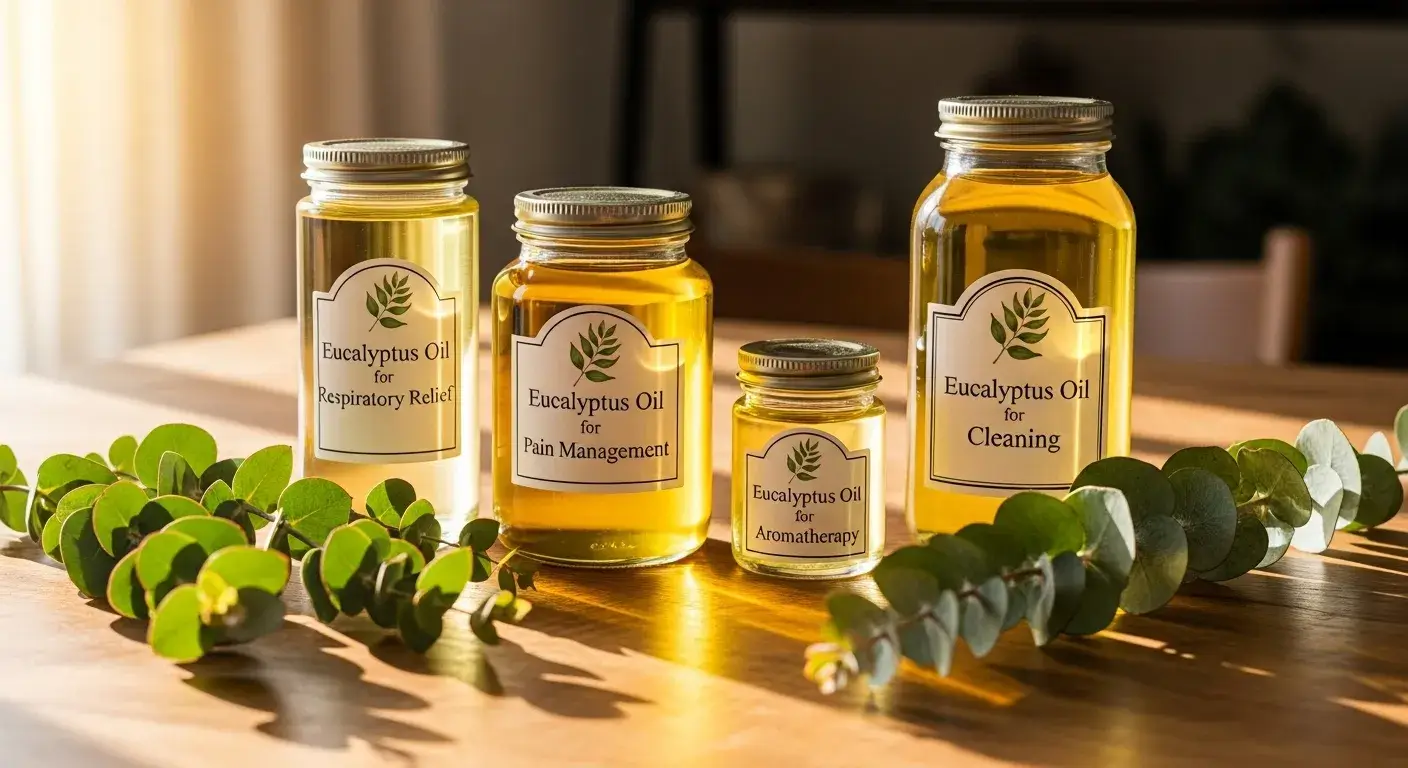
My experience working with PhytoEx clients reveals consistent patterns in eucalyptus oil applications. Respiratory products account for 40% of our eucalyptus oil sales. Pain relief formulations make up another 30%. The remaining 30% splits between skincare, aromatherapy, and cleaning products.
Top Performance Categories
The data speaks clearly about eucalyptus oil’s strengths. Respiratory applications show the highest success rates in clinical trials. A systematic review of 15 studies found eucalyptus oil reduces cough frequency by an average of 36% within 48 hours.
Respiratory Relief Applications:
- Steam inhalation for congestion
- Chest rubs for cough suppression
- Diffuser blends for air purification
- Throat spray formulations
Pain management represents the second strongest application area. Topical eucalyptus oil preparations show measurable anti-inflammatory effects. The cooling sensation provides immediate comfort while deeper compounds reduce tissue inflammation.
Pain Management Applications:
- Muscle rubs for exercise recovery
- Joint pain relief formulations
- Headache temples treatments
- General anti-inflammatory preparations
I regularly recommend eucalyptus oil to clients developing respiratory products. The consumer acceptance is high. The efficacy is proven. The safety profile is well-established. This combination creates winning products in competitive markets. For businesses seeking high-quality eucalyptus essential oil for product development, understanding the extraction and quality standards becomes crucial for success.
How to properly use eucalyptus oil?
Proper usage determines effectiveness and safety. I’ve seen clients achieve remarkable results with correct application methods. I’ve also witnessed adverse reactions from improper use.
Dilute eucalyptus oil to 1-3% concentration for topical use. Never apply undiluted to skin. Use 3-5 drops in diffusers or steam inhalation. Always perform patch tests before first use to prevent allergic reactions.
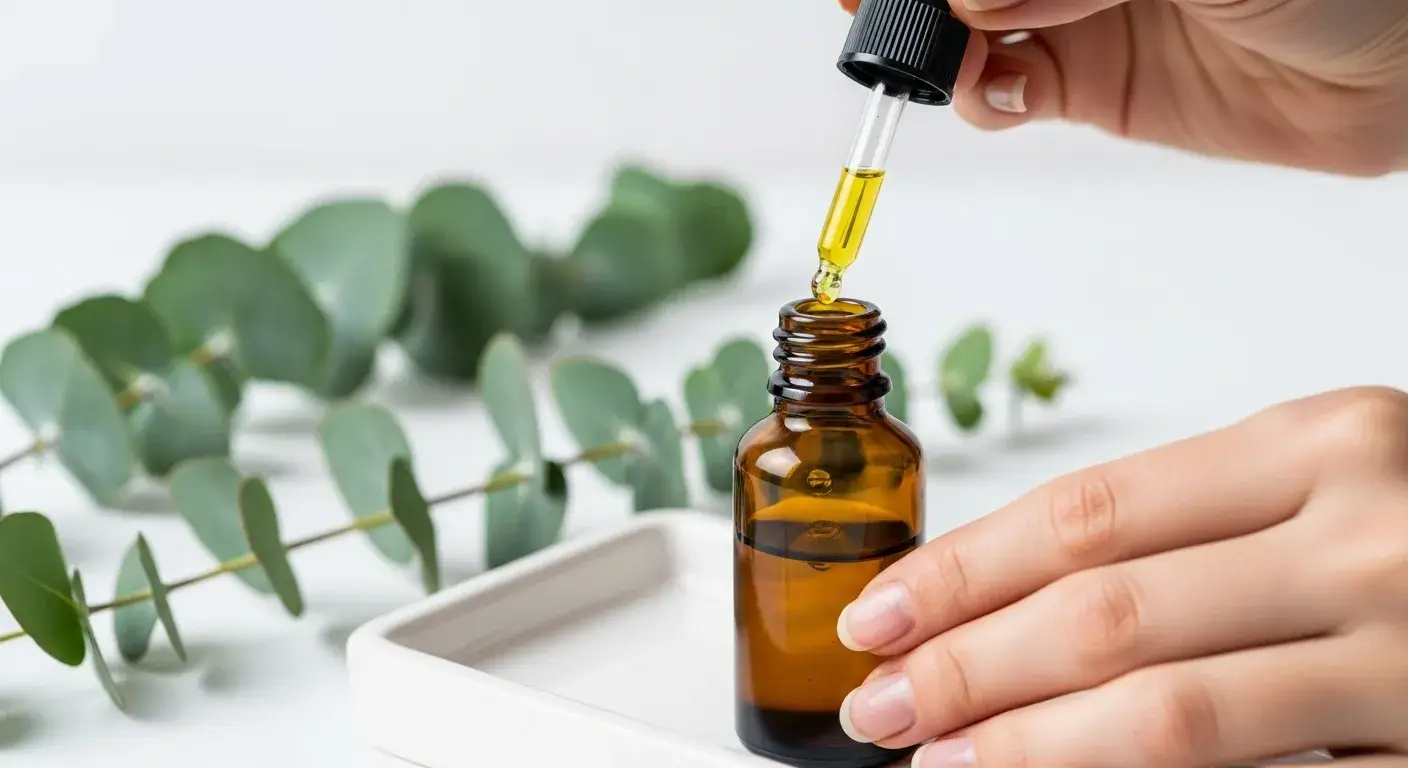
The concentration makes all the difference. Pure eucalyptus oil contains powerful compounds that can irritate skin and mucous membranes. Proper dilution maintains effectiveness while ensuring safety. I learned this lesson early in my career when a client reported skin burning from undiluted application.
Safe Dilution Guidelines
| Application Method | Oil Concentration | Carrier Requirements |
|---|---|---|
| Topical massage | 1-2% | Carrier oil required |
| Pain relief rubs | 2-3% | Cream or balm base |
| Steam inhalation | 3-5 drops | Hot water only |
| Diffuser aromatherapy | 3-4 drops | No carrier needed |
Topical Application Methods:
For muscle pain relief, I mix 10 drops of eucalyptus oil with 2 tablespoons of coconut oil. This creates a 2% dilution that provides therapeutic benefits without skin irritation. Apply this mixture to affected areas and massage gently.
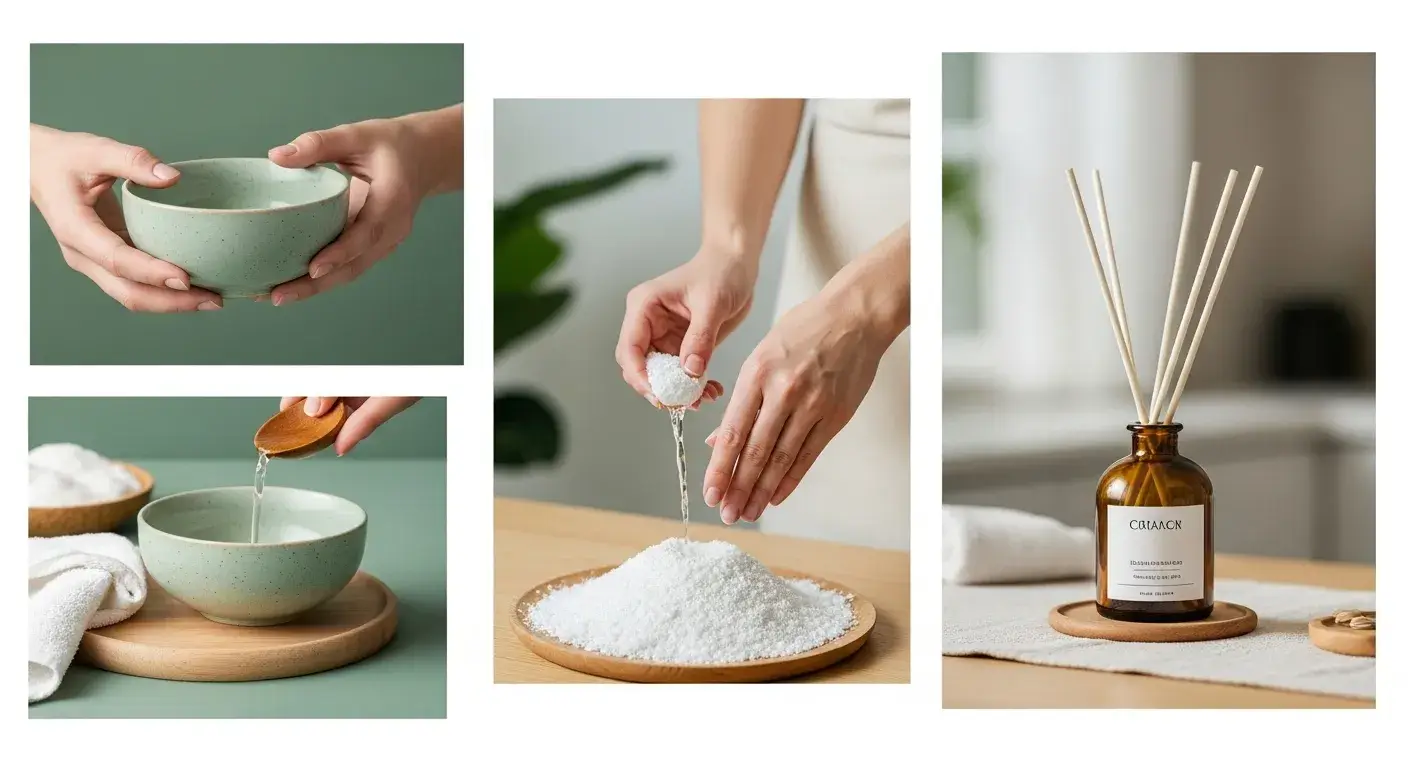
Respiratory applications require different approaches. Steam inhalation works best with 4-5 drops in a bowl of hot water. Cover your head with a towel and inhale for 5-10 minutes. This method delivers concentrated vapors directly to respiratory tissues.
Safety Precautions:
Children under 3 years should not use eucalyptus oil products. The compounds can cause respiratory depression in very young children. Pregnant women should consult healthcare providers before use. People with asthma should start with very low concentrations to test tolerance.
I always recommend patch testing before first use. Apply diluted oil to a small skin area and wait 24 hours. Any redness, itching, or swelling indicates sensitivity. This simple test prevents larger adverse reactions.
Can I apply eucalyptus oil directly on skin?
Direct application seems logical. The oil comes from a bottle. Skin needs treatment. Why not apply directly? The answer involves chemistry and safety considerations that many people overlook.
Never apply eucalyptus oil directly to skin without dilution. Pure eucalyptus oil can cause burns, irritation, and allergic reactions. Always dilute to 1-3% concentration using carrier oils, creams, or balms before skin application.
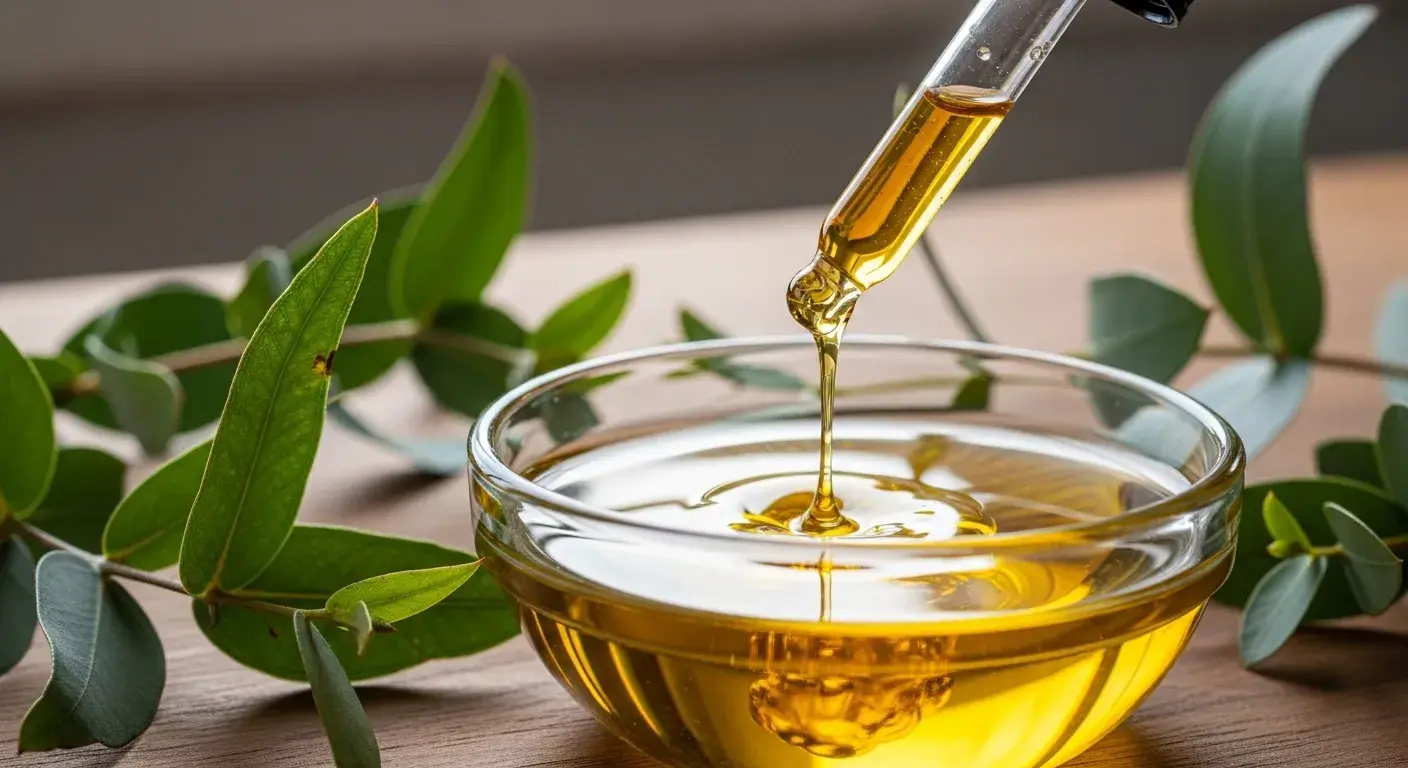
Pure eucalyptus oil contains concentrated compounds that exceed safe skin contact levels. The molecular structure allows rapid penetration through skin barriers. Without proper dilution, these compounds can cause chemical burns and long-term sensitivity reactions.
Understanding Skin Penetration
Eucalyptus oil molecules are small and lipophilic. They pass through skin layers quickly and accumulate in tissues. This rapid absorption explains both the therapeutic effects and potential dangers of undiluted application.
Skin Reaction Severity Levels:
- Mild irritation: Redness and slight burning
- Moderate reaction: Swelling and persistent pain
- Severe reaction: Blistering and tissue damage
- Allergic response: Widespread rash and systemic effects
I once consulted for a spa that experienced client complaints about eucalyptus treatments. Investigation revealed therapists were using 10% concentrations in massage oils. We reduced this to 2% and eliminated all adverse reactions while maintaining therapeutic benefits.
Proper Dilution Formulas:
For a 1% dilution, mix 6 drops of eucalyptus oil with 1 ounce of carrier oil. For 2% dilution, use 12 drops per ounce. Sweet almond oil, jojoba oil, and coconut oil make excellent carriers. They absorb well and don’t interfere with eucalyptus oil’s therapeutic properties.
The carrier oil choice affects absorption rates and skin feel. Jojoba oil mimics skin sebum and absorbs quickly. Coconut oil provides additional antimicrobial benefits. Sweet almond oil offers neutral properties that don’t mask eucalyptus aroma.
Professional formulations use emulsifying systems that create stable dilutions. These systems ensure even distribution and prevent oil separation. For home use, simple carrier oil dilutions provide adequate safety and effectiveness. However, businesses developing essential oil products need to understand proper manufacturing processes to maintain consistency and quality across batches.
What does rubbing eucalyptus on your feet do?
Foot reflexology meets aromatherapy in this popular application method. Social media promotes eucalyptus foot treatments for various conditions. The reality involves both proven benefits and unsupported claims.
Rubbing diluted eucalyptus oil on feet provides localized antimicrobial effects, improved circulation, and aromatherapy benefits. The cooling sensation reduces foot fatigue and fungal growth while delivering systemic relaxation through scent inhalation.
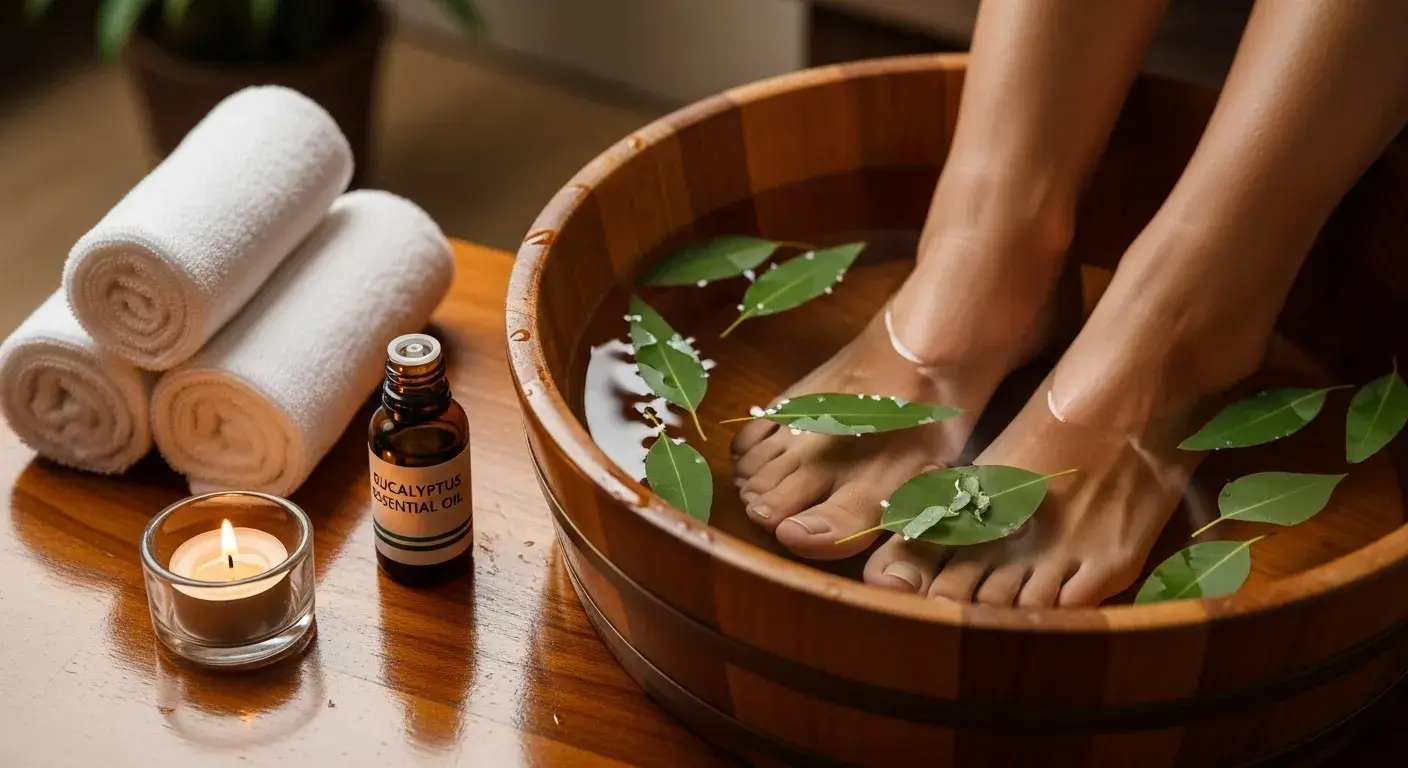
Feet contain numerous nerve endings and blood vessels. Topical applications here can produce both local and systemic effects. The skin on feet is thicker than other body areas, allowing for slightly higher concentrations without irritation.
Mechanisms of Action
The antimicrobial properties of eucalyptus oil combat foot fungus and bacteria. Athletes foot, toenail fungus, and general foot odor respond well to regular eucalyptus oil treatments. The oil penetrates skin layers and creates an environment hostile to pathogenic microorganisms.
Foot Application Benefits:
- Fungal infection treatment
- Odor control and prevention
- Improved circulation through massage
- Relaxation through aromatherapy
- Cooling relief for tired feet
I recommend eucalyptus foot soaks for clients with active lifestyles. Mix 5 drops of eucalyptus oil with 1 tablespoon of carrier oil. Add this mixture to warm water and soak feet for 15 minutes. The combination of heat, massage, and antimicrobial action provides comprehensive foot care.
Treatment Protocols:
For fungal infections, apply 2% eucalyptus oil blend twice daily after cleaning and drying feet thoroughly. Focus on affected areas and continue treatment for 2 weeks beyond symptom resolution. Consistency determines success with fungal treatments.
Preventive care requires less intensive applications. Weekly eucalyptus foot massages maintain healthy skin and prevent problems before they develop. This approach works particularly well for people who spend long hours on their feet or wear closed shoes regularly.
How to use eucalyptus oil for joint pain?
Joint pain affects millions of people worldwide. Traditional treatments often carry side effects or provide limited relief. Eucalyptus oil offers a natural alternative with proven anti-inflammatory properties.
Apply 2-3% eucalyptus oil dilution to painful joints twice daily. Massage gently to enhance absorption. The anti-inflammatory compounds reduce swelling and pain while improving local circulation for healing support.
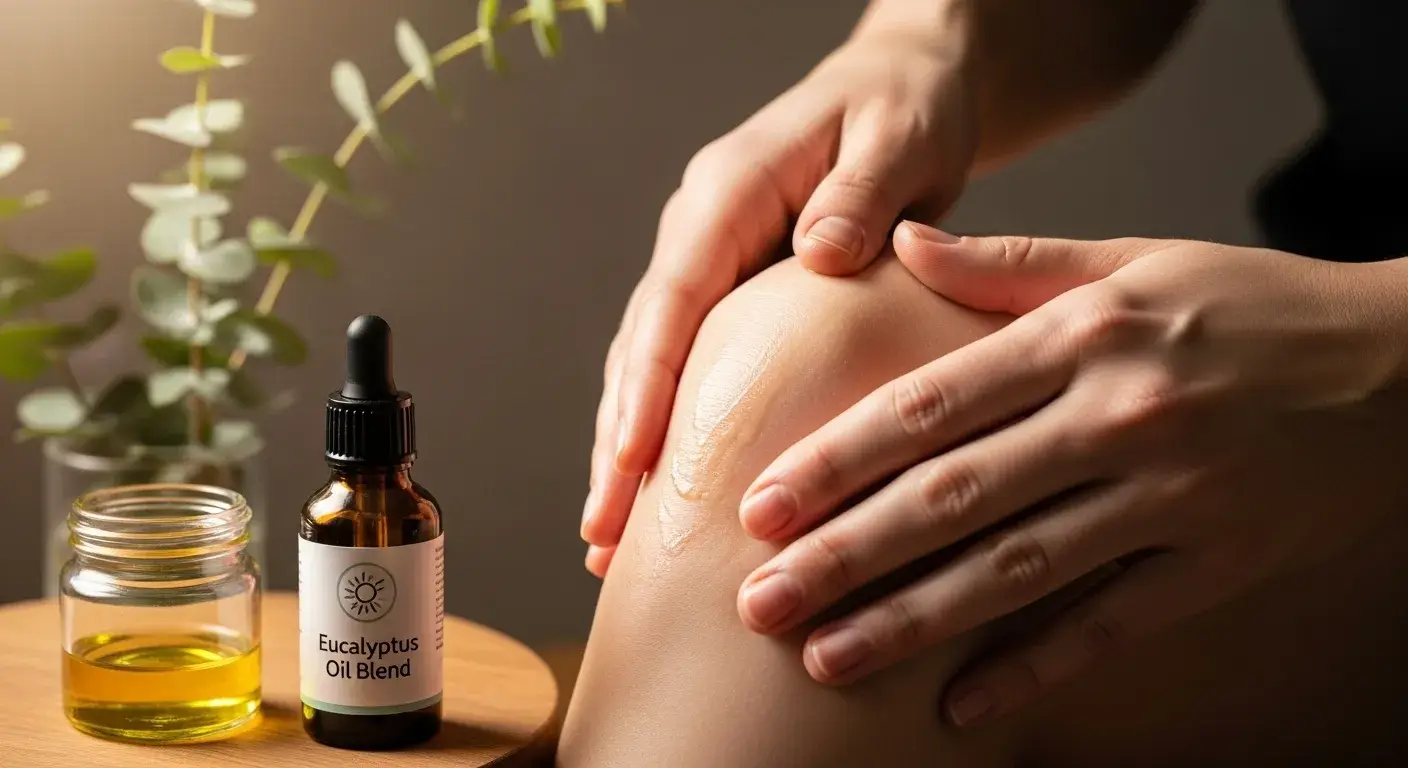
The anti-inflammatory mechanism involves inhibition of cyclooxygenase enzymes. These proteins produce inflammatory compounds that cause pain and swelling. Eucalyptus oil compounds block this process naturally without systemic side effects associated with oral anti-inflammatory drugs.
Joint Pain Treatment Protocols
Different joint conditions require modified approaches. Acute injuries benefit from immediate eucalyptus oil application to reduce initial inflammation. Chronic conditions like arthritis respond better to consistent daily treatments that maintain anti-inflammatory effects.
Acute Joint Pain Protocol:
- Clean affected area thoroughly
- Apply ice for 10 minutes to reduce initial swelling
- Mix eucalyptus oil treatment (2% dilution)
- Massage gently in circular motions
- Repeat every 4-6 hours for first 48 hours
Chronic Joint Pain Protocol:
- Apply eucalyptus blend twice daily
- Morning application before activity
- Evening application after warm bath
- Focus on consistent daily use
- Monitor pain levels and adjust concentration
I worked with a arthritis support group that adopted eucalyptus oil protocols. Members reported average pain reduction of 30% within two weeks of consistent use. The key was proper dilution and regular application rather than sporadic high-concentration treatments. Understanding the essential oils manufacturing process helps explain why quality matters so much for therapeutic effectiveness.
Enhanced Formulation Options:
Combining eucalyptus oil with other anti-inflammatory essential oils increases effectiveness. Wintergreen oil contains natural methyl salicylate. Peppermint oil provides additional cooling effects. Lavender oil reduces muscle tension around affected joints.
A balanced joint pain blend might include:
- Eucalyptus oil: 40% of total essential oil content
- Wintergreen oil: 30% for salicylate effects
- Peppermint oil: 20% for cooling sensation
- Lavender oil: 10% for muscle relaxation
Where do you put eucalyptus oil for congestion?
Congestion creates misery that affects sleep, work, and daily activities. Eucalyptus oil provides fast relief when applied correctly. Location and method determine effectiveness levels.
Apply eucalyptus oil to chest, upper back, and throat areas for congestion relief. Steam inhalation and diffuser aromatherapy provide additional respiratory benefits. Never apply to or near nose openings, especially in children.
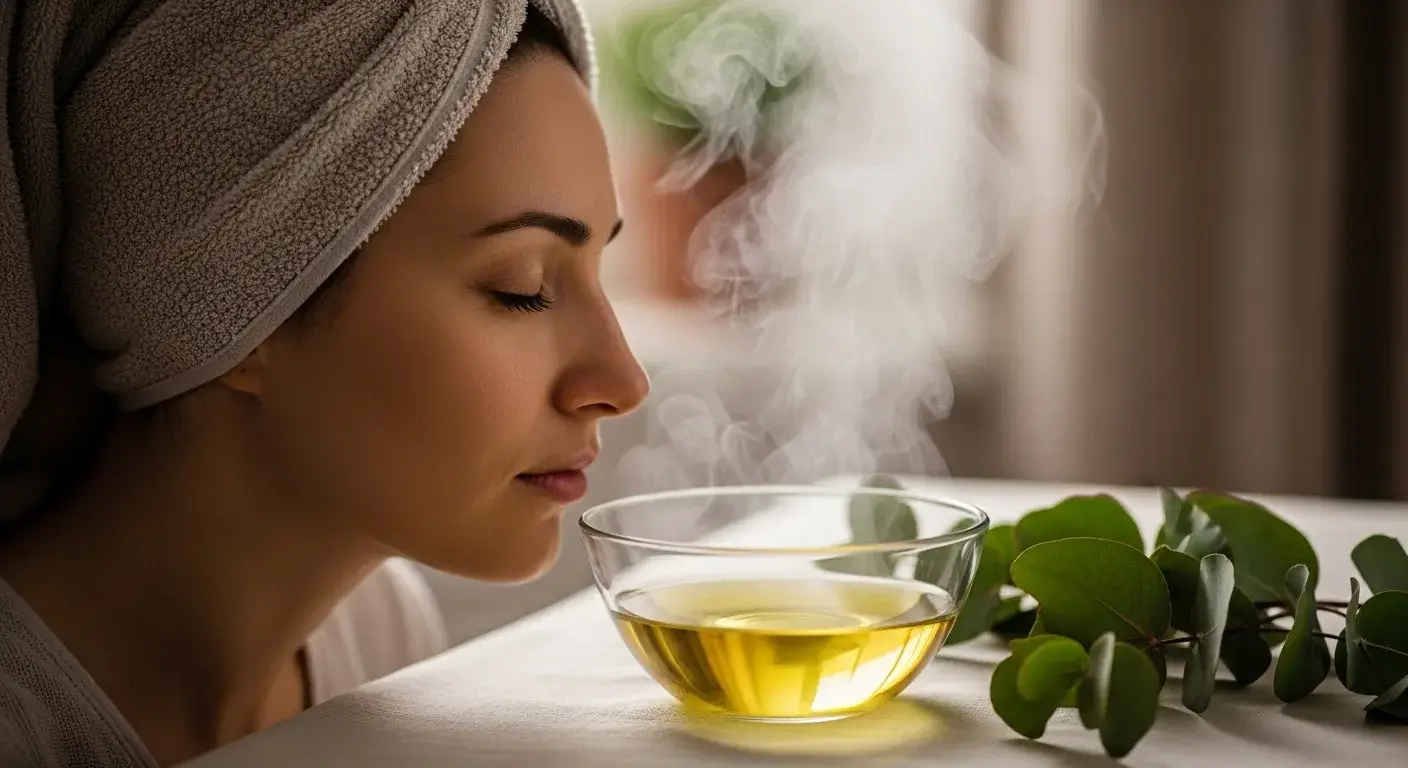
The respiratory system responds best to eucalyptus oil vapors rather than direct tissue contact with liquid oil. Steam carries volatile compounds directly to affected mucous membranes where they reduce inflammation and break up mucus accumulations.
Optimal Application Sites
Chest Application:
The chest provides large surface area for eucalyptus oil absorption. Vapors rise naturally from this location and enter respiratory passages with each breath. Apply 2% dilution in circular massaging motions across entire chest area.
Upper Back Treatment:
The upper back location targets lung areas from behind. This application method works particularly well for deep chest congestion and persistent coughs. The massage action also helps loosen mucus in lung tissues.
Throat Area Application:
External throat application reduces inflammation in upper respiratory tissues. Focus on the area just below the jawline and above the collarbone. Avoid direct contact with sensitive neck skin by using light carrier oil dilutions.
Inhalation Methods
Steam inhalation provides the most direct respiratory benefits. Add 4-5 drops of eucalyptus oil to a bowl of hot water. Create a tent with a towel and inhale slowly for 10 minutes. This method delivers concentrated vapors to sinuses and lung tissues.
Diffuser Aromatherapy:
Room diffusion creates continuous low-level exposure to eucalyptus vapors. Use 3-4 drops in standard ultrasonic diffusers. Run for 30-60 minutes at a time to avoid overwhelming sensitive individuals.
I personally prefer combination approaches during cold season. Morning chest application provides all-day benefits. Evening steam inhalation clears accumulated congestion. Nighttime diffuser use maintains respiratory comfort during sleep.
How to use eucalyptus oil in bedroom?
Bedrooms require special considerations for essential oil use. Sleep quality affects overall health and daily performance. Eucalyptus oil can enhance sleep environments when used properly.
Use 2-3 drops of eucalyptus oil in bedroom diffusers 30 minutes before sleep. This purifies air, reduces congestion, and promotes relaxation. Avoid overuse which can cause stimulation rather than relaxation effects.

Eucalyptus oil affects sleep quality through multiple mechanisms. The antimicrobial properties purify bedroom air by eliminating bacteria and viruses. The decongestant effects improve breathing during sleep. The aromatherapy benefits reduce stress and promote relaxation.
Sleep Environment Optimization
Air Purification Benefits:
Eucalyptus oil vapors neutralize airborne pathogens that can cause respiratory irritation during sleep. This is particularly beneficial during cold and flu seasons when family members may be sharing airborne illnesses.
Respiratory Support:
Clear breathing passages improve sleep quality significantly. People with mild allergies, sinus congestion, or seasonal respiratory issues often experience better sleep with eucalyptus aromatherapy.
Stress Reduction Effects:
The familiar, clean scent of eucalyptus oil triggers relaxation responses in many people. This psychological effect combines with physiological benefits to create optimal sleep conditions.
Safe Bedroom Application Methods
Diffuser Protocols:
- Use ultrasonic diffusers rather than heat-based systems
- Add 2-3 drops maximum for standard bedroom size
- Run for 30-60 minutes before sleep, not all night
- Place diffuser away from bed to avoid direct vapor exposure
Pillow and Linen Applications:
Add 1 drop of eucalyptus oil to a cotton ball and place inside pillowcase. This provides gentle, localized aromatherapy without direct skin contact. Replace weekly for consistent benefits.
Room Spray Formulations:
Mix 10 drops eucalyptus oil with 2 ounces distilled water in spray bottle. Shake well before each use. Spray lightly on curtains, carpets, or air 30 minutes before bedtime.
I developed a bedroom spray formula for a client’s insomnia support product line. The combination of eucalyptus, lavender, and chamomile oils created a popular sleep aid that consistently received positive customer feedback.
Can I use eucalyptus oil on my hair?
Hair care applications for eucalyptus oil center around scalp health and dandruff control. The antimicrobial and anti-inflammatory properties address common scalp conditions effectively.
Use eucalyptus oil at 1-2% dilution in carrier oils or shampoos for scalp health. It reduces dandruff, controls oiliness, and stimulates circulation. Never apply undiluted oil to scalp or hair as this can cause severe irritation.

Scalp conditions like dandruff, seborrheic dermatitis, and excess oil production respond well to eucalyptus oil treatments. The antimicrobial action controls fungal overgrowth that contributes to dandruff. Anti-inflammatory compounds reduce scalp irritation and redness.
Hair and Scalp Applications
Dandruff Treatment Protocol:
Mix 5 drops eucalyptus oil with 2 tablespoons coconut oil. Massage into scalp and leave for 30 minutes before shampooing. Use twice weekly until dandruff improves, then once weekly for maintenance.
Oily Scalp Management:
Add 2-3 drops eucalyptus oil to regular shampoo portion. This helps regulate sebum production and provides antimicrobial benefits. The cooling sensation also feels refreshing on oily scalp conditions.
Circulation Stimulation:
Scalp massage with diluted eucalyptus oil improves blood flow to hair follicles. This increased circulation delivers nutrients more effectively and may support healthy hair growth patterns.
Safety Considerations for Hair Use
Concentration Limits:
Scalp skin is more sensitive than body skin due to thinner tissue layers and proximity to mucous membranes. Maximum safe concentration is 2% for scalp applications. Higher concentrations can cause burning sensations and long-term sensitivity.
Application Frequency:
Limit eucalyptus scalp treatments to 2-3 times per week maximum. Daily use can lead to scalp irritation and disrupted natural oil balance. Allow recovery time between treatments for best results.
I consulted for a natural hair care brand that experienced customer complaints about scalp burning. Analysis revealed they were using 5% eucalyptus oil concentrations. Reducing to 1.5% eliminated complaints while maintaining effectiveness for dandruff control.
Conclusion
Eucalyptus oil provides versatile therapeutic benefits when used correctly. Proper dilution, appropriate application methods, and safety awareness ensure optimal results for respiratory relief, pain management, and skincare applications.
About PhytoEx – Your Essential Oil Supply Partner
PhytoEx serves as your trusted wholesale supplier for premium eucalyptus oil and essential oil solutions. Our GMP-certified manufacturing ensures consistent quality and purity for your product development needs.
We maintain over 1000 tons of essential oils in stock, enabling fast delivery and stable supply for both small-batch development and large-scale production. Our eucalyptus oil meets international quality standards with full documentation including COA, MSDS, and GC-MS analysis reports.
Whether you need bulk eucalyptus oil for product manufacturing, custom formulation support, or private label services, PhytoEx provides scalable solutions with responsive customer service. Contact us at www.phytoex.com to discuss your essential oil requirements and experience our commitment to quality and service excellence.