
Getting the packaging wrong can ruin your oils or your business. Here’s how to choose the right bulk containers.
Bulk essential oils are packaged in sizes ranging from 100ml bottles to 200-liter drums. Common materials include glass, HDPE plastic, and aluminum, chosen based on volume, purity, and usage.

From small spas to global manufacturers, knowing the right bottle or drum for your oils can save money, extend shelf life, and meet strict compliance standards. Here’s what buyers should know.
Why Does Packaging Size Matter for Bulk Essential Oils?
It’s not just about how much oil you need. It’s about storage, freshness, and waste too.
Packaging size affects how long oils stay fresh, how easy they are to handle, how much they cost to ship, and whether they meet safety rules.
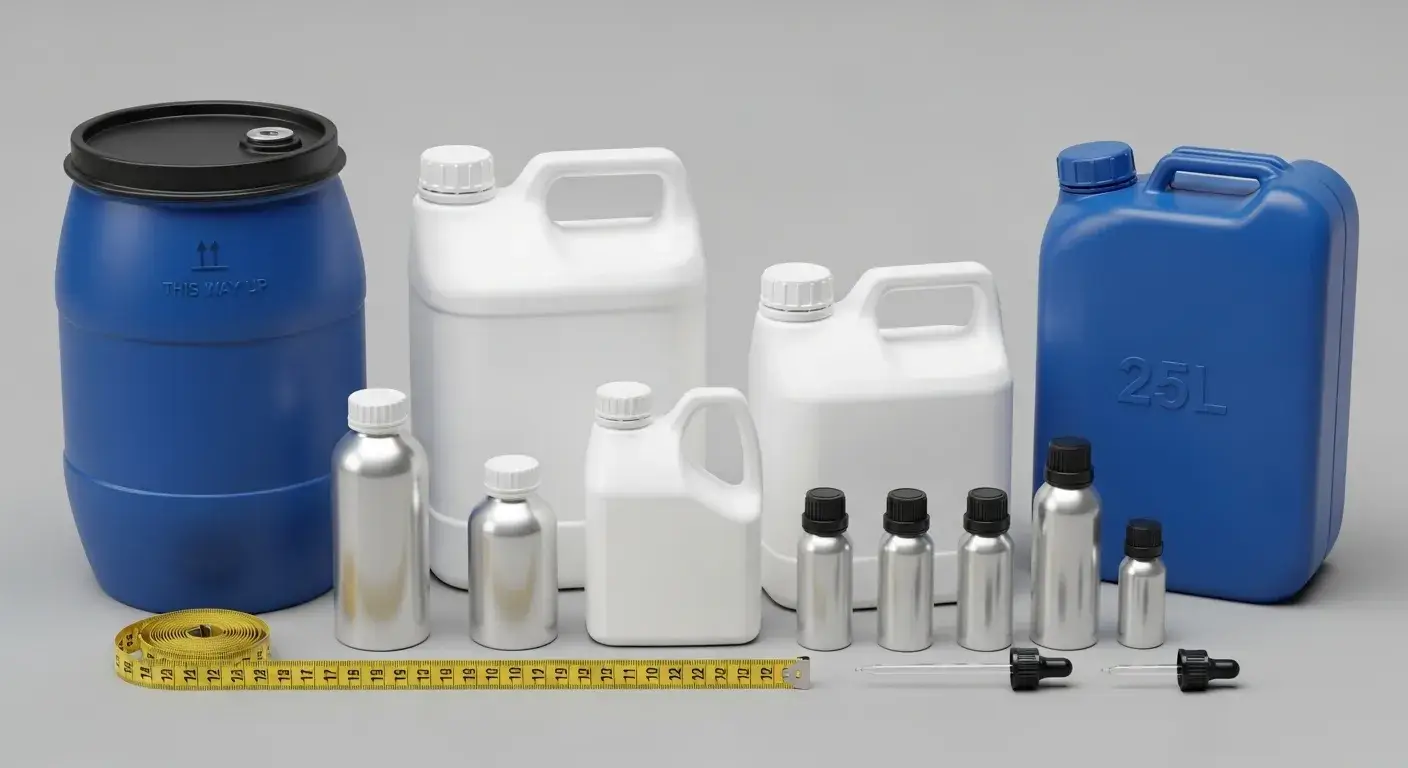
How Size Shapes Every Step
Bulk essential oils are used differently depending on who’s buying. A small spa may prefer 250ml bottles.
A contract manufacturer might need 200L drums. But what matters most is how well the oil is protected.
Large sizes like 5L or 25L save on packaging and price per ml but come with storage demands. Oils exposed to light, heat, or air degrade quickly. Small sizes like 100ml are easier to use and keep fresh but cost more per unit.
Choosing the right size means balancing:
- How fast you use the oil
- Where and how you store it
- Whether it will be opened and reclosed often
- What kind of pump, cap, or seal you need
What Are the Standard Bulk Essential Oil Bottle Sizes?
Think bigger than 30ml—bulk means serious volume.
Standard bulk sizes range from 100ml to 200L. Common sizes include 100ml, 500ml, 1L, 5L, 25L, and 200L drums.
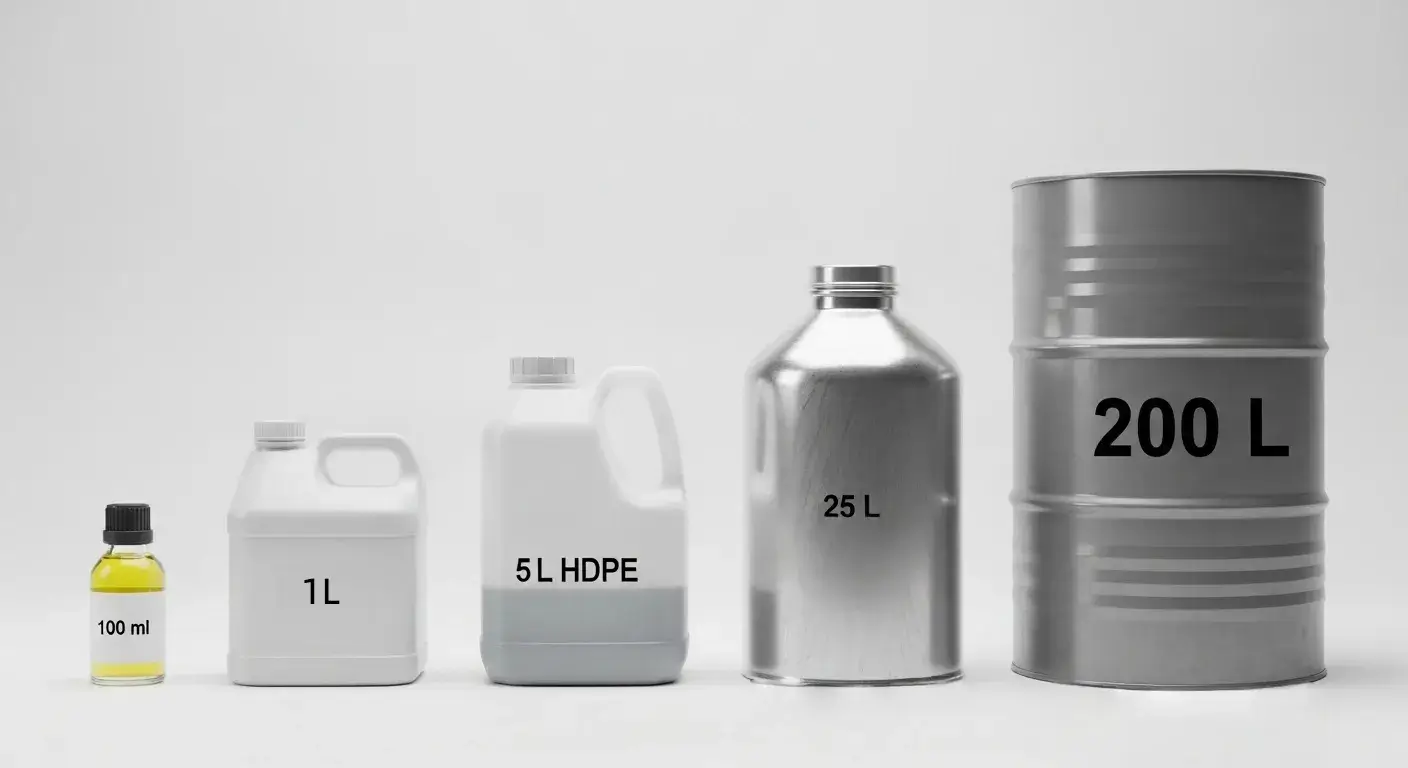
Bottle Sizes That Fit Each Type of Buyer
| Size Range | Buyer Type | Use Case |
|---|---|---|
| 100ml–250ml | Small spa, DIY business | Refill stations, aromatherapy blends |
| 500ml–1L | Formulators, holistic clinics | Regular in-house use, custom blends |
| 5L–25L | Wholesalers, medium brands | Filling multiple bottles, distribution |
| 50L–200L | Large manufacturers, exporters | Industrial scale blending or resale |
These sizes help users reduce the cost per ml. But they require planning for storage, shelf life, and handling. Oils in 200L drums need pumps or spouts to avoid spills or air exposure.
Which Packaging Formats Are Most Commonly Used?
Bottle shapes and materials aren’t just about looks. They protect your oil’s value.
The most common formats are amber or cobalt glass bottles, HDPE plastic jugs, aluminum cans, and steel drums. Each serves a different purpose.
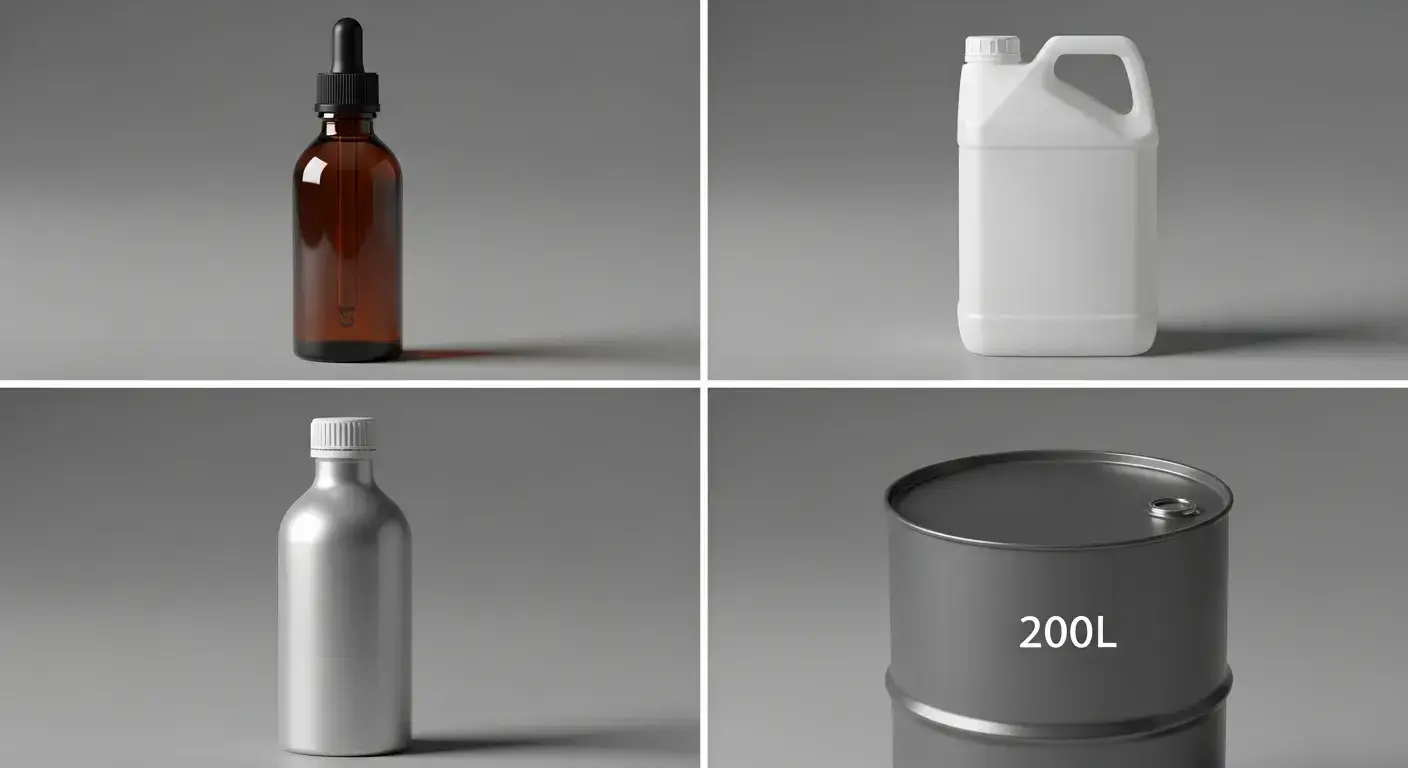
Choose the Right Format for Your Flow
| Format Type | Best For | Common Sizes | Key Features |
|---|---|---|---|
| Glass Bottles | Retail-style or small bulk | 10ml–1L | UV protection, inert, premium feel |
| HDPE Jugs | Larger B2B or industrial supply | 1L–25L | Durable, lightweight, food-grade |
| Aluminum Bottles | Sensitive or specialty oils | 100ml–5L | Light, non-breakable, odor barrier |
| Steel Drums | Mass production | 50L–200L | UN certified, tamper-resistant |
Closures include droppers for glass, screw caps for plastic, and pump or tap spouts for high-volume containers. Choose based on how you’ll pour or dispense the oil—and how often.
How Do Material and Closure Choices Affect Quality and Sustainability?
Materials matter more than most think—they can protect or damage your oils.
Glass is pure and protective but fragile. HDPE is durable and light but may allow some vapor loss. Metal is strong and often fully recyclable.
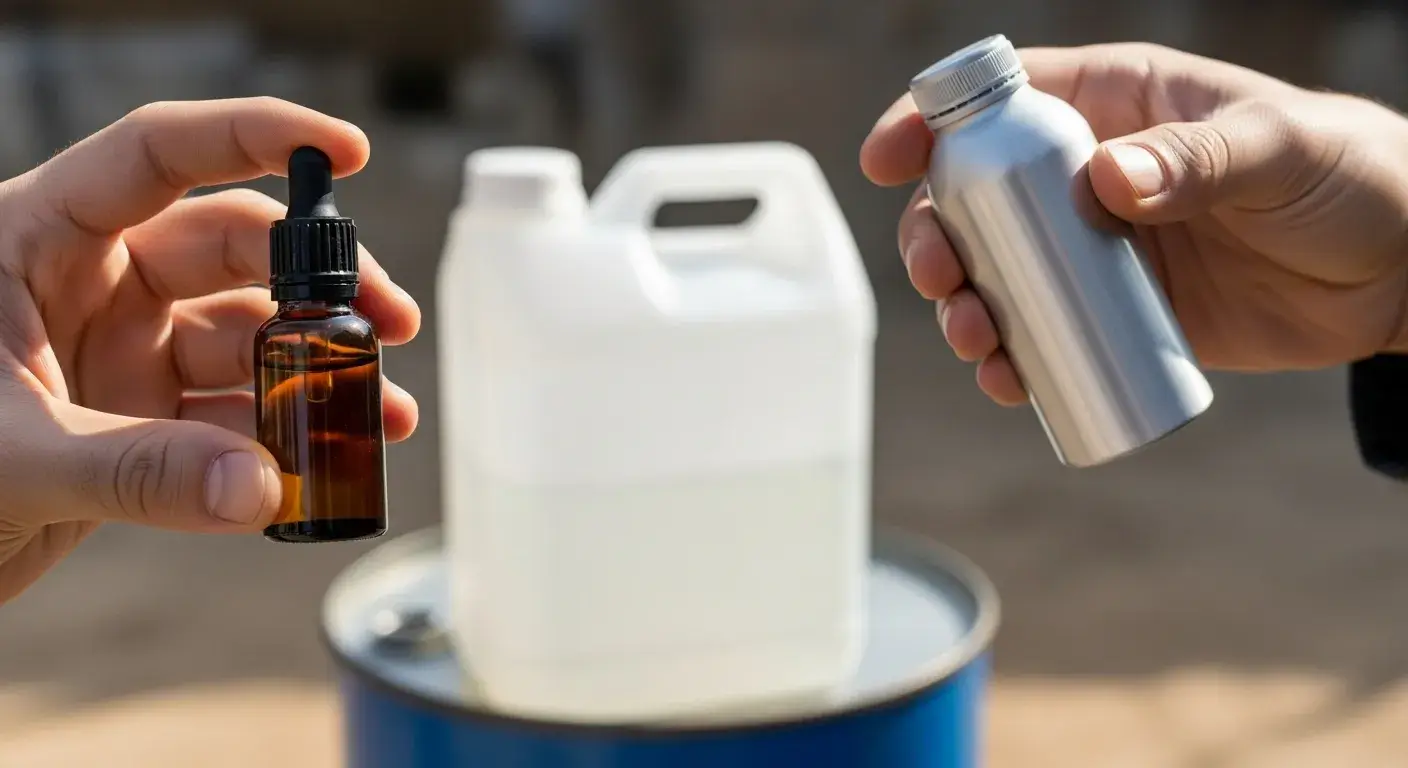
Material Science Meets Market Demands
Glass
- Amber or cobalt glass blocks UV rays
- Chemically inert—won’t react with oils
- Heavy and breakable—best for <1L
HDPE Plastic
- Light and durable
- Food-safe and cost-efficient
- Used in 1L to 25L sizes
- Should be UV-resistant or dark-colored
Aluminum
- Odor-proof, lightproof
- Popular for high-end oils
- Fully recyclable
Steel Drums
- Heavy-duty storage and transport
- Often used for 50L+
- Must be lined for safety
Closures & Seals
- Dropper: best for 10ml–30ml
- Screw cap: for larger bottles
- Pump: needed for refill stations
- Tamper-evident and child-resistant caps are increasingly required for compliance
Eco trends are reshaping the industry. More brands use refillable bottles, compostable caps, or paper-based shipping materials. Buyers want transparency—what’s the carbon footprint of that bottle1?
What Are the Latest Market Trends and Statistics for Bulk Packaging?
The global shift is clear—larger, smarter, and greener.
The bulk essential oil packaging market is projected to hit $2.78 billion by 2025. Growth is driven by automation, refill trends, and strict packaging laws.

Global Growth With Local Innovation
Key stats show the trend:
| Metric | Value |
|---|---|
| Essential Oil Container Market Size | $2.5B by 2032 |
| CAGR for Oil Packaging (2025–2033) | 6.4% |
| Leading Packaging Growth Regions | Asia-Pacific, North America |
| Europe: Sustainability Shift | >70% brands adopting eco packs |
| Industrial Packaging CAGR (2035 est.) | 8.2% |
In Asia, HDPE and aluminum production is scaling fast. In Europe, regulations now push brands toward traceable, recyclable packaging2. North America leads innovation in smart packaging—QR codes, NFC chips, and tamper-proof features.
What Questions Should Buyers Ask About Bulk Essential Oil Packaging?
Smart buyers ask before they buy.
Ask about safety, storage, materials, certifications, and shelf life. Packaging isn’t just about size—it’s about protection and compliance.
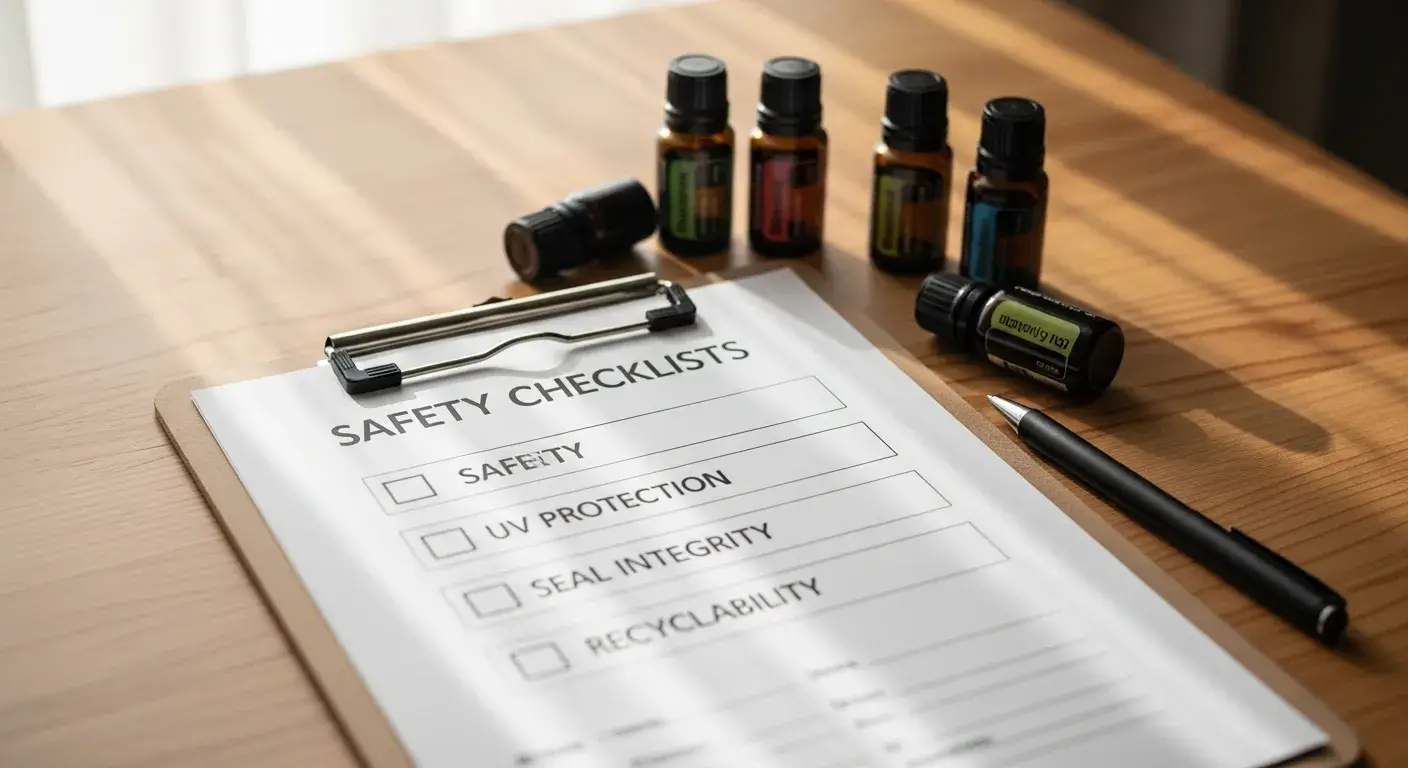
Checklist Before You Place a Bulk Order
-
Is this container food-grade or cosmetic safe?
Look for documentation. -
Does it block UV light?
Oils degrade in sunlight. -
Is it air-tight and leak-proof?
Essential oils evaporate fast. -
Is it tamper-evident or child-resistant?
Required in many markets. -
Can it be reused or recycled?
Sustainability matters more every year. -
How should it be stored?
Know the temperature range and exposure risks.
Ask your supplier for COA, MSDS, GC-MS, and packaging specs before buying.
How Does Bulk Packaging Compare to Retail Packaging?
Retail looks nice. Bulk means business.
Retail bottles focus on user convenience and branding. Bulk formats focus on safety, scale, and cost-efficiency.
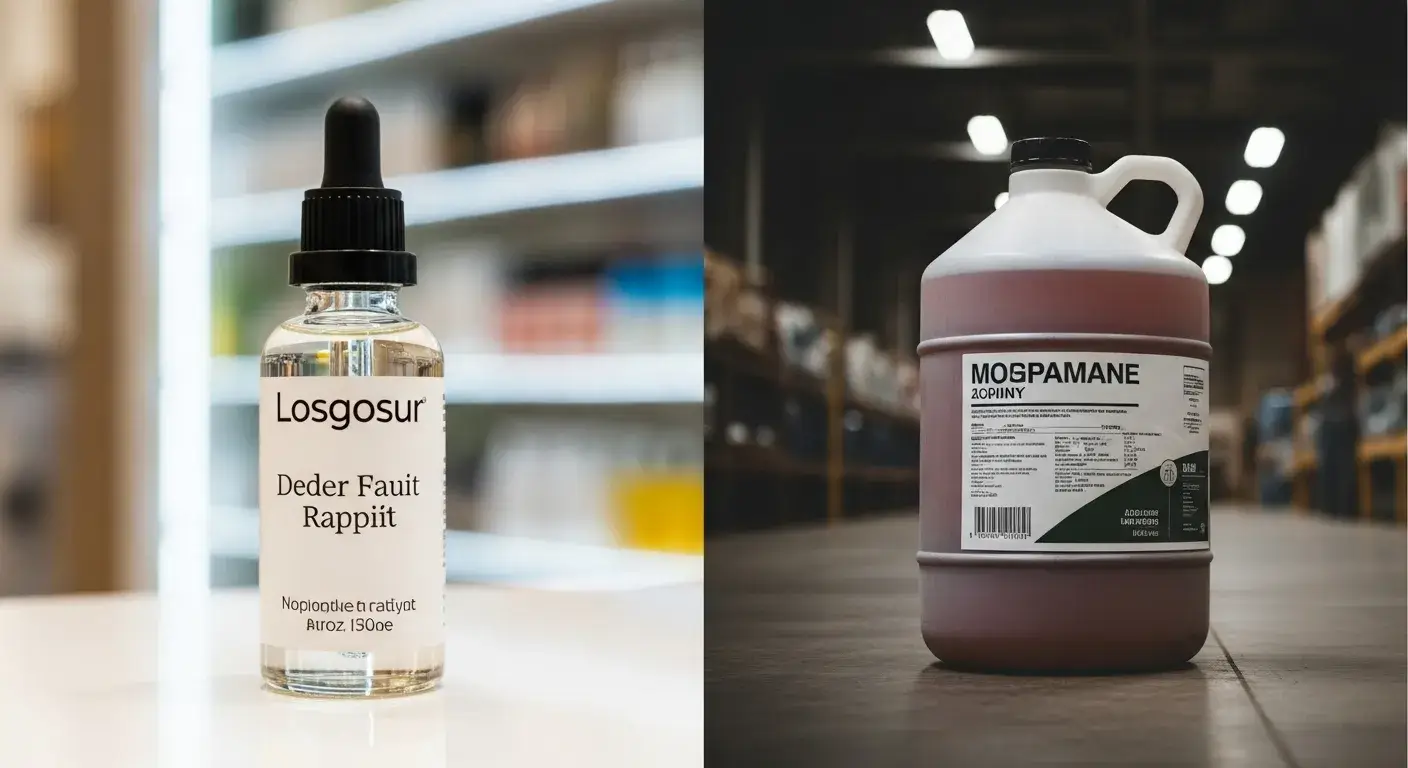
Two Worlds, Two Designs
| Feature | Retail Packaging | Bulk Packaging |
|---|---|---|
| Size | 5ml–30ml | 100ml–200L |
| Focus | Branding, display, fragrance | Storage, transport, compliance |
| Material | Mostly glass | HDPE, aluminum, steel, glass |
| Cap Type | Dropper, roller, spray | Screw, pump, tamper-seal |
| Sustainability Effort | High, but limited by size | Growing, especially in Europe |
If you’re launching a retail brand, you’ll use both. Bulk for formulation, retail for sales.
Conclusion
Bulk essential oil packaging is more than size—it’s about purpose, protection, and smart supply choices.
If you want to know more about bulk essential oils wholesale, read our bulk essential oils wholesale guide or contact our expert for details.
FAQ
Are 100ml bottles considered bulk packaging?
Yes, in many B2B contexts, 100ml is the entry-level bulk size—especially for small spas or formulators.
Can bulk essential oil packaging be customized?
Yes, many suppliers offer custom labeling, closures, and even bottle shapes or branding.
Which closures are safest for essential oils?
For large containers, screw caps with tamper-evidence or pumps are safest. Small bottles often use child-resistant caps.
How do I dispose of used bulk oil containers?
Glass can be recycled. HDPE and aluminum are also recyclable if cleaned. Steel drums often require industrial recycling.
Does bulk packaging affect shipping costs?
Yes. Larger formats reduce unit cost but increase weight and shipping class. Ask about palletization or freight options.