
Making your own natural hand-wash isn’t just a trendy DIY project—it’s a smart way to save money, avoid harmful chemicals, and reduce plastic waste.
But here’s what most guides won’t tell you: there are some crucial safety steps that can make or break your homemade hand-wash.

After researching dozens of recipes and testing various formulations, I’ve discovered the key issues that cause most DIY hand-wash attempts to fail. Let me share what actually works (and what doesn’t).
Why Switch to Natural Hand-Wash?
The numbers tell a compelling story. Commercial hand soaps often contain parabens, formaldehyde, and phthalates—chemicals linked to hormone disruption and cancer risks.
Meanwhile, you can make natural hand-wash for about $1 per bottle, compared to $3-6 for store-bought natural alternatives.
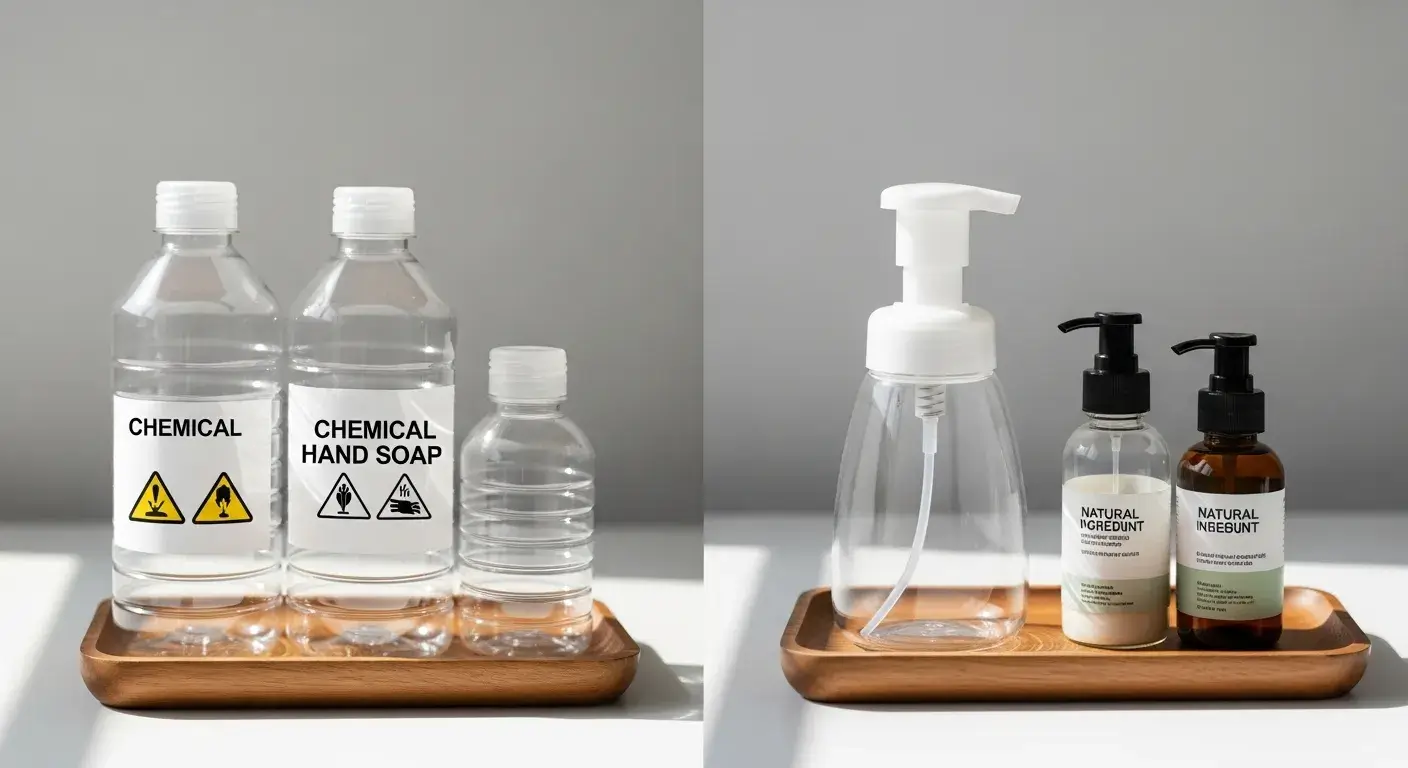
But the real game-changer? 82% of U.S. households now use organic soaps, and the organic soap market is projected to grow from $340.59 million to $598.01 million by 2032.
You’re not just joining a trend—you’re part of a massive shift toward safer, more sustainable living.
Understanding Your Ingredients: The Foundation of Success
The Core Players
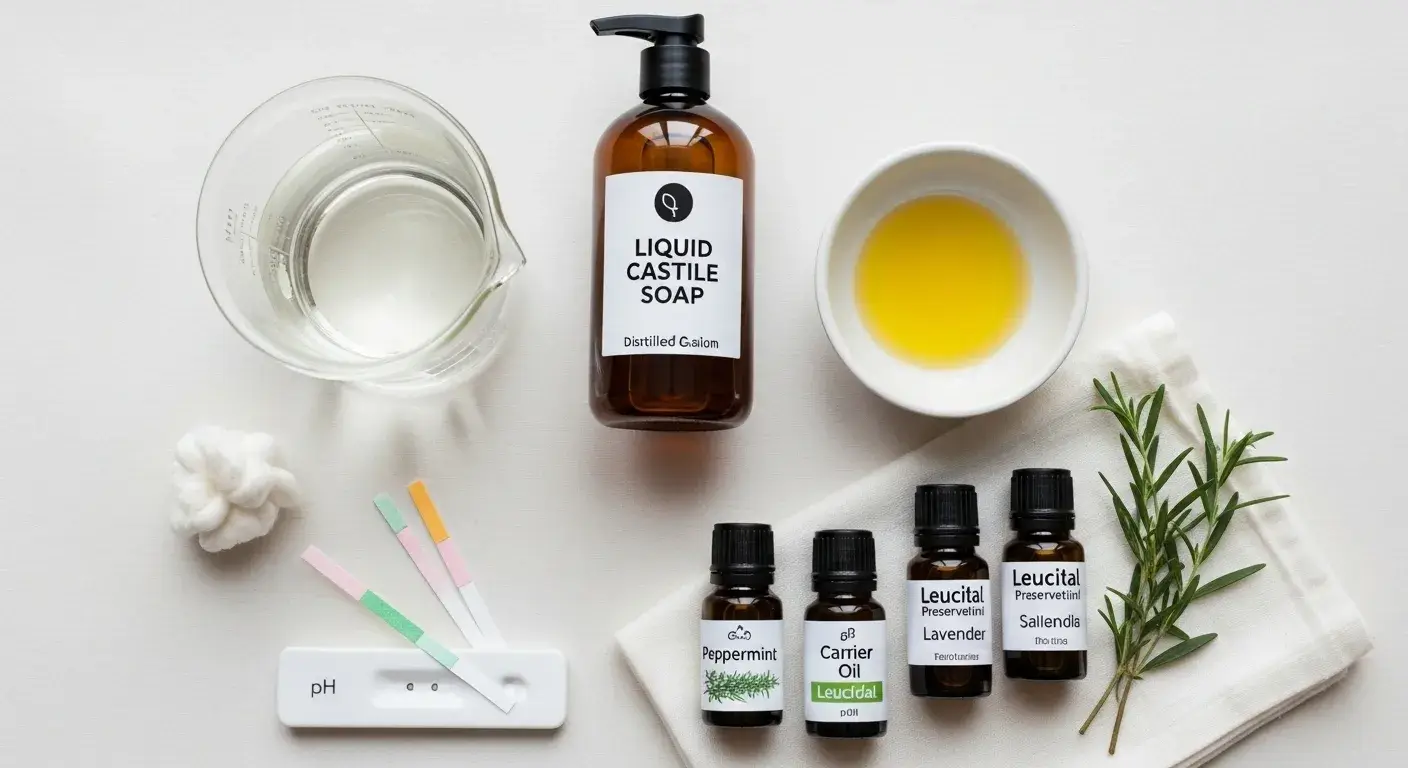
Castile Soap: Your cleaning powerhouse. This plant-based soap (usually olive or coconut oil-based) cleans without stripping your skin’s natural oils. Dr. Bronner’s is the gold standard, but any quality liquid Castile soap works.
Water: Always use distilled or boiled-then-cooled water. Tap water contains minerals and bacteria that can compromise your hand-wash’s shelf life.
Carrier Oils: Jojoba, sweet almond, or fractionated coconut oil add moisture. These aren’t just luxury additions—they prevent the over-drying that pure Castile soap can cause.
Essential Oils: Use sparingly (10-15 drops per bottle). Lavender, peppermint, and eucalyptus are popular choices, but we’ll discuss safety considerations later.
The Game-Changer Most Recipes Miss
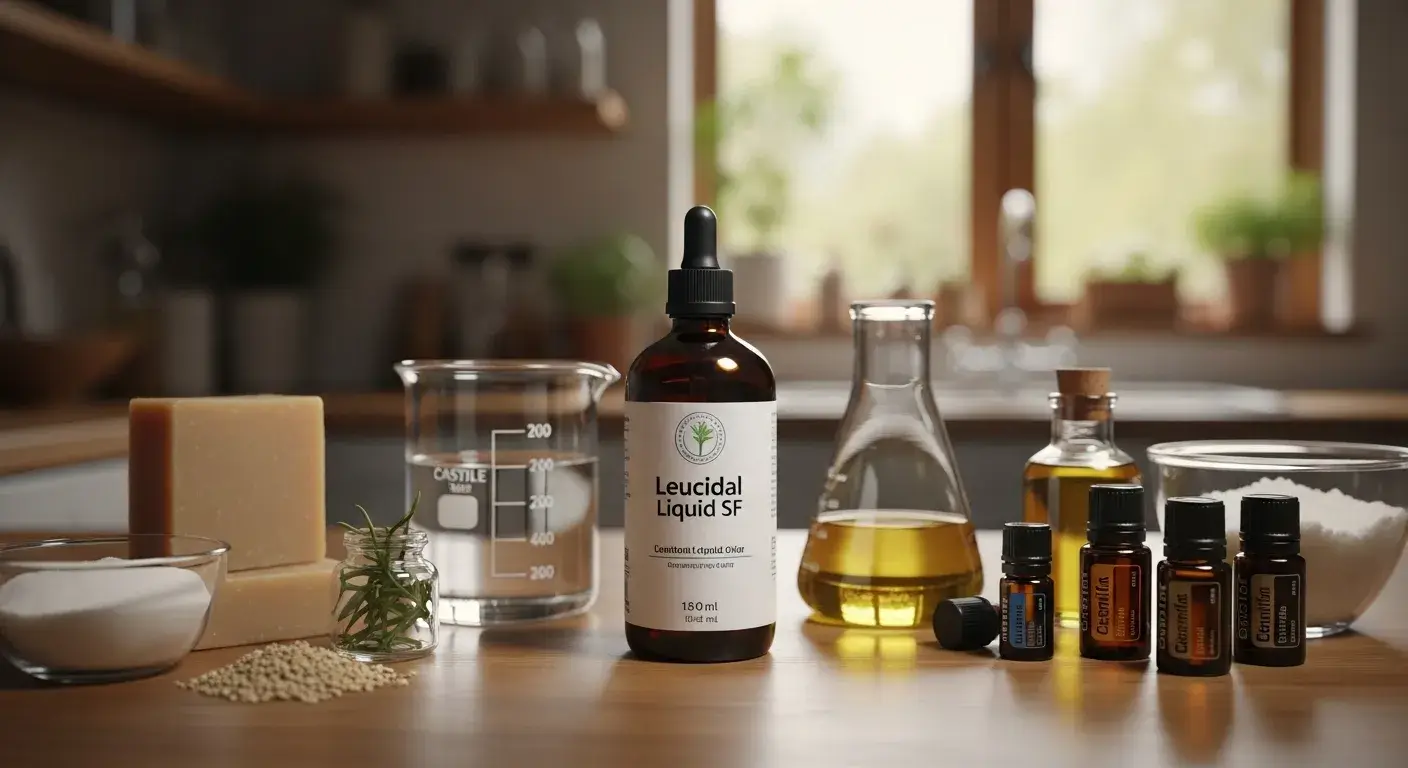
Here’s where most DIY guides fail you: preservatives. Water-based hand-wash without preservatives can develop bacterial growth within days.
Leucidal Liquid SF or Geogard Ultra™ (available from soap-making suppliers) extend shelf life to 1-2 months.
The Foolproof Foaming Hand-Wash Recipe
What You’ll Need
Ingredients:
- 1/4 cup liquid Castile soap (unscented)
- 3/4 cup distilled water
- 1 tsp jojoba or sweet almond oil (optional but recommended)
- 10-15 drops essential oil (optional)
- 1 tsp preservative (Leucidal Liquid SF or similar)
Equipment:
- Foaming soap dispenser (glass preferred)
- Funnel (optional but helpful)
Step-by-Step Instructions
-
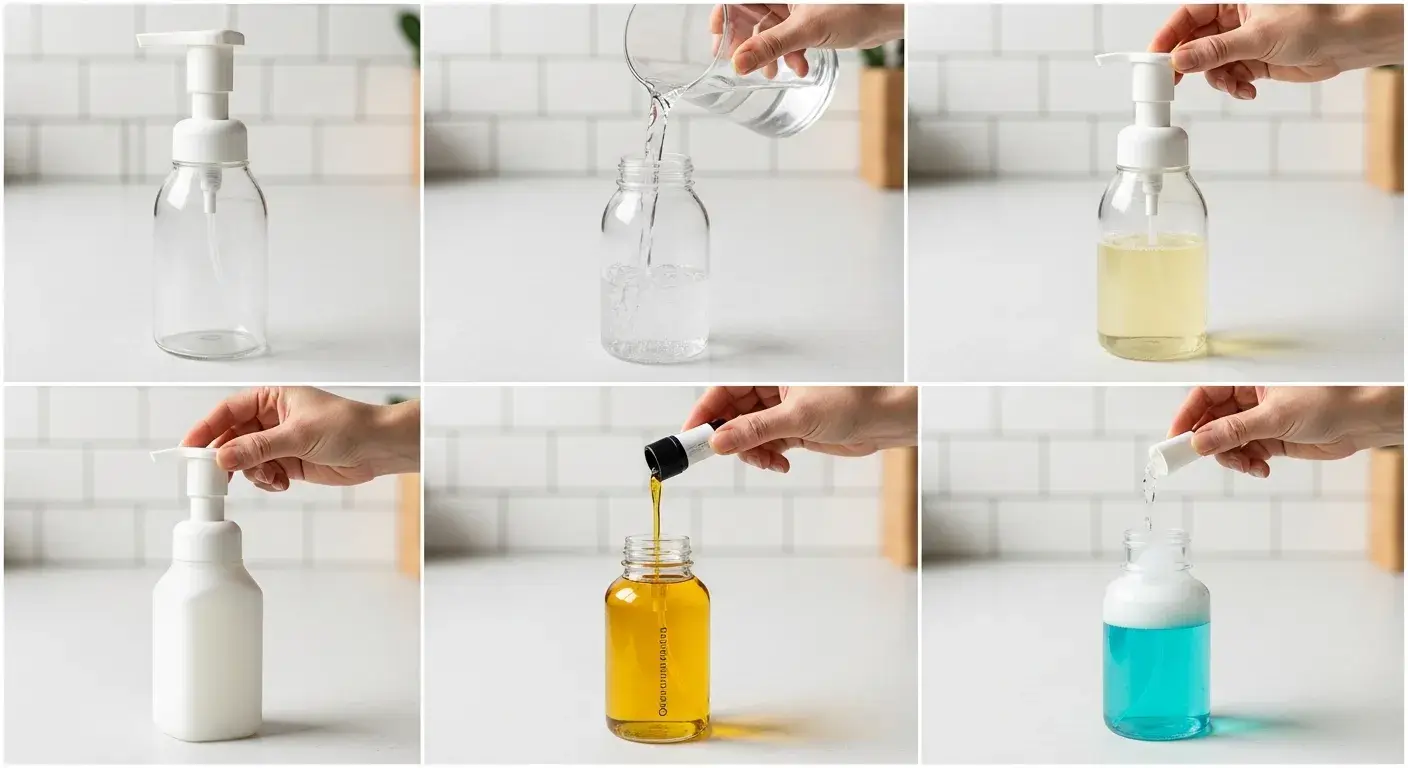
Start with water: Pour 3/4 cup distilled water into your foaming dispenser first. This prevents excessive bubbling during mixing.
-
Add the soap: Slowly add 1/4 cup Castile soap. Go slowly to minimize foam formation.
-
Include moisturizers: Add 1 tsp carrier oil if using. This step is crucial for preventing dry, tight-feeling hands.
-
Scent it up: Add 10-15 drops of essential oil. Less is more—you can always add more next time.
-
Preserve it: Add 1 tsp preservative. This isn’t optional if you want your hand-wash to last.
-
Mix gently: Swirl (don’t shake) to combine. Vigorous shaking creates too much foam.
Pro Tips for Success
- Use a foaming dispenser: Regular pumps won’t create the satisfying foam texture
- Expect some separation: This is normal with Castile-based recipes—just swirl before use
- Store properly: Cool, dark places preserve essential oil potency
Customizing Your Hand-Wash: Beyond Basic Recipes
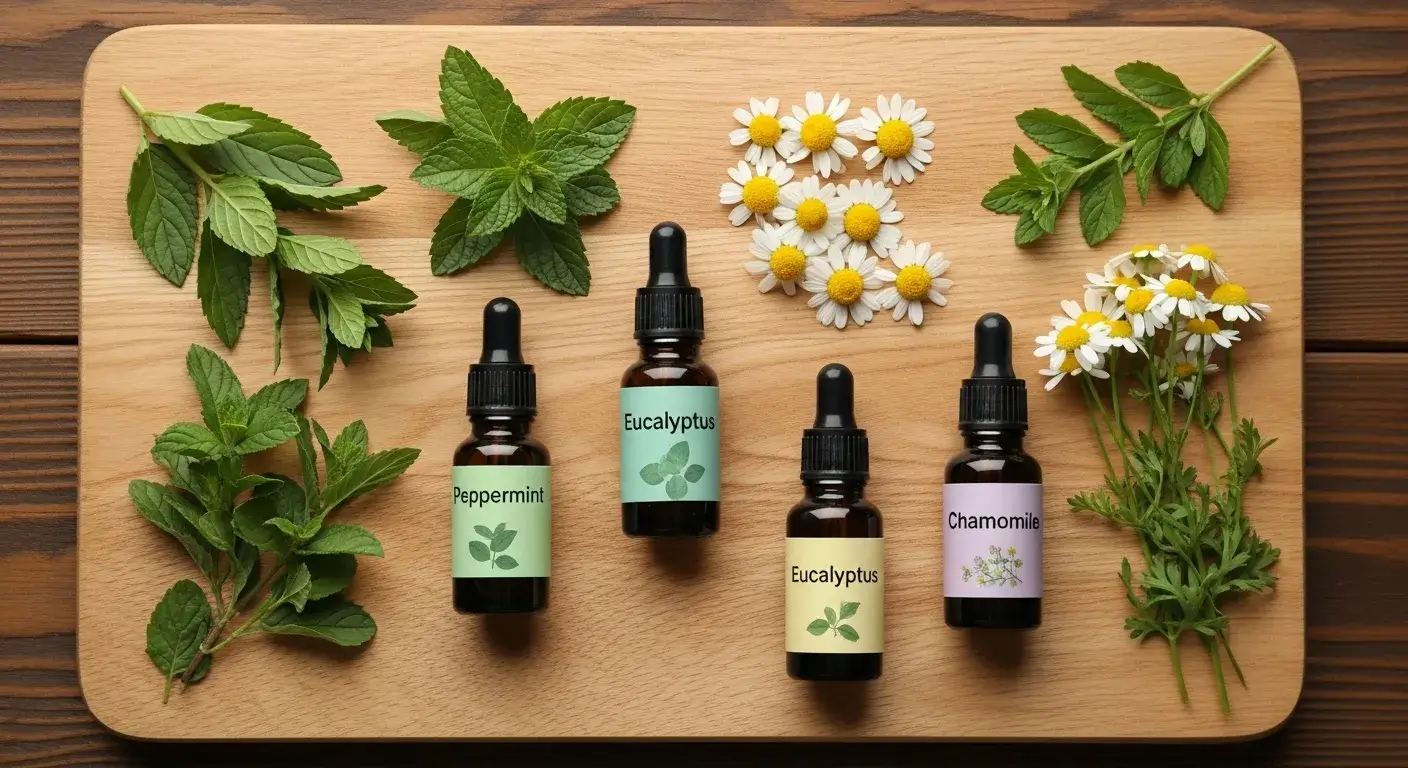
Scent Profiles That Actually Work
Refreshing Morning Blend: 8 drops peppermint + 7 drops eucalyptus
Calming Evening Mix: 10 drops lavender + 5 drops chamomile
Germ Season Boost: 10 drops tea tree + 5 drops lemon
For Sensitive Skin
Skip the essential oils entirely or use gentle options like chamomile. Avoid lavender and tea tree oils, which can cause irritation and potential endocrine disruption, especially in children.
Gentle Formula Modifications:
- Use unscented Castile soap
- Increase carrier oil to 2 tsp
- Add 1 tsp vegetable glycerin for extra moisture
- Test on a small skin patch first
Critical Safety Considerations (That Most Guides Skip)
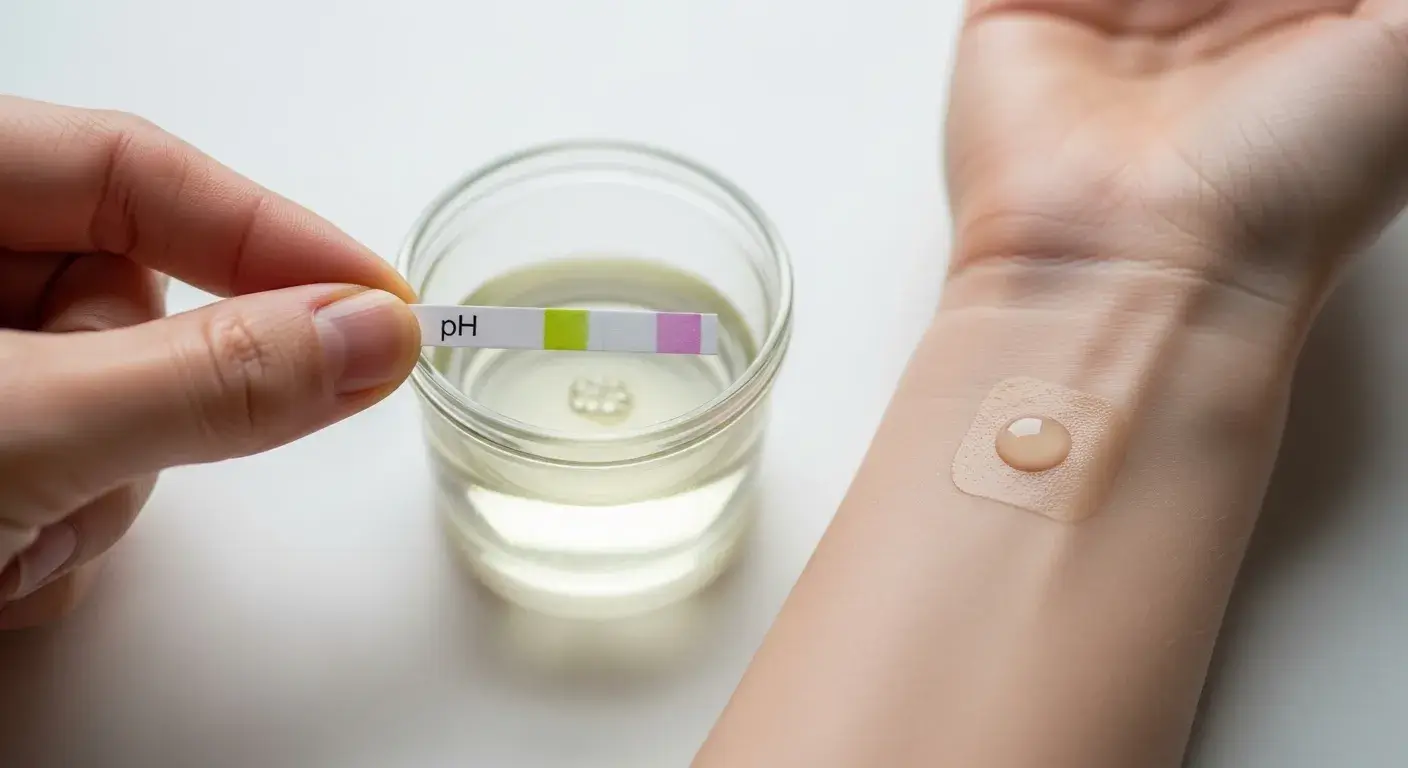
The pH Problem
Here’s something most DIY recipes won’t tell you: Castile soap has a pH of 8-9, while healthy skin maintains a pH of about 5. Regular use of high-pH cleansers can disrupt your skin’s protective barrier.
Solutions:
- Use sparingly (a little goes a long way)
- Follow with a pH-balanced moisturizer
- Consider adding decyl glucoside (available from soap suppliers) to lower pH
Preservative Safety
Water + time = bacterial growth. It’s that simple. Even if your hand-wash looks and smells fine, harmful bacteria can multiply invisibly. Preservatives aren’t just recommended—they’re essential for any water-based formula.
Essential Oil Warnings
- Children under 2: Avoid essential oils entirely
- Pregnancy: Consult healthcare providers before use
- Allergies: Always patch test new blends
- Concentration: More isn’t better—high concentrations can cause sensitization
Eco-Friendly Storage and Packaging
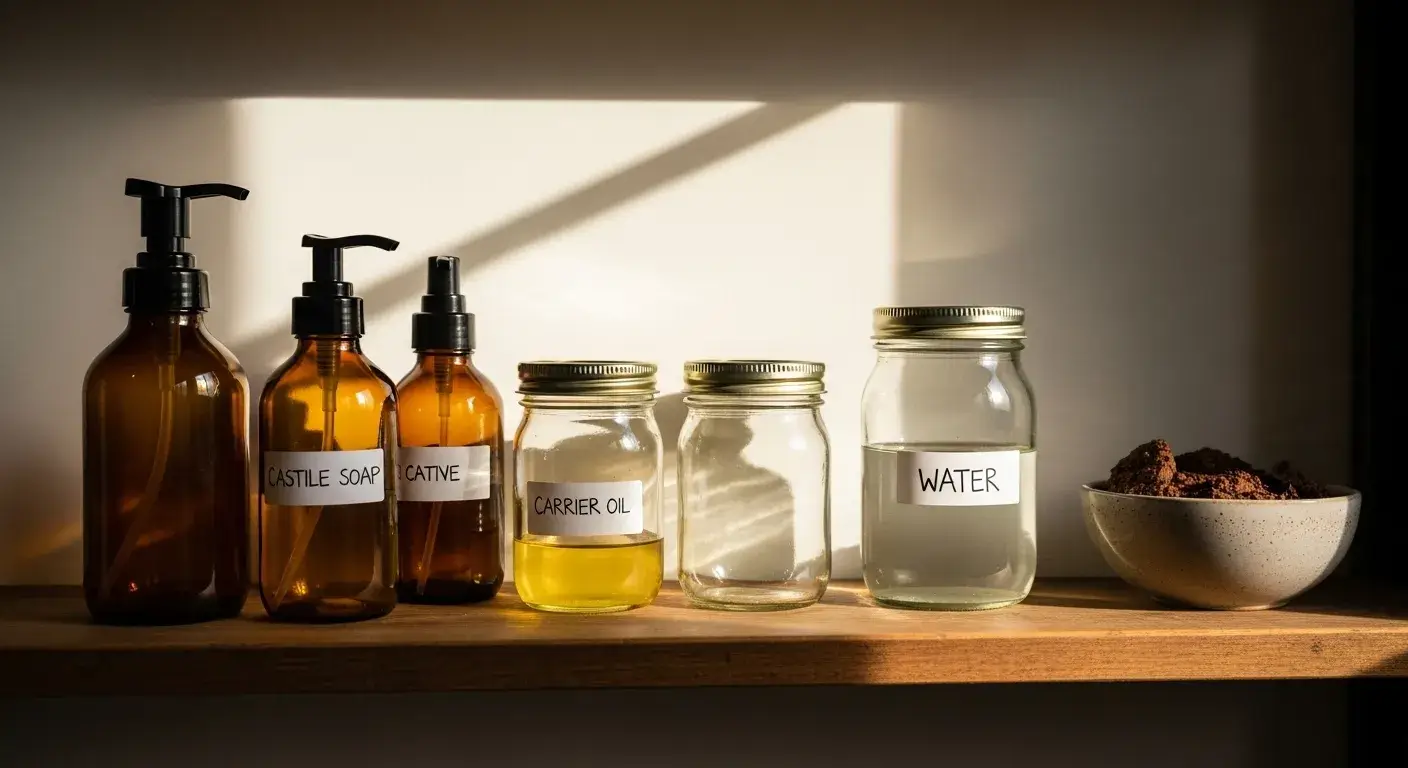
Container Choices That Make a Difference
Glass dispensers: Best for longevity and environmental impact. Mason jars with pump tops work perfectly.
Stainless steel: Excellent for families with young children (no breakage risk).
Repurposed containers: Thoroughly clean commercial foaming dispensers. Remove all labels and sanitize with vinegar.
Sustainable Sourcing
Choose Fair Trade or organic Castile soap when possible. The few extra dollars support ethical production practices and often result in higher-quality ingredients.
The Real Cost Breakdown

Let’s talk actual numbers. A 32oz bottle of quality Castile soap ($15) makes approximately 16 bottles of hand-wash. That’s $1 per bottle of homemade hand-wash versus $3-6 for commercial natural alternatives.
Annual Savings for Average Family:
- Commercial natural hand-wash: $150-200
- DIY hand-wash: $25-35
- Net savings: $125-165 annually
Add in reduced plastic waste and improved ingredient control, and the benefits compound quickly.
Troubleshooting Common Issues
"My Hand-Wash is Too Watery"
Solutions:
- Ensure you’re using a foaming dispenser (regular pumps won’t foam)
- Add 0.5-1% Solagum™ AX as a thickener
- Increase Castile soap ratio slightly (try 1/3 cup soap to 2/3 cup water)
"It’s Separating"
This is normal with Castile-based recipes. Simply swirl gently before each use. If separation is extreme, you may have hard water—switch to distilled water.
"My Family is Getting Skin Irritation"
Immediate steps:
- Reduce essential oil concentration by half
- Switch to unscented Castile soap
- Increase carrier oil content
- Ensure pH isn’t too high (test with pH strips)
"It Developed a Strange Smell"
This indicates bacterial growth. Discard immediately and remake with proper preservatives. Always use distilled water and sanitized containers.
Frequently Asked Questions
Can I make hand-wash without Castile soap?
Yes, but it’s more complex. You can use melted bar soap (requires more water and preservatives) or glycerin-based formulas (less cleansing power). Castile soap remains the easiest, most effective option.
How long does homemade hand-wash last?
With preservatives: 1-2 months at room temperature. Without: 1-2 weeks maximum, refrigerated. Always make small batches if skipping preservatives.
Are essential oils really antibacterial?
Some have mild antibacterial properties, but the FDA states they don’t outperform regular soap and water. Focus on proper hand-washing technique (20 seconds) rather than antibacterial additives.
Is it safe for kids?
Yes, with modifications. Use unscented formulas for children under 2, avoid tea tree and lavender oils, and ensure adult supervision during use.
Making It Your Own
The beauty of DIY hand-wash lies in customization. Start with the basic recipe, then experiment with different oils and scents. Keep detailed notes about what works for your family’s skin and preferences.
Remember: the best hand-wash is the one you’ll actually use consistently. Whether that’s a simple two-ingredient formula or a complex blend with multiple oils, the key is finding what works for your household.
Your homemade hand-wash won’t just clean your hands—it’ll give you peace of mind knowing exactly what your family is using, while saving money and reducing environmental impact. That’s a win worth washing your hands about.
Ready to start making your own natural hand-wash? Begin with the basic recipe and gradually experiment with customizations. Your skin (and wallet) will thank you.