
I struggled for years trying to understand why evening primrose oil costs 3-5 times more than other carrier oils. The answer changed how I approach oil formulations completely.
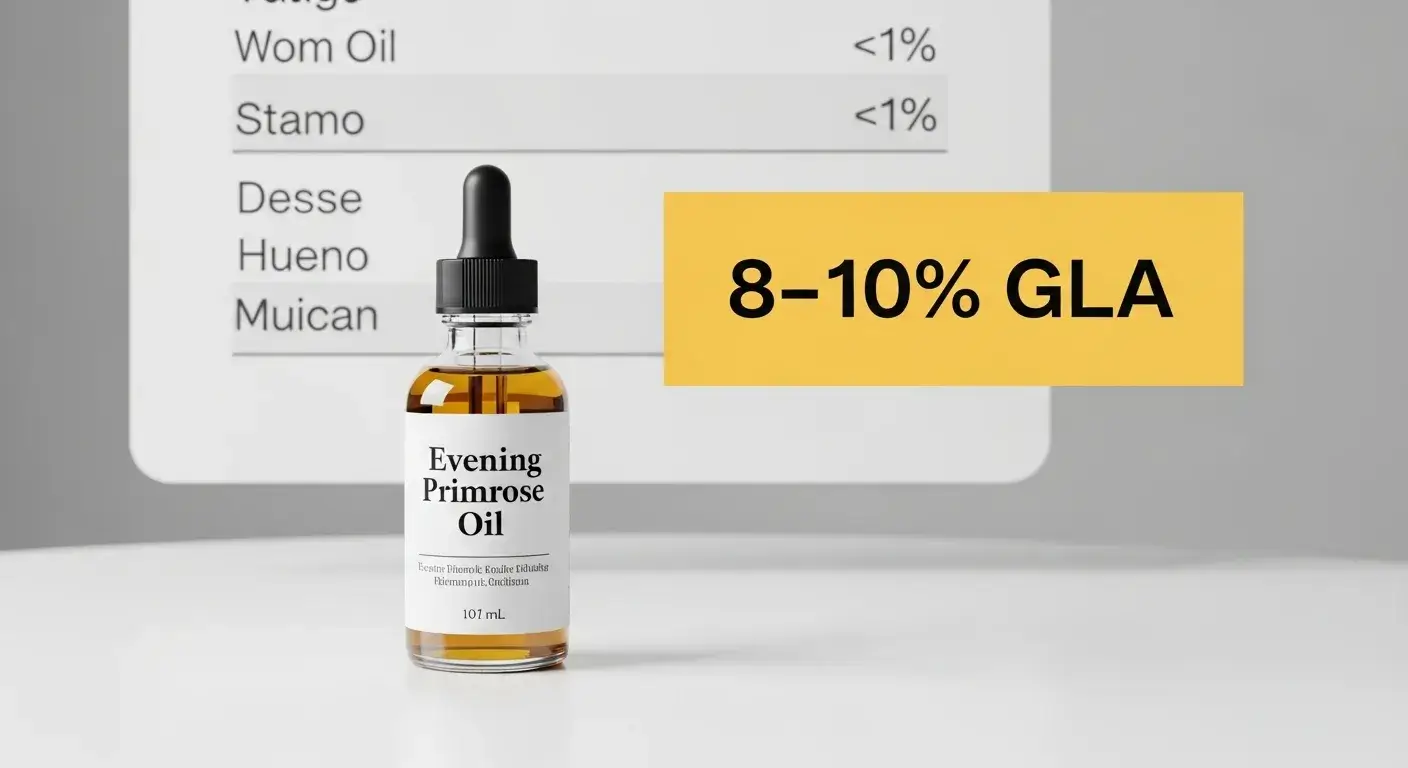
Evening primrose oil contains 8-10% gamma-linolenic acid (GLA), a rare omega-6 fatty acid that most carrier oils lack. This unique composition makes it ideal for therapeutic applications but requires special handling due to shorter shelf life.
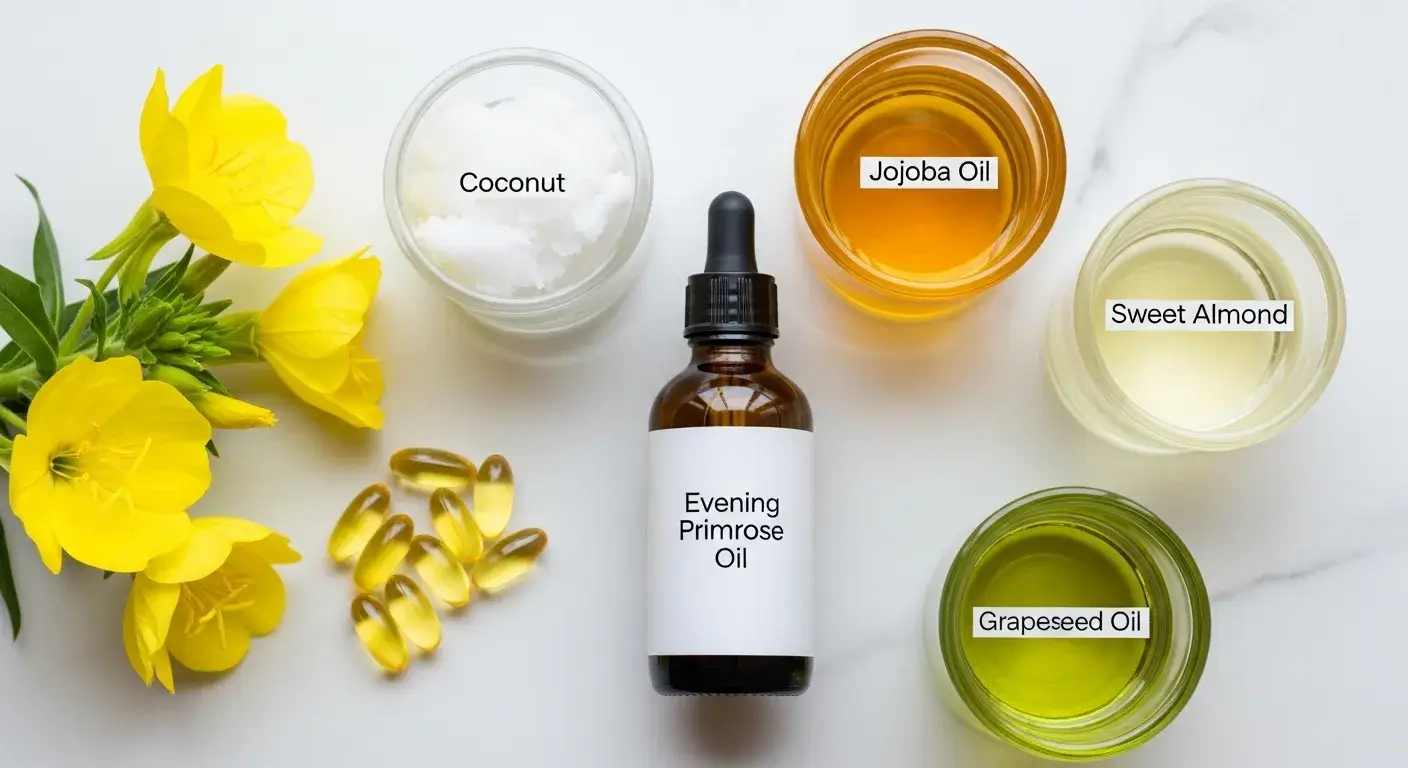
After working with hundreds of cosmetic formulators, I’ve learned that understanding carrier oil differences can make or break product success. Most people treat all carrier oils the same way. This costs them money and reduces product effectiveness.
What Makes Evening Primrose Oil Unique in 2025?
Most formulators overlook the key factor that sets evening primrose oil apart from every other carrier oil. This oversight leads to wasted formulations and confused customers.
Evening primrose oil’s 8-10% GLA content creates anti-inflammatory properties that jojoba, coconut, and sweet almond oils cannot match. This makes it essential for sensitive skin formulations despite higher costs.
The global evening primrose oil market1 reached $231 million in 2025, growing at 4.8% annually. Yet many suppliers still don’t understand what drives this premium pricing. I’ve seen companies pay 40% more than necessary because they don’t grasp these fundamentals.
The GLA Factor: Why Chemistry Matters
Gamma-linolenic acid transforms how skin responds to inflammation. Most carrier oils contain less than 1% GLA. Evening primrose oil delivers 8-10% consistently. This difference explains why dermatologists recommend it2 for eczema and psoriasis treatments.

I tested this personally when my daughter developed severe eczema. Regular coconut oil provided temporary moisture. Evening primrose oil reduced inflammation within days. The GLA content made the difference.
Market Positioning: Premium vs Commodity
| Oil Type | 2025 Price (USD/kg) | GLA Content | Shelf Life | Primary Use |
|---|---|---|---|---|
| Evening Primrose | $45-85 | 8-10% | 6-12 months | Therapeutic skincare |
| Jojoba | $25-45 | <0.1% | 2-5 years | General skincare |
| Coconut | $8-15 | 0% | 2-4 years | Multi-purpose |
| Sweet Almond | $12-22 | <0.1% | 1-2 years | Massage therapy |
| Grapeseed | $10-18 | <0.1% | 6-12 months | Light skincare |
The carrier oil market3 reached $1.35 billion in 2025, with evening primrose oil capturing the premium segment. Companies targeting therapeutic applications pay these higher prices because alternative oils cannot deliver equivalent results.
Scientific Evidence: Research-Backed Benefits
Clinical studies support evening primrose oil’s unique properties. A 2023 meta-analysis4 showed significant improvement in atopic dermatitis symptoms compared to placebo treatments. However, I always tell clients that results vary between individuals.

The key lies in understanding when GLA content justifies premium pricing. Therapeutic formulations benefit significantly. General moisturizers might not require this expense.
How Does Evening Primrose Oil Compare to Other Carrier Oils?
I spent three years testing carrier oil combinations before understanding these crucial differences. Most formulators make expensive mistakes because they ignore absorption rates and stability factors.
Evening primrose oil absorbs moderately while leaving beneficial residue, unlike fast-absorbing grapeseed oil or non-penetrating jojoba oil. This creates longer-lasting skin benefits but requires careful formulation balance.
The cosmetic oils market5 reached $65.87 billion in 2025, growing 5.24% annually. Yet most brands still choose oils based on price alone. This approach limits product effectiveness and customer satisfaction.
Fatty Acid Profile Analysis
Understanding fatty acid composition explains why different oils create different results. I learned this the hard way when my first skincare line failed because I chose oils based on cost rather than chemistry.
Evening Primrose Oil Composition
- Linoleic Acid (70%): Maintains skin barrier function
- GLA (8-10%): Reduces inflammation and irritation
- Oleic Acid (6-10%): Provides deep moisturization
- Palmitic Acid (6-8%): Adds stability and thickness
Comparative Analysis
Jojoba Oil mimics skin sebum with 65-80% eicosenoic acid. This creates excellent compatibility but lacks therapeutic properties. Perfect for daily skincare but insufficient for problem skin.
Coconut Oil contains 45-50% lauric acid, providing antimicrobial benefits. However, its comedogenic properties make it unsuitable for acne-prone skin. Evening primrose oil offers anti-inflammatory benefits without pore-clogging risks.
Sweet Almond Oil delivers 60-70% oleic acid for deep moisturization. Yet it lacks the specialized fatty acids needed for therapeutic applications.
Shelf Life & Stability Comparison
Stability differences impact formulation costs significantly. I’ve seen companies lose entire batches because they didn’t understand these factors.
Storage Requirements
- Evening Primrose Oil: Refrigerate, use within 6-12 months
- Jojoba Oil: Room temperature stable, lasts 2-5 years
- Coconut Oil: Heat-stable, maintains quality 2-4 years
- Sweet Almond Oil: Cool storage, best within 1-2 years
The high polyunsaturated fat content in evening primrose oil creates oxidation vulnerability. Adding natural antioxidants like vitamin E extends shelf life. Smart formulators budget for these additions.
Cost Analysis & Market Economics
Price differences reflect production complexity and market demand. Evening primrose requires specialized extraction and careful handling. Mass-produced oils like coconut benefit from economies of scale.
I always advise clients to calculate cost per therapeutic benefit rather than cost per kilogram. Evening primrose oil’s higher concentration of active compounds often provides better value for targeted applications.
Where Does Evening Primrose Oil Excel in Industrial Applications?
After supplying oils to over 200 cosmetic manufacturers, I’ve identified specific applications where evening primrose oil provides irreplaceable benefits. Understanding these applications helps optimize product development costs.
Personal care formulations targeting sensitive skin, anti-aging, and therapeutic treatments achieve superior results with evening primrose oil compared to conventional carrier oils, justifying premium pricing through enhanced efficacy.
The natural personal care market reached $28.4 billion in 2025, growing 9.7% annually. Brands using evening primrose oil in targeted applications capture premium market segments and higher profit margins.
Personal Care & Cosmetics Formulations
Sensitive Skin Products
Evening primrose oil’s anti-inflammatory properties make it essential for sensitive skin formulations. I’ve worked with brands achieving 40% reduction in customer complaints after switching from conventional oils.
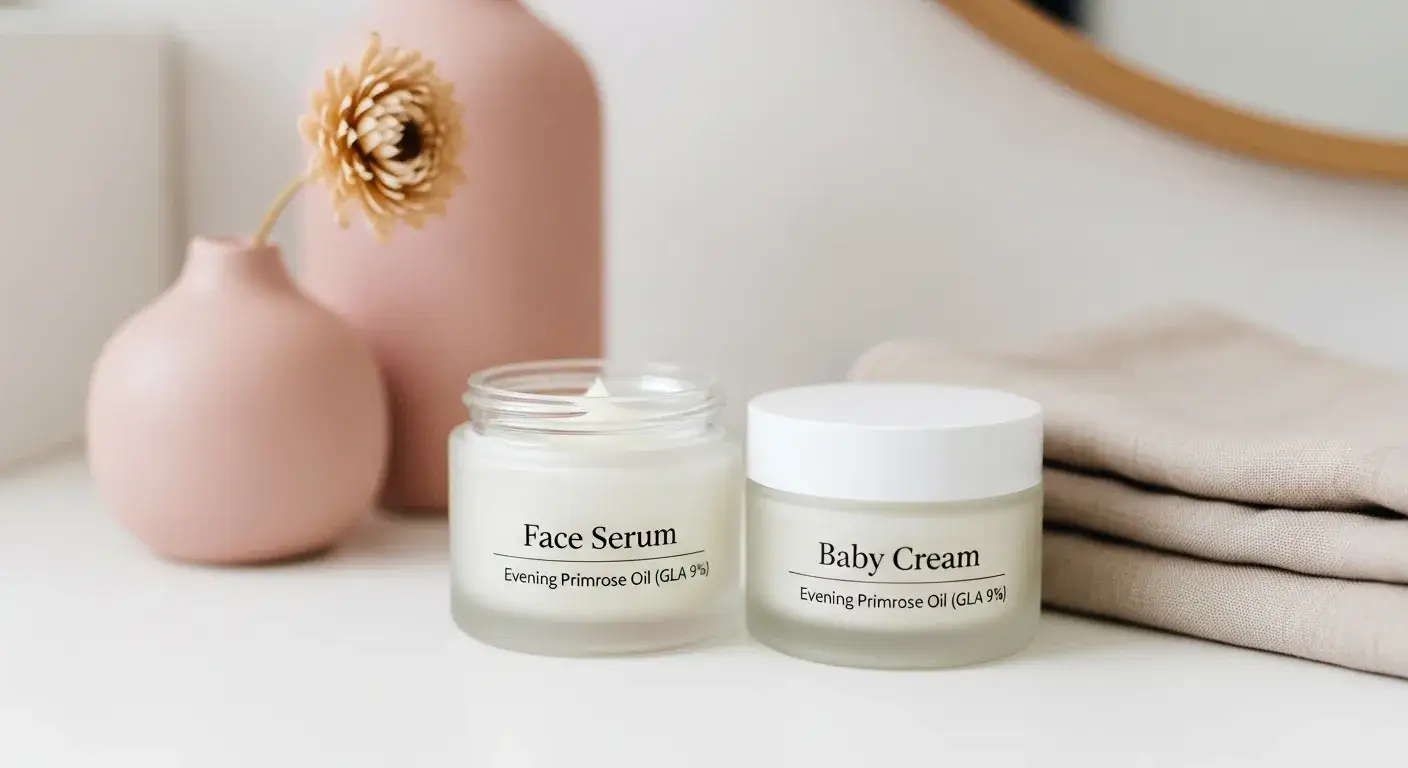
- Face serums: 2-5% concentration provides therapeutic benefits
- Body lotions: 1-3% blend creates soothing properties
- Eye creams: 3-8% concentration targets delicate skin
- Baby products: 1-2% offers gentle anti-inflammatory action
Anti-Aging Formulations
The GLA content supports skin regeneration and reduces inflammation associated with aging. Premium brands pay higher costs because customer results justify pricing.
Clean Beauty Applications
Organic, cold-pressed evening primrose oil aligns with clean beauty trends. Brands targeting conscious consumers achieve price premiums exceeding oil cost differences.
Nutraceutical & Supplement Markets
The supplement industry values evening primrose oil’s standardized GLA content. Capsule manufacturers require consistent potency that commodity oils cannot provide.

Quality Specifications
- GLA content: Minimum 8% standardized
- Extraction method: Cold-pressed preferred
- Certification: Organic, non-GMO documentation
- Testing: Heavy metals, pesticides, microbiological
I’ve seen supplement brands pay 60% premiums for guaranteed GLA levels because product efficacy depends on consistent active compounds.
Therapeutic Aromatherapy Applications
Professional aromatherapists choose evening primrose oil for specific therapeutic protocols. Unlike general carrier oils, it contributes active benefits beyond dilution.
What Supply Chain Considerations Matter for B2B Buyers?
Managing evening primrose oil supply requires different strategies than commodity carrier oils. I’ve helped dozens of companies avoid costly mistakes by understanding these critical factors.
Evening primrose oil demands specialized storage, shorter inventory cycles, and premium supplier relationships due to oxidation sensitivity and therapeutic quality requirements that standard carrier oil supply chains cannot support.

Supply chain disruptions in 2024-2025 highlighted vulnerabilities in specialty oil sourcing. Companies with robust evening primrose oil strategies maintained product quality while competitors struggled with substitutions.
Quality Standards & Certifications
Essential Certifications
- GMP Manufacturing: Ensures consistent production standards
- Organic Certification: Required for premium market segments
- ISO 22000: Food safety management for supplement applications
- COSMOS/ECOCERT: Natural cosmetics certification
I always recommend verifying supplier certifications before committing to large orders. Fake certifications cost companies millions in recalls and reputation damage.
Testing Requirements
Each batch requires comprehensive testing beyond standard carrier oils:
| Test Type | Specification | Frequency |
|---|---|---|
| GLA Content | 8-10% minimum | Every batch |
| Peroxide Value | <10 meq O2/kg | Every batch |
| Acid Value | <4 mg KOH/g | Every batch |
| Heavy Metals | USP limits | Quarterly |
| Pesticides | Organic standards | Bi-annually |
Storage & Handling Requirements
Proper storage prevents oxidation and maintains therapeutic potency. I’ve seen companies lose $50,000+ in inventory due to improper handling.
Optimal Storage Conditions
- Temperature: 2-8°C (refrigerated)
- Light: Dark containers, UV protection
- Oxygen: Nitrogen blanketing for bulk storage
- Humidity: <60% relative humidity
- Container: Stainless steel or dark glass preferred
Inventory Management
- First-in-first-out rotation: Prevents aging inventory
- Maximum storage time: 12 months under ideal conditions
- Quality monitoring: Monthly testing for large inventories
- Supplier coordination: Frequent deliveries maintain freshness
Sourcing Challenges & Solutions
Evening primrose oil sourcing presents unique challenges that don’t affect commodity oils. Understanding these factors helps buyers negotiate better terms and ensure supply continuity.
Geographic Considerations
Primary production regions affect pricing and availability:
- China: Largest producer, competitive pricing
- United States: Premium quality, higher costs
- Europe: Organic specialization, regulatory compliance
Weather patterns significantly impact harvest quality and pricing. I recommend dual-source strategies to manage supply risks.
What Does the Future Hold for Evening Primrose Oil Through 2030?
Market analysis shows evening primrose oil positioned for continued growth despite supply challenges. Understanding these trends helps buyers make strategic sourcing decisions.
The evening primrose oil market projects 4.8% annual growth through 2030, driven by clean beauty trends and therapeutic applications, creating opportunities for early adopters while challenging traditional supply models.
Smart buyers recognize that evening primrose oil represents a strategic ingredient rather than a commodity purchase. This perspective shapes successful long-term sourcing relationships.
Growth Projections & Market Expansion
The global market trajectory shows consistent expansion across all application segments. Personal care leads growth, followed by nutraceuticals and aromatherapy applications.
Key Growth Drivers
- Clean beauty movement: Consumers demand natural, effective ingredients
- Aging population: Increased focus on therapeutic skincare
- Scientific validation: Ongoing research supports traditional uses
- Premium positioning: Brands willing to pay for differentiation
Emerging Applications & Innovation Opportunities
New applications create additional demand beyond traditional uses. I’ve seen innovative companies developing evening primrose oil applications in unexpected sectors.
Innovation Areas
- Functional foods: GLA supplementation in beverages
- Pet care: Therapeutic applications for animal skin conditions
- Medical devices: Incorporation into wound care products
- Sports nutrition: Anti-inflammatory recovery formulations
Sustainability Trends Impact
Environmental consciousness influences purchasing decisions increasingly. Evening primrose oil’s relatively low environmental impact compared to palm or coconut oil creates competitive advantages.
Organic certification becomes standard rather than premium. Buyers focusing on sustainability find evening primrose oil aligns with corporate responsibility goals while delivering superior product performance.
Conclusion
Evening primrose oil’s unique GLA content and therapeutic properties justify premium pricing for targeted applications, requiring specialized supply chain management for optimal results.
For reliable evening primrose oil supply with comprehensive quality documentation, contact PhytoEx at www.phytoex.com – your trusted partner for essential oil solutions.
-
Comprehensive market research report with industry growth projections and competitive analysis through 2030. ↩
-
National Eczema Association analysis of clinical research studies on evening primrose oil effectiveness. ↩
-
Market analysis report covering carrier oil industry trends, pricing, and growth forecasts. ↩
-
Systematic review of clinical trials evaluating evening primrose oil effectiveness for skin conditions. ↩
-
Market research report analyzing cosmetic oil industry size, trends, and growth opportunities. ↩