
The evening primrose oil market is booming, and smart B2B buyers need solid data to make informed decisions. As someone who’s worked closely with essential oil suppliers and manufacturers, I’ve seen firsthand how market trends can make or break sourcing strategies.
Let me share what’s really happening in this space right now.
Market Snapshot: Key Data at a Glance
| Market Metric | Current Data | Projection |
|---|---|---|
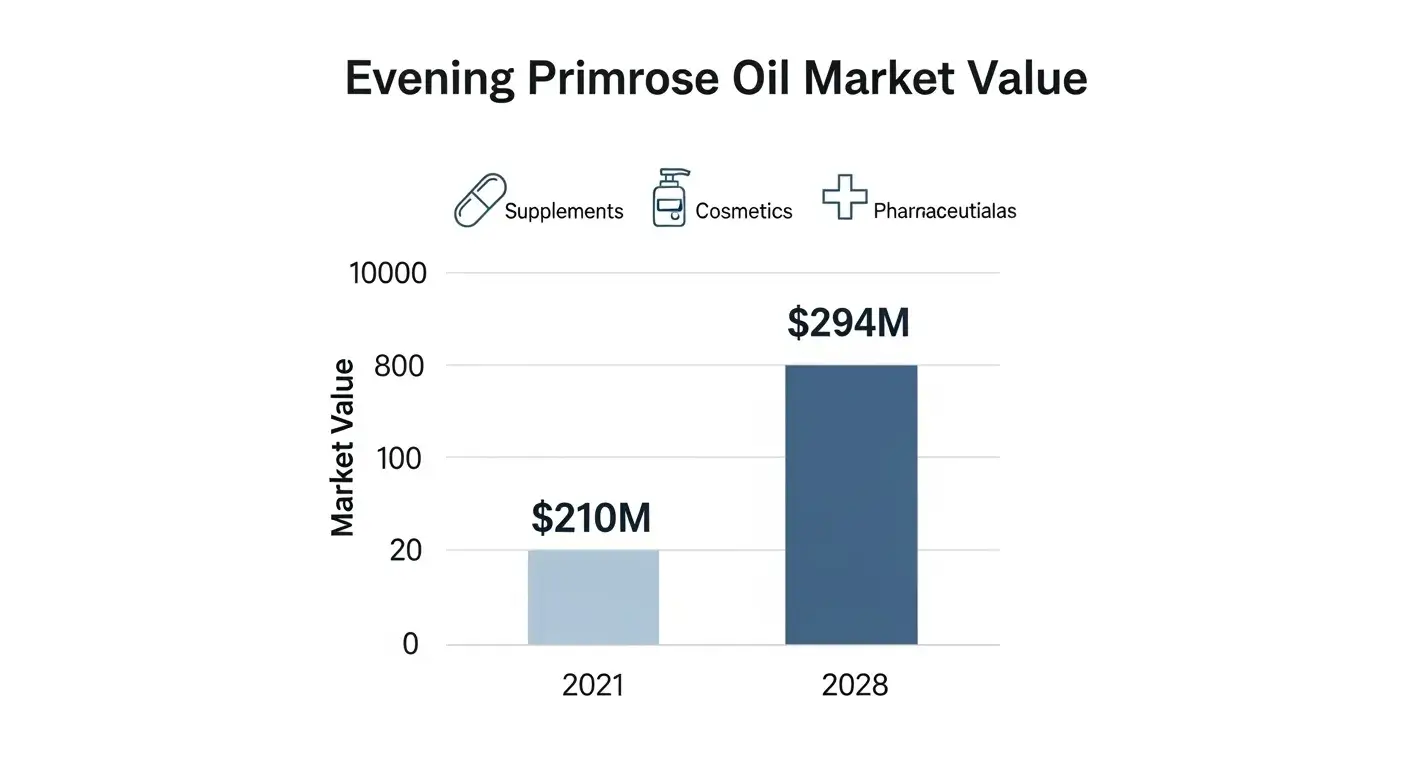
| Global Market Size | $210.33 Million (2021) | $294 Million by 2028 |
| Growth Rate | 4.85% – 7.2% CAGR | Steady upward trend |
| Supplements Segment | $1.2 Billion (2024) | $2.1 Billion by 2033 |
| Top Applications | Cosmetics, Supplements, Pharma | Clean beauty driving growth |
| Fastest Growing Region | Asia-Pacific | 9% annual growth |
| Key Quality Standard | GMP Certification | ISO compliance essential |
| Average MOQ | 1kg – 25kg | Varies by supplier |
| Lead Times | 3-7 days (stocked) | 2-4 weeks (custom) |
Source: Fact.MR, Verified Market Reports, Industry Analysis

Evening primrose flowers in full bloom – the source of valuable GLA-rich oil used in cosmetics and supplements
Market Size and Growth Projections
The evening primrose oil market is experiencing what I’d call "steady momentum" rather than explosive growth. However, don’t let those moderate numbers fool you – there’s real opportunity here for strategic buyers.
Overall Market Performance
According to Fact.MR’s latest market research report1, the global evening primrose oil market reached $210.33 million in 2021. What’s interesting is how this breaks down across different applications. The supplements segment dominates, but cosmetics applications are growing faster than most people realize.
The projected 4.85% CAGR through 2028 might seem modest, but it represents consistent, predictable demand. For B2B buyers, this stability is actually good news – it means less volatility in pricing and supply chains.
Application-Specific Growth Patterns
Here’s where things get interesting for cosmetics manufacturers. The supplements segment grabbed $1.2 billion in 2024, but cosmetics applications are showing stronger percentage growth. I’ve noticed this trend accelerating, especially among clean beauty brands targeting natural ingredients.
Key growth drivers include:
- Clean beauty movement expanding globally
- Consumer preference for plant-based skincare
- Regulatory approval for cosmetics applications
- E-commerce making specialized oils more accessible

Modern extraction facility showing GMP-compliant evening primrose oil production
Regional Demand Patterns
Asia-Pacific leads growth at 9% annually, driven primarily by increasing health awareness and disposable income. However, North America and Europe remain the largest consumers by volume – exactly the markets most B2B buyers are targeting.
What surprises many buyers is that European demand is particularly strong for cosmetics-grade evening primrose oil. This aligns perfectly with the region’s strict cosmetics regulations and consumer preference for natural ingredients.
Supply Chain and Sourcing Considerations
After working with numerous essential oil manufacturers, I’ve learned that evening primrose oil presents unique sourcing challenges that smart buyers need to understand.
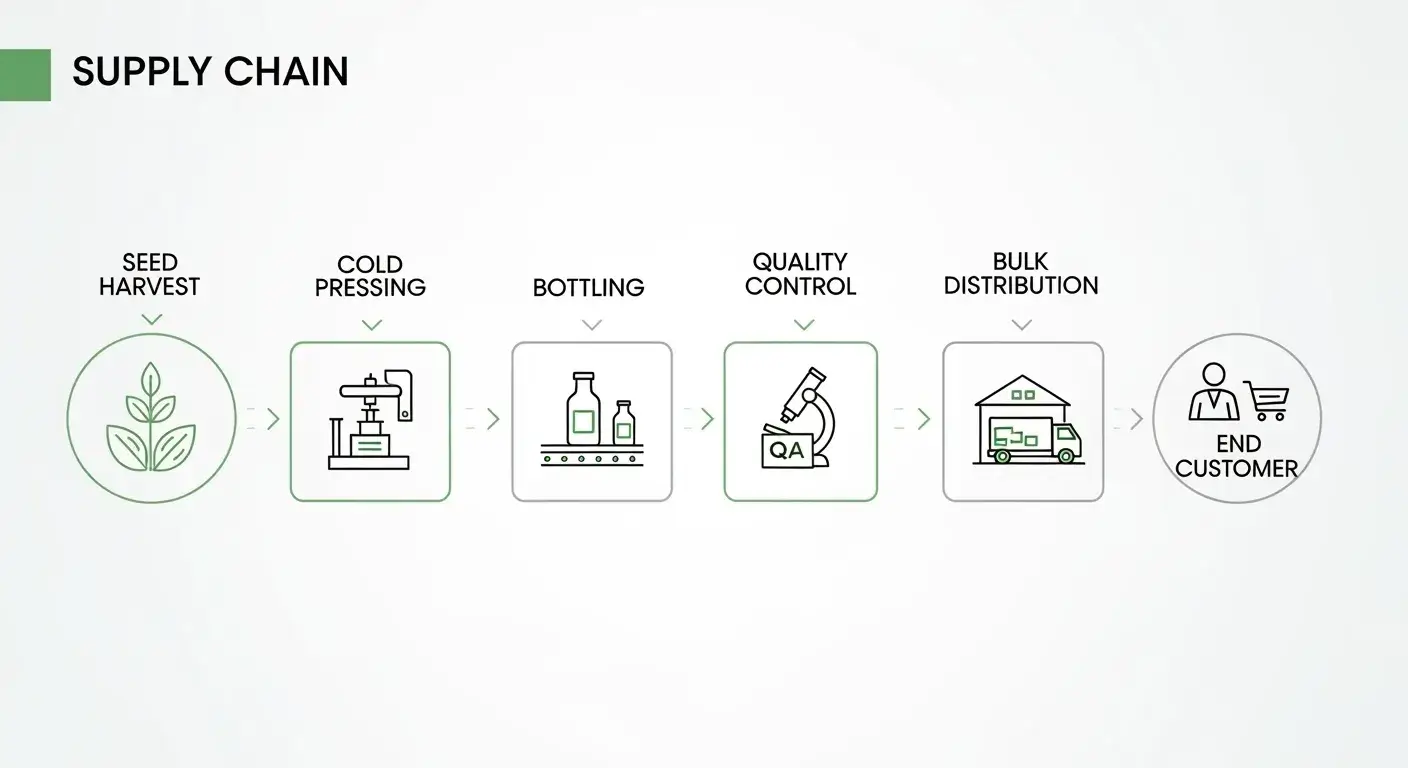
Raw Material Availability and Pricing Trends
Evening primrose is primarily cultivated in China, Europe, and North America. Unlike some essential oils that face seasonal shortages, evening primrose oil enjoys relatively stable supply – but with important caveats.
Current pricing factors:
- Seed quality varies significantly by region
- GMP-certified suppliers command 15-20% premium
- Bulk orders (20+ tons) often get 8-12% discounts
- Organic certification adds roughly 25-30% to base price
I’ve seen too many buyers focus solely on price without considering quality specifications. This approach usually backfires when dealing with cosmetics applications where consistency matters.
Quality Standards and Certifications Needed
For B2B buyers, understanding quality requirements is crucial. GMP certification2 isn’t optional – it’s the baseline for any serious cosmetics or pharmaceutical application.
Essential certifications include:
- GMP (Good Manufacturing Practice) – absolutely mandatory
- ISO 9001 for quality management systems
- ISO 22000 for food safety (supplements applications)
- Organic certification (USDA, EU Organic) for premium markets
- Halal/Kosher certification for specific market segments
PhytoEx maintains all these certifications, which explains why we can serve such diverse B2B clients across different industries.

Quality control laboratory testing evening primrose oil for GLA content and purity
Seasonal Factors Affecting Supply
Unlike many essential oils, evening primrose oil supply remains relatively stable year-round. However, harvest timing does affect pricing, typically creating slight cost advantages during September through November in the Northern Hemisphere.
Smart buyers often negotiate annual contracts during harvest season to lock in favorable pricing. This strategy works particularly well for companies with predictable demand patterns.
Applications Driving Market Growth
Understanding application trends helps B2B buyers make smarter sourcing decisions. Let me break down what’s really driving demand across different sectors.
Cosmetics and Personal Care Applications
The cosmetics sector is where I see the most exciting growth potential. GLA content (gamma-linolenic acid) makes evening primrose oil particularly valuable for skincare formulations.
Primary cosmetics applications:
- Anti-aging serums – GLA supports skin barrier function
- Eczema and sensitive skin products – anti-inflammatory properties
- Hair care formulations – scalp health and moisture retention
- Premium moisturizers – excellent absorption characteristics
The clean beauty market trend3 continues driving demand, with consumers specifically seeking plant-based alternatives to synthetic ingredients. This creates consistent demand for high-quality bulk essential oils like evening primrose.
Dietary Supplements Segment
Supplements represent the largest market segment, but growth patterns vary significantly by region. Women’s health applications dominate, particularly for PMS and menopause symptom management.
Key supplement applications:
- Hormonal balance support – traditional use, mixed scientific evidence
- Skin health from within – growing market segment
- Anti-inflammatory supplements – omega-6 fatty acid benefits
- Joint health formulations – emerging application area
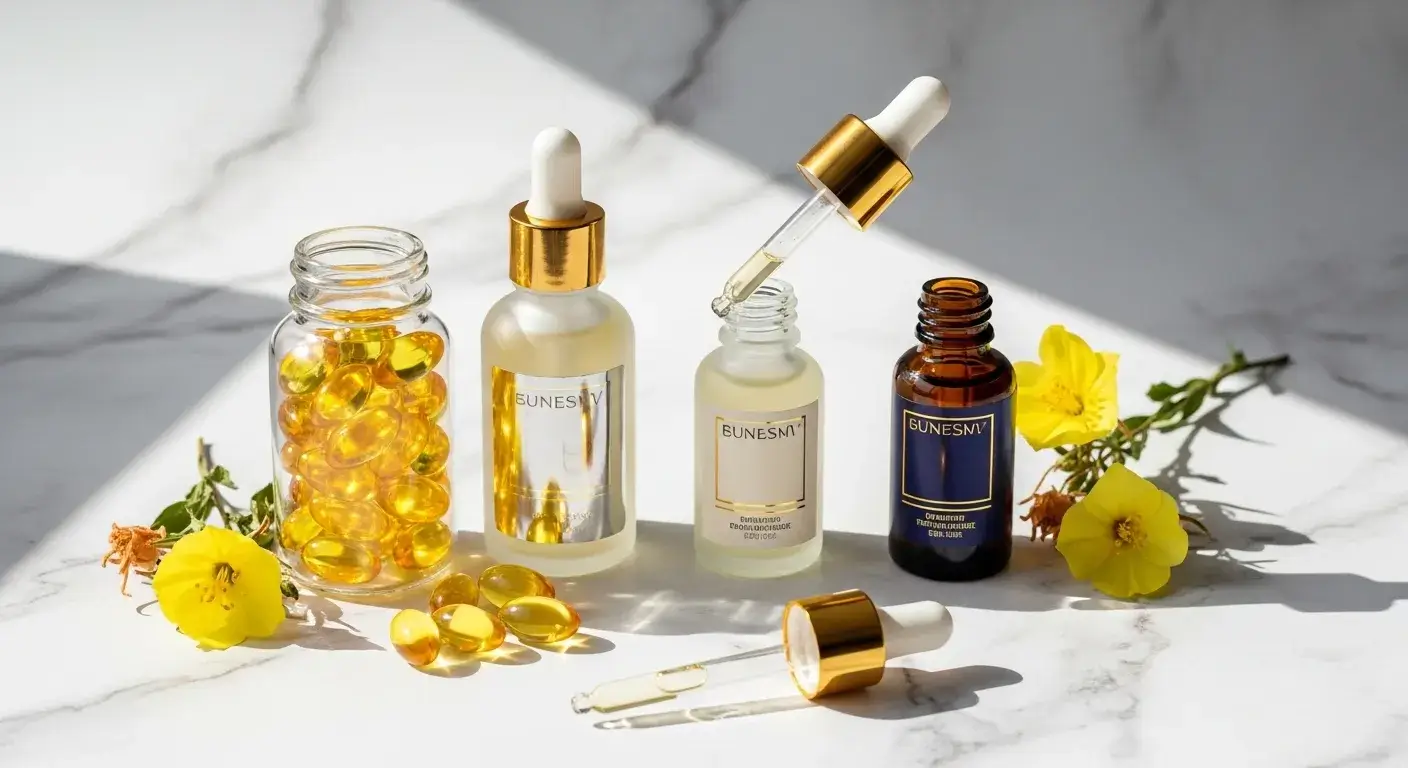
Evening primrose oil softgel capsules and cosmetic serum bottles showing dual-market applications
Emerging Pharmaceutical Applications
The pharmaceutical sector shows promise, though regulatory requirements create higher barriers to entry. Topical formulations for skin conditions represent the most immediate opportunity.
Research into cardiovascular applications and diabetic neuropathy treatment shows potential, but these applications remain largely experimental at this stage.
Key Market Drivers and Challenges
Every market has its dynamics, and evening primrose oil is no exception. Understanding these forces helps B2B buyers anticipate changes and adjust strategies accordingly.
Clean Beauty Trend Impact
The clean beauty movement isn’t just a fad – it’s reshaping entire product categories. I’ve watched companies completely reformulate product lines to eliminate synthetic ingredients, creating sustained demand for natural alternatives like evening primrose oil.
Clean beauty drivers include:
- Millennial and Gen Z consumer preferences for natural products
- Ingredient transparency becoming standard expectation
- Social media influence highlighting natural skincare benefits
- Regulatory support for natural cosmetics ingredients
This trend particularly benefits GMP-certified suppliers who can provide the documentation and quality assurance that clean beauty brands require.
Regulatory Landscape
Regulation varies significantly by region and application. Cosmetics regulations4 are generally more permissive than supplement regulations, but both require proper documentation.
Key regulatory considerations:
- FDA regulations for supplements in the US
- EU cosmetics regulation for European markets
- Health Canada requirements for Canadian distribution
- ANZCO standards for Australia and New Zealand
Working with suppliers who understand these requirements saves enormous time and potential compliance issues. This is why many B2B buyers prefer established manufacturers with comprehensive documentation.
Competition from Synthetic Alternatives
Synthetic alternatives exist, but they don’t offer the same marketing advantages that natural evening primrose oil provides. Consumer preference strongly favors natural sources, especially in premium product categories.
However, price pressure from synthetics does exist, particularly in lower-end formulations where ingredient origin matters less to end consumers.
Regional Market Analysis
Regional analysis reveals interesting patterns that smart B2B buyers can leverage for strategic advantage.
North America and Europe Demand Patterns
North America remains the largest consumer market, driven by established supplement culture and growing clean beauty adoption. The market shows steady, predictable growth with premium segments outperforming mass market applications.
European demand focuses heavily on cosmetics applications, reflecting the region’s sophisticated beauty market and strict regulatory environment. European consumers pay premium prices for certified organic and sustainably sourced oils.
Key characteristics:
- Higher quality standards than many other regions
- Premium pricing acceptance for certified products
- Long-term supplier relationships preferred over spot buying
- Comprehensive documentation requirements
Asia-Pacific Growth Opportunities
Asia-Pacific shows the highest growth rates, but market characteristics differ significantly from Western markets. China dominates both production and consumption, while Japan and South Korea represent high-value cosmetics opportunities.
Growth drivers include:
- Rising disposable income across the region
- Increasing health awareness particularly in urban areas
- Beauty culture evolution toward natural ingredients
- E-commerce expansion making specialized products accessible
Import/Export Trends
China dominates global production, supplying roughly 60% of world evening primrose oil. However, quality varies significantly between suppliers, making supplier selection crucial for B2B buyers.
Import trends show:
- North American imports focusing on premium, certified oils
- European imports emphasizing organic and sustainable sourcing
- Intra-Asian trade growing rapidly, particularly Japan importing from China
- Documentation requirements becoming more stringent globally
Sourcing Best Practices for B2B Buyers
After years of working with B2B buyers, I’ve identified key practices that separate successful sourcing strategies from problematic ones.
Quality Specifications to Look For
GLA content represents the most critical quality parameter. Evening primrose oil should contain 8-12% GLA for most applications, with cosmetics often requiring the higher end of this range.
Essential quality specifications:
- GLA content: 8-12% (verified by GC-MS analysis)
- Acid value: <4.0 (indicates freshness and quality)
- Peroxide value: <10.0 (oxidation resistance)
- Moisture content: <0.5% (stability and shelf life)
- Heavy metals: Below regulatory limits (safety requirement)
Don’t accept suppliers who can’t provide detailed analytical data for each batch. This documentation protects your brand and ensures consistent product performance.
Supplier Evaluation Criteria
Manufacturing capability matters more than many buyers realize. Look for suppliers with dedicated evening primrose oil production lines rather than those treating it as a side product.
Key evaluation criteria:
- GMP certification with current audit reports
- Production capacity matching your growth projections
- Quality control systems including in-house testing capabilities
- Supply chain transparency from seed source to finished product
- Customer service responsiveness for technical and logistical support
I always recommend visiting supplier facilities when possible. You learn more about a supplier’s capabilities in one factory visit than in months of email correspondence.

Documentation Requirements
Proper documentation isn’t just helpful – it’s essential for regulatory compliance and quality assurance. Every batch should come with comprehensive documentation.
Required documentation includes:
- Certificate of Analysis (COA) with full analytical data
- Material Safety Data Sheet (MSDS) for handling information
- GC-MS reports showing chemical composition
- Allergen statements for cosmetics applications
- Organic certificates (if applicable)
- Halal/Kosher certificates (if required)
Suppliers who resist providing comprehensive documentation usually have something to hide. Choose suppliers who proactively provide detailed batch records.
Future Outlook and Opportunities
Looking ahead, several trends will shape the evening primrose oil market over the next five years.
5-Year Market Projections
The market will likely reach $294 million by 2028, representing steady but not spectacular growth. However, value per kilogram should increase as quality standards rise and premium applications expand.
Growth expectations:
- Cosmetics segment: 6-8% annual growth (outpacing overall market)
- Supplements: 4-6% annual growth (steady, mature market)
- Pharmaceutical: 8-12% annual growth (small base, high potential)
- Organic segment: 10-15% annual growth (premium positioning)
Emerging Applications
Nutraceutical market applications5 show particular promise, combining supplement and functional food characteristics. I’m seeing increased interest in evening primrose oil-enriched foods and beverage applications.
Emerging opportunities include:
- Functional foods incorporating evening primrose oil
- Pet care products using natural ingredients
- Men’s skincare expanding beyond traditional female-focused applications
- Anti-aging supplements combining multiple natural oils
Investment Opportunities
For established buyers, vertical integration presents interesting possibilities. Some companies are investing in cultivation to secure supply chains and improve margins.
Strategic considerations:
- Long-term contracts with growers for price stability
- Co-investment in processing facilities for supply security
- Brand development in premium natural products
- Geographic expansion into high-growth markets
The most successful B2B buyers are those who build strategic partnerships rather than simply seeking the lowest prices. This approach creates mutual benefits and ensures long-term supply security.
Conclusion: Making Smart Evening Primrose Oil Sourcing Decisions
The evening primrose oil market offers solid opportunities for B2B buyers who understand its nuances. While growth rates are moderate, the consistent demand and premium pricing for quality products create attractive business conditions.
Success in this market comes down to three key factors: choosing certified suppliers, understanding application requirements, and building strategic partnerships rather than transactional relationships.
Whether you’re formulating the next breakthrough skincare product or developing innovative supplement formulations, evening primrose oil deserves serious consideration in your ingredient strategy.
Ready to source high-quality evening primrose oil for your business?
PhytoEx combines GMP-certified manufacturing, comprehensive quality documentation, and responsive B2B service to support your sourcing needs. With over 1000 tons of essential oils in stock and fast 3-7 day global shipping, we’re equipped to handle everything from 1kg development samples to multi-ton production orders.
Contact PhytoEx today to discuss your evening primrose oil requirements. Our technical team provides free consultation on quality specifications, regulatory requirements, and custom formulation support.
Visit PhytoEx.com to explore our complete range of bulk essential oils and botanical extracts, or learn more about our GMP manufacturing processes that ensure consistent quality for your applications.
Don’t let supply chain uncertainties impact your product development. Partner with a trusted manufacturer who understands B2B requirements and delivers results.
External Link References
-
Comprehensive market research on evening primrose oil industry trends and projections ↩
-
FDA guidance on Good Manufacturing Practices for dietary supplement manufacturers ↩
-
Clean beauty market analysis showing growth trends and consumer preferences ↩
-
European Union cosmetics regulation framework and compliance requirements ↩
-
Global nutraceuticals market research covering functional food and supplement trends ↩