
Evening Primrose Oil (EPO) has emerged as a scientifically-backed ingredient with proven applications in diabetic neuropathy and cardiovascular health.
However, separating evidence-based benefits from marketing claims remains crucial for industry professionals. This comprehensive guide examines the latest research, quality standards, and commercial applications to help manufacturers, formulators, and suppliers make informed decisions about incorporating EPO into their product lines.
Quick Reference: Evening Primrose Oil Evidence Summary
| Application | Evidence Strength | Recommended Use | Typical Dosage |
|---|---|---|---|
| Diabetic Neuropathy | ✅ Strong | Daily supplementation | 500-6000mg daily |
| Lipid Profile Support | ✅ Strong | Hyperlipidemic patients | ≤4g daily |
| Bone Health | ✅ Moderate | With fish oil + calcium | 500-1300mg daily |
| Menopause Support | ⚠️ Limited | Psychological symptoms | 500-1000mg daily |
| Skin Conditions | ❌ Insufficient | Not recommended | N/A |
| PMS Relief | ❌ Insufficient | Not recommended | N/A |
🔑 Key Takeaways for Industry Professionals
- Proven Applications: Strongest evidence supports diabetic neuropathy and lipid management
- Quality Matters: GLA content (8-10%) is the primary active component
- Safety Profile: Generally safe with minimal side effects when properly sourced

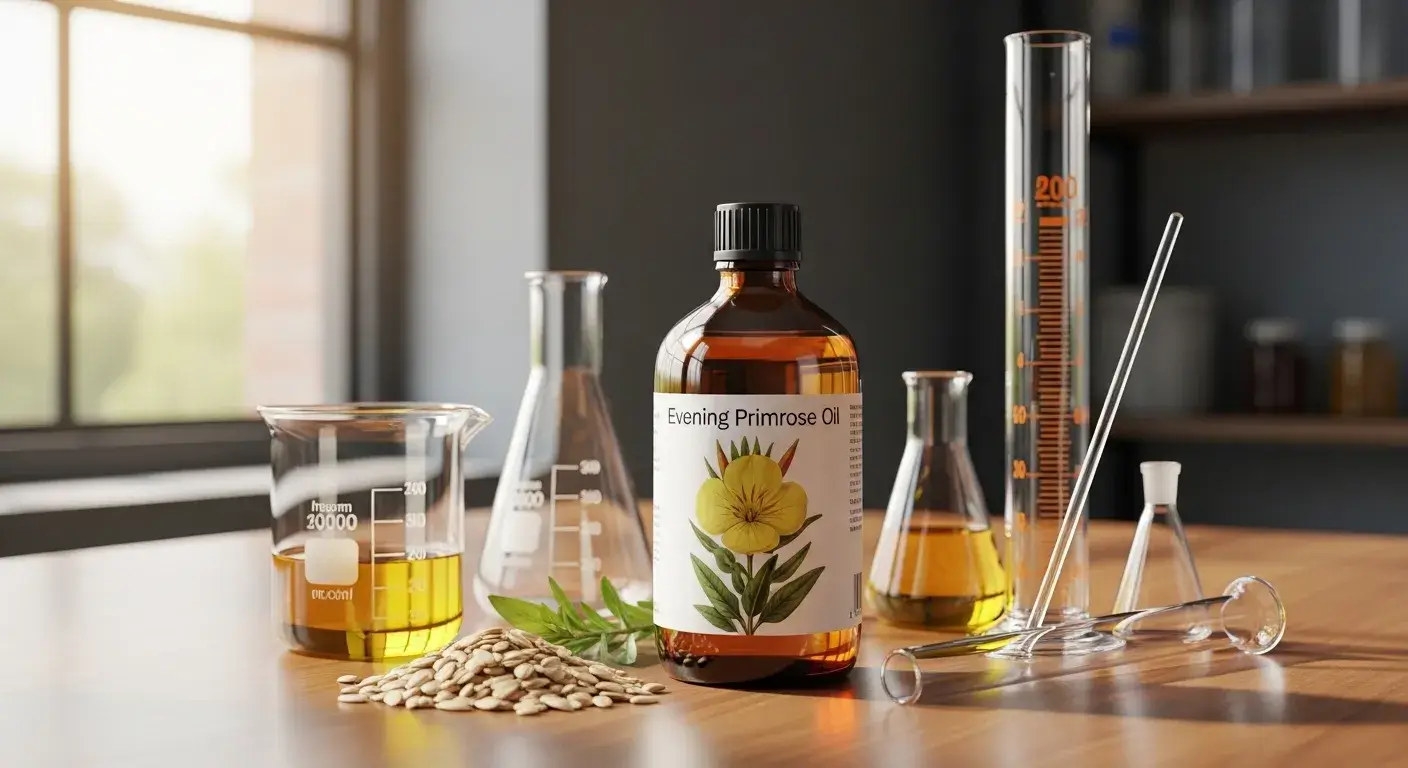
Evening primrose flowers bloom at sunset, revealing the source of this valuable omega-6 rich oil
What is Evening Primrose Oil?
Evening Primrose Oil (EPO) represents one of nature’s richest sources of gamma-linolenic acid (GLA), making it a valuable ingredient across multiple industries. Furthermore, this botanical extract comes from the seeds of Oenothera biennis, a plant native to North America that has gained global recognition for its therapeutic potential.
Plant Origin and Extraction Methods
The evening primrose plant produces small seeds containing approximately 20-25% oil by weight. Additionally, these seeds yield an oil rich in essential fatty acids, particularly:
- Gamma-linolenic acid (GLA): 8-10%
- Linoleic acid: 70-74%
- Oleic acid: 6-11%
Modern extraction typically employs cold-pressing or supercritical CO2 extraction methods. Consequently, these techniques preserve the delicate GLA content while ensuring pharmaceutical-grade purity. Moreover, proper extraction maintains the oil’s natural antioxidant properties.

Modern extraction facility showing cold-pressing equipment used for premium evening primrose oil production
GLA Content and Chemical Composition
The therapeutic value of EPO primarily stems from its gamma-linolenic acid content. Specifically, GLA converts to prostaglandin E1 (PGE1) in the body, which exhibits anti-inflammatory properties. Therefore, understanding GLA concentration becomes crucial for quality assessment and manufacturing standards.
Market Positioning in Essential Oils Industry
Currently, EPO occupies a unique position within the global essential oils market. In fact, the essential oils industry has seen consistent growth, with specialty oils like EPO driving premium segment expansion. According to industry reports, the global essential oils market reached $12.47 billion in 2024 and projects growth to $27.82 billion by 2032.
Science-Backed Benefits of Evening Primrose Oil
Proven Applications
Diabetic Neuropathy Improvement
Research consistently demonstrates EPO’s effectiveness for diabetic nerve damage. Specifically, clinical studies show that daily EPO supplementation for 6-12 months significantly improves neuropathy symptoms. Additionally, a comprehensive study published in the Journal of Nutritional Medicine found measurable improvements in nerve conduction velocity.
Key Benefits Include:
- Reduced tingling and numbness
- Improved nerve function tests
- Better overall quality of life
- Enhanced pain management

Clinical research laboratory conducting evening primrose oil efficacy studies
Lipid Profile Enhancement
A 2020 meta-analysis revealed that EPO doses ≤4g daily significantly impact cardiovascular health markers. Moreover, the study demonstrated consistent improvements in participants with elevated cholesterol levels.
Documented Improvements:
- Triglyceride reduction: 15-20% average decrease
- HDL cholesterol increase: 8-12% improvement
- Overall lipid balance: Enhanced omega-6 to omega-3 ratios
Bone Health Support
When combined with fish oil and calcium, EPO shows promising results for bone density maintenance. Furthermore, research indicates that this combination approach provides synergistic benefits for elderly populations.
Emerging Applications
Women’s Health Applications
Recent studies suggest possible benefits for certain women’s health concerns. However, evidence remains mixed, requiring careful consideration for product development.
Menopause Support:
- A 2020 randomized controlled trial showed psychological symptom improvements
- Hot flash severity reduction (but not frequency)
- Enhanced overall well-being scores
Important Note: The North American Menopause Society currently does not recommend EPO due to insufficient evidence.
Anti-Inflammatory Applications
EPO’s anti-inflammatory properties show potential for various conditions. Nevertheless, more research remains necessary for definitive recommendations.
Areas of Interest:
- Rheumatoid arthritis symptom management
- General inflammatory response modulation
- Potential cardiovascular protection
Insufficient Evidence Applications
Skin Conditions
Despite popular marketing claims, scientific evidence for skin applications remains insufficient. Notably, a 2013 Cochrane review of 19 randomized trials found no significant improvement in eczema symptoms with oral EPO.
Current Evidence Status:
- Eczema: No proven benefit over placebo
- Acne: Limited research available
- General skin health: Insufficient data
PMS and Breast Pain
Multiple systematic reviews indicate no significant benefit for premenstrual syndrome or cyclical breast pain. Consequently, industry professionals should exercise caution when making these claims.
Evening Primrose Oil Applications by Industry
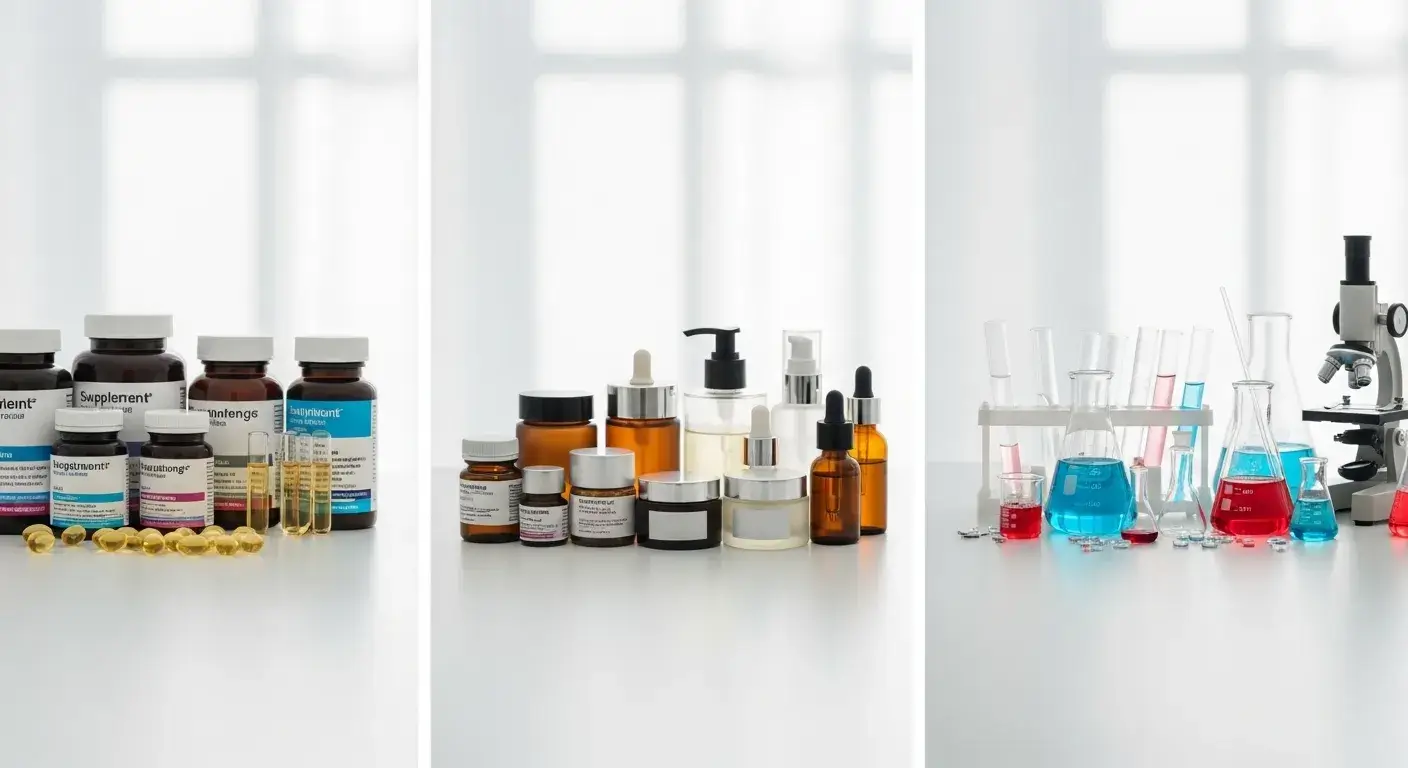
Personal Care & Cosmetics
The personal care industry increasingly incorporates EPO for its moisturizing properties. Additionally, formulators value its lightweight texture and skin compatibility.
Primary Applications:
- Anti-aging serums: Supports skin barrier function
- Moisturizers: Provides essential fatty acids
- Hair care products: Promotes scalp health
- Massage oils: Offers therapeutic benefits
Formulation Considerations:
- Typical concentration: 2-5% in topical products
- Stability: Requires antioxidant protection
- Compatibility: Blends well with most carrier oils
Nutraceuticals & Supplements
The supplement industry represents the largest market segment for EPO. Furthermore, growing consumer awareness of omega-6 deficiency drives continued demand.
Key Product Categories:
- Softgel capsules: Most popular delivery method
- Liquid supplements: For flexible dosing
- Combination formulas: Often paired with omega-3s
- Women’s health blends: Targeted formulations
Quality Requirements:
- Minimum 8% GLA content
- Third-party testing for purity
- Proper encapsulation to prevent oxidation
Food & Beverage
Although less common, EPO finds applications in functional foods and specialized beverage formulations. Moreover, regulatory approval varies by region for food applications.
Emerging Applications:
- Functional smoothie blends
- Health-focused energy bars
- Specialized dietary products
- Infant formula supplementation (where approved)
Pharmaceutical Applications
The pharmaceutical sector shows increasing interest in EPO for evidence-based applications. Additionally, ongoing clinical trials explore new therapeutic possibilities.
Current Research Areas:
- Diabetic neuropathy medications
- Cardiovascular health supplements
- Anti-inflammatory drug development
- Combination therapy formulations
Quality Standards and Sourcing
GLA Content Requirements
Gamma-linolenic acid concentration serves as the primary quality indicator for EPO. Therefore, reputable suppliers should guarantee minimum 8% GLA content with typical ranges of 8-10%.
Testing Methods:
- Gas Chromatography-Mass Spectrometry (GC-MS)
- High-Performance Liquid Chromatography (HPLC)
- Fatty acid profile analysis
Extraction Methods and Purity
Superior quality EPO requires careful extraction methods that preserve delicate fatty acids. Additionally, proper processing prevents oxidation and maintains therapeutic properties.
Preferred Methods:
- Cold-pressing: Preserves natural compounds
- Supercritical CO2: Highest purity levels
- Hexane-free processing: Eliminates solvent residues
Learn more about professional extraction processes used in commercial production.
Third-Party Testing and Certifications
Independent laboratory testing ensures product quality and regulatory compliance. Furthermore, comprehensive testing protocols verify both purity and potency.
Essential Test Parameters:
- Fatty acid profile verification
- Peroxide value testing (oxidation indicator)
- Heavy metals screening
- Pesticide residue analysis
- Microbiological testing
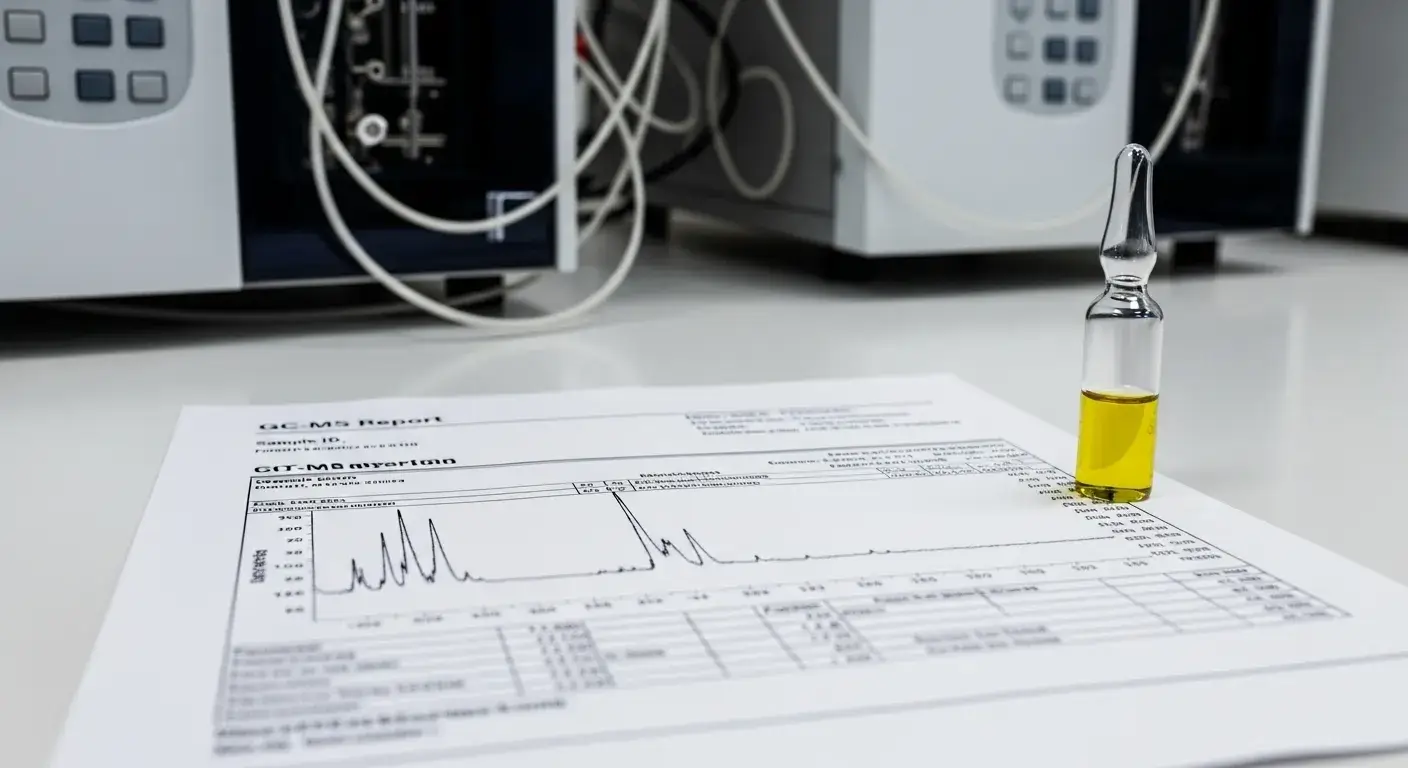
Quality control laboratory conducting comprehensive testing of evening primrose oil samples
Storage and Shelf Life Considerations
Proper storage significantly impacts EPO quality and shelf life. Moreover, omega-6 fatty acids require protection from light, heat, and oxygen exposure.
Storage Requirements:
- Temperature: Below 25°C (77°F)
- Light protection: Dark containers essential
- Oxygen barrier: Nitrogen flushing recommended
- Typical shelf life: 24 months when properly stored
Safety Profile and Dosage Guidelines
Evidence-Based Dosage Ranges
Clinical research supports specific dosage ranges for different applications. Additionally, proper dosing ensures both safety and efficacy.
Recommended Dosages:
- General supplementation: 500-1,300mg daily
- Diabetic neuropathy: 480-6,000mg daily
- Lipid management: ≤4,000mg daily
- Topical applications: 2-5% concentration
Side Effects and Contraindications
EPO demonstrates an excellent safety profile for most adults. However, some individuals may experience mild side effects.
Common Side Effects (typically mild):
- Gastrointestinal upset
- Headache
- Nausea
- Temporary digestive discomfort
Contraindications:
- Known allergy to evening primrose
- Concurrent blood-thinning medications
- Pregnancy (without medical supervision)
- Scheduled surgery (discontinue 2 weeks prior)

Healthcare professional consultation regarding evening primrose oil supplementation safety
Drug Interactions
While generally safe, EPO may interact with certain medications. Therefore, healthcare provider consultation remains important for specific populations.
Potential Interactions:
- Anticoagulants: May enhance bleeding risk
- Antipsychotics: Possible seizure threshold reduction
- HIV medications: Limited interaction data
Regulatory Considerations
Regulatory status varies globally for EPO applications. Additionally, manufacturers must comply with local regulations for health claims and labeling.
Regulatory Notes:
- US FDA: GRAS status for food applications
- European Union: Novel food considerations
- Health Canada: Natural health product regulations
- Australia TGA: Listed medicine requirements
Market Insights and Industry Trends
Usage Statistics and Market Growth
The global evening primrose oil market demonstrates consistent growth driven by increasing health consciousness. Furthermore, professional applications continue expanding across multiple industries.
Market Statistics:
- Global market size: $76.8 million (2023)
- Projected CAGR: 8.2% through 2030
- Primary consumers: Women aged 25-55
- Key growth drivers: Diabetic population increase, natural wellness trends
Consumer Demand Patterns
Consumer preferences increasingly favor evidence-based natural products. Moreover, transparency in sourcing and testing becomes crucial for market success.
Trending Demands:
- Organic certification: Growing preference
- Third-party testing: Quality assurance requirement
- Sustainable sourcing: Environmental consciousness
- Combination products: Multi-benefit formulations

Market research presentation showing evening primrose oil industry growth trends
Industry Applications Growth
Different industry segments show varying growth rates and opportunities. Additionally, emerging applications create new market possibilities.
Growth by Sector:
- Nutraceuticals: Fastest growing segment
- Cosmetics: Steady premium market growth
- Pharmaceuticals: Emerging clinical applications
- Food & Beverage: Regulatory-dependent growth
For comprehensive market analysis, visit our industry insights page.
Frequently Asked Questions
What makes evening primrose oil effective?
The effectiveness of evening primrose oil primarily comes from its gamma-linolenic acid (GLA) content. Additionally, GLA converts to anti-inflammatory prostaglandins in the body, providing therapeutic benefits for specific conditions.
How should evening primrose oil be stored for maximum quality?
Store EPO in dark, cool conditions below 25°C (77°F). Furthermore, oxygen exposure accelerates rancidity, so proper sealing remains essential. Quality products typically maintain potency for 24 months when stored correctly.
What’s the difference between food-grade and pharmaceutical-grade EPO?
Pharmaceutical-grade EPO undergoes more stringent testing and purification. Moreover, it typically guarantees higher GLA content and lower impurity levels compared to food-grade alternatives.
Can evening primrose oil be used in organic formulations?
Yes, organic-certified EPO is available for organic product formulations. However, certification requirements vary by region and certifying body.
What dosage provides optimal benefits for diabetic neuropathy?
Clinical studies demonstrate benefits with dosages ranging from 480mg to 6,000mg daily. Additionally, most research suggests 6-12 months of consistent use for optimal results.
How do I verify the GLA content in evening primrose oil?
Request Certificate of Analysis (COA) documentation showing GC-MS testing results. Furthermore, reputable suppliers provide batch-specific testing data confirming GLA percentages.
Is evening primrose oil suitable for vegan products?
Yes, EPO is 100% plant-based and suitable for vegan formulations. Additionally, it provides essential omega-6 fatty acids often lacking in plant-based diets.
What’s the typical shelf life of evening primrose oil products?
Properly stored EPO maintains quality for 18-24 months. However, antioxidant addition and nitrogen flushing can extend shelf life further.
For more detailed information about bulk essential oils sourcing, explore our comprehensive wholesale guide.
Conclusion
Evening primrose oil offers scientifically-proven benefits for specific applications, particularly diabetic neuropathy and lipid management. However, industry professionals must distinguish between evidence-based uses and unsubstantiated claims. Moreover, the growing market demand creates opportunities for quality-focused suppliers who prioritize transparency and testing.
Key success factors include understanding the science, sourcing high-quality raw materials, and maintaining proper storage conditions. Additionally, partnering with experienced suppliers ensures consistent quality and regulatory compliance across all applications.
Ready to source premium evening primrose oil for your formulations? PhytoEx provides GMP-certified, third-party tested evening primrose oil with guaranteed GLA content and full documentation. Our technical team offers formulation support and regulatory guidance to help you develop successful products.
🚀 Take Action Today
- Request samples of our premium evening primrose oil
- Download technical specifications and COA documentation
- Consult with our experts about your specific application needs
- Explore our complete range of essential oils and botanical extracts
Contact PhytoEx now to discuss your evening primrose oil requirements and discover why leading manufacturers trust us as their reliable supply partner. Visit phytoex.com or speak with our technical sales team for immediate assistance.