
Choosing the wrong evening primrose oil can compromise your product’s quality and stability. This guide will help you select the perfect type for your specific formulation needs and business goals.
The main difference is in the processing. Cold-pressed virgin evening primrose oil is unrefined and nutrient-rich, ideal for therapeutic products. Refined evening primrose oil is purified for stability and neutrality, making it perfect for large-scale cosmetics where consistency is critical.
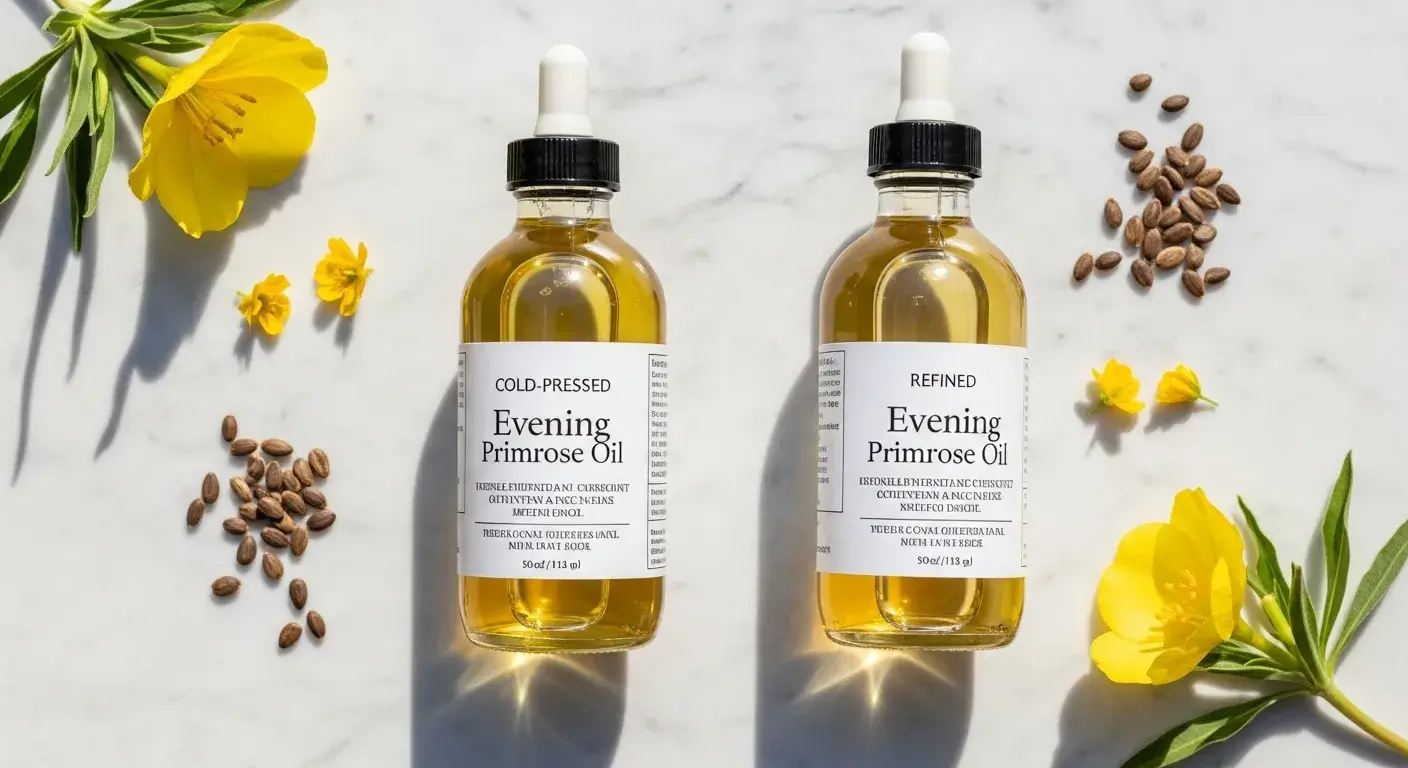
The choice between virgin and refined oil is not about which one is "better" overall. Instead, it is about which one is the right strategic ingredient for your specific product.
I’ve learned that understanding this difference is the first step toward creating a successful formulation that meets and exceeds customer expectations.
Let’s dive into what sets these two powerful oils apart, so you can make a confident and informed decision for your business.
How does processing shape the final ingredient?
Have you ever wondered how two oils from the same plant seed can be so different? This confusion can lead to expensive mistakes in formulation, affecting everything from scent to shelf life.
Cold-pressing is a simple mechanical process that preserves the oil’s natural nutrients and character. Refining, on the other hand, involves additional purification steps like bleaching and deodorizing. This creates a more stable, neutral oil but reduces some of the natural phytonutrients.
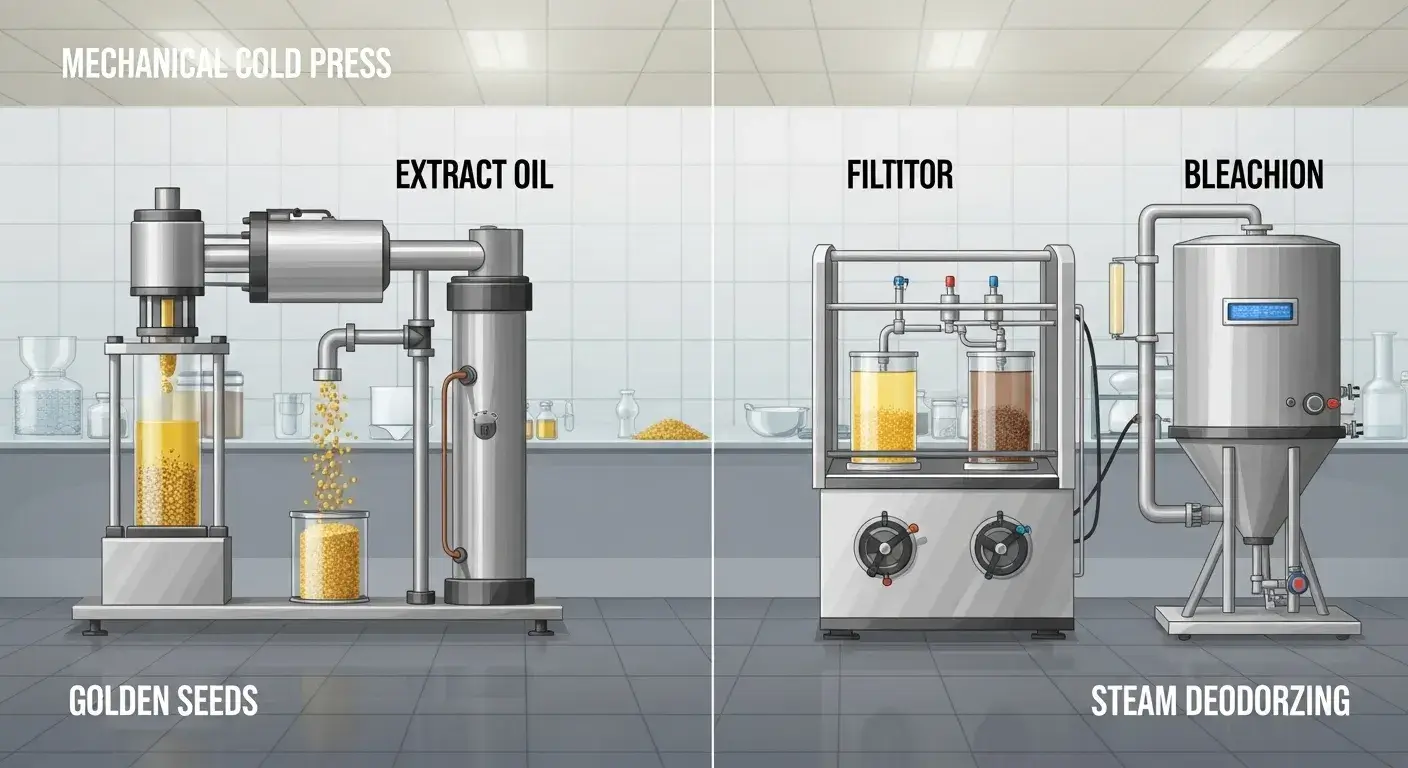
I remember the first time I compared the two types of evening primrose oil side-by-side in our lab. The difference was striking.
The journey from seed to oil is what defines the final ingredient’s properties and dictates its best use in your products.
Understanding this process is key to unlocking the full potential of evening primrose oil in your formulations.
Cold-Pressed Virgin EPO: The Pure, Nutrient-Rich Option
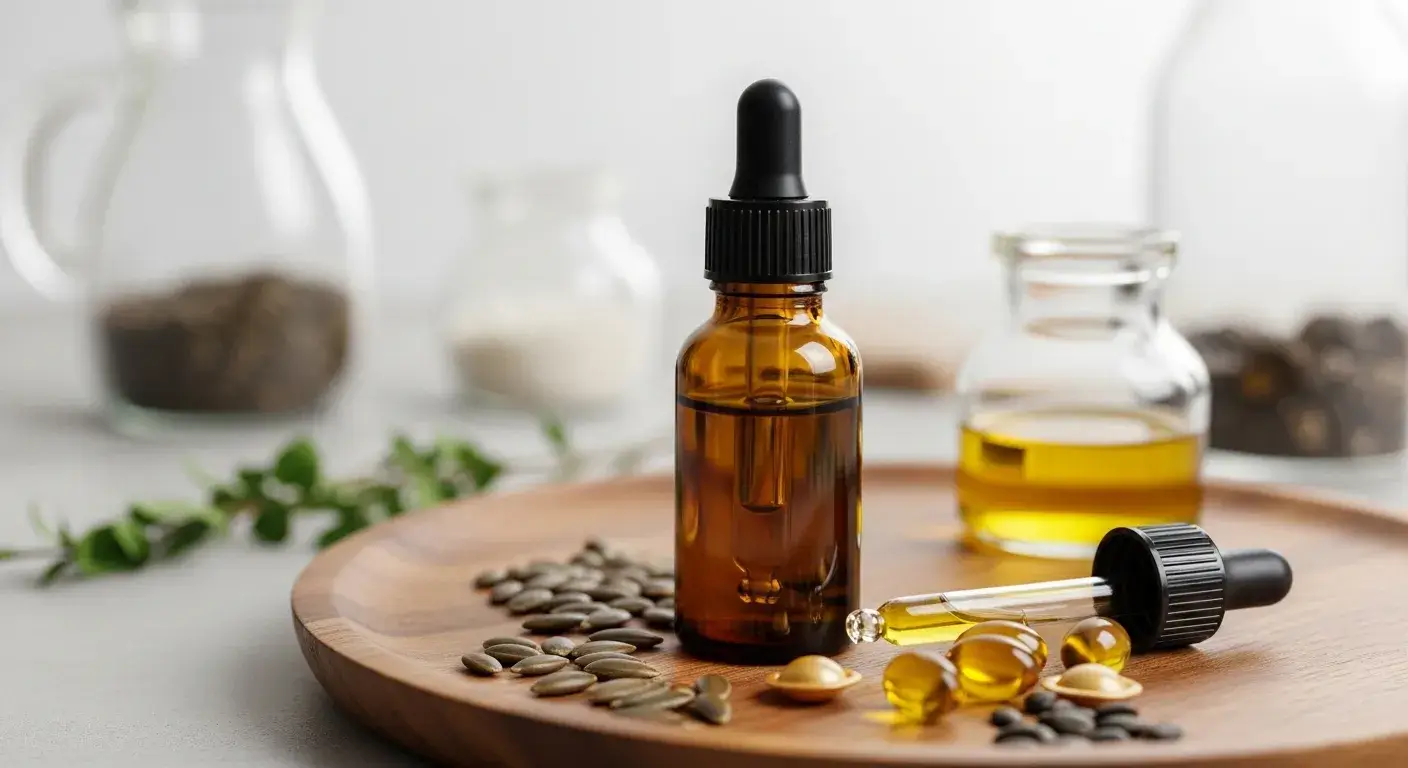
Think of cold-pressing as the most natural way to get oil from a seed.
We use a large mechanical press to simply squeeze the oil out of the evening primrose seeds without using high heat or chemical solvents.
This gentle method is vital because it preserves the oil’s delicate chemical structure.
The resulting oil is packed with not just the essential fatty acids like Gamma-Linolenic Acid ($GLA$)1, but also a full spectrum of other beneficial compounds. These include antioxidants and valuable triterpene esters2, which contribute to its therapeutic properties. This is why virgin EPO has a richer, deeper golden color and a distinct nutty aroma. It’s the top choice for brands in the "clean beauty" and natural wellness market trends3, where ingredient purity is a primary selling point.
Refined EPO: The Consistent, Stable Workhorse
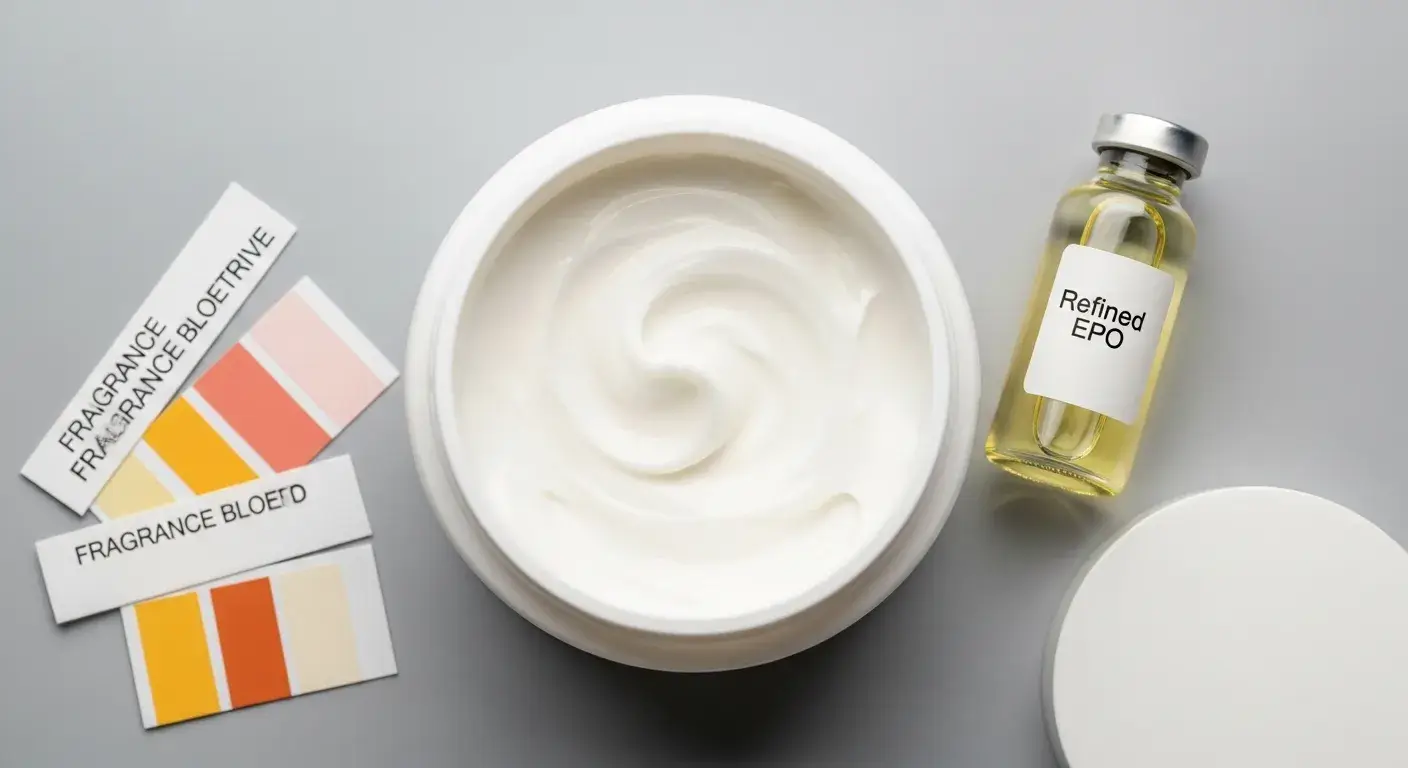
Refined evening primrose oil starts its life the same way, through cold-pressing. However, it then goes through several extra purification steps.
These steps can include filtering, bleaching with natural clays, and steam deodorizing. The goal here is not to harm the oil, but to create a ‘cleaner’ and more consistent ingredient for formulators.
This process removes the compounds that give virgin oil its strong color and nutty scent. What you get is a very light, clear oil with a neutral aroma.
I often think of it as a blank canvas. This neutrality is a huge advantage in complex cosmetic formulations, as it won’t interfere with expensive fragrances or the product’s final color.
Furthermore, removing these extra compounds makes the oil much more stable, giving your final product a longer and more reliable shelf life. This makes it the workhorse ingredient for large-scale production.
Which EPO is right for your product line?
Are you worried about choosing an oil that might clash with your product’s fragrance? Or perhaps you’re concerned it won’t deliver the potency your health-conscious customers demand? I’ll help you decide.
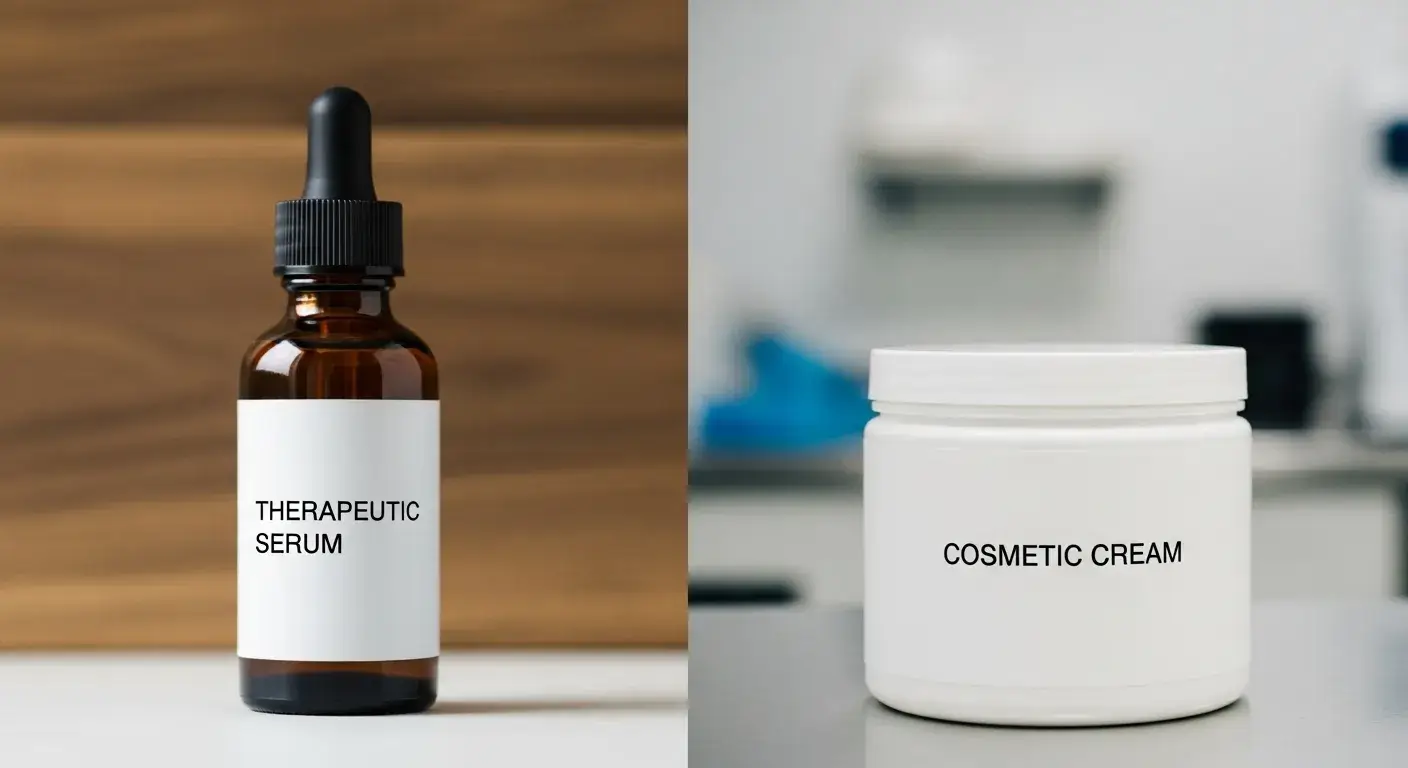
For high-potency supplements and therapeutic skincare where nutrient content is the main selling point, choose cold-pressed virgin EPO. For large-scale cosmetics where stability, consistency, and a neutral base are required, refined EPO is the superior choice.
I’ve worked with many clients over the years, and the most successful ones are those who match their ingredients to their product’s core purpose.
A client once came to us after launching a luxury face cream. Their customers complained that the cream smelled ‘off’ after a few weeks.
The problem was simple: they used a nutrient-dense virgin EPO in a formula with a delicate floral fragrance. The oil’s natural nutty aroma began to overpower the expensive fragrance over time.
We helped them switch to our refined EPO, and the problem was solved. This experience taught me a valuable lesson: the right oil is the one that aligns perfectly with your formulation goals and brand promise.
Below is a simple guide to help you make the right choice based on your industry and product line.
| Product Category | Recommended EPO Type | Why It’s the Right Choice |
|---|---|---|
| Nutraceuticals & Supplements | Cold-Pressed Virgin | The goal is maximum therapeutic benefit. Consumers are paying for the high $GLA$ and antioxidant content. |
| Therapeutic Skincare | Cold-Pressed Virgin | Ideal for facial serums, and formulations targeting eczema or inflammation, where purity is paramount. |
| Mass-Market Cosmetics | Refined | Provides stability and consistency across large batches. Its neutral profile won’t alter the product’s intended color or scent. |
| Personal Care (Lotions, Creams) | Refined | The oil is a functional moisturizing ingredient, but not the primary driver. Stability and cost-effectiveness are key. |
| Food & Beverage | Refined | The neutral taste and odor make it a suitable functional ingredient without affecting the final flavor profile. |
How can you ensure quality in your bulk EPO supply?
You’ve finally decided on the right type of EPO for your new product line. But now you’re worried about finding a supplier who can deliver consistent quality and the documentation you need.
Always partner with a GMP-certified bulk supplier who provides complete and transparent documentation for every single batch. This must include a Certificate of Analysis (COA) and a Gas Chromatography-Mass Spectrometry (GC-MS) report to verify purity and $GLA$ content.

Whether you choose virgin or refined oil, the quality of your raw material is non-negotiable. Your brand’s reputation depends on it.
I insist that my team provides our clients with a full set of documents for every shipment, because I believe trust is built on transparency and proof.
This is especially critical for our clients in North America and Western Europe, who face strict regulatory standards.
There are a few things you should always demand from your supplier to protect your business and ensure you are working with a truly professional partner.
Non-Negotiables for a Quality Supplier
When you are sourcing ingredients in bulk, you need more than just a good price. You need a partner who is committed to quality. Here is what I consider the absolute essentials:
- GMP & ISO Certifications: Look for a supplier with a manufacturing facility that is certified under Good Manufacturing Practices (GMP)4. Certifications like ISO 9001 and ISO 220005 show a serious commitment to quality control and safety management systems.
- Comprehensive Batch Documentation: Never accept an ingredient without proof of its quality. A reliable supplier will provide the following for every batch, without you even having to ask:
- Certificate of Analysis (COA): This confirms the oil meets all physical and chemical specifications.
- GC-MS Report: This is the scientific fingerprint of the oil. It verifies the exact percentage of $GLA$ and other fatty acids and proves the absence of contaminants. Learn more about the Gas Chromatography-Mass Spectrometry (GC-MS) report6.
- Material Safety Data Sheet (MSDS): This provides essential information for safe handling and storage.
- Full Traceability: You should be able to trace your oil from your facility all the way back to the seeds it came from. A supplier with strong traceability can provide this chain of custody, giving you and your customers complete peace of mind.
Conclusion
Choosing between virgin and refined EPO depends entirely on your product’s goals. Virgin offers maximum potency, while refined provides superior stability and neutrality. Make an informed choice for your formulation’s success.
-
An overview of GLA’s biochemical properties and health effects from the Mount Sinai Health System. ↩
-
The original 2004 study on triterpene esters in unrefined vs. refined evening primrose oil. ↩
-
An industry analysis on the growth and future direction of the clean beauty market. ↩
-
The U.S. FDA’s official explanation of current Good Manufacturing Practice (cGMP) regulations. ↩
-
Official information on these key quality and food safety management standards from the ISO. ↩
-
A clear explanation of the GC-MS analytical technique from a leading scientific instrument company. ↩