
Why Do Generic Spec Sheets Fail Your Quality Control Standards?
Generic spec sheets hide crucial quality variations. Your products deserve better. Batch-specific documentation protects your business reputation.
Generic spec sheets provide averaged data across multiple production runs, while batch-specific Certificates of Analysis (COAs) deliver precise quality metrics for each individual batch. This documentation ensures consistent product quality, regulatory compliance, and supply chain traceability.
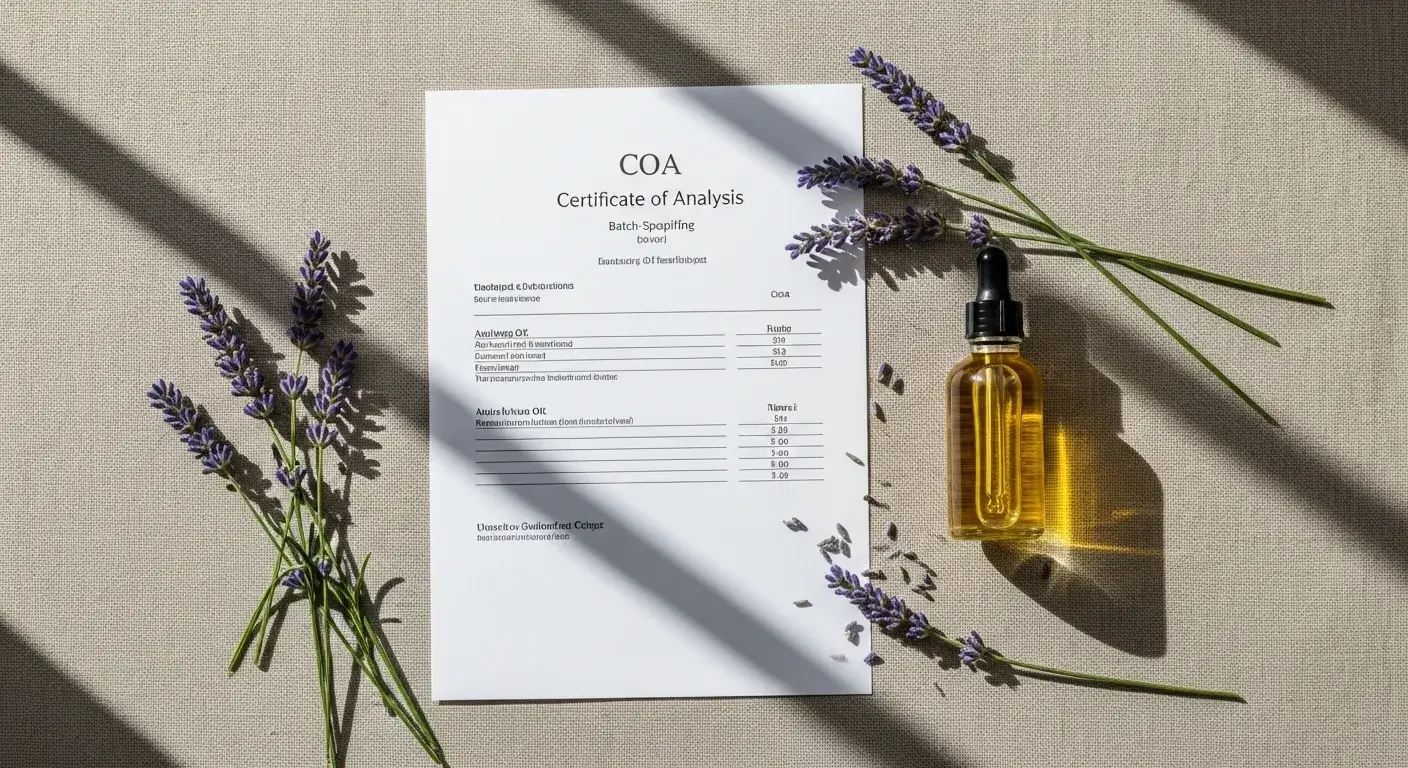
I learned this lesson during my early purchasing days. A supplier sent beautiful spec sheets showing perfect essential oil profiles. Everything looked ideal on paper. But when our first shipment arrived, the quality varied dramatically between containers. Some batches met our standards. Others failed completely. That’s when I discovered the difference between generic promises and batch-specific reality. Understanding this distinction changed how I evaluate suppliers forever.
What Is the Difference Between a Spec Sheet and a COA?
Spec sheets show general product expectations. COAs document actual test results. This distinction affects your quality control decisions directly.
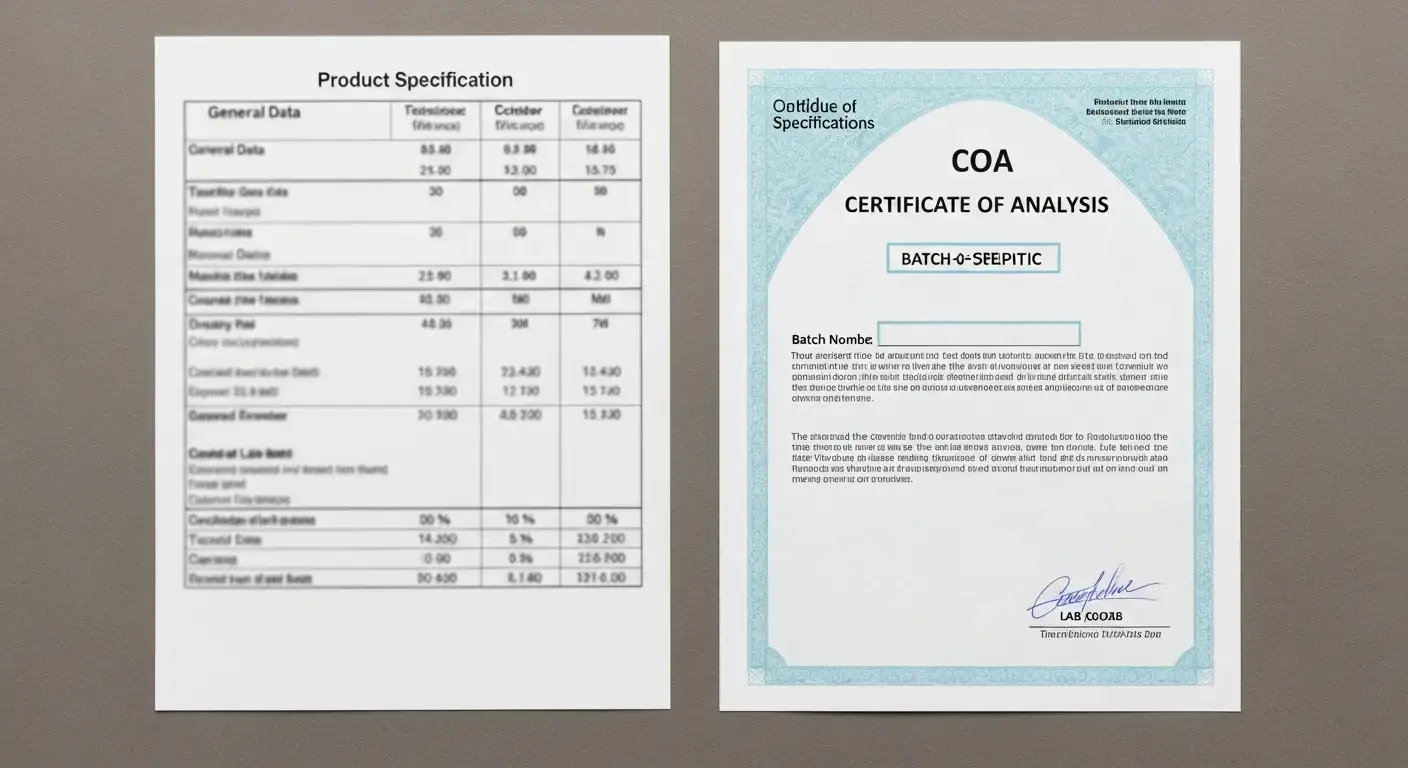
Specification sheets provide target ranges and typical values for products, while Certificates of Analysis document actual analytical test results from specific batches with precise measurements, testing dates, and laboratory verification.
Understanding Documentation Types
Specification sheets serve as product blueprints. They outline expected ranges for key parameters. Suppliers create these documents to show what products should contain. Temperature ranges, pH levels, and compound percentages appear as broad targets. These documents help initial product evaluation but lack precision for quality control.
Certificates of Analysis document reality. They show exactly what testing revealed for specific batches. Real numbers replace estimated ranges. Actual test dates confirm freshness. Laboratory signatures verify authenticity. This documentation proves what you actually receive matches your requirements.
Why the Distinction Matters for Procurement
| Document Type | Data Source | Business Use | Limitation |
|---|---|---|---|
| Spec Sheet | Historical averages | Initial screening | Masks batch variation |
| Generic COA | Multiple batch compilation | Basic compliance | Hides individual differences |
| Batch-Specific COA | Single batch testing | Precise quality control | None for that batch |
The procurement impact becomes clear when quality issues arise. Spec sheets cannot support quality complaints because they contain no actual test data. Generic COAs provide some protection but lack batch specificity. Batch-specific COAs offer complete documentation for quality disputes and regulatory requirements.
MLM brands often provide generic specifications disguised as COAs. This practice inflates adulteration risks significantly. Independent laboratory testing shows these pseudo-COAs fail to represent actual product quality in many cases.
How Can Climate Change Impact Your COA Requirements?
Climate variations affect raw material quality unpredictably. Traditional specifications cannot capture these changes. Updated COA requirements protect against climate-induced quality issues.
Climate-induced supply shortages drive increased synthetic adulteration as natural yields decline. Batch-specific COAs with advanced testing methods like chiral analysis become essential for detecting these substitutions.
Emerging Adulteration Patterns
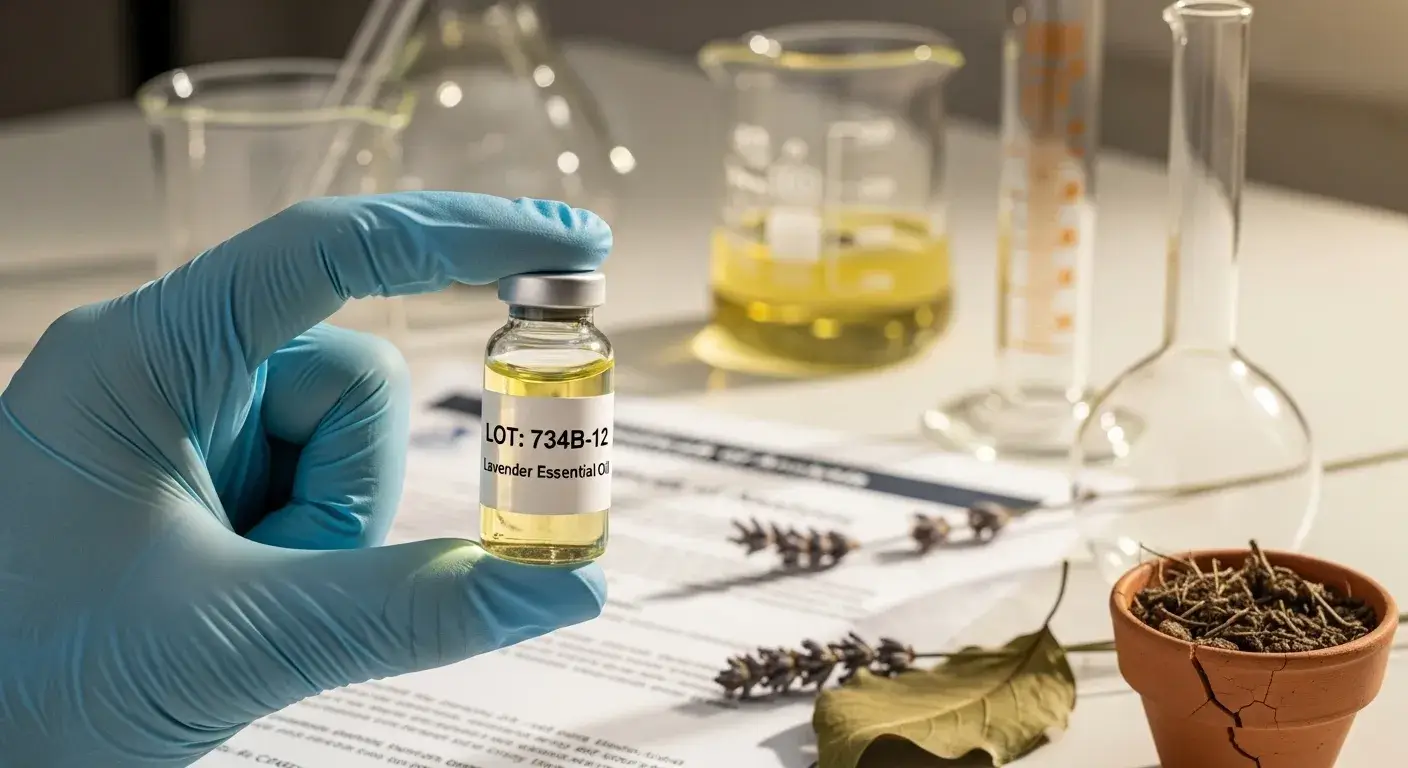
Climate change creates new quality challenges. Drought conditions reduce natural yields. Heat stress alters plant chemistry. Unpredictable weather patterns disrupt harvesting schedules. These factors push suppliers toward synthetic alternatives to maintain supply volumes.
Chiral analysis1 in COAs reveals synthetic additions that traditional testing misses. Natural compounds exist in specific molecular orientations. Synthetic versions show different chirality patterns. This testing method provides definitive proof of natural versus synthetic content.
Advanced Testing Requirements for Modern COAs
| Testing Method | Detection Capability | Climate Relevance |
|---|---|---|
| Chiral GC-MS | Synthetic compound identification | Detects drought-driven substitutions |
| FT-IR Spectroscopy | Subtle dilution detection | Reveals yield-stretching practices |
| Isotope Ratio Analysis | Geographic origin verification | Confirms authentic source regions |
FT-IR spectroscopy2 emerges as a standard requirement for high-value oils. This method detects subtle dilutions that gas chromatography misses. Suppliers facing reduced yields often extend products with similar oils. FT-IR analysis reveals these practices through molecular fingerprinting.
Blockchain verification tools help authenticate COAs in bulk production. These systems create tamper-proof documentation trails. Supply chain transparency increases through distributed ledger technology. This verification prevents COA falsification that some suppliers attempt when quality issues arise.
What Tests Should Be Included in Essential Oil COAs?
Comprehensive essential oil COAs require multiple analytical methods. Basic testing misses sophisticated adulterations. Complete analysis protects your product integrity.
Essential oil COAs should include GC-MS chemical profiling, chiral analysis for synthetic detection, microbiological testing, heavy metals analysis, pesticide residue screening, and physical property measurements like specific gravity and refractive index.
Critical Analytical Components
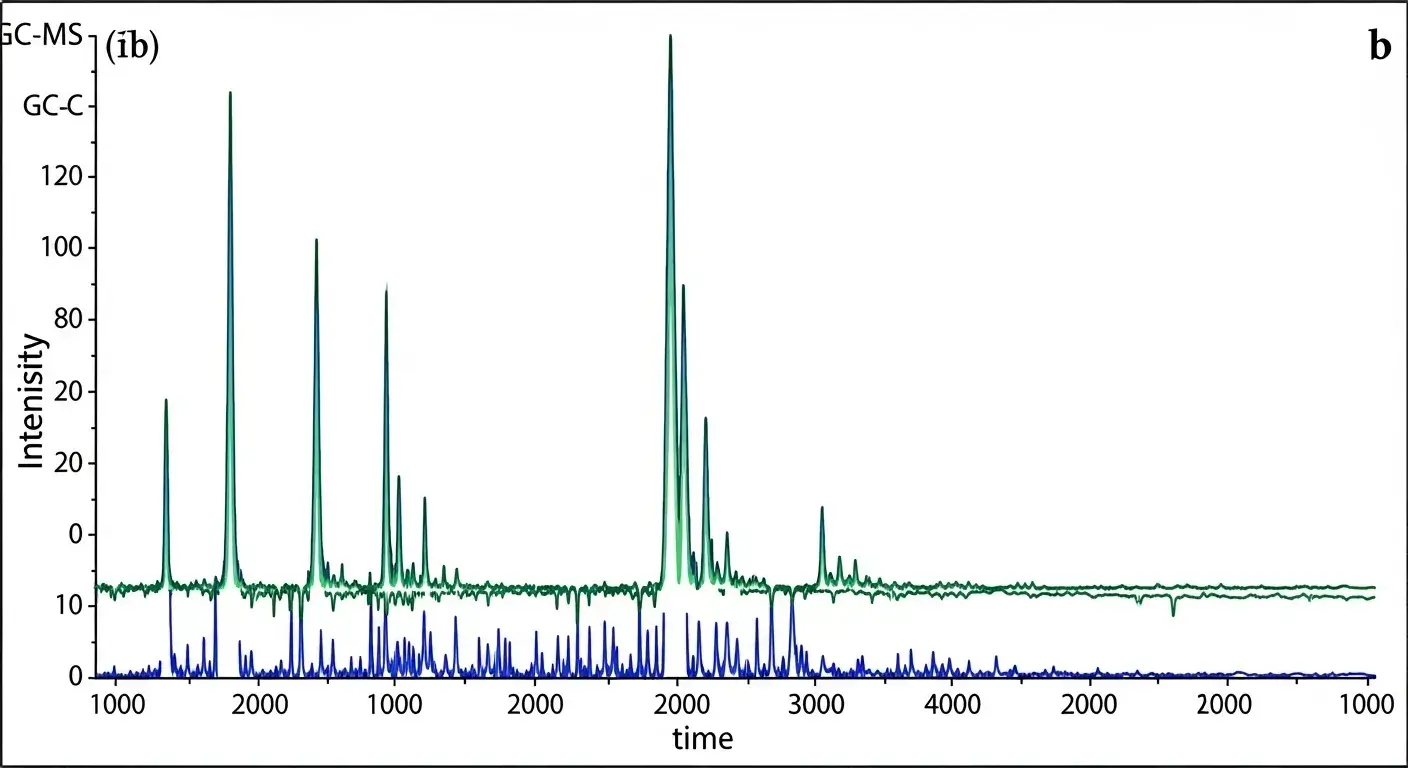
Gas chromatography-mass spectrometry3 provides chemical fingerprinting. This method identifies individual compounds and their concentrations. Authentic oils show characteristic patterns. Adulterated products display anomalous peaks or altered ratios. GC-MS results form the foundation of quality verification.
Understanding the essential oil manufacturing process helps buyers recognize which testing parameters matter most for their specific applications. Different extraction methods create unique quality signatures that COAs should capture.
Microbiological testing ensures safety for personal care and food applications. Total viable count limits prevent contamination issues. Yeast and mold testing confirms proper storage conditions. Pathogen screening eliminates dangerous organisms. These tests become critical for products contacting skin or consumed internally.
Specialized Testing for Adulteration Detection
| Test Category | Purpose | Detection Capability |
|---|---|---|
| Chiral Analysis | Synthetic identification | Reveals laboratory-made compounds |
| Heavy Metals | Contamination screening | Detects environmental pollution |
| Pesticide Residues | Agricultural chemical detection | Identifies improper farming practices |
| Water Content | Dilution assessment | Reveals moisture adulteration |
Heavy metals testing protects against environmental contamination. Lead, mercury, and cadmium can concentrate in botanical materials. These contaminants pose serious health risks. Regular testing ensures safe consumption levels for all applications.
Pesticide residue analysis4 becomes increasingly important. Organic certification requires specific limits. Conventional farming may introduce concerning residues. Testing confirms agricultural practice compliance and consumer safety standards.
What Are the Health Risks of Accepting Generic Documentation?
Generic documentation hides contaminants and adulterants. These hidden substances create health risks. Proper COAs reveal safety concerns before problems occur.
Generic documentation masks batch-specific contamination, synthetic additives, and dilution agents that can cause allergic reactions, skin sensitization, chemical burns, and toxicity when concentrated adulterants exceed safe exposure limits.

Hidden Contamination Risks
Undisclosed synthetic additives pose significant health threats. Artificial colorants cause allergic reactions in sensitive individuals. Unlabeled preservatives trigger contact dermatitis. Industrial solvents retained from processing create respiratory irritation. These contaminants remain invisible without proper batch testing.
Dilution agents often contain allergens absent from pure essential oils. Propylene glycol causes reactions in approximately 3% of the population. Dipropylene glycol creates skin sensitization. Triethyl citrate triggers respiratory symptoms. Generic documentation cannot reveal these hidden ingredients.
Concentration-Related Safety Issues
| Adulterant Type | Safety Concern | Safe Concentration | Risk Level |
|---|---|---|---|
| Synthetic fragrances | Skin sensitization | <0.01% | High in concentrates |
| Industrial solvents | Chemical burns | <25 ppm | Severe if undisclosed |
| Artificial colors | Allergic reactions | <10 ppm | Moderate but cumulative |
Essential oil ingestion risks escalate without proper documentation. Undiluted synthetic compounds cause chemical burns in oral applications. Safe dilution limits remain under 1% for most synthetic additives. Generic documentation cannot confirm these safety parameters.
Hospital and clinical applications require stringent documentation. OSHA regulations5 govern workplace fragrance exposure. Undocumented allergens create liability issues. Batch-specific testing mitigates these compliance risks through complete ingredient disclosure.
How Do Economic Factors Support COA Requirements?
Demanding COAs saves money long-term despite higher upfront costs. Quality consistency reduces waste and rework. Proper documentation prevents costly quality failures.
Economic analysis shows demanding batch-specific COAs reduces total procurement costs by 20-30% through avoided quality failures, reduced waste, and improved product consistency according to distributor surveys.

Cost-Benefit Analysis of COA Requirements
Quality failures cost significantly more than COA investments. Rejected batches require replacement sourcing. Production delays increase labor costs. Customer complaints damage reputation value. Regulatory violations bring penalty expenses. These costs far exceed COA documentation fees.
Batch consistency improves manufacturing efficiency. Predictable raw materials enable optimal processing parameters. Reduced variation minimizes adjustment time. Quality control becomes routine rather than reactive. These efficiency gains compound over multiple production cycles.
Long-Term Partnership Value
| Economic Factor | Generic Specs | Batch-Specific COAs | Financial Impact |
|---|---|---|---|
| Reject Rate | 15-25% | 2-5% | 20% cost reduction |
| Rework Frequency | Weekly | Monthly | 30% efficiency gain |
| Compliance Issues | Frequent | Rare | Risk mitigation |
Suppliers providing comprehensive COAs demonstrate quality commitment. These partnerships reduce long-term sourcing risks. Reliable documentation builds trust. Consistent quality enables business growth. The relationship value exceeds immediate cost considerations.
When evaluating suppliers for bulk essential oils wholesale partnerships, COA quality often indicates overall business reliability. Suppliers investing in proper documentation typically maintain better quality systems throughout their operations.
AI-driven COA analysis improves purchasing decisions. Chemometric analysis predicts adulteration patterns. Pattern recognition identifies quality trends. Automated verification reduces human error. These technologies increase analytical accuracy to 95% in modern laboratories.
Conclusion
Generic spec sheets mask critical quality variations while batch-specific COAs provide precise analytical verification. Demanding comprehensive documentation protects both product quality and business economics.
-
Learn how molecular handedness reveals synthetic compounds in natural products ↩
-
Understand infrared spectroscopy techniques for detecting oil dilution and adulteration ↩
-
Comprehensive guide to gas chromatography-mass spectrometry for chemical analysis ↩
-
FDA guidelines for pesticide residue testing in botanical ingredients ↩
-
Federal workplace safety standards for fragrance and chemical exposure limits ↩