
What Essential Oils Repel Mosquitoes? A Natural Guide to Effective Bug Protection
Mosquitoes buzz around your family gatherings. Chemical sprays leave sticky residues on your skin. You want natural protection that actually works.
Essential oils like citronella, lemon eucalyptus, and clove can repel mosquitoes for 1-4 hours by disrupting their scent receptors. While not as long-lasting as DEET, proper dilution and application make them effective natural alternatives for low-risk situations.
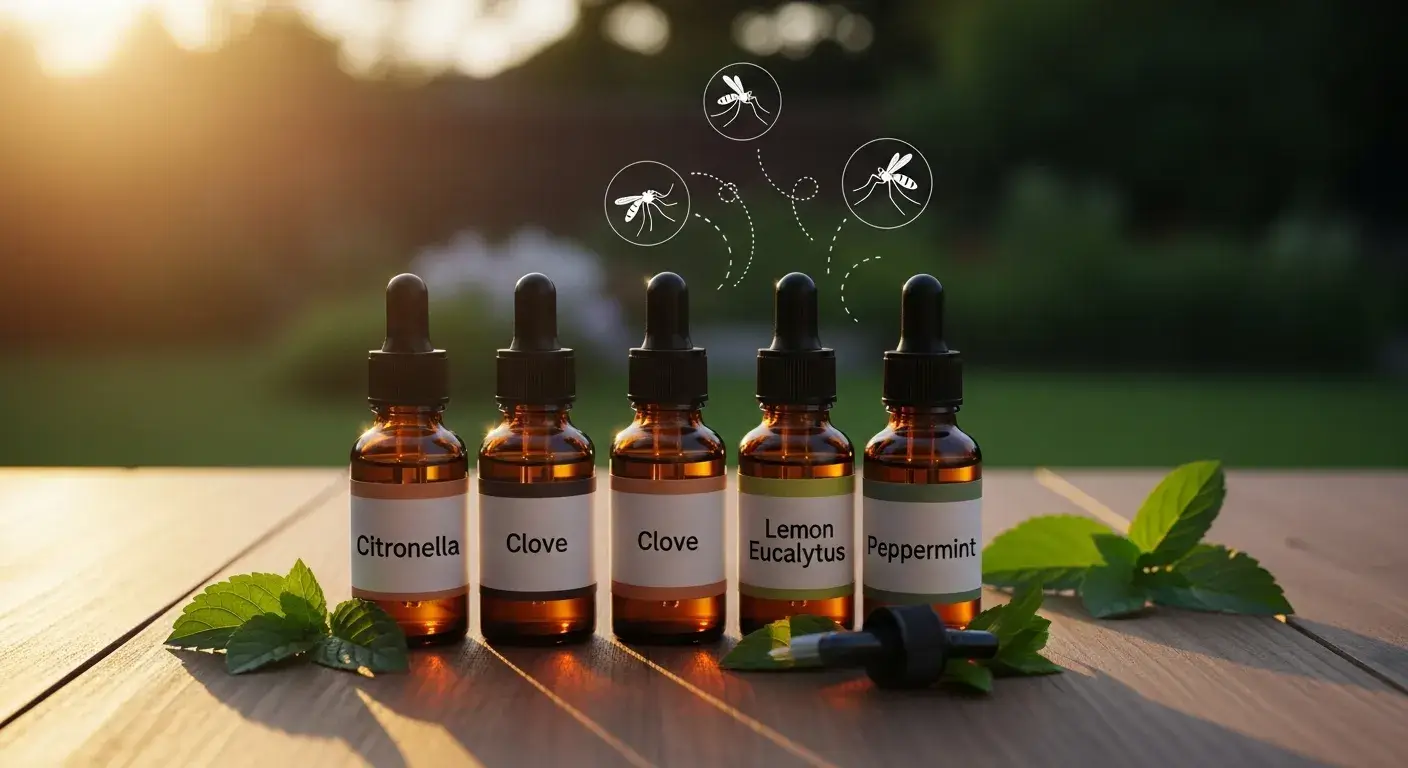
I’ve spent years working with essential oils in my professional practice. Natural mosquito protection matters more now than ever. The global natural repellent market reached $2.8 billion in 2024 and grows 7-9% annually. People seek safer alternatives to synthetic chemicals. But which oils actually work? Let me share what science reveals about nature’s mosquito fighters.
How Do Essential Oils Work to Repel Mosquitoes?
Mosquitoes hunt you through scent. Your breath releases CO2. Your skin produces lactic acid. These signals guide mosquitoes straight to you.
Essential oils disrupt mosquito olfactory receptors that detect human scents like CO2 and lactic acid. Compounds like citronellal and eugenol overwhelm their sensory system, causing disorientation and forcing them to search elsewhere.

The Science Behind Mosquito Confusion
Vanderbilt University researchers1 discovered how essential oils block specific mosquito receptors. Unlike DEET which provides broad-spectrum protection, oils target particular scent pathways. Think of it like static on a radio. The mosquito’s "radio" picks up your human signals clearly. Essential oils create interference. The mosquito loses your signal and flies away confused.
Different compounds work through different mechanisms. Citronellal from citronella masks your scent signature. Eugenol from clove oil directly irritates mosquito antennae. Menthol from peppermint creates cooling sensations that mosquitoes avoid. These natural compounds evolved as plant defense systems. Plants can’t run from insects, so they developed chemical warfare.
The challenge comes from volatility. Essential oils evaporate quickly. DEET bonds better with skin and clothing, lasting 6+ hours. Most essential oils protect for 1-4 hours maximum. Studies show blending oils like citronella with vanilla extends protection time. The vanilla acts as a fixative, slowing evaporation. Some oils like neem work differently. They disrupt mosquito life cycles rather than just repelling adults.
| Compound | Source Oil | Mechanism | Duration |
|---|---|---|---|
| Citronellal | Citronella | Scent masking | 1-2 hours |
| Eugenol | Clove | Receptor irritation | 2-4 hours |
| PMD | Lemon Eucalyptus | Broad receptor blocking | 3-7 hours |
| Menthol | Peppermint | Sensory disruption | 1-1.5 hours |
Which Essential Oils Are Proven Most Effective Against Mosquitoes?
Research reveals clear winners. Not all essential oils repel equally. Some provide strong protection. Others barely work at all.
Clove oil shows 96-100% repellency for 2-4 hours in controlled studies. Lemon eucalyptus (OLE) offers 70-95% protection for 3-7 hours and receives CDC recognition as a DEET alternative.

Evidence-Based Oil Rankings
New Mexico State University2 tested 20 essential oils against Aedes mosquitoes. Clove and cinnamon topped their results. Both achieved 100% repellency at proper concentrations. Duration varied from 1.5 to 4 hours depending on application method and environmental conditions.
Lemon eucalyptus stands apart from other oils. Its active compound PMD (para-menthane-3,8-diol) works similarly to synthetic repellents. The CDC includes PMD3 in their recommended alternatives to DEET. Commercial products containing 30% eucalyptus essential oil showed up to 95% effectiveness in field trials. Protection lasted 3-7 hours, rivaling lower concentrations of DEET.
Citronella remains the most popular choice despite moderate effectiveness. Candle studies showed only 50% protection in outdoor settings. However, direct application performs better. When properly diluted and applied to skin, citronella provides 1-2 hours of reasonable protection. Its pleasant scent and low toxicity make it family-friendly.
Thyme oil surprised researchers with 91% effectiveness in animal studies. The same compound thymol that gives thyme its distinctive smell irritates mosquito receptors. However, thyme can irritate sensitive skin at effective concentrations. Always dilute properly and test on small areas first.
Combination Strategies
Studies consistently show oil blends outperform single oils. Citronella plus lavender creates synergistic effects. The citronella provides primary repellency while lavender adds skin-soothing benefits. Peppermint mixed with lemongrass extends protection time. The cooling menthol complements lemongrass’s citral compounds.
Commercial manufacturers increasingly use three-oil blends. Popular combinations include citronella, lemongrass, and eucalyptus. These formulations balance effectiveness, duration, and skin compatibility. My experience shows custom blends work best when tailored to individual skin types and local mosquito species.
What Are the Benefits and Limitations of Using Essential Oils as Repellents?
Essential oils offer unique advantages over synthetic alternatives. But they also have clear limitations that users must understand.
Benefits include natural origin, pleasant scents, skin conditioning properties, and multi-purpose use. Limitations involve shorter protection duration, variable effectiveness between individuals, and lack of EPA regulation for quality standards.

The Natural Advantage
Essential oils provide more than insect protection. Tea tree oil offers antimicrobial properties alongside mosquito repellency. Lavender soothes existing bites while preventing new ones. Eucalyptus oils can help clear respiratory passages during outdoor activities. These multi-functional benefits explain growing consumer preference for natural solutions.
Environmental safety represents another major advantage. Essential oils biodegrade quickly without accumulating in soil or water. They don’t harm beneficial insects like bees when used responsibly. Synthetic repellents can persist in the environment and affect non-target species. For environmentally conscious consumers, this sustainability factor weighs heavily.
Cost effectiveness matters for regular users. A bottle of citronella oil costs less than multiple tubes of commercial repellent. DIY formulations allow customization for specific needs and preferences. The essential oils market reached $3.1 billion in 2025, driven partly by cost-conscious consumers seeking natural alternatives.
Understanding the Limitations
Duration remains the primary weakness of essential oils. Even the best oils require reapplication every 2-4 hours. DEET provides 6-12 hours of protection with single application. For day-long outdoor activities, this means frequent interruptions to reapply natural repellents. The inconvenience factor leads some users back to synthetic options.
Effectiveness varies significantly between individuals. Skin chemistry, application method, and environmental conditions all influence results. What works perfectly for one person may fail completely for another. This unpredictability frustrates users expecting consistent performance like synthetic repellents provide.
Quality control issues plague the essential oils industry. No EPA regulation4 means wide variation in concentration and purity between brands. Adulterated or diluted oils may provide little actual protection. Users must research suppliers carefully and potentially pay premium prices for verified pure oils. Understanding the essential oils manufacturing process helps identify quality suppliers with proper extraction and testing methods.
Real-World Performance Factors
Humidity reduces essential oil effectiveness dramatically. High moisture content in air accelerates evaporation. Sweating washes oils away faster. Hot, humid climates where mosquito-borne diseases are most common present the most challenging conditions for natural repellents.
Application technique significantly impacts results. Uneven coverage leaves protected and unprotected areas. Too little oil provides insufficient protection. Too much oil can cause skin irritation. Proper application requires practice and attention that busy families may struggle to maintain consistently.
How Can You Safely Make and Apply DIY Essential Oil Mosquito Repellents?
Creating effective homemade repellents requires understanding proper dilution, carrier oils, and application methods. Safety comes first, especially around children and pets.
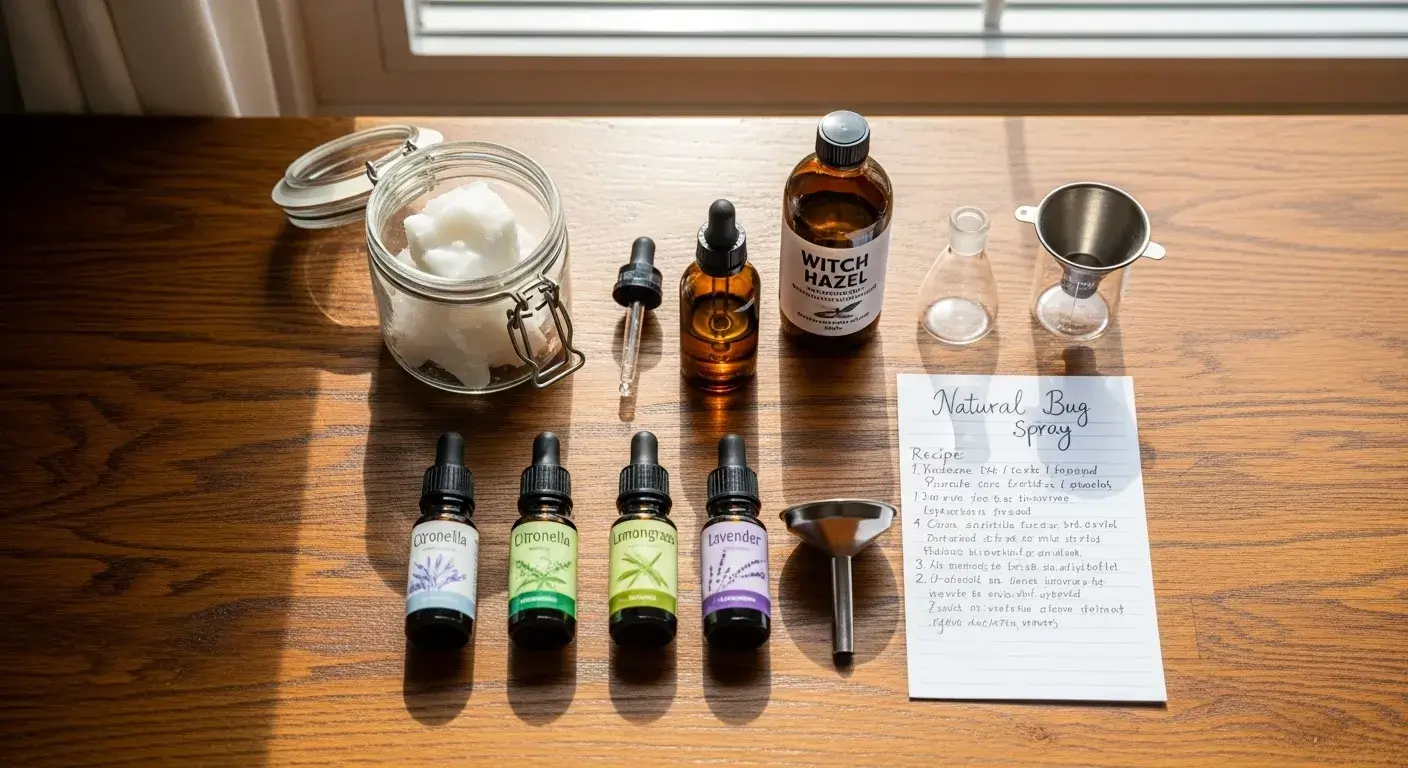
Dilute essential oils to 5-10% concentration in carrier oils like coconut or jojoba oil. For spray formulations, use 10-15 drops per 2 ounces of witch hazel or distilled water with emulsifier.
Basic Formulation Principles
Carrier oils serve multiple purposes in repellent formulations. They dilute concentrated essential oils to safe levels while slowing evaporation for longer protection. Coconut oil provides antimicrobial benefits and absorbs well into skin. Jojoba oil closely mimics natural skin sebum and won’t clog pores. Sweet almond oil offers light texture for easy application.
Water-based sprays require emulsifiers to prevent separation. Witch hazel acts as both solvent and natural preservative. A small amount of liquid castile soap helps oil and water mix properly. Without emulsifier, oils float on water surface and provide uneven protection when sprayed. For detailed guidance on creating stable formulations, see our guide on how to make a spray with essential oils.
Concentration matters for both safety and effectiveness. Below 3% concentration provides minimal protection. Above 15% concentration increases irritation risk significantly. The 5-10% range balances effectiveness with safety for most users. Sensitive skin types should start at the lower end and increase gradually if needed.
Proven DIY Recipes
Basic Oil Blend (for direct skin application):
- 2 ounces carrier oil (coconut, jojoba, or sweet almond)
- 10-20 drops citronella essential oil
- 5-10 drops lemon eucalyptus essential oil
- 3-5 drops lavender essential oil
Mix thoroughly and store in dark glass bottle. Apply every 2 hours or as needed. Patch test on small skin area before full use.
Spray Formula (for clothing and larger areas):
- 2 ounces witch hazel
- 1 ounce distilled water
- 1 teaspoon liquid castile soap
- 15 drops citronella oil
- 10 drops lemongrass oil
- 5 drops peppermint oil
Combine in spray bottle, shake before each use. Spray on clothing, tent fabric, or outdoor furniture. Avoid direct eye contact.
Safe Application Guidelines
Patch testing5 prevents allergic reactions before full application. Apply small amount of diluted oil to inner wrist or elbow. Wait 24 hours for any reaction. Redness, itching, or swelling indicates sensitivity to that particular oil. Try different oils or lower concentrations.
Reapplication timing depends on activity level and conditions. Light indoor use may last 3-4 hours. Heavy sweating, swimming, or humid conditions require hourly reapplication. Set phone reminders to maintain consistent protection.
Storage affects both safety and potency. Dark glass bottles prevent light degradation. Cool storage slows evaporation and prevents rancidity. Most homemade formulations last 3-6 months when stored properly. Label all bottles with contents and creation date for safety.
Are Essential Oils as Effective as DEET or Other Chemical Repellents?
Comparing natural and synthetic repellents requires honest assessment of protection time, effectiveness rates, and real-world performance conditions.
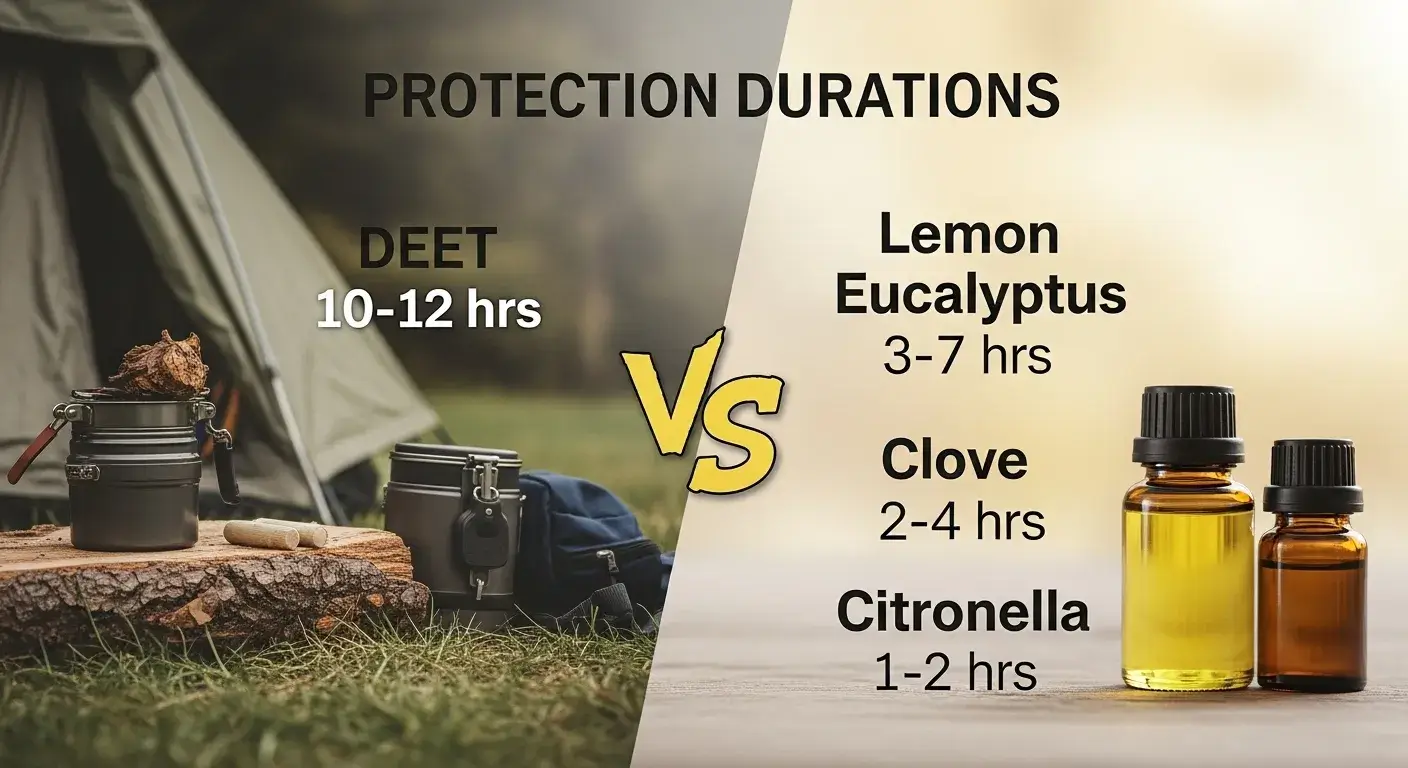
Essential oils provide 1-4 hours of protection compared to DEET’s 6-12 hours. Lemon eucalyptus comes closest to synthetic performance but still requires more frequent application for equivalent protection.
Head-to-Head Study Results
Multiple peer-reviewed studies6 compare essential oils directly with DEET. A 2005 PubMed study found clove oil matched DEET’s initial repellency rate but evaporated much faster. At the 2-hour mark, clove oil protection dropped to 60% while DEET maintained 90%+ effectiveness.
Lemon eucalyptus (PMD) performs best among natural options. Consumer Reports testing showed 30% PMD products provided 7 hours of protection against Aedes mosquitoes. This approaches lower concentrations of DEET but falls short of 25% DEET formulations that last 10+ hours.
Field trials reveal larger gaps than laboratory studies suggest. Controlled lab conditions don’t account for wind, humidity, sweating, and clothing contact that reduce oil effectiveness. Real-world protection times often cut laboratory results in half.
Disease Prevention Considerations
The CDC recommends DEET, picaridin, or PMD for areas with mosquito-borne diseases7 like Zika, malaria, or West Nile virus. Essential oils alone don’t provide reliable protection for disease prevention. The consequences of mosquito bites in these areas go far beyond temporary discomfort.
However, essential oils work well for nuisance mosquito control in low-risk areas. Backyard gatherings, camping in temperate regions, or brief outdoor activities don’t require maximum protection. Natural options become more viable when disease risk remains minimal.
Cost analysis favors synthetic repellents for intensive use. Despite higher upfront costs, DEET’s longer protection reduces application frequency and total product consumption. For occasional use, essential oils may cost less overall.
Performance Variables
Individual body chemistry dramatically affects repellent performance. Some people attract mosquitoes more than others regardless of repellent type. Essential oils may work excellently for low-attraction individuals while failing completely for mosquito magnets.
Mosquito species respond differently to various repellents. Aedes mosquitoes that transmit Zika show different sensitivity patterns than Anopheles mosquitoes that spread malaria. Essential oils tested against one species may fail against others in the same area.
Application method influences comparative results. Synthetic repellents often come in optimized commercial formulations. DIY essential oil preparations may lack proper concentration, emulsification, or preservatives that affect performance.
What Precautions Should You Take When Using Essential Oils Around Kids, Pets, and Sensitive Skin?
Essential oil safety requires special attention for vulnerable populations. Children, pets, and people with sensitive skin face higher risks from concentrated plant compounds.
Avoid lemon eucalyptus oil on children under 3 years old. Dilute all oils to 2-5% concentration for children and test on small skin areas first. Keep oils away from cats and dogs as many are toxic to pets.

Child-Specific Safety Measures
Children’s skin absorbs substances faster than adult skin. Their smaller body size means higher concentration per pound of body weight. The American Academy of Pediatrics8 recommends avoiding lemon eucalyptus oil completely for children under 3. Other oils require significant dilution – no more than 2-3 drops per ounce of carrier oil for young children.
Application areas matter for child safety. Avoid hands that go in mouths frequently. Skip face application where oils might contact eyes. Focus on clothing, stroller fabric, or play area boundaries rather than direct skin application when possible.
Age-appropriate oils include lavender, chamomile, and properly diluted citronella after age 6 months. Avoid potent oils like clove, cinnamon, or thyme on children under 12. These oils can cause burns even when diluted if applied to sensitive skin areas.
Pet Safety Considerations
Cats lack enzymes to metabolize many essential oil compounds. Tea tree, eucalyptus, citrus, and peppermint oils can cause liver damage or neurological problems in cats. Even diffusing these oils in rooms where cats spend time poses risks through inhalation and grooming.
Dogs tolerate most oils better than cats but still require caution. Large dogs handle diluted citronella or lavender reasonably well. Small dogs and puppies need the same precautions as cats. Never apply essential oils directly to pet fur or skin without veterinary guidance.
Bird respiratory systems are extremely sensitive to airborne particles. Essential oil diffusers can cause respiratory distress or death in pet birds. Use natural repellents only in areas where birds don’t spend time.
Sensitive Skin Protocols
Patch testing becomes critical for anyone with eczema, dermatitis, or known fragrance allergies. Apply tiny amounts of properly diluted oil to inner elbow and wait 48 hours for delayed reactions. Some essential oil allergies don’t appear immediately.
Photosensitivity9 affects many citrus oils including bergamot, lemon, and lime. These oils can cause severe burns when exposed to sunlight even hours after application. Avoid citrus oils completely before sun exposure or use only in covered skin areas.
Pregnancy and nursing require extra caution with essential oils. Some oils like rosemary or sage may affect hormone levels. Consult healthcare providers before using any essential oils during pregnancy. Gentle oils like lavender in very low concentrations are generally considered safe.
Conclusion
Essential oils offer natural mosquito protection with pleasant scents and skin benefits, but require frequent reapplication and work best for low-risk situations.
-
Study details on mosquito olfactory receptor mechanisms and essential oil interactions ↩
-
Research findings on essential oil effectiveness against specific mosquito species ↩
-
Official CDC recommendations for EPA-registered insect repellents and natural alternatives ↩
-
Current EPA guidelines and regulations for insect repellent product registration ↩
-
Proper allergy testing procedures for topical essential oil applications ↩
-
Scientific studies comparing natural and synthetic mosquito repellent effectiveness ↩
-
CDC information on mosquito-borne disease prevention and protection recommendations ↩
-
Pediatric guidelines for safe insect repellent use in children ↩
-
Essential oil photosensitivity reactions and sun safety precautions ↩