
Carrier Oils Bulk Wholesale Supply & Manufacturing
PhytoEx, Your trusted bulk carrier oils supplier & manufacturer for premium wholesale carrier oils with complete quality documentation, expert support and custom solutions for your business.
- 1000+ tons Regular Stock & 20+ tons Daily Capacity
- 14+ Years Expertise Of Essential Oils
- ISO 9001 & 22000 Certified
- Halal, USDA Organic, FDA-registered
- Bulk Wholesale, Private Label, Custom Formulations Support
- MOQ 1KG With 3-7 Days Lead Time

Explore Our Full Range of Bulk Carrier Oils
Comprehensive portfolio of premium carrier oils for every industry application, from lightweight cosmetic bases to specialty therapeutic oils.
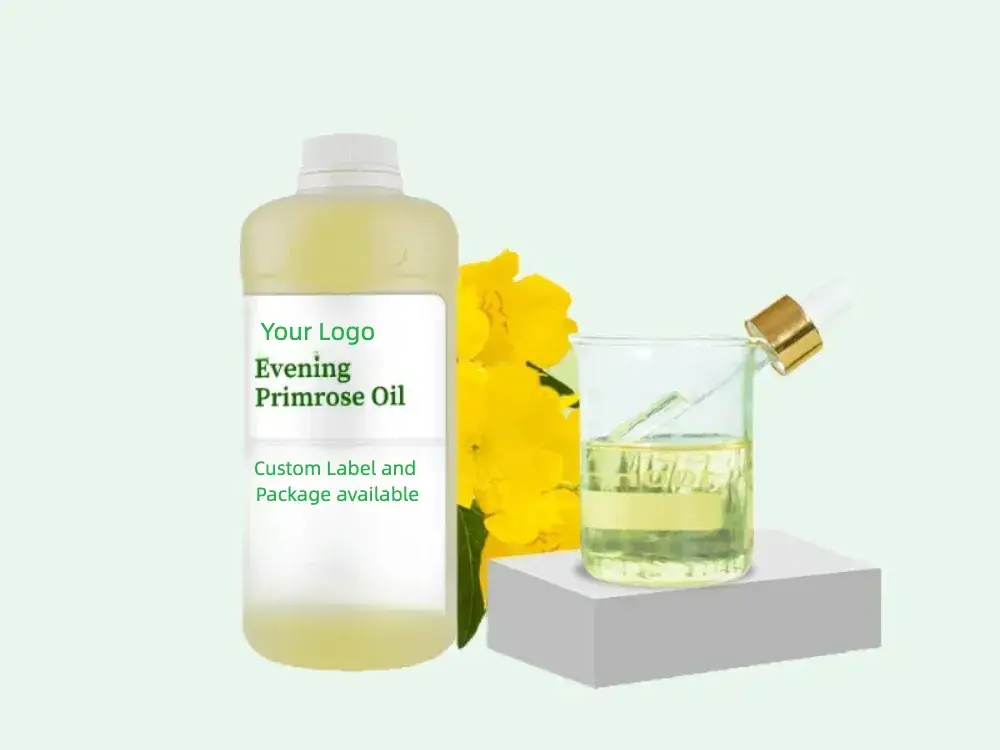
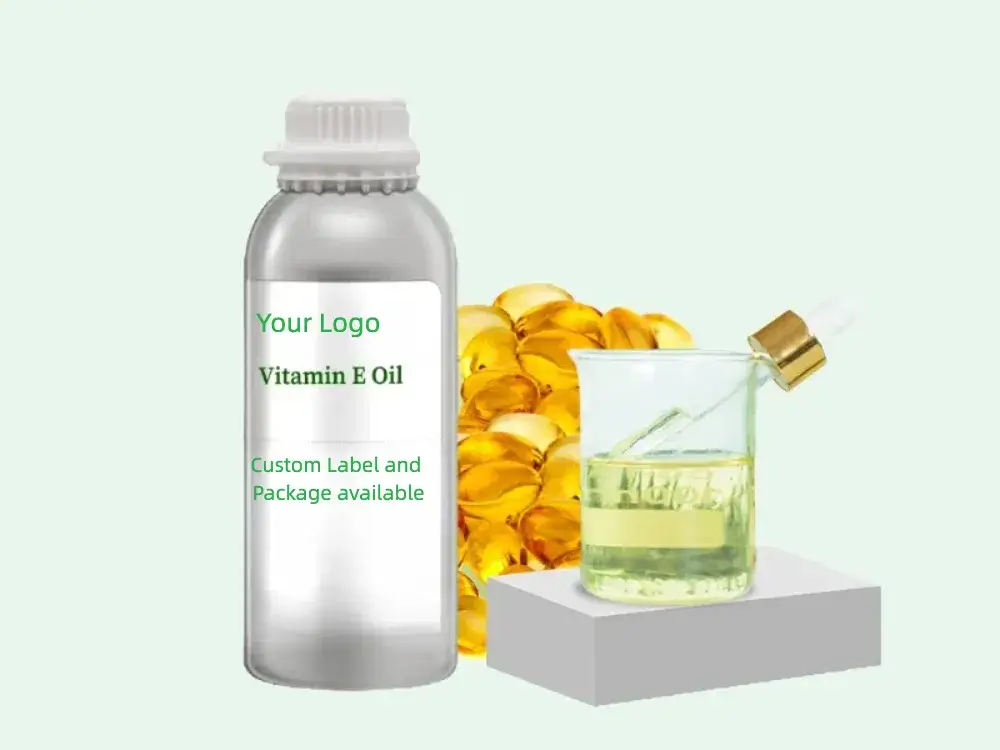
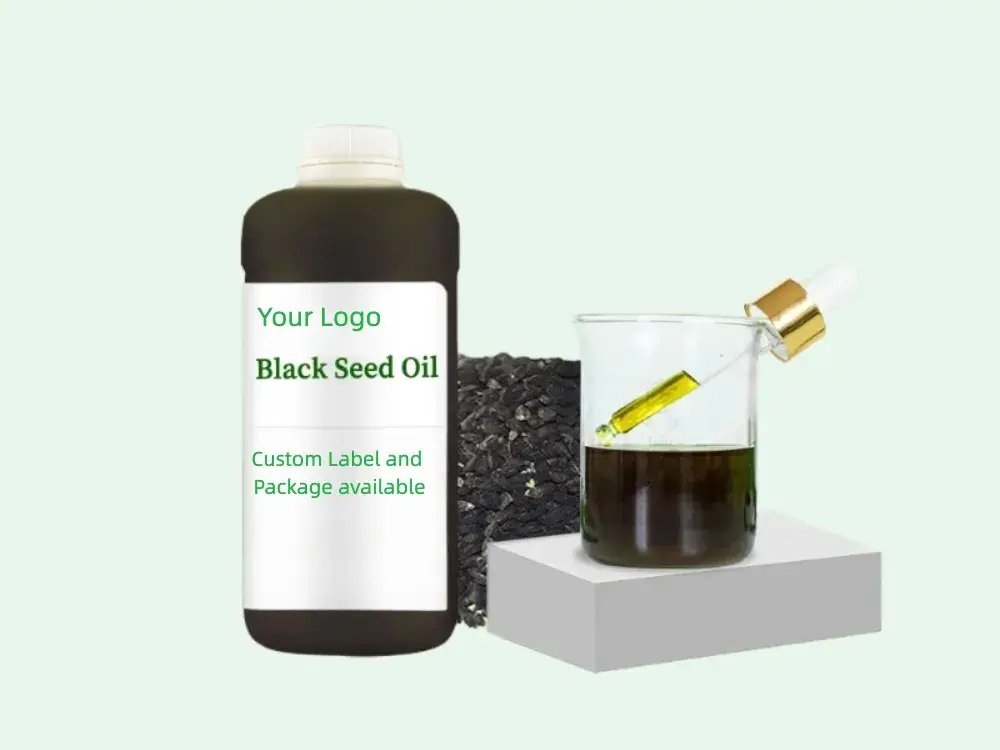
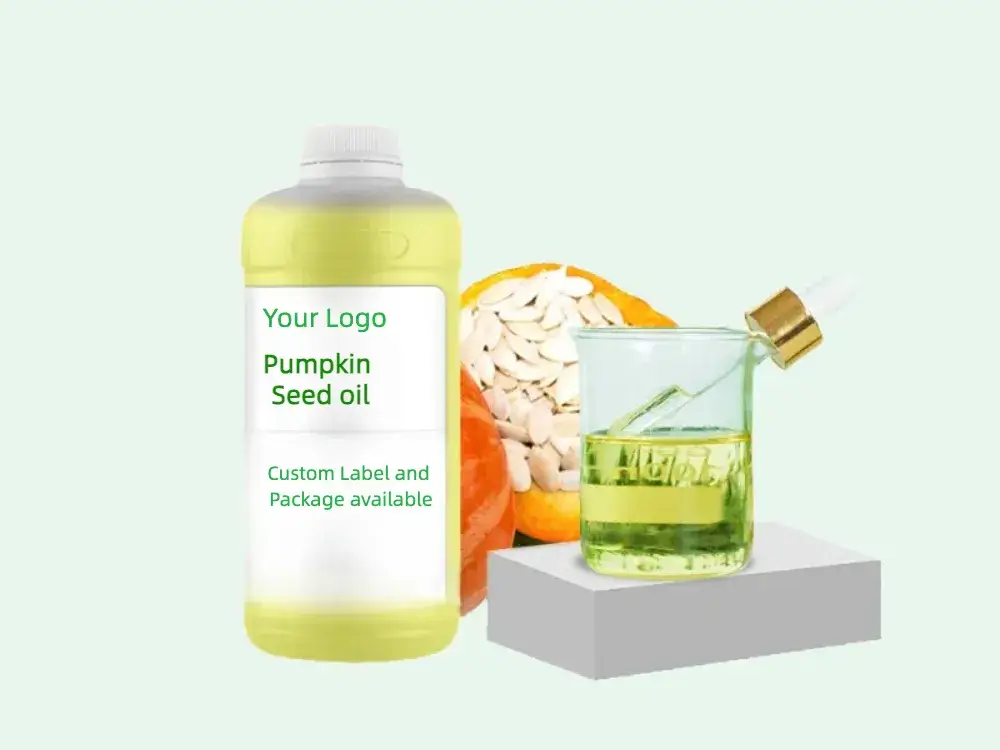
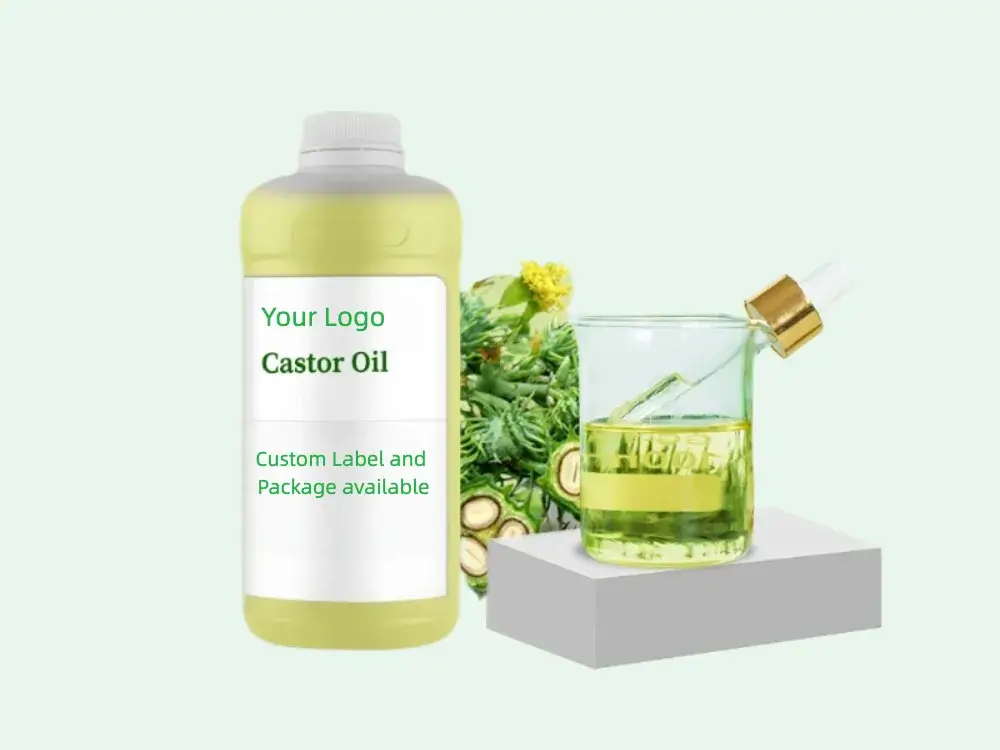
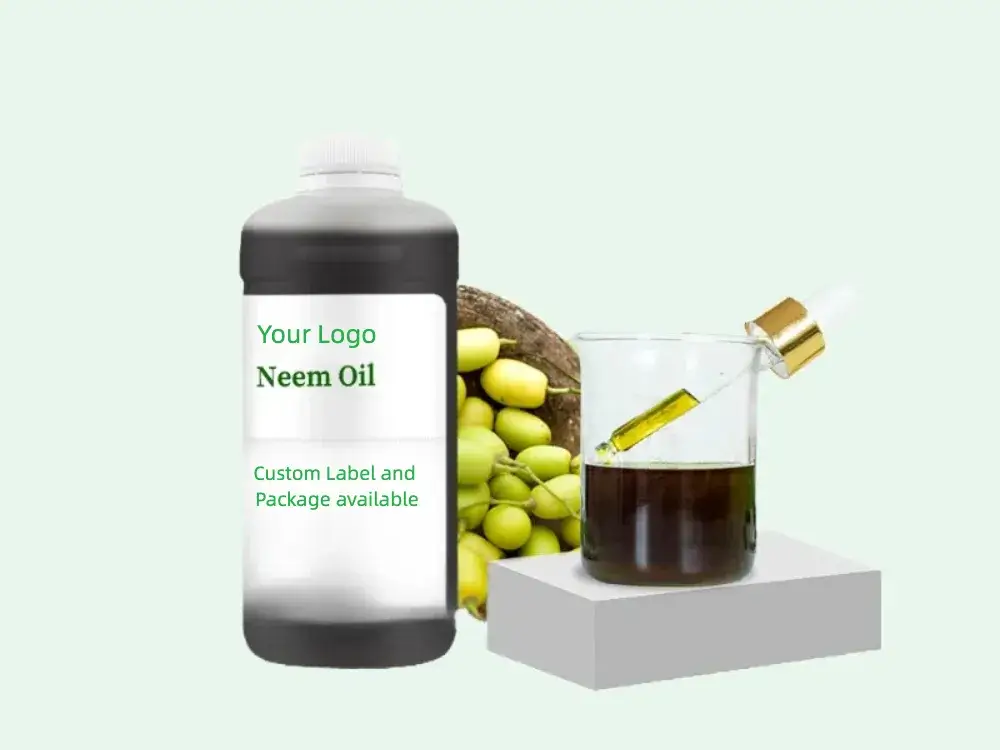
Our B2B Carrier Oil Services
When product quality, regulatory compliance, and supply chain reliability matter, industry leaders choose PhytoEx. Our 14+ years of botanical extract expertise means you get more than premium carrier oils—you get the stable supply, custom formulations, competitive price and quality assurance that turn procurement challenges into your business advantages.
Bulk Wholesale Supply
Reliable bulk carrier oils supply with competitive factory-direct pricing and guaranteed availability from our 1000+ tons regular stock.
MOQ: 1KG | Lead Time: 3-7 Days
- 1000+ tons regular inventory
- 20+ tons daily production capacity
- Flexible packaging options
- Volume pricing discounts
- 1000+ tons regular inventory
- Consistent quality batches
Private Label Manufacturing
Complete private label solutions with your branding, custom packaging, and full regulatory documentation for market-ready products.
Your Brand, Our Expertise
- Custom packaging design
- Regulatory compliance support
- Marketing material assistance
- Quality documentation
- Competitive manufacturing rates
Custom Formulations
Bespoke custom carrier oils and formulations developed by our expert chemists to meet your exact specifications and performance requirements.
72-Hour Rapid Prototyping
- Expert blend development
- Stability testing included
- Custom concentration ratios
- Scalable formulations
- IP protection available
Quality Testing & Documentation
Comprehensive quality assurance with advanced testing procedures and complete documentation for regulatory compliance and peace of mind.
COA & MSDS Included
- GC-MS analysis on request
- Certificate of Analysis (COA)
- Material Safety Data Sheet (MSDS)
- Batch traceability records
- Third-party testing available
Global Logistics & Support
Worldwide shipping with proper hazmat handling, customs documentation, and dedicated customer support throughout the entire process.
50+ Countries Served
- Hazmat certified shipping
- Customs documentation handled
- Real-time shipment tracking
- Dedicated account management
- 12-hour response guarantee
Technical Consultation
Expert technical guidance from our experienced team to help you select the right carrier oils, optimize formulations, and solve application challenges.
Free Expert Consultation
- Application-specific recommendations
- Formulation optimization
- Regulatory guidance
- Market trend insights
- Ongoing technical support
Complete Guide On Carrier Oils
Everything you need to know about understanding, selecting, and sourcing carrier oils in bulk for professional applications.
What are Carrier Oils?
Where Do Carrier Oils Come From?
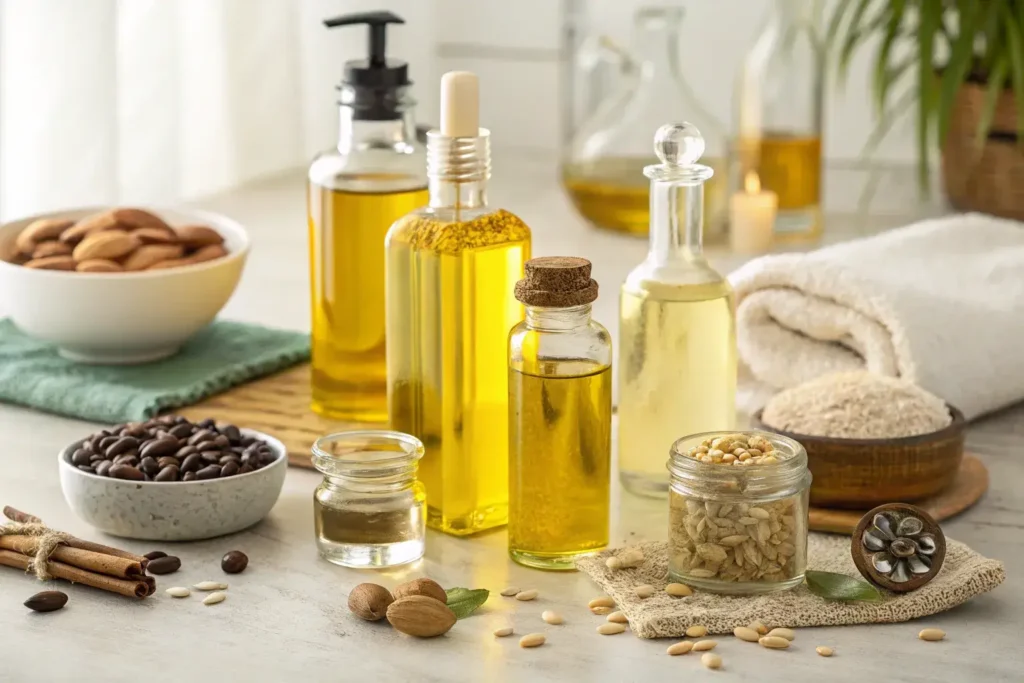
Carrier oils are extracted from the fatty portions of plants, including:
Seeds & Kernels
- Sweet almond (Prunus dulcis seeds)
- Jojoba (Simmondsia chinensis seeds)
- Sunflower (Helianthus annuus seeds)
- Grapeseed (Vitis vinifera seeds)
Fruit Flesh
- Avocado (Persea americana fruit)
- Olive (Olea europaea fruit)
- Coconut (Cocos nucifera fruit)
Nuts
- Macadamia (Macadamia integrifolia nuts)
- Walnut (Juglans regia nuts)
- Hazelnut (Corylus avellana nuts)
Difference Between Carrier Oils & Essential Oils
| Characteristic | Carrier Oils | Essential Oils |
|---|---|---|
|
Volatility |
Non-volatile (don’t evaporate) |
Highly volatile (evaporate quickly) |
|
Scent |
Little to no odor |
Strong, characteristic aroma |
|
Concentration |
Used at 100% strength |
Must be diluted (typically 1-5%) |
|
Composition |
Fatty acids, triglycerides |
Volatile organic compounds |
|
Function |
Base, moisturizer, dilution medium |
Fragrance, therapeutic properties |
|
Skin Application |
Safe for direct skin contact |
Can cause irritation if undiluted |
💡 Industry Expert Tip
When formulating cosmetic products, carrier oils serve three critical functions: they act as a delivery system for active ingredients, provide skin benefits through their fatty acid profiles, and ensure product stability during storage and transport.
Main Types of Carrier Oils
Carrier oils are typically classified by their absorption rate and molecular weight, which determines their suitability for different applications:
Penetrate quickly, suitable for facial products and oily skin
- Jojoba oil (technically a wax)
- Fractionated coconut oil
- Grapeseed oil
- Apricot kernel oil
Balanced absorption, versatile for most applications
- Sweet almond oil
- Sunflower oil
- Safflower oil
- Sesame oil
Provide barrier protection, ideal for dry/damaged skin
- Avocado oil
- Coconut oil (solid at room temp)
- Castor oil
- Wheat germ oil
Virgin vs. Extra Virgin vs. Refined Carrier Oils
| Processing Level | Processing Method | Characteristics | Best Applications |
|---|---|---|---|
|
Extra Virgin |
First cold-press only
No heat or chemicals |
• Retains natural color, scent |
• Premium cosmetic formulations |
|
Virgin |
Cold-pressed
Minimal processing |
• Good nutrient retention |
• Quality cosmetic products |
|
Refined |
Heat treatment
Chemical processing
Deodorization |
• Neutral color and odor |
• Large-scale manufacturing |
💡 Key Consideration for Formulators
Processing level directly impacts formulation performance: Extra virgin oils may introduce unwanted color or scent to your final product, while refined oils offer predictable characteristics but fewer natural benefits. Choose based on your product positioning, target price point, and quality requirements.
Need Help Selecting the Right Carrier Oils?
Our technical team can recommend the optimal carrier oil grades and types for your specific formulation requirements.
How Are Carrier Oils Extracted?
The extraction method fundamentally determines a carrier oil’s quality, stability, nutritional content, and suitability for specific applications. Understanding these processes is crucial for making informed sourcing decisions that align with your product requirements and quality standards.
Cold-Pressed Extraction
Mechanical pressing below 80°F (27°C)
Cold-pressing uses mechanical pressure to extract oil from seeds, nuts, or fruits without heat or chemicals. This gentle process preserves the oil’s natural nutritional profile, making it ideal for premium cosmetic and therapeutic applications.
Process Details
Raw materials are mechanically pressed using hydraulic or expeller presses at temperatures below 80°F. The oil is then filtered to remove solids but retains natural compounds.
Typical Yield
Pure steam is generated and passed through the plant material in specialized distillation chambers.
Quality Characteristics
Retains natural color, mild scent, vitamins, antioxidants, and fatty acid integrity. Shorter shelf life (12-18 months) due to minimal processing.
Best Applications
Premium skincare, aromatherapy, natural cosmetics, therapeutic formulations requiring maximum nutritional content.
✓ Advantages
- Maximum nutrient retention
- No chemical residues
- Natural antioxidant content
- Premium market positioning
- Minimal environmental impact
× Limitations
- Higher cost per unit
- Shorter shelf life
- Color/scent variations
- Lower extraction yields
- Temperature-sensitive storage
Expeller-Pressed Extraction
Mechanical pressing with controlled heat (140-210°F)
Expeller-pressing uses screw-type presses that generate heat through friction (140-210°F). This method offers a balance between extraction efficiency and quality retention, making it suitable for commercial-scale production.
Process Details
Seeds/nuts are fed into a heated barrel where rotating screws crush and press the material. Heat generated by friction aids extraction efficiency.
Typical Yield
25-35% extraction efficiency. Higher yields than cold-pressing make this method more economical for large-scale operations.
Quality Characteristics
Good nutrient retention with some heat-sensitive vitamin loss. Longer shelf life (18-24 months) than cold-pressed oils.
Best Applications
Commercial cosmetics, massage oils, soap making, industrial applications requiring consistent quality and cost-effectiveness.
✓ Advantages
- Higher extraction efficiency
- Cost-effective production
- No chemical solvents
- Scalable for large volumes
- Good quality retention
× Limitations
- Some nutrient degradation
- Heat-sensitive vitamin loss
- Potential oxidation
- Less premium positioning
- Variable quality control
Solvent Extraction
Chemical extraction using hexane or other solvents
Solvent extraction uses chemical solvents (typically hexane) to dissolve and extract oils from plant materials. This method achieves the highest extraction rates but requires subsequent refining to remove solvent residues.
Process Details
Plant material is treated with petroleum-based solvents to dissolve oils. The solvent is then evaporated, leaving crude oil that requires refining.
Typical Yield
85-95% extraction efficiency. Maximum oil recovery makes this the most economical method for large-scale commercial production.
Quality Characteristics
Requires extensive refining. Final product is neutral in color/odor with minimal nutritional content but excellent stability.
Best Applications
Mass-market cosmetics, industrial lubricants, processed foods, applications prioritizing cost over nutritional content.
✓ Advantages
- Highest extraction yields
- Lowest production costs
- Excellent stability
- Consistent batch quality
- Long shelf life (2-3 years)
× Limitations
- Chemical solvent residues
- Complete nutrient destruction
- Environmental concerns
- Requires extensive refining
- Limited premium applications
CO₂ Extraction
Supercritical carbon dioxide extraction
Supercritical CO₂ extraction uses pressurized carbon dioxide as a solvent to extract oils at low temperatures. This advanced method produces the highest quality oils with superior purity and potency.
Process Details
CO₂ is pressurized and heated to become supercritical, acting as both liquid and gas to extract oils. The CO₂ then evaporates, leaving pure oil.
Typical Yield
Variable yields (20-40%) depending on source material. Quality and purity often justify lower yields for premium applications.
Quality Characteristics
Highest purity and potency. No chemical residues, maximum bioactive compound retention, superior color and scent profile.
Best Applications
Ultra-premium cosmetics, pharmaceutical applications, specialized therapeutic formulations, luxury skincare products.
✓ Advantages
- Highest purity levels
- No chemical residues
- Superior nutrient retention
- Precise extraction control
- Premium market positioning
× Limitations
- Highest production costs
- Complex equipment requirements
- Limited commercial availability
- Specialized handling needed
- Small batch sizes
Extraction Method Comparison Matrix
| Factor | Cold-Pressed | Expeller-Pressed | Solvent Extracted | CO₂ Extracted |
|---|---|---|---|---|
|
Nutrient Retention |
Excellent |
Good |
Poor |
Superior |
|
Extraction Yield |
15-25% |
25-35% |
85-95% |
20-40% |
|
Production Cost |
High |
Medium |
Low |
Very High |
|
Shelf Life |
12-18 months |
18-24 months |
24-36 months |
12-24 months |
|
Chemical Purity |
Excellent |
Excellent |
Requires Testing |
Superior |
|
Scalability |
Medium |
High |
Very High |
Limited |
How Extraction Method Impacts Your Final Product
Formulation Stability
Cold-pressed oils may introduce color/scent variations that affect batch consistency. Refined oils offer predictable performance across production runs.
Marketing Positioning
Extraction method directly impacts your ability to make premium claims. “Cold-pressed” and “CO₂ extracted” command higher price points.
Regulatory Compliance
Solvent-extracted oils require additional testing for residual chemicals. Mechanical extraction methods simplify documentation.
Storage Requirements
Less processed oils need temperature-controlled storage and faster inventory turnover, impacting your supply chain costs.
Choose the Right Extraction Method for Your Application
Our technical team can recommend the optimal extraction method and source the exact grade you need for your specific formulation requirements.
Carrier Oils Applications & Industries
Carrier oils serve as essential ingredients across multiple industries, from luxury cosmetics to therapeutic applications. Understanding specific industry requirements, formulation challenges, and market trends is crucial for selecting the right oils and positioning your products effectively. As a 14+ years carrier oil supplier & manufacturer, PhytoEx can well support these industries and applications with our consistent quality carrier oils at competitive price, available with custom blends and private lable service.
Cosmetics & Personal Care
The cosmetics industry relies on carrier oils for moisturizing, anti-aging, and specialty skincare formulations. Requirements include consistent quality, long shelf life, and specific sensory properties that enhance user experience.

Facial Skincare
Serums, moisturizers, and anti-aging treatments requiring fast absorption and non-comedogenic properties.
Recommended Oils:
Jojoba Oil
Rosehip Oil
Grapeseed Oil
Argan Oil
Body Care Products
Lotions, body oils, and massage products requiring good spreadability and moisturizing properties.
Recommended Oils:
Sweet Almond Oil
Sunflower Oil
Coconut Oil
Safflower Oil
Hair Care Formulations
Leave-in treatments, hair oils, and scalp care products requiring penetration and non-greasy finish.
Recommended Oils:
Argan Oil
Fractionated Coconut Oil
Jojoba Oil
Apricot Kernel Oil
Color Cosmetics
Foundations, lipsticks, and makeup products requiring stability, color compatibility, and smooth application.
Recommended Oils:
Refined Sunflower Oil
Squalane Oil
Grapeseed Oil
Jojoba Oil
💡 Market Trends
- Clean beauty movement driving demand for organic and sustainably sourced oils
- Anti-aging products fueling premium oil segment growth (rosehip, argan, marula)
- K-beauty influence increasing multi-step skincare routines and oil-based products
- Men’s grooming market expanding carrier oil applications in beard and skincare
Aromatherapy & Wellness
Aromatherapy applications require carrier oils that effectively dilute essential oils while providing therapeutic skin benefits. Quality, purity, and absorption characteristics are critical for professional and consumer products.

Professional Massage Therapy
Spa and clinical massage oils requiring excellent glide, minimal staining, and therapeutic properties.
Recommended Oils:
Sweet Almond Oil
Grapeseed Oil
Jojoba Oil
Fractionated Coconut Oil
Essential Oil Blending
Dilution medium for essential oils in therapeutic and cosmetic applications.
Recommended Oils:
Jojoba Oil
Fractionated Coconut Oil
Sweet Almond Oil
MCT Oil
Wellness Products
Roll-on blends, bath oils, and therapeutic topical applications for stress relief and wellness.
Recommended Oils:
Sunflower Oil
Sesame Oil
Jojoba Oil
Grapeseed Oil
💡 Market Trends
- Post-pandemic wellness focus driving at-home aromatherapy product demand
- Professional certification programs increasing quality requirements
- Integration with meditation and mindfulness practices expands market reach
- Sustainable and ethically sourced oils are becoming market differentiators
Food & Nutraceuticals
Food-grade carrier oils serve as bases for nutritional supplements, functional foods, and culinary applications. Strict purity standards, taste neutrality, and nutritional profiles are key requirements.

Dietary Supplements
Softgel capsules, liquid supplements, and vitamin delivery systems requiring pharmaceutical-grade quality.
Recommended Oils:
Sunflower Oil
Olive Oil
Safflower Oil
MCT Oil
Functional Foods
Health bars, fortified foods, and specialty culinary products with added nutritional benefits.
Recommended Oils:
Coconut Oil
Sunflower Oil
Avocado Oil
Grapeseed Oil
💡 Market Trends
- CBD and hemp oil products driving demand for compliant carrier oils
- Keto and paleo diets increasing MCT oil and coconut oil applications
- Plant-based nutrition trends favoring cold-pressed and organic options
- Precision nutrition creating demand for specialized fatty acid profiles
Industrial & Technical Applications
Industrial applications utilize carrier oils for their lubricating properties, biodegradability, and renewable nature. Growing environmental concerns drive demand for bio-based alternatives to petroleum products.

Bio-based Lubricants
Environmentally friendly lubricants for machinery, automotive, and marine applications.
Recommended Oils:
High Oleic Sunflower Oil
Castor Oil
Rapeseed Oil
Jojoba Oil
Textile Processing
Fiber treatment, fabric softening, and eco-friendly textile processing applications.
Recommended Oils:
Refined Sunflower Oil
Cottonseed Oil
Soybean Oil
Safflower Oil
💡 Market Trends
- Sustainability regulations driving replacement of petroleum-based products
- Bio-plastics and renewable materials creating new application opportunities
- Green chemistry initiatives favoring plant-based industrial ingredients
- Circular economy principles promoting biodegradable lubricants and chemicals
Industry-Specific Formulation Guidelines
| Industry | Key Requirements | Preferred Characteristics | Quality Standards |
|---|---|---|---|
|
Cosmetics |
Non-comedogenic, stable, consistent batch quality |
Fast absorption, neutral odor, long shelf life |
USP/NF, cosmetic grade, microbiological testing |
|
Aromatherapy |
Pure, unrefined, therapeutic grade |
Good penetration, minimal interference with essential oils |
Organic certification, pesticide-free, cold-pressed |
|
Food/Nutraceutical |
Food grade, taste neutral, high purity |
Nutritional benefits, oxidative stability |
FDA approved, GRAS status, heavy metals testing |
|
Industrial |
High viscosity index, thermal stability |
Biodegradable, low volatility, cost-effective |
ASTM standards, environmental compliance |
💡 Regulatory Considerations by Industry
Important: Each industry has specific regulatory requirements that impact carrier oil selection. Cosmetic applications must comply with FDA cosmetic regulations and EU REACH requirements. Food applications require GRAS (Generally Recognized as Safe) status and may need organic certification. Industrial applications must meet environmental and safety standards specific to end-use applications. Always verify regulatory compliance before finalizing oil selection.
Find the Perfect Carrier Oil for Your Application
Our industry specialists can recommend optimal carrier oil solutions based on your specific application requirements, regulatory needs, and market positioning.
Quality Standards & Purity Evaluation
Quality assessment in carrier oils requires a systematic approach that adapts to different oil types, applications, and regulatory requirements. This framework provides universal principles for evaluating any carrier oil while helping you establish quality specifications that align with your business needs.
Scientific Testing
Standardized analytical methods for consistent quality assessment
Data Interpretation
Understanding what test results mean for your specific applications
Risk Assessment
Identifying potential quality issues before they impact your products
Specification Setting
Establishing appropriate quality standards for your business needs
How to Evaluate Carrier Oils Quality
1. Define Your Quality Requirements
Establish specifications based on your intended application, target market, and regulatory requirements.
- Identify critical quality parameters for your application
- Research applicable industry standards and regulations
- Consider shelf life and storage condition requirements
- Determine acceptable quality grade and price point
2. Request Comprehensive Documentation
Obtain complete analytical data and traceability information from potential suppliers.
- Certificate of Analysis (COA) from accredited laboratory
- Manufacturing process documentation
- Source material traceability and origin verification
- Storage and handling condition records
3. Conduct Incoming Quality Verification
Verify supplier claims through independent testing of critical parameters.
- Test key quality indicators relevant to your application
- Verify organoleptic properties (appearance, odor, texture)
- Confirm identity through appropriate analytical methods
- Document all quality data systematically
4. Establish Quality Monitoring System
Implement ongoing quality assurance procedures and supplier performance tracking.
- Set up regular quality monitoring schedules
- Track quality trends and supplier performance
- Maintain proper storage conditions and inventory rotation
- Develop corrective action procedures for quality deviations
Quality Parameter Guidelines by Oil Category
| Aspect | Saturated Oils | Monounsaturated Oils | Polyunsaturated Oils |
|---|---|---|---|
|
Iodine Value |
5-40 |
80-110 |
110-180 |
|
Typical Acid Value |
0.1-3.0 mg KOH/g |
0.2-4.0 mg KOH/g |
0.1-3.0 mg KOH/g |
|
Oxidative Stability |
High |
Good |
Moderate |
|
Examples |
Coconut Oil, Palm Oil |
Olive Oil, Almond Oil, Jojoba Oil |
Sunflower Oil, Safflower Oil |
Essential Testing Methods for Any Carrier Oil
Identity Verification
Confirms oil authenticity and prevents adulteration or mislabeling.
GC-MS Fatty Acid Profile
Compare against reference standards for oil type
Purity Assessment
Detects contamination, oxidation, and quality degradation.
Acid Value, Peroxide Value
Compare against reference standards for oil type
Safety Screening
Ensures absence of harmful contaminants and pathogens.
Heavy Metals, Microbiological
Critical for consumer safety and regulatory compliance
Stability Prediction
Estimates shelf life and storage requirements.
Oxidative Stability Tests
Critical for consumer safety and regulatory compliance
Physical Properties
Confirms expected appearance, texture, and sensory characteristics.
Organoleptic Evaluation
Detect off-odors, color variations, texture issues
Residue Analysis
Screens for processing chemicals, pesticides, and solvents.
GC-MS, LC-MS Methods
Ensure compliance with organic and clean label requirements
PhytoEx Quality Assurance Process
Every batch undergoes comprehensive testing including GC-MS analysis, physical property verification, and microbiological screening. We provide complete documentation (COA, MSDS) with every shipment and maintain batch traceability for full supply chain transparency.
How Quality Parameters Impact Your Formulations
Oxidative Stability
Low peroxide values and proper antioxidant content ensure your finished products maintain quality throughout their shelf life, preventing rancidity and off-odors.
Sensory Properties
Proper processing and quality control ensure consistent color, odor, and texture that won’t interfere with your product’s intended sensory profile.
Regulatory Compliance
Comprehensive testing documentation supports your regulatory filings and reduces the risk of compliance issues or market access problems.
Formulation Performance
Consistent quality parameters ensure predictable performance in your formulations, reducing batch-to-batch variations in your finished products.
Practical Quality Decision Framework
What is your primary application?
Cosmetic/Personal Care Products
Focus on: Non-comedogenic properties, oxidative stability, sensory characteristics. Prioritize cosmetic-grade specifications with microbiological safety testing.
Food/Nutraceutical Applications
Focus on: Food-grade purity, absence of contaminants, nutritional profile retention. Require GRAS status and comprehensive contamination screening.
Aromatherapy/Therapeutic Use
Focus on: Minimal processing, therapeutic compound retention, compatibility with essential oils. Prioritize organic certification and gentle extraction methods.
Industrial Applications
Focus on: Functional performance, cost-effectiveness, consistent supply. Emphasize stability and scalability over premium quality grades.
What is your quality vs. cost priority?
Premium Quality (Price Secondary)
Choose: Cold-pressed or CO₂ extracted oils with comprehensive testing, organic certification, and complete traceability. Expect 15-40% price premium.
Balanced Quality/Cost
Choose: Expeller-pressed or carefully refined oils with essential testing protocols. Focus on reliable suppliers with good quality systems.
Cost-Optimized (Minimum Quality)
Choose: Refined oils meeting basic safety and regulatory requirements. Emphasize supply reliability and consistent specifications over premium attributes.
What is your supply chain complexity?
Single Oil, High Volume
Establish: Long-term supply agreements, dedicated quality specifications, regular supplier audits. Invest in relationship management and supply security.
Multiple Oils, Moderate Volumes
Develop: Standardized quality procedures, approved supplier list, centralized quality management. Balance relationship depth with supplier diversity.
Diverse Portfolio, Small Batches
Focus on: Flexible suppliers with broad capabilities, standardized documentation, efficient quality verification processes. Prioritize supplier responsiveness.
💡 Quality Investment Strategy
Remember: Quality is an investment, not a cost. Higher-grade oils may cost 15-40% more upfront but can provide better shelf life, superior performance, reduced regulatory risk, and enhanced brand positioning. Calculate the total cost of ownership including quality-related risks, not just purchase price.
Choose Quality Suppliers Who Understand These Standards
PhytoEx applies these same rigorous quality principles to every batch we produce, ensuring you receive carrier oils that meet your exact specifications.
Certifications & Compliance
Navigating the complex landscape of carrier oil certifications and regulatory compliance is essential for market access, consumer safety, and brand protection. Understanding which certifications matter for your specific applications helps ensure smooth product development and regulatory approval processes.
Organic Certifications
USDA, ECOCERT, JAS standards for organic claims
Quality Systems
ISO, GMP, HACCP manufacturing standards
Regulatory Compliance
FDA, EU, Health Canada requirements
Ethical Sourcing
Fair Trade, Rainforest Alliance certifications
Organic Certifications
Organic certifications verify that carrier oils are produced without synthetic pesticides, herbicides, or fertilizers, and processed according to strict organic standards. These certifications are mandatory for organic product claims and increasingly important for premium market positioning.
USDA Organic
United States organic standard for agricultural products and food ingredients.
95%+ organic ingredients required
ECOCERT Organic
European organic certification accepted globally for cosmetic and personal care applications.United States organic standard for agricultural products and food ingredients.
Annual inspection required
JAS Organic (Japan)
United States organic standard for agricultural products and food ingredients.
Import certificate required
COSMOS Organic
Comprehensive standard for organic and natural cosmetics in Europe.
20% minimum organic content
Quality Management Systems
Quality management certifications demonstrate systematic approaches to manufacturing control, documentation, and continuous improvement. These certifications are increasingly required by major brands and essential for pharmaceutical and cosmetic applications.
ISO 9001:2015
International standard for quality management systems ensuring consistent product quality.
Annual surveillance audits
ISO 22000
International food safety management standard for food-grade carrier oil production.
Annual surveillance audits
HACCP
Hazard Analysis Critical Control Points for food-grade and supplement applications.
Critical control point monitoring
GMP (Good Manufacturing Practices)
FDA-required practices for pharmaceutical and cosmetic ingredient manufacturing.
21 CFR Part 111 compliance
Regulatory Compliance Standards
Regulatory compliance ensures carrier oils meet government safety and labeling requirements for specific markets and applications. Requirements vary by country, application type, and intended use, making proper documentation essential for smooth market entry.
FDA Registration
US facility registration for food, cosmetic, and supplement ingredient manufacturers.
Biennial registration renewal
EU REACH Compliance
European chemical safety regulation for substances used in cosmetics and industrial applications.
Registration dossier required
Health Canada Natural Product
Canadian natural health product regulations for therapeutic and supplement applications.
Product license required
GRAS Status (Generally Recognized as Safe)
FDA safety determination for food and dietary supplement applications.
Safety documentation required
Sustainability & Ethical Certifications
Sustainability certifications are becoming increasingly important for brand differentiation, consumer preferences, and corporate social responsibility initiatives. These certifications verify ethical sourcing, environmental protection, and fair labor practices throughout the supply chain.
Fair Trade Certified
Ensures fair prices and working conditions for farmers and workers in developing regions.
Premium payment verification
Rainforest Alliance
Environmental conservation and sustainable farming practices certification.
Annual farm audits
RSPO (Roundtable on Sustainable Palm Oil)
Sustainable palm oil production standards for palm-derived carrier oils.
Chain of custody tracking
Carbon Neutral Certified
Verification of carbon footprint measurement and offset programs.
Annual carbon audit
Key Compliance Requirements by Industry Application
| Industry Application | Essential Certifications | Regulatory Requirements | Key Documentation |
|---|---|---|---|
|
Cosmetics & Personal Care |
ISO 9001, GMP, Organic Certification |
FDA Registration (US), REACH (EU), INCI Listing |
COA, MSDS, INCI documentation |
|
Food & Supplements |
ISO 22000, HACCP, Organic Certification |
GRAS Status (US), FDA Food Facility, Novel Food (EU) |
COA, MSDS, GRAS documentation |
|
Aromatherapy & Wellness |
Organic Certification, Fair Trade, ISO 9001 |
Cosmetic Registration, Therapeutic Goods (varies) |
COA, Organic certificates, origin documents |
|
Industrial Applications |
ISO 9001, Sustainability Certs |
REACH (EU), TSCA (US) |
COA, MSDS, technical specifications |
Our Certifications & Compliance Standards
ISO 9001:2015
Quality Management System certification ensuring consistent quality and continuous improvement processes
ISO 22000:2018
Food Safety Management System for food-grade essential oil production and handling
USDA Organic
Certified organic essential oils meeting strict USDA National Organic Program standards
FDA Registered
FDA facility registration for food-grade essential oil production and US market compliance
Halal Certified
Kosher certification available for Jewish dietary law compliance upon request
Documentation We Provide
Certificate of Analysis (COA)
Comprehensive test results including purity, chemical composition, physical properties, and microbiological analysis for every batch.
Material Safety Data Sheet (MSDS)
Complete safety information including handling procedures, storage requirements, and emergency response protocols.
GC-MS Analysis Report
Detailed chromatography results showing all chemical components and their concentrations for quality verification.
Regulatory Compliance Certificates
All relevant certifications and regulatory approvals we have for your target markets will be provided upon request.
Regulatory Support & Compliance Assistance
Our regulatory affairs team stays current with international standards and can provide guidance on compliance requirements for your specific markets. We offer consultation on product registration, labeling requirements, and regulatory submissions to ensure smooth market entry.
Third-Party Testing & Validation
For customers requiring additional validation, we work with accredited third-party laboratories for independent testing and certification. This includes specialized testing for:
Pesticide Residue Analysis
Multi-residue screening for over 400 pesticides using LC-MS/MS and GC-MS methods
Heavy Metals Testing
CP-MS analysis for lead, mercury, cadmium, and arsenic according to pharmacopeial limits
Allergen Assessment
IFRA-compliant allergen quantification for cosmetic and fragrance applications
Stability Studies
Accelerated and real-time stability testing under various storage conditions
Ready to Source Premium Carrier Oils?
Join 200+ global companies who trust PhytoEx for reliable supply, expert guidance, and exceptional quality. Start your carrier oil project today with industry-leading service and support. Our technical experts are ready to help you select the perfect carrier oils for your specific applications with competitive pricing.
Frequently Asked Questions About Carrier Oils
Get expert answers to the most common carrier questions from B2B buyers, sourcing managers, and product developers
What are carrier oils and how do they differ from essential oils?
Carrier oils are plant-derived base oils that dilute essential oils for safe skin application. Unlike essential oils, they’re non-volatile, have minimal scent, and provide moisturizing benefits through fatty acids
Why do I need carrier oils?
Essential oils are too concentrated for direct skin contact and can cause irritation. Carrier oils safely deliver essential oils while adding their own therapeutic benefits.
Which industries use your carrier oils?
We serve cosmetics & personal care, aromatherapy & wellness, food & nutraceuticals, and industrial applications with grade-specific oils for each sector.
What's the proper dilution ratio for essential oils?
Standard guidelines:
- General use: 2-3% (12-18 drops per oz)
- Sensitive skin: 1% (6 drops per oz)
- Facial products: 0.5-1% (3-6 drops per oz)
Which carrier oil should I choose for my formulation?
Selection depends on your application:
- Fast absorption: Jojoba, grapeseed (facial products)
- Medium absorption: Sweet almond, sunflower (body care)
- Rich/thick: Avocado, coconut (intensive treatments)
- Neutral: Fractionated coconut, refined sunflower (fragrance-sensitive products)
What's the difference between cold-pressed and refined oils?
Cold-pressed: Maximum nutrients, natural color/scent, shorter shelf life, premium pricing
Refined: Neutral characteristics, longer shelf life, consistent batches, cost-effective for manufacturing
What are your minimum order quantities and lead times?
We offer industry-leading flexibility for B2B buyers:
- Standard MOQ: 1kg for most essential oils (industry standard: 25-100kg)
- Premium/rare oils: 500g-2kg depending on availability
- Custom formulations: 5kg minimum for new blends
- Private label: 10kg minimum per SKU
Lead times by order type:
- Stock items: 3-7 days (1000+ tons available)
- Custom formulations: 7-14 days including R&D
- Seasonal/specialty oils: 2-4 weeks depending on harvest timing
- Private label production: 2-3 weeks including packaging
Express Service Available
For urgent orders, we offer 24-48 hour processing for stock items with express shipping. Additional fees apply but can save critical project timelines.
How do you handle international shipping and customs documentation?
We handle all aspects of international logistics and compliance:
- Hazmat certification: Proper classification and documentation for essential oils as hazardous materials
- Customs documentation: Commercial invoices, packing lists, certificates of origin, and regulatory certificates
- Import permits: Assistance obtaining required permits for restricted countries
- Freight forwarding: Relationships with specialized logistics providers for essential oils
- Insurance coverage: Full coverage for product value and shipping costs
Shipping options:
- Air freight: 7-15 days to most destinations (standard for small orders)
- Sea freight: 20-40 days (cost-effective for large volumes >500kg)
- Express courier: 5-7 days (premium service for urgent orders)
Countries served: 50+ countries with established logistics networks. Some restrictions apply for certain oils or destinations.
What payment terms and pricing structures do you offer?
Flexible payment options designed for B2B relationships:
- New customers: 50% deposit, 50% before shipment or letter of credit
- Established customers: Net 30 terms available after credit approval
- Large orders (>$50k): Progressive payments or extended terms negotiable
- Payment methods: Wire transfer, Paypal, Wechat, Alipay
Volume pricing tiers: please contact your account manager for large volume quotation and discount.
Price stability: We offer 6-month price locks for recurring orders and annual supply agreements with guaranteed pricing.
What documentation do you provide?
Complete quality package: COA, MSDS, GC-MS analysis, and all relevant certifications (ISO 9001/22000, organic, FDA registration).
Do you offer custom formulations?
Yes, we provide 72-hour rapid prototyping, custom blends, stability testing, and private label manufacturing with your branding.
How is carrier oil pricing determined?
Factors include: extraction method, organic certification, order volume, market demand, and seasonal availability. We offer competitive factory-direct pricing.
Do you provide samples?
Yes, free samples available within 1-3 days. Contact our team for sample requests and technical consultation.
How do I verify oil quality?
Check these key indicators:
- COA results: Acid value, peroxide value within specifications
- GC-MS profile: Confirms oil identity and purity
- Certifications: Organic, food-grade, cosmetic-grade as needed
- Supplier credentials: ISO certifications, facility audits
What certifications does PhytoEx have?
ISO 9001 & 22000, GMP certified, USDA Organic, FDA registered, and Halal certified.
How should I store bulk carrier oils?
Cool temperatures (60-70°F), dark containers, airtight sealing, and first-in-first-out rotation. Refrigeration extends shelf life for most oils.
How do I know if oil has gone bad?
Warning signs: sharp/bitter odors, color changes, cloudiness, or unusual texture. Check acid/peroxide values if suspected.
Still Have Questions?
Our technical experts are ready to help with purchasing, quality, specific questions about applications, regulatory requirements, or custom formulations.
Why Choose PhytoEx
We go above and beyond to empower our clients' success with quality Essential Oils & Extracts
We deliver natural purity, cutting-edge innovation, and seamless supply chain solutions to businesses worldwide. From raw material sourcing to precision extraction and global logistic, we ensure reliability, quality, and customized solutions tailored to your industry’s needs.

Advanced Manufacturing
20,000㎡ factory with state-of-the-art extraction technology. Molecular distillation & precision testing ensuring high purity.

Certified & Compliant
ISO9001 & ISO22000 certified, ensuring global market compliance. Full COA, MSDS, and GC-MS testing documentation available.

Fast & Flexible Supply
1kg MOQ & 3-7 day delivery for fast order fulfillment. 20+ tons daily capacity with Strategic raw material reserves for uninterrupted supply.

Sustainable & Traceable Sourcing
200+ eco-friendly farms supplying traceable, natural raw materials. Batch tracking system ensuring full ingredient traceability.

OEM/ODM Expertise
Custom essential oil formulations tailored to industry needs. 72-hour rapid prototyping with full branding & regulatory support.

Professional Team & Support
Dedicated sales engineers providing expert guidance tailored to your industry. Fast response times within 12 hours.
How to Work with PhytoEx
Our streamlined 4-step process makes sourcing essential oils simple, fast, and reliable
1
Share Your Requirements
Tell us your essential oil needs, applications, and volume requirements
through our contact form or direct phone call for quote.
2
Receive Expert Quote
Get comprehensive pricing, technical recommendations, and regulatory documentation within 12 hours from our sales engineers.
3
Test & Approve Samples
Evaluate our quality with samples delivered within 1-3 days, including complete COA & MSDS documentation and testing reports.
4
Fast Global Delivery
Production or packaging begins immediately after confirmation, with worldwide shipping and complete documentation delivered within 3-7 days.
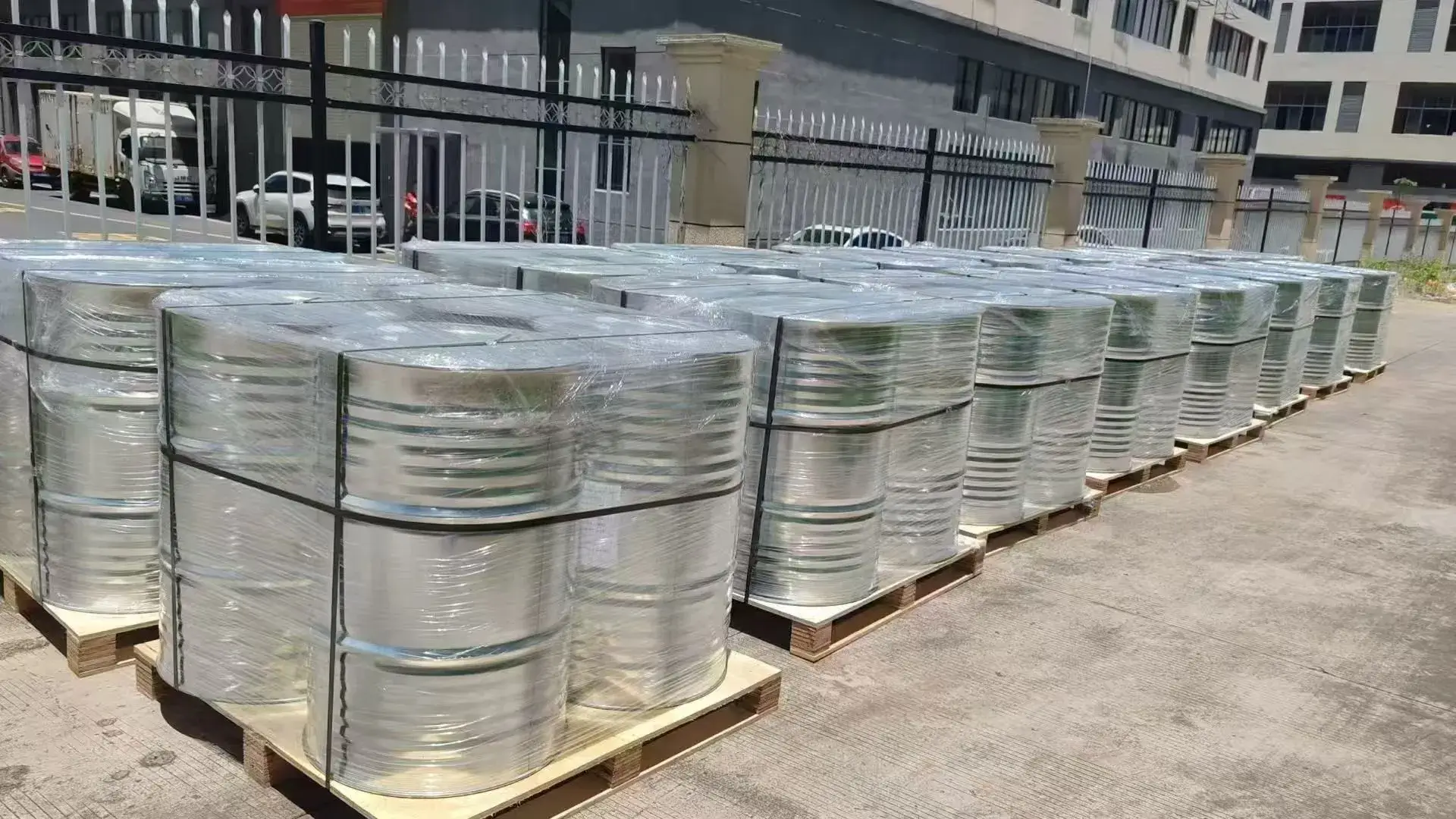
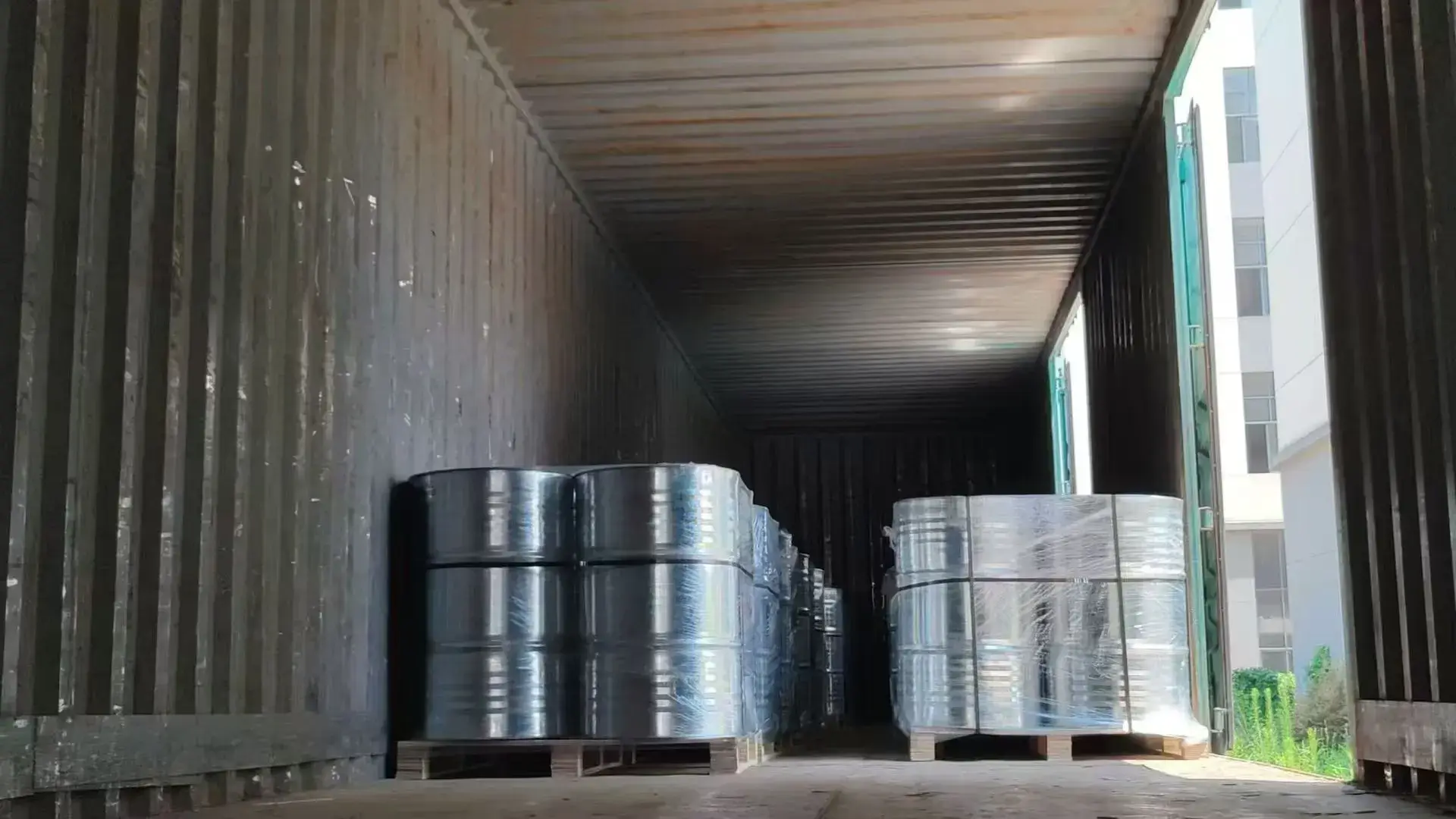
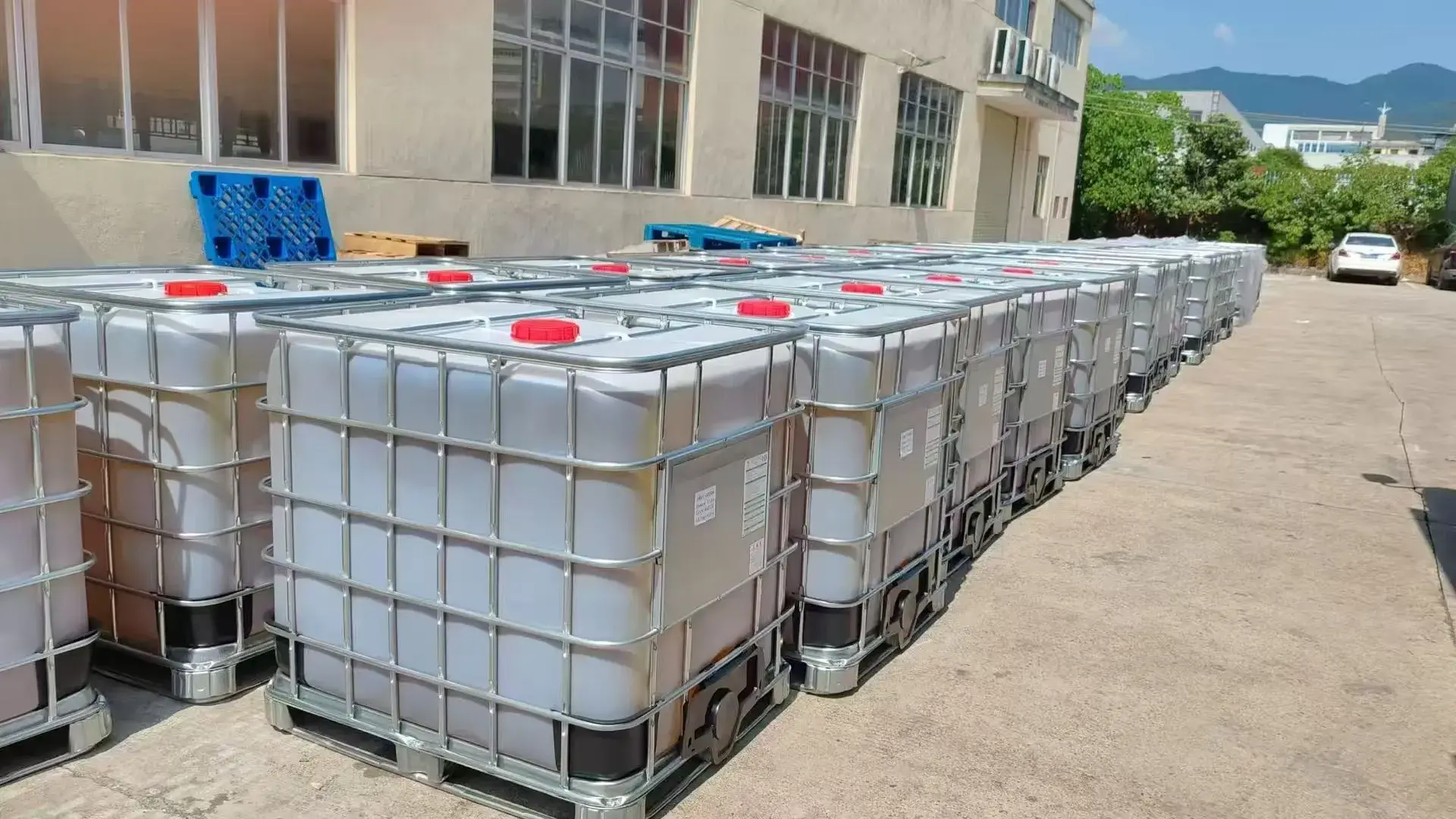
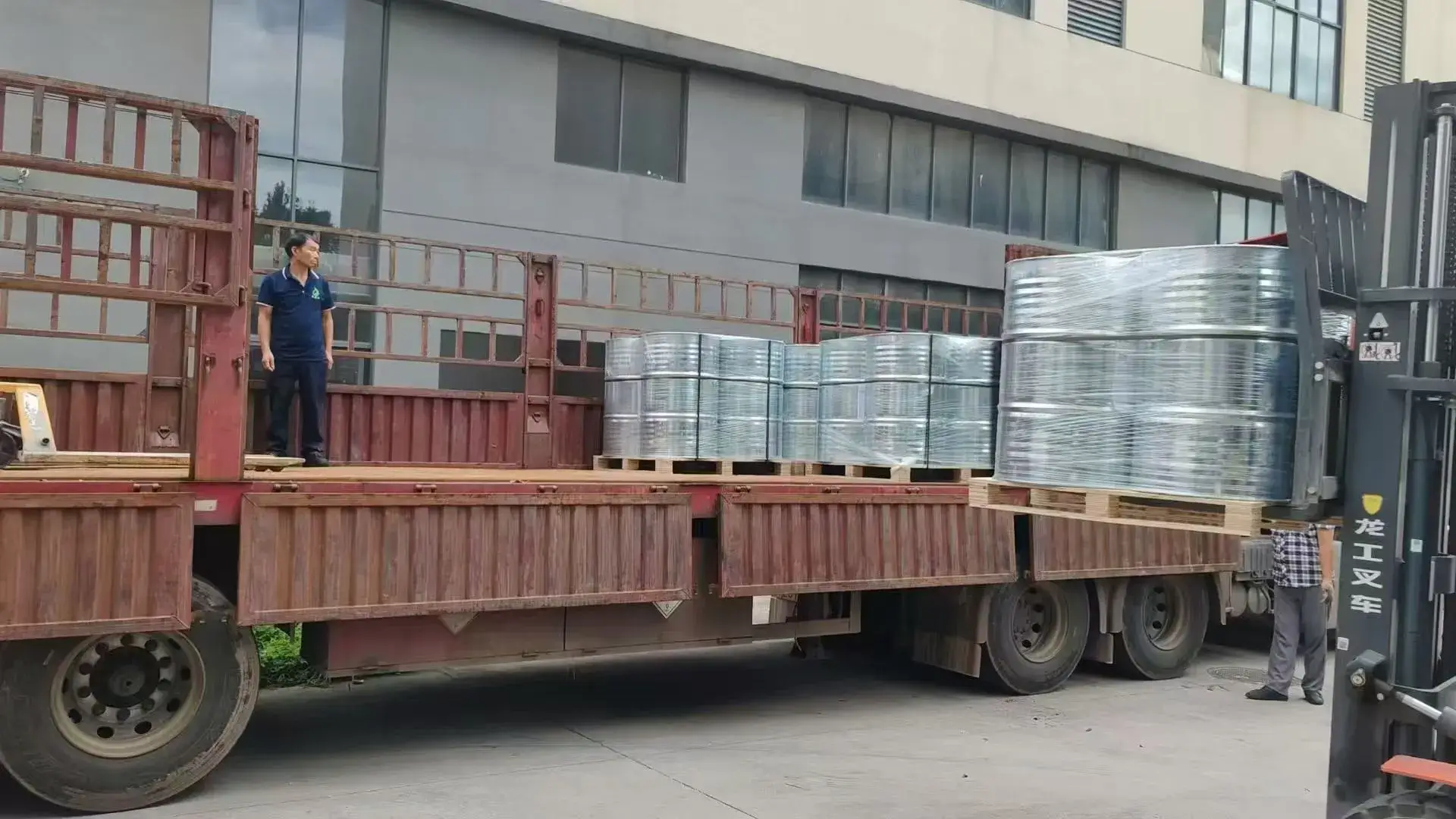
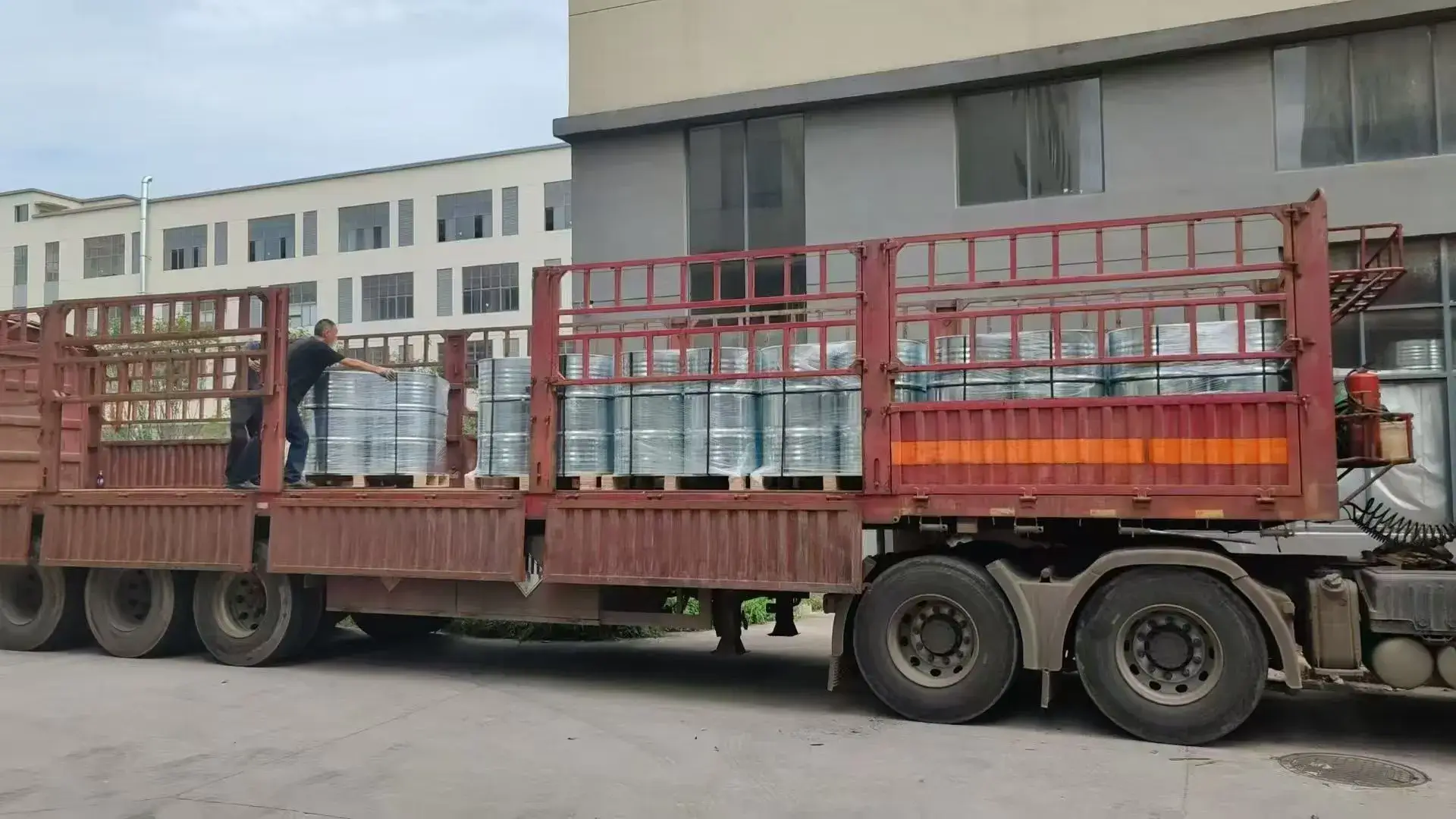
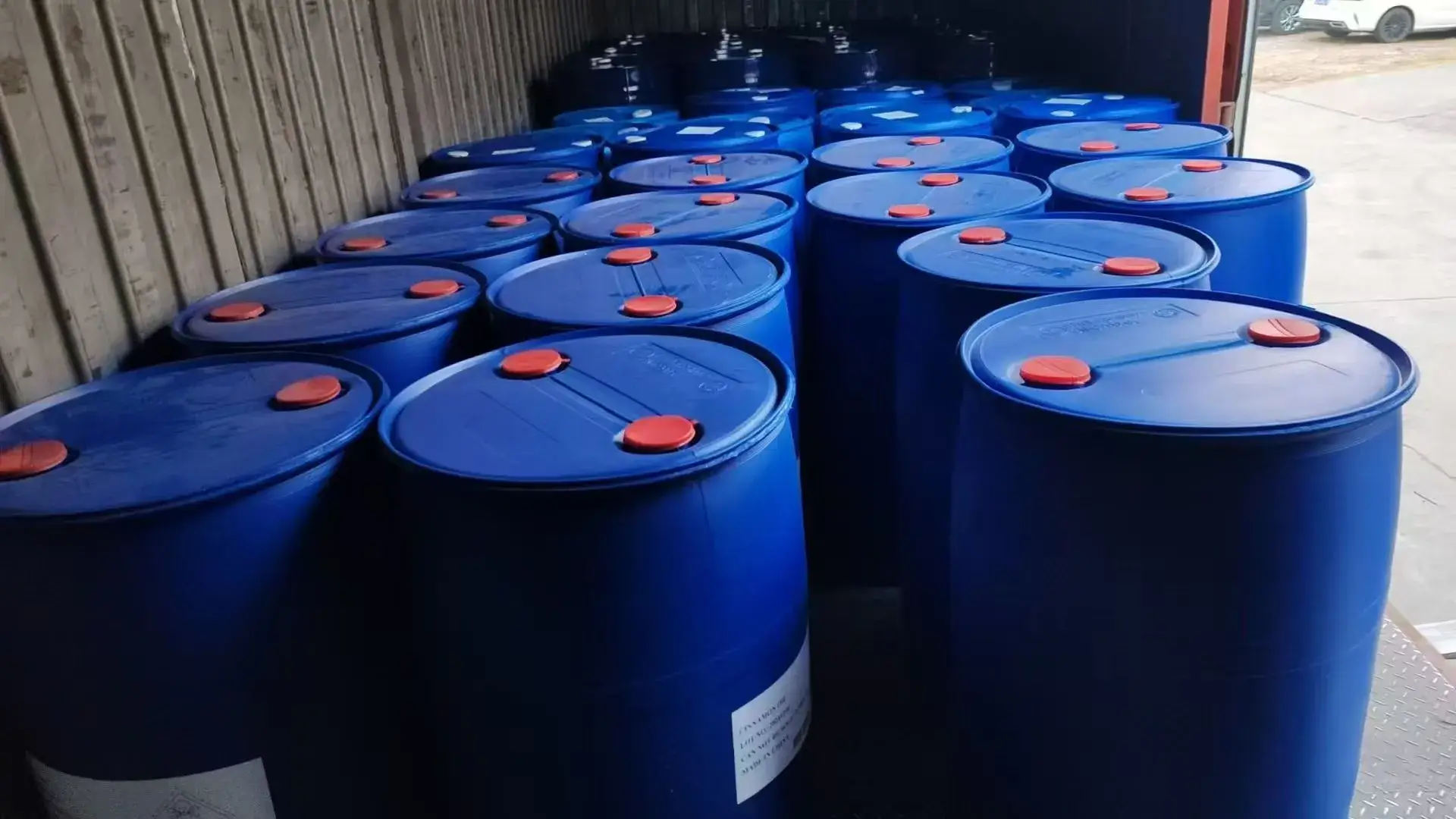
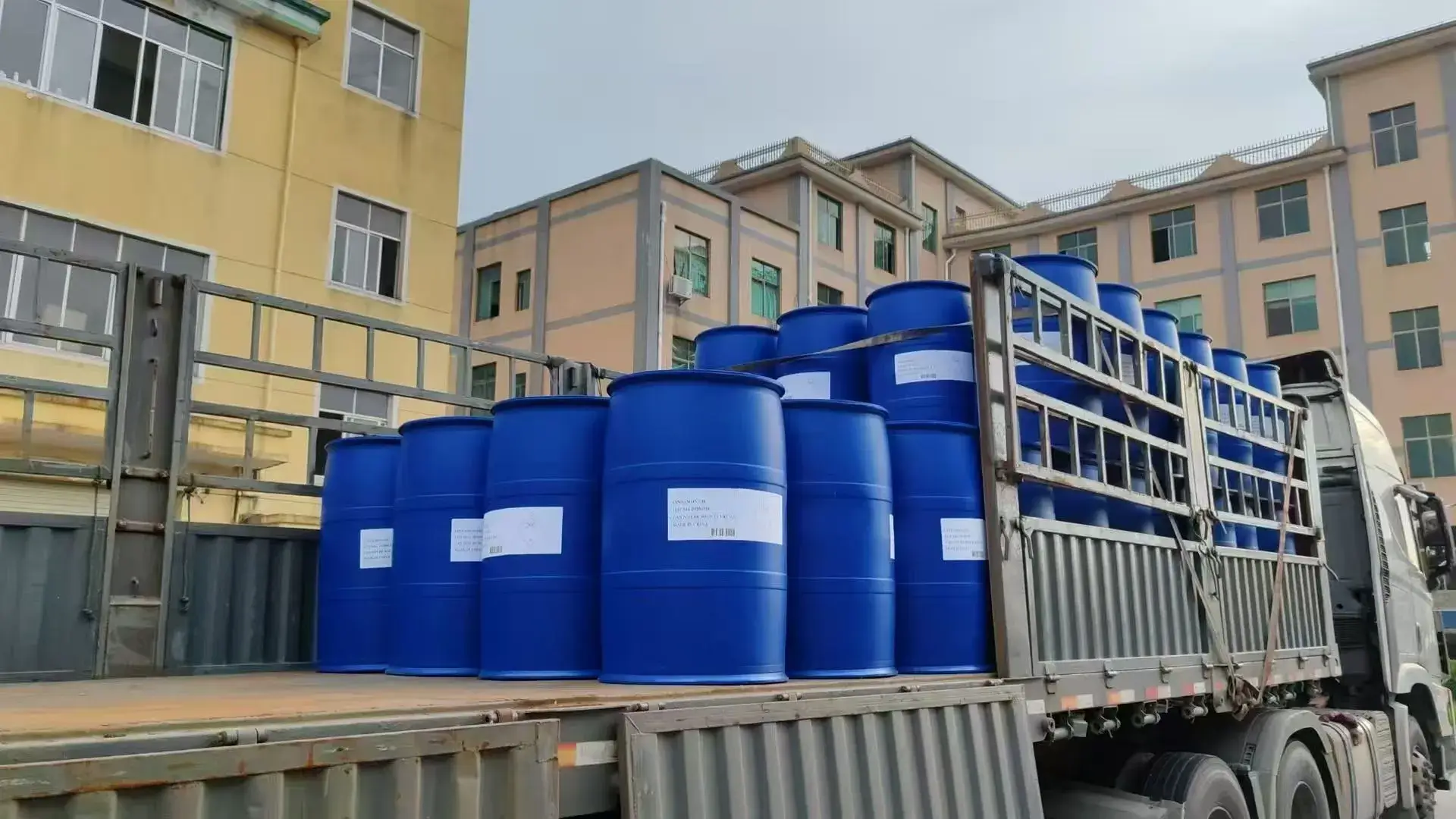
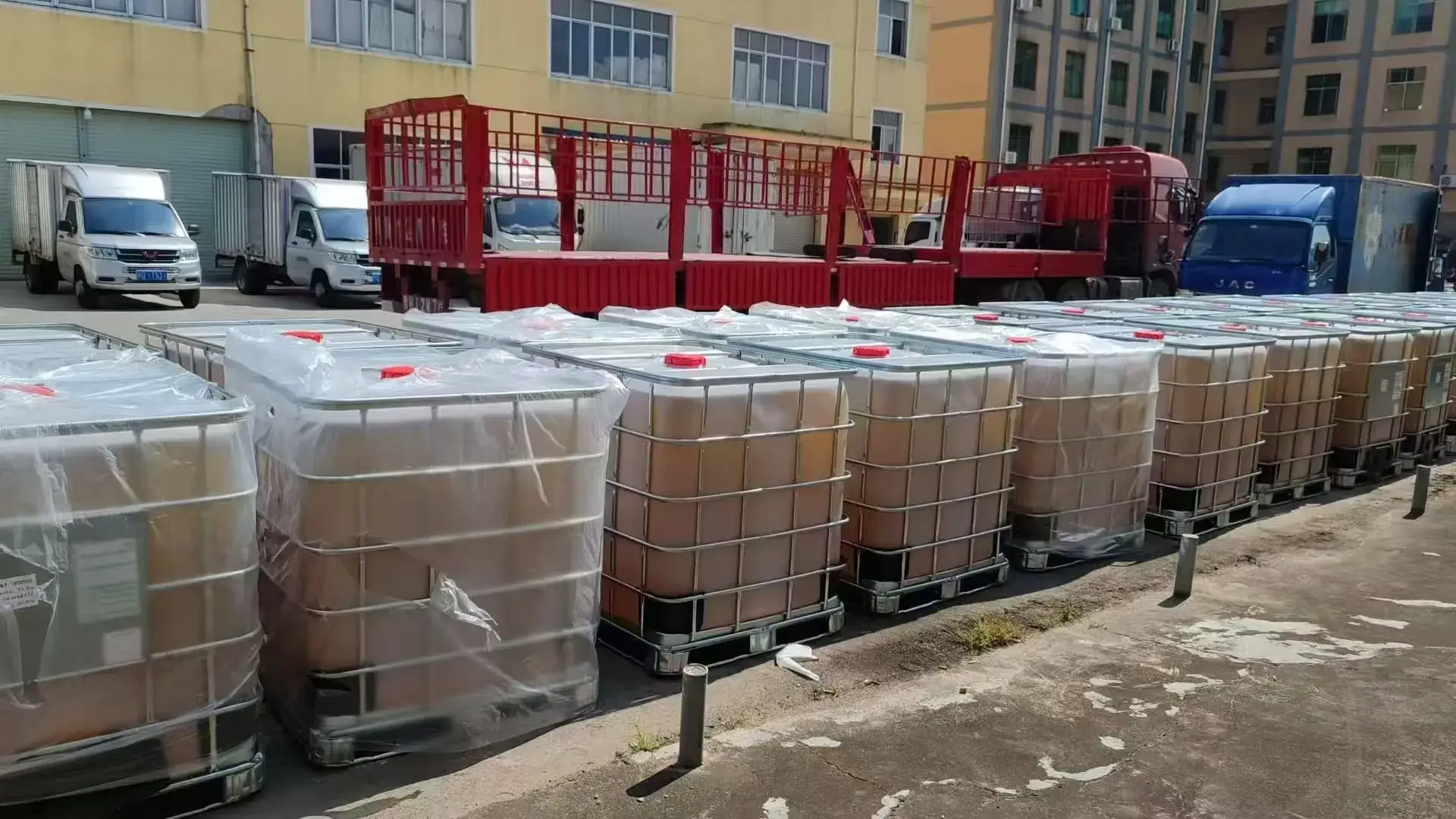
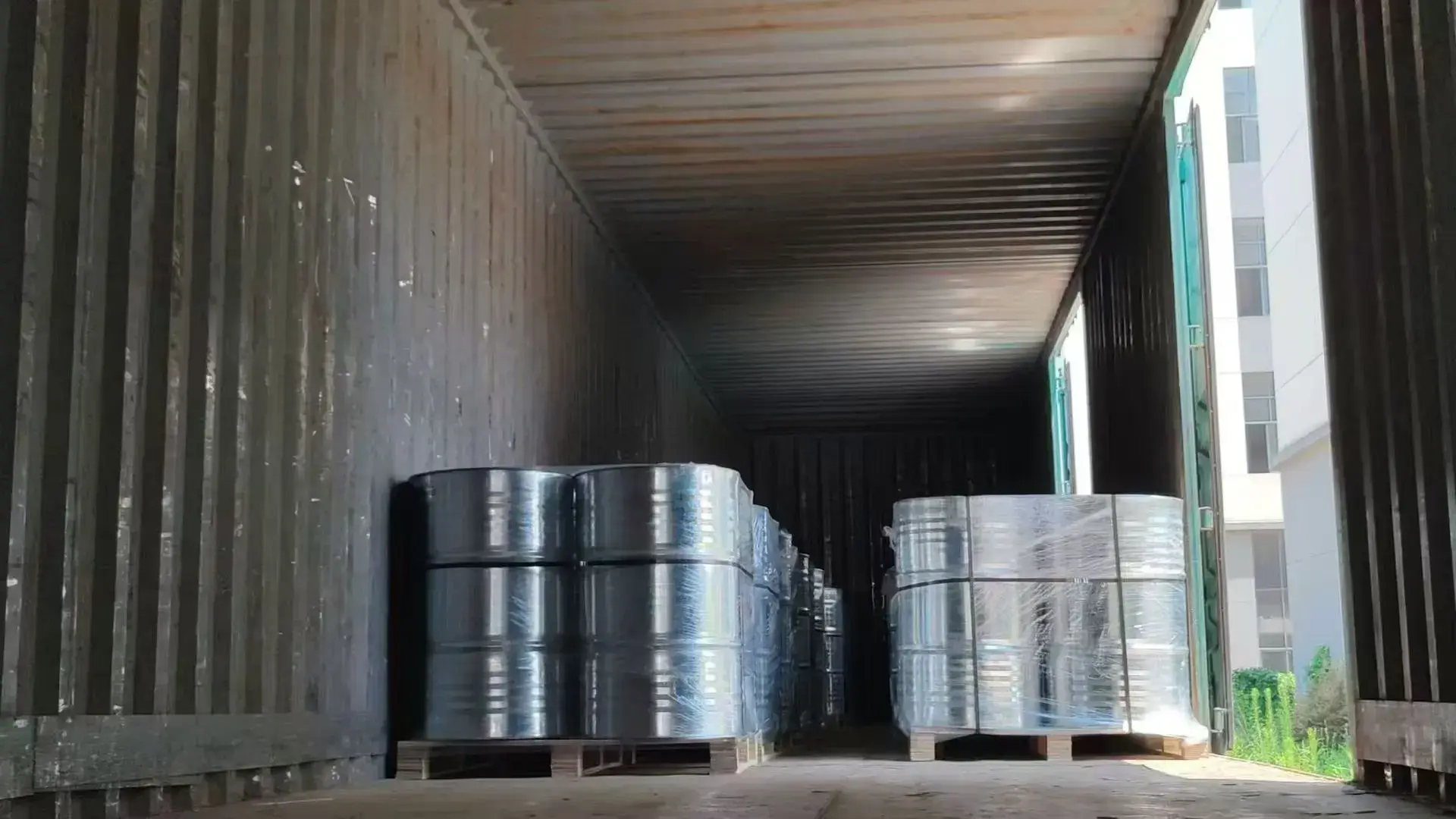
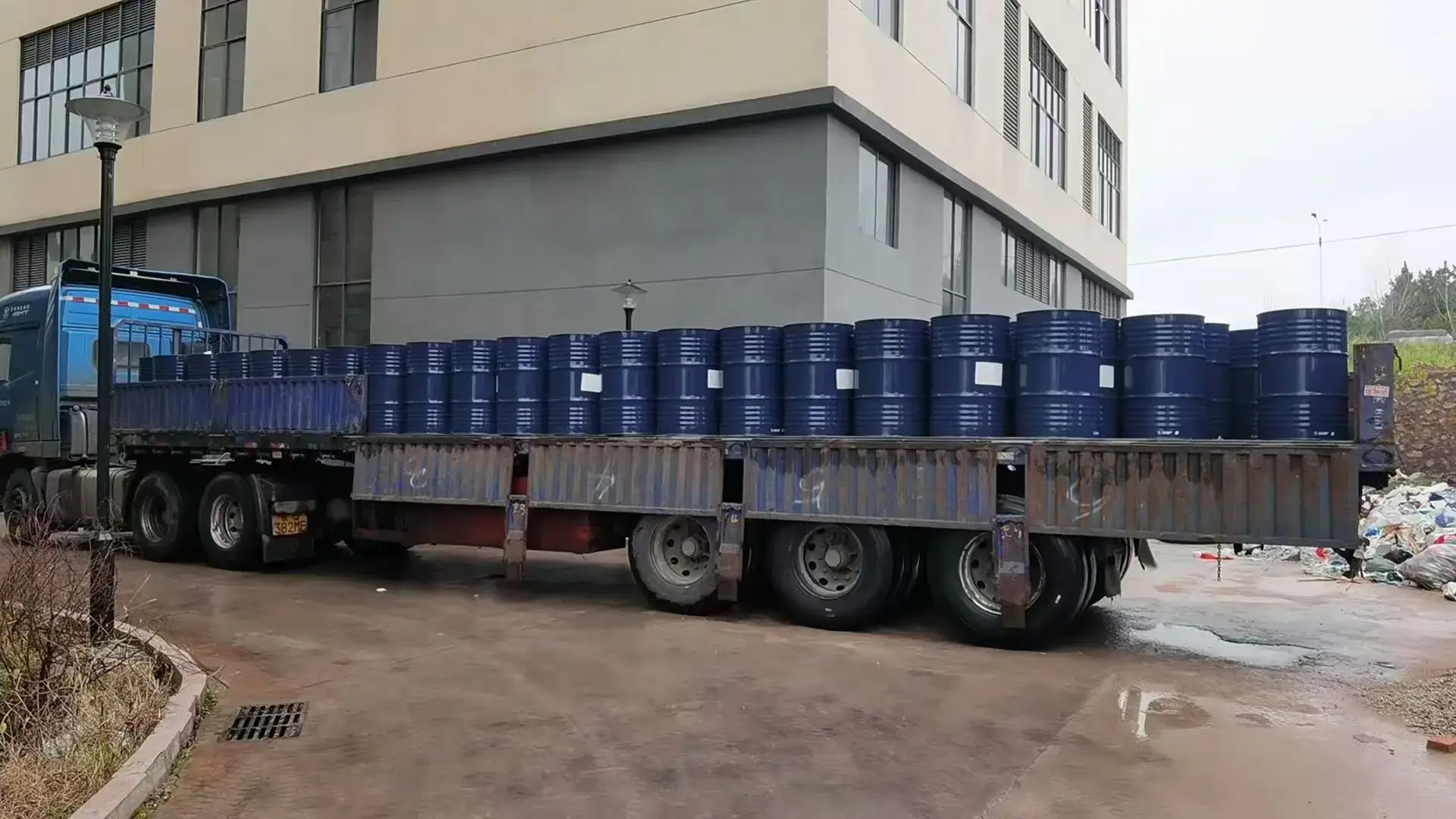
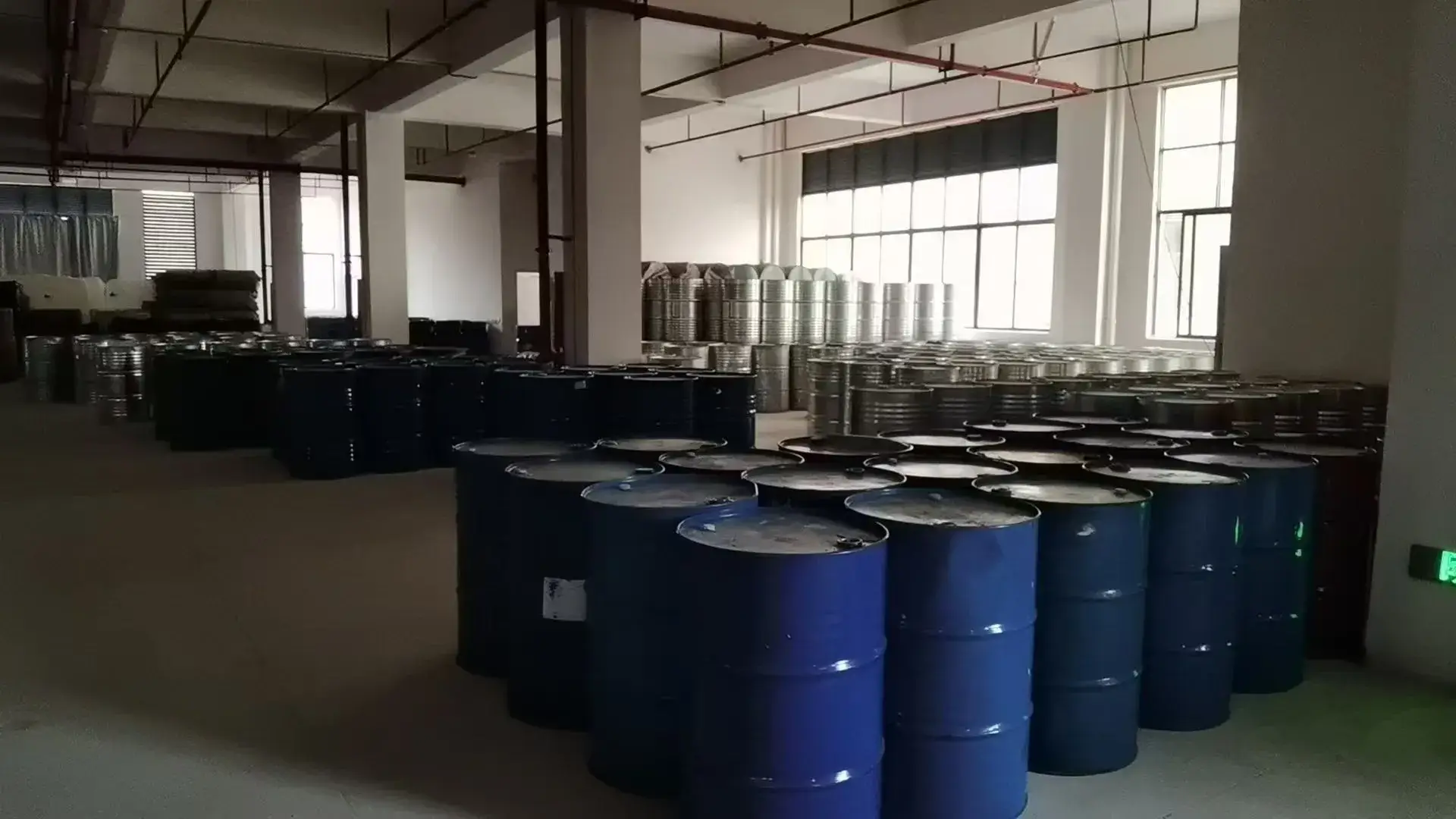
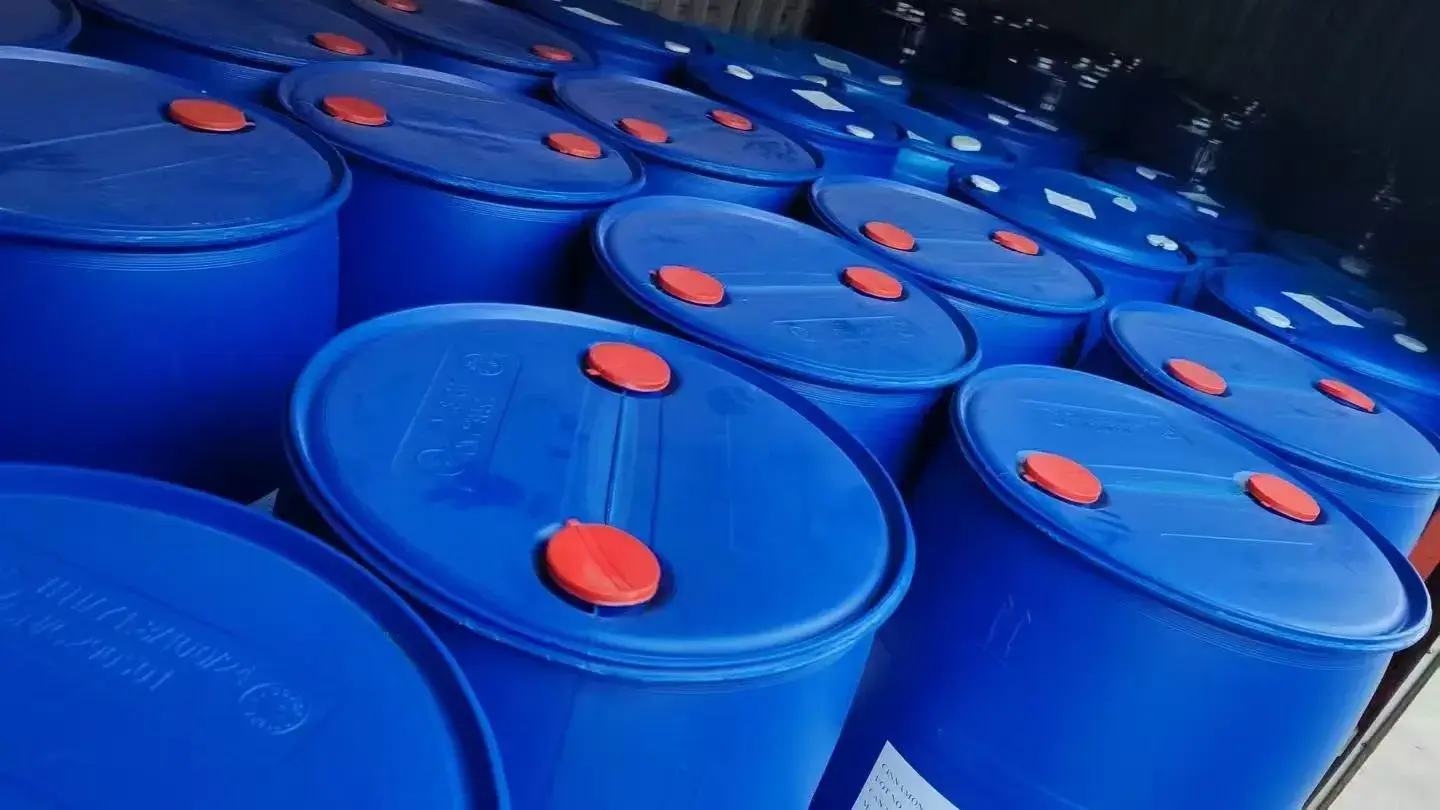
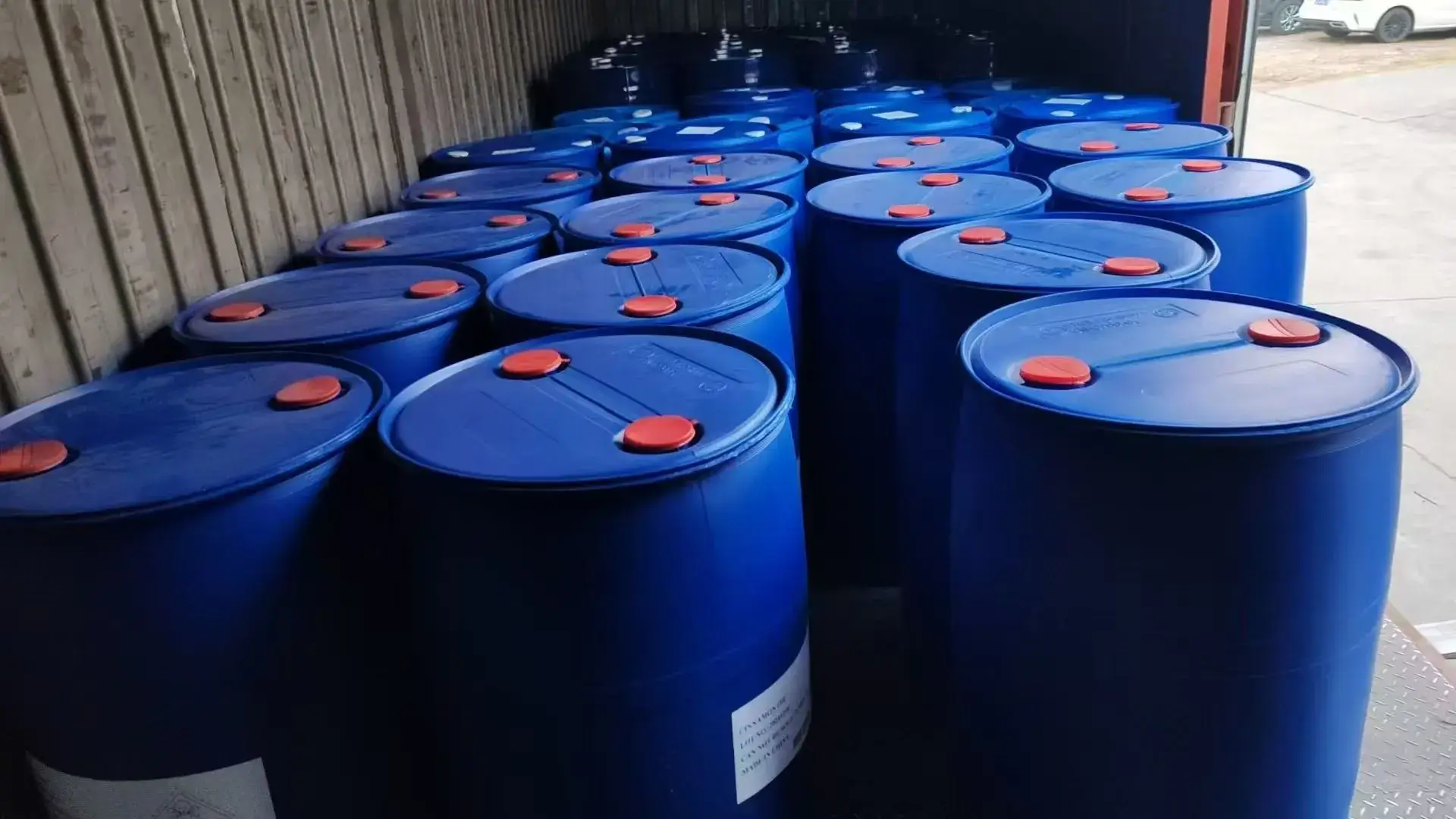
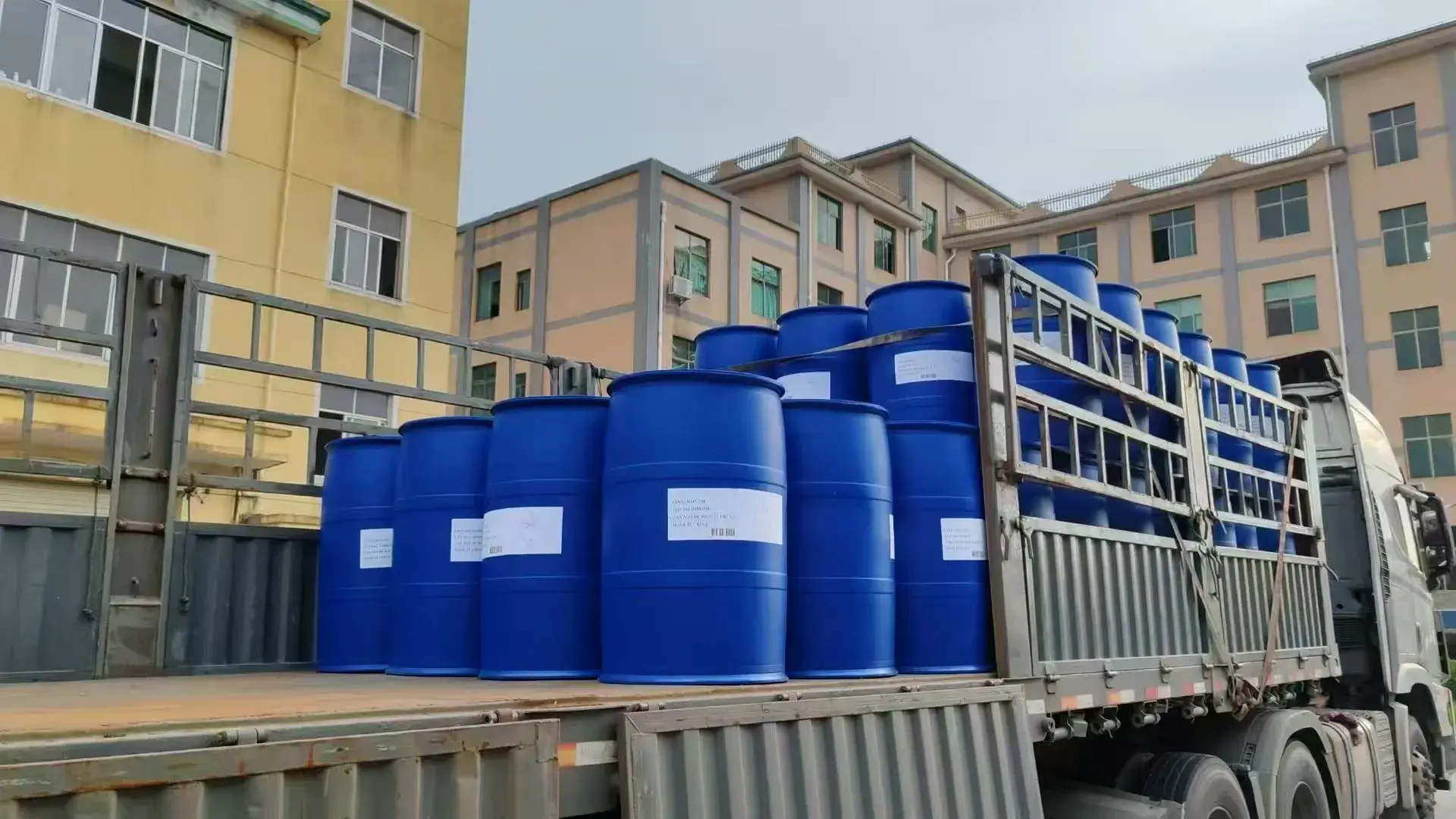
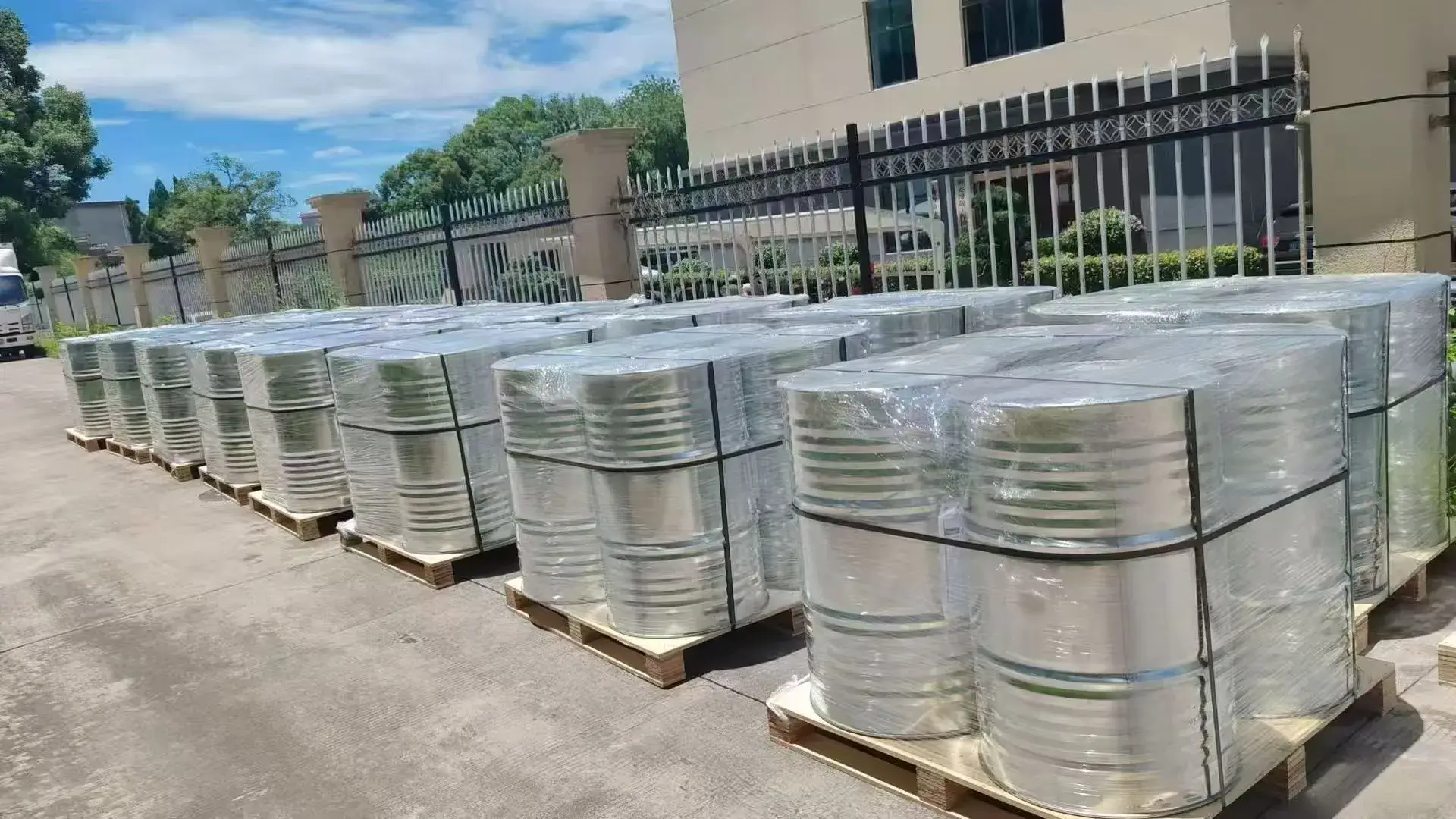
Carrier oils orders are loading for shipment to our clients worldwide














What Our Clients Say
Don`t only take our words. Here’s what our clients say about working with Phytoex—from product quality to service experience.
""Hi William, yes the oils are working well for our new flavor batches. Quality is stable and your COA/GC-MS docs are always super clear. Thanks for all your support, keep in touch and Will re-order soon."

"Hey Emily, just wanted to say thanks again for the sample turnaround—it really helped us stay on track for launch. The scent profile is exactly what we were looking for. Also appreciate the fast replies—makes my job easier."

"Yes, we’ve been using your eucalyptus and oregano oils in our formulations. Quality’s been consistent. And, we like that each lot is traceable—it’s important for our QA process. "

Get Free Samples Now
Join 200+ global companies who trust PhytoEx for reliable supply, expert guidance, and exceptional quality. Start your carrier project today with industry-leading service and support.
* All your information will be kept confidential.
Risk Reversal
Why Phytoex is a No-Brainer
- 100% Money-Back Guarantee if samples fail quality tests
- Dedilingual Support (EN/ES/FR) with 12h response time
- No Hidden Fees – All cost will be clearly quoted in advance