

🎯 Quick Supplier Selection Guide
| Evaluation Criteria | Must-Have | Nice-to-Have | Red Flag |
|---|---|---|---|
| Quality Certifications | GMP, ISO standards | USDA Organic, Kosher | No certifications |
| Testing Documentation | COA, GC-MS reports | Third-party validation | Refuses testing docs |
| Minimum Order Quantity | Flexible (1kg+) | Custom quantities | Only large MOQs |
| Inventory Levels | 50+ tons stocked | 1000+ tons available | Limited stock |
| Response Time | Within 24 hours | Within 12 hours | Slow communication |
| Price Range | Market competitive | Bulk discounts available | Suspiciously cheap |
💡 Key Takeaway: Successfully choosing a bulk evening primrose oil supplier requires balancing quality, reliability, and cost-effectiveness. Moreover, the right supplier becomes your long-term business partner, not just a vendor.
Why Evening Primrose Oil Quality Matters for Your Business
Evening primrose oil quality directly impacts your business success. Furthermore, poor-quality oil can damage your brand reputation and lead to costly product recalls.
The Real Cost of Poor Supplier Choices
When businesses choose unreliable suppliers, they face serious consequences. Additionally, these problems often emerge after significant investments:
- Product recalls can cost companies $10 million or more (FDA recalls database)
- Brand reputation damage takes years to rebuild
- Regulatory compliance issues result in fines and market restrictions
- Customer trust loss leads to decreased sales and market share

Quality control laboratory testing evening primrose oil for GLA content and purity
Industry Standards You Can’t Ignore
The evening primrose oil market demands strict quality standards. Therefore, your supplier must meet these requirements:
- GLA content must be 8-12% for therapeutic applications
- Heavy metal contamination should be below 10 ppm total
- Pesticide residues must comply with organic standards
- Microbiological safety requires regular testing protocols
At PhytoEx, we understand these challenges. Consequently, our GMP-compliant facilities ensure consistent quality for every batch of evening primrose oil we produce.
Essential Supplier Evaluation Criteria
Manufacturing Standards & Certifications
First and most importantly, verify your supplier’s manufacturing credentials. Look for these essential certifications:
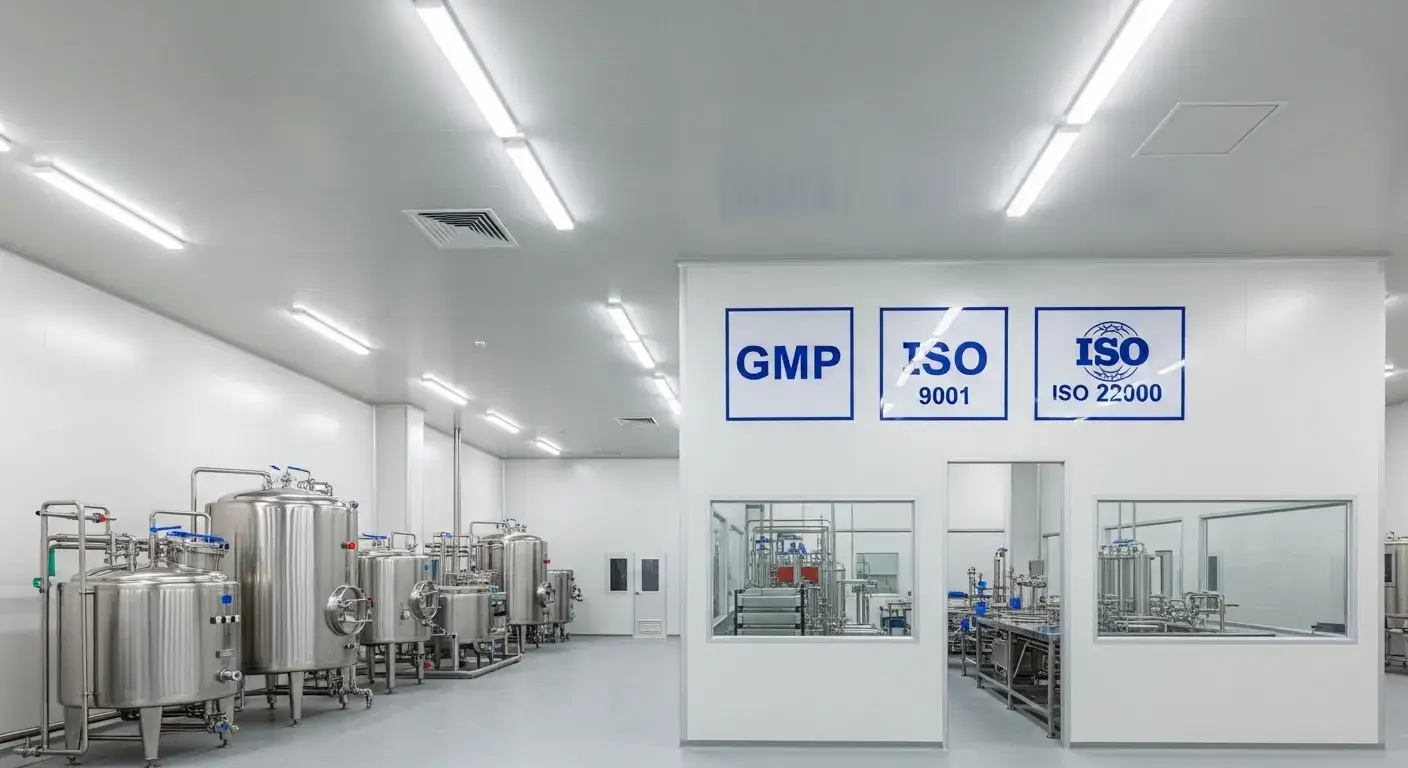
🏭 GMP Compliance
Good Manufacturing Practices ensure consistent quality. Furthermore, GMP-certified facilities follow strict protocols:
- Raw material verification at every stage
- Environmental controls for temperature and humidity
- Equipment calibration and maintenance schedules
- Personnel training and hygiene protocols
📋 ISO Certifications
International standards provide additional quality assurance:
- ISO 9001 for quality management systems
- ISO 22000 for food safety management
- ISO 14001 for environmental management
Quality Control & Testing Protocols
Reliable suppliers provide comprehensive testing documentation. Therefore, request these reports before making decisions:

Essential Testing Reports
- Certificate of Analysis (COA) with detailed specifications
- Gas Chromatography-Mass Spectrometry (GC-MS) for composition analysis
- Heavy metals testing for safety compliance
- Microbiological testing for contamination screening
- Allergen statements for regulatory requirements
According to the American Oil Chemists’ Society, proper testing protocols are essential for oil quality verification.
Supply Chain Reliability & Inventory Management
Supply chain disruptions can halt your production. Consequently, evaluate these factors:

📦 Inventory Capacity
- Stock levels should exceed 50 tons minimum
- Multiple sourcing locations reduce supply risks
- Seasonal planning ensures year-round availability
- Emergency stock covers unexpected demand spikes
🚚 Logistics Excellence
- Global shipping capabilities within 3-7 days
- Export documentation expertise for international orders
- Temperature-controlled transport preserves oil quality
- Insurance coverage protects your investments
Our bulk essential oils wholesale guide explains how proper logistics management ensures product integrity throughout the supply chain.
Regulatory Compliance & Documentation
Different markets require specific compliance standards. Therefore, your supplier must provide:

Regulatory compliance documentation stack showing certificates and quality reports
Market-Specific Requirements
- FDA compliance for US dietary supplement applications
- EU Novel Food regulations for European markets
- Health Canada requirements for Canadian products
- EFSA guidelines for food additive applications
The European Food Safety Authority provides detailed guidance on evening primrose oil regulations.
Technical Support & Customer Service
Excellent suppliers offer more than just products. Additionally, they provide valuable expertise:

🤝 Support Services
- Formulation assistance for product development
- Technical consultation on applications and dosages
- Market insights for competitive advantage
- Regulatory guidance for compliance requirements
At PhytoEx, our technical team provides 12-hour response times and specialized knowledge across multiple industries.
Red Flags: What to Avoid When Choosing Suppliers
Warning Signs of Unreliable Suppliers
Smart buyers recognize these danger signals early:
🚩 Quality Red Flags
- Refuses to provide testing reports or certifications
- Offers prices significantly below market rates without explanation
- Cannot specify GLA content or other quality parameters
- Uses vague terms like "premium quality" without documentation
- No traceability from raw materials to finished products
🚩 Business Red Flags
- Poor communication or delayed responses
- No physical address or manufacturing facility information
- Limited payment options or requires full prepayment
- No references from existing customers
- Unrealistic promises about delivery times or capabilities
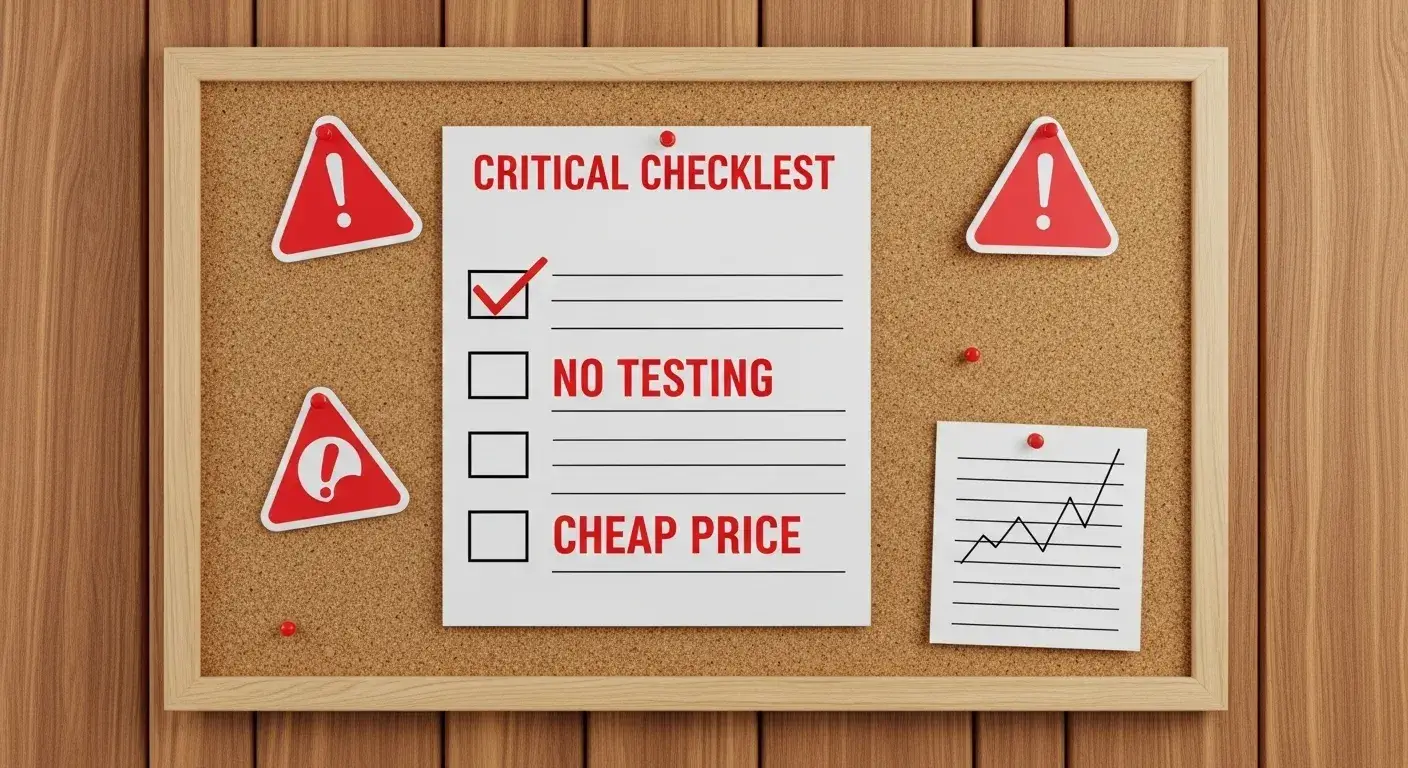
Warning signs checklist for evaluating potential evening primrose oil suppliers
Common Industry Pitfalls
Many businesses fall into these traps. However, awareness prevents costly mistakes:
The "Too Good to Be True" Price Trap
Extremely low prices often indicate:
- Diluted oil with lower GLA content
- Synthetic additives to reduce costs
- Poor storage conditions affecting quality
- Expired inventory being sold at discount
The "One-Size-Fits-All" Approach
Some suppliers offer identical products for different applications. Nevertheless, various industries require specific specifications:
- Cosmetic grade needs different purity levels than food grade
- Pharmaceutical applications require stricter contamination limits
- Organic products need certified organic raw materials
How to Spot Quality Compromises
Professional buyers use these verification methods:
- Request samples before placing large orders
- Visit facilities when possible for direct inspection
- Check customer references from similar industries
- Verify certifications through issuing organizations
- Compare technical specifications across multiple suppliers
Making the Business Case: ROI of Choosing the Right Supplier
Long-term Partnership Benefits
The right supplier relationship creates lasting value. Furthermore, strategic partnerships offer significant advantages:
💰 Financial Benefits
- Volume discounts reduce per-unit costs over time
- Predictable pricing enables better budget planning
- Reduced inventory costs through just-in-time delivery
- Lower quality control expenses due to consistent supplier quality

Business partnership handshake representing long-term supplier relationships
Cost Analysis Framework
Use this framework to evaluate total supplier costs:
Direct Costs
- Product price per kilogram or ton
- Shipping expenses including insurance
- Import duties and customs fees
- Storage costs for inventory management
Hidden Costs
- Quality testing for incoming materials
- Rejected batches due to quality issues
- Production delays from supply interruptions
- Customer complaints from quality problems
According to Supply Chain Management Review, total cost of ownership calculations should include all these factors.
Risk Mitigation Strategies
Smart businesses implement these risk management approaches:
Supplier Diversification
- Primary supplier for 60-70% of volume
- Secondary supplier for 20-30% of needs
- Emergency supplier for crisis situations
- Regional suppliers for specific markets
Quality Assurance Programs
- Incoming inspection protocols for all shipments
- Supplier audits conducted annually
- Performance scorecards tracking key metrics
- Continuous improvement initiatives with suppliers
Industry-Specific Considerations
Requirements for Cosmetics vs. Nutraceuticals
Different industries have unique evening primrose oil requirements. Therefore, choose suppliers who understand your specific needs:

Split image showing cosmetic products and dietary supplements containing evening primrose oil
🧴 Cosmetics Industry Standards
- INCI compliance for ingredient labeling
- Preservative systems compatible with oil formulations
- Color stability under UV exposure
- Skin irritation testing data availability
- Shelf life studies for product development
💊 Nutraceutical Industry Requirements
- USP grade quality standards
- Capsule compatibility for encapsulation
- Bioavailability studies supporting efficacy claims
- Stability testing under various storage conditions
- Interaction studies with other ingredients
The International Federation of Essential Oils and Aroma Trades provides industry-specific quality guidelines.
Different Market Compliance Needs
Global markets require different regulatory approaches:
North American Markets
- FDA regulations for dietary supplements (21 CFR 111)
- Health Canada natural health product requirements
- USDA Organic certification for organic claims
- NSF International third-party verification
European Markets
- EU Novel Food regulations for food applications
- EFSA safety assessments for health claims
- Organic regulations (EC 834/2007) for organic products
- REACH compliance for chemical safety
Customization and Private Labeling Options
Many businesses require customized solutions. Consequently, evaluate these capabilities:
Custom Formulation Services
- Blending capabilities for specific GLA concentrations
- Standardization to customer specifications
- Stability testing for custom formulations
- Scale-up support from pilot to commercial production
Our essential oil manufacturing process demonstrates how we create customized solutions for different industry requirements.
Practical Steps: Your Supplier Selection Process
Step-by-Step Evaluation Checklist
Follow this systematic approach for supplier selection:
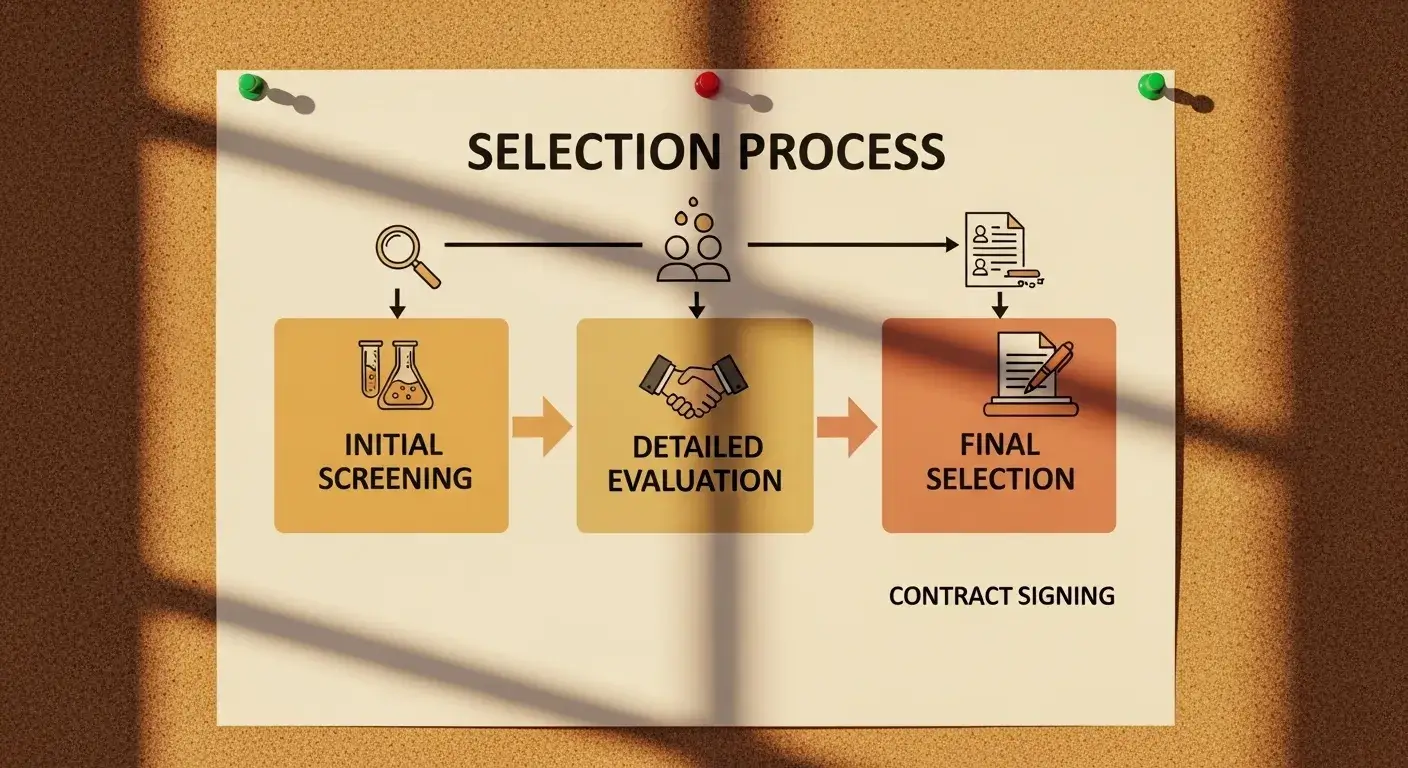
Professional checklist with checkmarks showing completed supplier evaluation steps
Phase 1: Initial Screening (Week 1)
- ✅ Research potential suppliers through industry directories
- ✅ Request company information and product catalogs
- ✅ Verify basic certifications through online databases
- ✅ Check business registration and legal standing
- ✅ Initial pricing inquiry for budget assessment
Phase 2: Detailed Evaluation (Week 2-3)
- ✅ Request technical specifications and testing reports
- ✅ Evaluate quality systems and manufacturing capabilities
- ✅ Assess logistics capabilities and delivery options
- ✅ Review terms and conditions thoroughly
- ✅ Contact customer references for feedback
Phase 3: Final Selection (Week 4)
- ✅ Request samples for quality evaluation
- ✅ Conduct facility visit if geographically feasible
- ✅ Negotiate final terms including pricing and delivery
- ✅ Legal review of contracts and agreements
- ✅ Place trial order to test supplier performance
Questions to Ask Potential Suppliers
Use these questions during supplier discussions:
🔍 Quality & Manufacturing Questions
- "What certifications do you hold, and when were they last audited?"
- "Can you provide GC-MS reports for your evening primrose oil?"
- "What is your typical GLA content range and consistency?"
- "How do you ensure traceability from raw materials to finished products?"
- "What quality control measures do you have in place?"
📋 Business & Logistics Questions
- "What are your minimum order quantities and lead times?"
- "How much evening primrose oil inventory do you maintain?"
- "What shipping options do you offer for international orders?"
- "Do you provide regulatory documentation for different markets?"
- "What is your policy for handling quality complaints?"
🤝 Partnership Questions
- "Do you offer technical support for formulation development?"
- "Can you provide market insights for our industry?"
- "What payment terms do you offer for established customers?"
- "How do you handle supply chain disruptions?"
- "Do you offer private labeling or custom packaging options?"
Sample Evaluation Criteria
Rate suppliers using this scoring system (1-5 scale):
| Criteria | Weight | Supplier A | Supplier B | Supplier C |
|---|---|---|---|---|
| Quality Certifications | 25% | 4 | 5 | 3 |
| Testing Documentation | 20% | 3 | 4 | 2 |
| Inventory Capacity | 15% | 5 | 3 | 4 |
| Customer Service | 15% | 4 | 4 | 3 |
| Pricing Competitiveness | 10% | 3 | 2 | 5 |
| Delivery Reliability | 10% | 4 | 5 | 3 |
| Technical Support | 5% | 3 | 4 | 2 |
| Total Score | 100% | 3.7 | 4.1 | 3.2 |
Expert Insights & Market Trends
Current EPO Market Dynamics
The global evening primrose oil market shows promising growth. Additionally, several trends are shaping the industry:
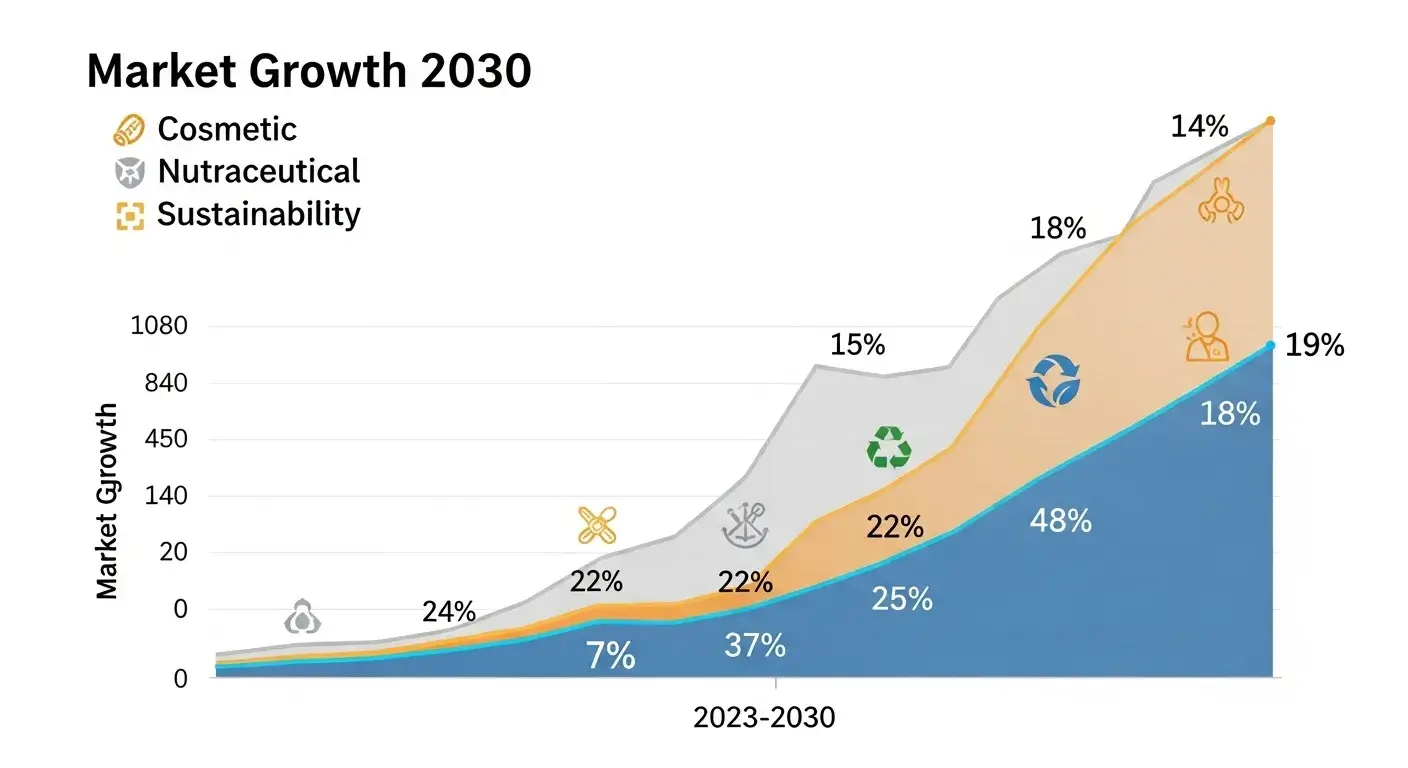
Market growth chart showing evening primrose oil industry expansion from 2022 to 2030
📈 Market Growth Drivers
- Increasing consumer awareness of natural health benefits
- Growing demand in cosmetics and personal care applications
- Rising disposable incomes in emerging markets
- Expanding applications in functional foods and beverages
According to Grand View Research, the global evening primrose oil market is expected to reach $308.5 million by 2030, growing at a CAGR of 4.9%.
Future Considerations for Businesses
Industry experts predict these important developments:
🔮 Emerging Trends
- Sustainable sourcing becoming mandatory for major brands
- Blockchain technology enabling complete supply chain transparency
- Advanced extraction methods improving oil quality and yields
- Personalized nutrition creating demand for specific GLA concentrations
- Organic certification becoming standard requirement
💡 Innovation Opportunities
- Supercritical CO2 extraction for premium quality oils
- Microencapsulation technology for improved stability
- Novel delivery systems for enhanced bioavailability
- Combination formulations with complementary ingredients
PhytoEx’s Industry Observations
Based on our experience serving global clients, we’ve identified key success factors:
🎯 Winning Strategies
- Quality consistency builds long-term customer loyalty
- Technical expertise differentiates suppliers in competitive markets
- Regulatory compliance opens doors to premium market segments
- Supply chain flexibility enables rapid response to market changes
Our comprehensive approach to eucalyptus essential oil manufacturing demonstrates similar principles applied across different botanical ingredients.
Regional Market Insights
Different regions show varying growth patterns:
🌍 North America
- Mature market with focus on premium quality
- Regulatory stability encourages long-term investments
- Consumer education drives demand for certified organic products
🌍 Europe
- Strict regulations create barriers but ensure high standards
- Sustainability focus drives demand for ethically sourced oils
- Innovation leadership in extraction and processing technologies
🌍 Asia-Pacific
- Fastest growing region with expanding middle class
- Manufacturing hub for cost-effective production
- Increasing quality standards as markets mature
The Euromonitor International reports confirm these regional trends in natural ingredients markets.
Conclusion
Choosing the right bulk evening primrose oil supplier is a critical business decision that impacts your product quality, brand reputation, and long-term success. Throughout this guide, we’ve explored essential evaluation criteria, common pitfalls to avoid, and practical steps for making informed decisions.

Remember these key takeaways:
- Quality certifications and testing documentation are non-negotiable
- Total cost of ownership includes more than just product price
- Long-term partnerships create more value than transactional relationships
- Industry-specific requirements demand specialized supplier expertise
The evening primrose oil market continues growing, presenting excellent opportunities for businesses that choose reliable suppliers. However, success depends on partnering with manufacturers who understand your specific needs and can scale with your business growth.
Ready to Find Your Ideal Evening Primrose Oil Supplier?
PhytoEx is your trusted partner for premium bulk evening primrose oil solutions. With our GMP-compliant manufacturing, comprehensive quality control, and dedicated B2B support, we help businesses worldwide achieve their goals.
🚀 Take Action Today:
- Contact our expert team for personalized consultation
- Request free samples to evaluate our evening primrose oil quality
- Download our technical specifications and regulatory documentation
- Schedule a virtual facility tour to see our manufacturing capabilities
Don’t let supplier uncertainty hold back your business growth. Join hundreds of satisfied customers who trust PhytoEx for their essential oil needs. Contact us now to discuss your specific requirements and discover how we can support your success.
📞 Get Started: Visit PhytoEx.com or reach out to our team for immediate assistance with your evening primrose oil sourcing needs.