

Quick takeaway: Essential oils offer proven therapeutic benefits for stress relief, sleep support, and respiratory health when sourced from quality manufacturers. However, the global market’s rapid growth from $12.47 billion to a projected $27.82 billion by 2032 means choosing the right supplier is more critical than ever for businesses and professionals.
Essential Oil Therapeutic Uses at a Glance
| Essential Oil | Primary Therapeutic Use | Scientific Evidence Level | Common Application |
|---|---|---|---|
| Lavender | Anxiety & Sleep Support | Strong | Aromatherapy, topical |
| Peppermint | Digestive & Headache Relief | Moderate | Inhalation, diluted topical |
| Tea Tree | Antimicrobial & Skin Care | Strong | Topical (diluted) |
| Eucalyptus | Respiratory Support | Moderate | Steam inhalation, diffusion |
| Bergamot | Stress & Mood Support | Moderate | Aromatherapy |
| Chamomile | Anti-inflammatory & Calming | Moderate | Topical, aromatherapy |
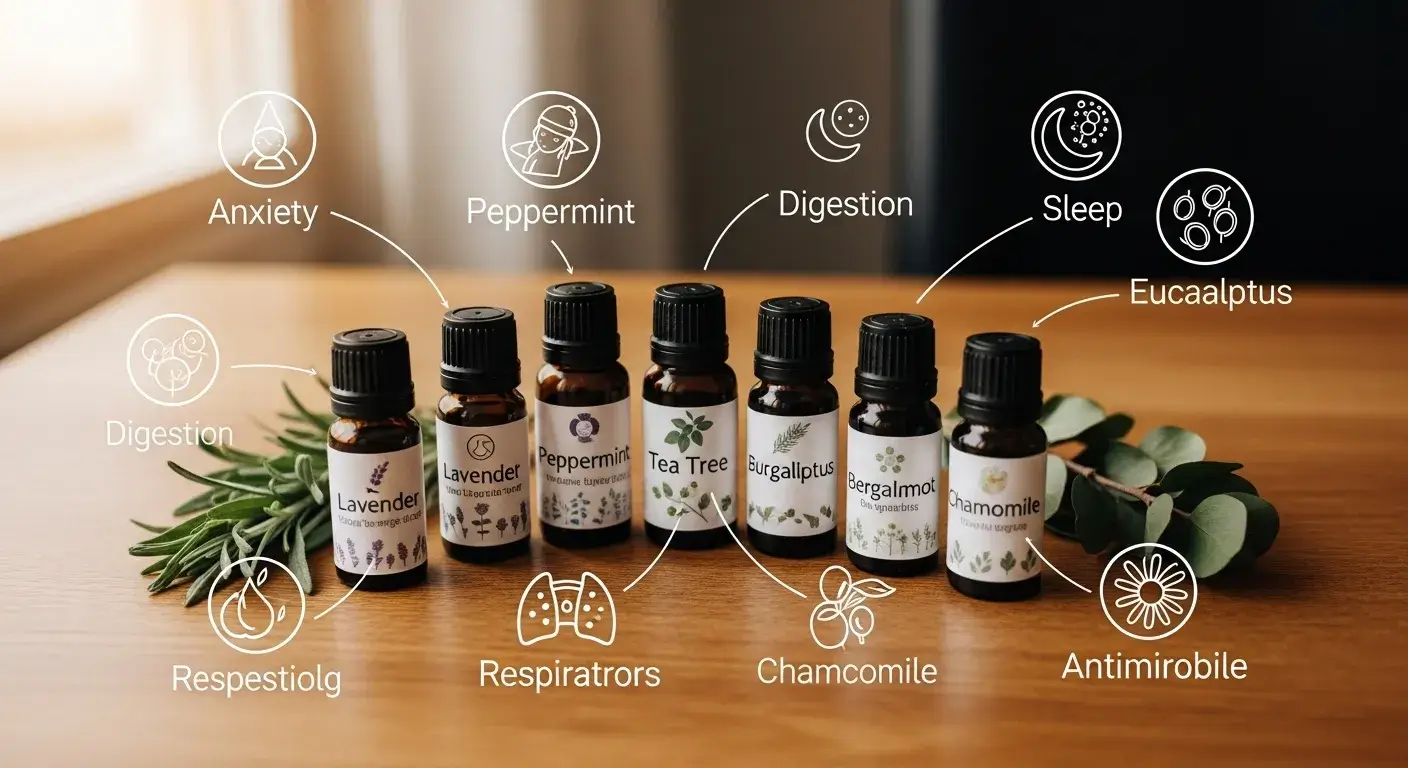
What Are Essential Oils?
Essential oils are highly concentrated plant extracts that capture the natural therapeutic compounds from flowers, leaves, bark, roots, or seeds. Furthermore, these potent liquids contain volatile organic compounds that give plants their distinctive aromas and potential health benefits.
Simple Definition and Extraction Methods
Most importantly, essential oils are produced through two primary methods. First, steam distillation involves passing hot steam through plant material, which separates the volatile compounds. Then, these compounds are condensed back into liquid form, creating the essential oil. Second, cold pressing mechanically extracts oils from citrus peels without heat, preserving delicate compounds.
Additionally, the extraction process significantly impacts the oil’s therapeutic potential. Therefore, professional manufacturers use carefully controlled temperatures and timing to maintain the integrity of beneficial compounds.

Steam distillation equipment showing the extraction process for therapeutic essential oils
Why Quality Matters for Therapeutic Use
Notably, the therapeutic effectiveness of essential oils depends heavily on their purity and quality. Moreover, inferior oils may contain synthetic additives, pesticide residues, or be diluted with carrier oils without proper labeling.
Consequently, therapeutic-grade essential oils require:
- Pure plant material from organically grown sources
- Proper extraction timing when plants contain peak concentrations of active compounds
- Controlled processing conditions to preserve delicate therapeutic molecules
- Quality testing to verify purity and potency
Manufacturing Standards
Professional essential oil manufacturers follow strict quality control procedures to ensure consistent quality. These standards cover everything from raw material sourcing to final product testing and storage.
Furthermore, reputable suppliers provide comprehensive documentation including Certificates of Analysis (COA), Gas Chromatography-Mass Spectrometry (GC-MS) reports, and Material Safety Data Sheets (MSDS) for each batch.
Science-Backed Therapeutic Benefits

Laboratory testing equipment showing GC-MS analysis of essential oil compounds
Research on essential oil therapeutic benefits has grown significantly over the past decade. However, it’s important to understand which benefits have strong scientific support versus those that need more research.
Evidence-Based Uses with Specific Studies
Several essential oils have demonstrated measurable therapeutic effects in clinical studies:
Lavender for Anxiety Reduction: A comprehensive meta-analysis published in Phytomedicine found that lavender essential oil inhalation significantly reduced anxiety levels in multiple studies. Additionally, the research showed consistent results across different populations and settings.
Peppermint for Digestive Issues: Johns Hopkins Medicine reports that enteric-coated peppermint oil capsules effectively reduce IBS symptoms. Moreover, multiple clinical trials support peppermint oil’s antispasmodic properties.
Tea Tree for Antimicrobial Action: Research published in the International Journal of Antimicrobial Agents demonstrates tea tree oil’s broad-spectrum antimicrobial activity against bacteria, fungi, and viruses.
Clear Distinction Between Proven vs. Claimed Benefits
Importantly, while many essential oils show promise, not all claimed benefits have robust scientific support. Therefore, professionals should focus on oils with peer-reviewed research backing their therapeutic applications.
Strong Evidence:
- Lavender for mild anxiety and sleep improvement
- Peppermint for digestive discomfort and tension headaches
- Tea tree for topical antimicrobial use
- Eucalyptus for respiratory congestion relief
Limited Evidence:
- Claims about "detoxification" or "immune boosting"
- Cancer treatment or prevention
- Serious mental health conditions
- Hormonal regulation
Focus on Most Researched Oils
Based on current scientific literature, seven essential oils have the most substantial research supporting their therapeutic use: lavender, peppermint, tea tree, eucalyptus, lemon, bergamot, and chamomile. Consequently, these oils form the foundation of evidence-based aromatherapy practice.
Essential Oil Therapeutic Applications by Category
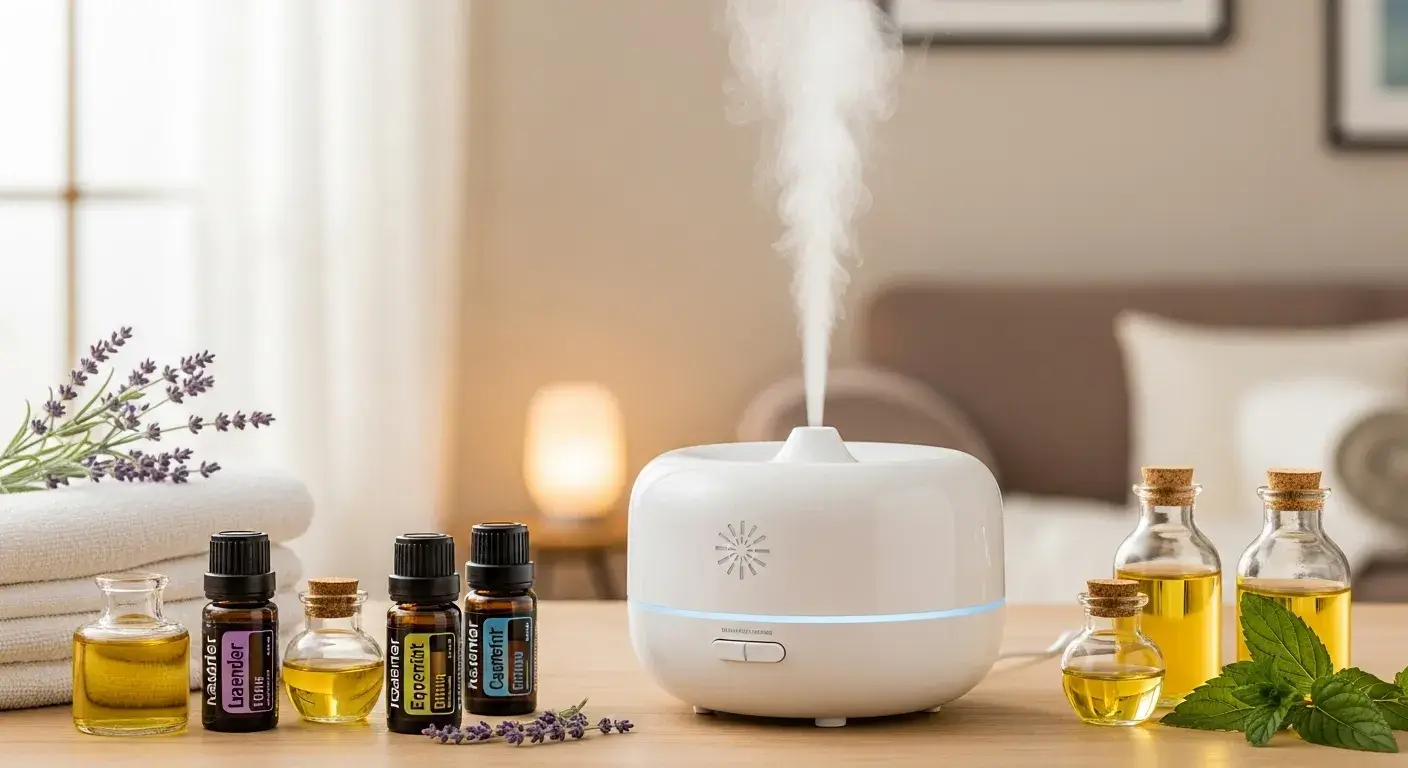
Aromatherapy diffuser creating a calming environment with essential oil mist
Understanding specific therapeutic applications helps professionals recommend appropriate oils for different wellness goals. Moreover, categorizing by health concern makes it easier to select the most effective oils.
Stress & Anxiety Relief
Lavender remains the most researched oil for stress reduction. Specifically, inhaling lavender essential oil for 15-20 minutes can measurably reduce cortisol levels and promote relaxation. Additionally, topical application (when properly diluted) may enhance these calming effects.
Bergamot shows promise for mood enhancement and stress relief. Furthermore, a study in the Journal of Alternative and Complementary Medicine found that bergamot aromatherapy reduced anxiety in pre-surgical patients.
Chamomile contains compounds that may bind to benzodiazepine receptors in the brain, potentially producing mild sedative effects. However, more research is needed to confirm optimal dosing and application methods.
Sleep & Relaxation
Lavender consistently demonstrates sleep-promoting benefits across multiple studies. For instance, elderly patients showed improved sleep quality when exposed to lavender aromatherapy during bedtime routines.
Cedarwood contains cedrol, a compound that may increase sedating neurotransmitters in the brain. Although research is limited, preliminary studies suggest cedarwood may help with sleep onset when used in aromatherapy.
Application tip: Combine 3 drops lavender with 2 drops cedarwood in a bedside diffuser 30 minutes before sleep for optimal results.
Respiratory Support
Eucalyptus essential oil contains eucalyptol (1,8-cineole), which has demonstrated decongestant and anti-inflammatory properties in respiratory research. Moreover, steam inhalation with eucalyptus may help clear nasal passages and reduce cough severity.
Peppermint provides cooling menthol compounds that can temporarily open airways and reduce the sensation of nasal congestion. Additionally, peppermint oil shows antimicrobial activity against respiratory pathogens.
Safety note: Never apply eucalyptus or peppermint oils directly to the skin without proper dilution, especially around the face or chest area.
Skin Care
Tea Tree oil demonstrates broad-spectrum antimicrobial activity, making it useful for acne treatment and minor wound care. Specifically, 5-10% tea tree oil solutions show comparable effectiveness to benzoyl peroxide for mild to moderate acne.
Frankincense contains boswellic acids that may reduce skin inflammation and promote healing. However, always dilute frankincense oil to 1-2% concentration in a carrier oil before topical application.
Application guidelines:
- Acne treatment: 5% tea tree oil in jojoba carrier oil
- Anti-aging: 1% frankincense oil in rosehip seed carrier oil
- Always patch test before widespread use
Digestive Support
Peppermint oil’s antispasmodic properties make it effective for digestive discomfort. Furthermore, enteric-coated peppermint oil capsules bypass stomach acid to deliver therapeutic compounds directly to the intestines.
Ginger essential oil contains gingerol compounds that may reduce nausea and support healthy digestion. Additionally, diluted ginger oil applied topically to the abdomen may help with digestive discomfort.
Professional recommendation: For serious digestive issues, consult healthcare providers before using essential oils as therapeutic interventions.
Professional Usage Guidelines
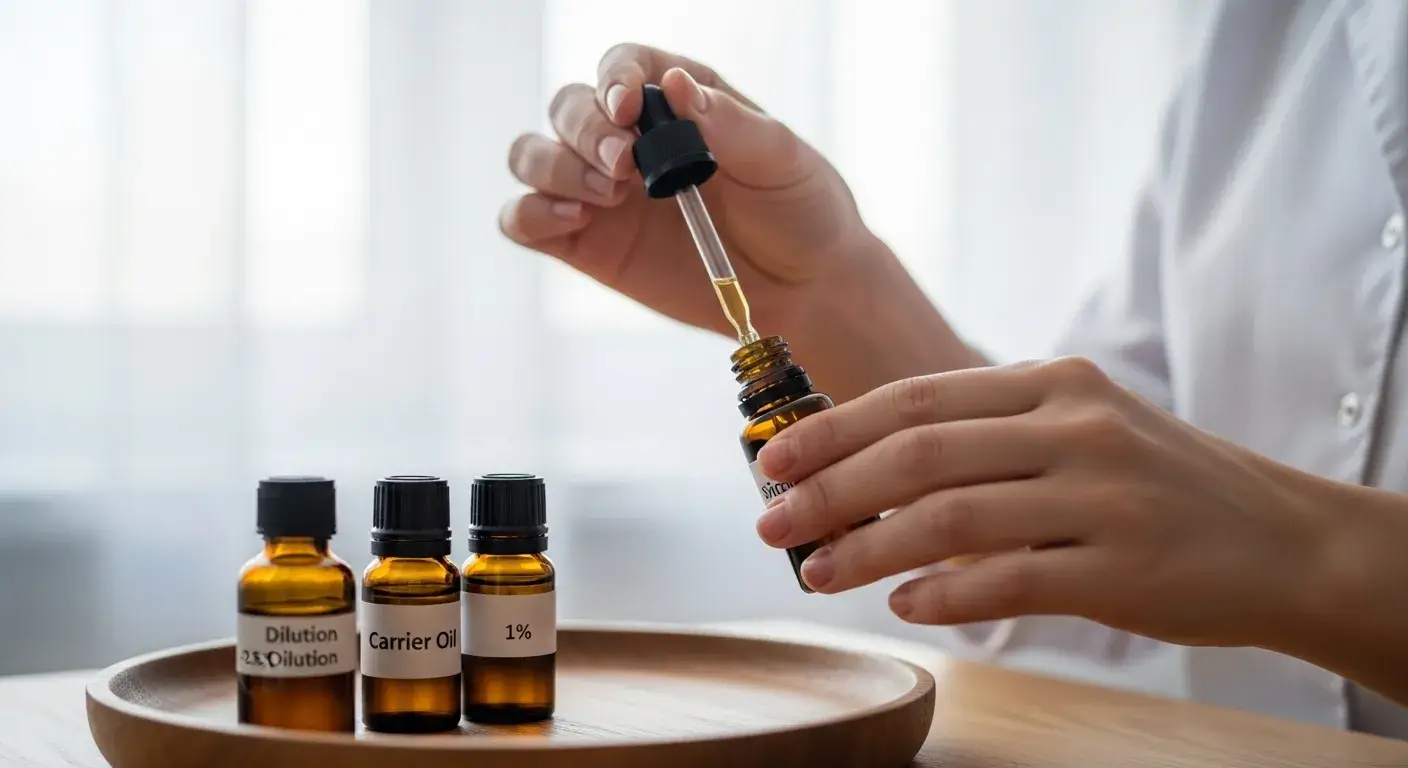
Professional aromatherapist measuring precise dilution ratios with carrier oils
Proper usage guidelines ensure both safety and therapeutic effectiveness when working with essential oils professionally. Moreover, following established protocols helps maintain consistent results across different applications.
Dilution Ratios and Carrier Oils
Standard Dilution Guidelines:
- 0.5-1% for sensitive skin, children, elderly (1-2 drops per teaspoon of carrier oil)
- 1-2% for general adult topical use (3-4 drops per teaspoon of carrier oil)
- 3-5% for acute issues or small application areas (6-10 drops per teaspoon of carrier oil)
- Never exceed 10% concentration for topical applications
Recommended Carrier Oils:
- Jojoba oil: Closest to human sebum, suitable for all skin types
- Fractionated coconut oil: Light texture, long shelf life
- Sweet almond oil: Gentle, good for sensitive skin
- Rosehip seed oil: Contains beneficial fatty acids for mature skin
- Grapeseed oil: Light, non-comedogenic option
Application Methods
Aromatherapy Diffusion:
- Use 3-6 drops per 100ml of water in ultrasonic diffusers
- Run for 15-30 minute intervals with breaks
- Ensure adequate ventilation in enclosed spaces
Topical Application:
- Always perform patch tests 24 hours before full application
- Apply to pulse points (wrists, temples, behind ears) for systemic effects
- Use gentle circular motions for absorption
Steam Inhalation:
- Add 2-3 drops to a bowl of hot water
- Create a tent with a towel and inhale for 5-10 minutes
- Keep eyes closed to prevent irritation
Dosage Considerations
Professional dosing depends on several factors including the client’s age, health status, sensitivity level, and intended therapeutic outcome. Furthermore, start with lower concentrations and gradually increase if needed and well-tolerated.
Important considerations:
- Pregnancy and nursing require extra caution with many oils
- Children need significantly lower concentrations (0.25-0.5%)
- Elderly clients may be more sensitive to essential oils
- Some medications may interact with essential oil compounds
Quality Standards & What to Look For

Laboratory technician reviewing quality testing reports for essential oil quality verification
Identifying high-quality essential oils is crucial for achieving therapeutic benefits and ensuring safety. Additionally, understanding quality standards helps professionals make informed purchasing decisions for their practice or business needs.
Testing Requirements
Legitimate essential oil suppliers provide comprehensive testing documentation for each batch. Specifically, look for these essential test reports:
Gas Chromatography-Mass Spectrometry (GC-MS):
- Identifies and quantifies individual chemical compounds
- Detects synthetic additives or adulterants
- Confirms the oil’s chemical profile matches expected standards
- Provides a "fingerprint" for authentication
Certificate of Analysis (COA):
- Physical properties (color, odor, specific gravity)
- Chemical composition percentages
- Microbiological testing results
- Heavy metals and pesticide residue testing
- Batch number and testing date
Material Safety Data Sheets (MSDS):
- Safety handling procedures
- First aid measures
- Storage requirements
- Transportation guidelines
- Regulatory compliance information
Red Flags in Essential Oil Marketing
Be cautious of suppliers who use these misleading marketing terms or practices:
"Therapeutic Grade" Claims: This term has no standardized meaning or regulatory oversight. According to AromaWeb, it’s primarily a marketing term used to justify higher prices.
Cure-All Claims: Legitimate suppliers focus on evidence-based benefits rather than claiming oils can cure serious diseases or conditions.
Unusually Low Prices: High-quality essential oils require significant plant material and careful processing. Extremely cheap oils often indicate adulteration or poor quality.
Missing Documentation: Reputable suppliers readily provide testing reports and quality certificates. Reluctance to share this information suggests quality issues.
Vague Sourcing Information: Quality suppliers specify plant species, growing regions, and harvest details. Generic descriptions often indicate questionable sourcing.
Transparent Sourcing
Professional-grade essential oils require suppliers who understand the complexity of therapeutic applications. Therefore, working with manufacturers who maintain rigorous quality standards becomes essential for businesses in healthcare, cosmetics, and wellness industries.
Quality suppliers provide:
- Detailed origin information for plant materials
- Sustainable harvesting practices and environmental responsibility
- Fair trade certifications where applicable
- Traceability documentation from farm to finished product
- Consistent batch-to-batch quality through standardized procedures
For companies requiring bulk quantities, finding suppliers who can provide consistent quality across large batches while maintaining proper documentation becomes even more critical. This ensures regulatory compliance and therapeutic effectiveness across all applications.
Safety Protocols & Contraindications

Healthcare professional consulting with patient about essential oil safety considerations
Essential oil safety requires understanding both general precautions and specific contraindications for different populations. Moreover, proper safety protocols protect users while maximizing therapeutic benefits.
Professional Safety Guidelines
Never Use Undiluted: Pure essential oils are too concentrated for direct skin contact and can cause chemical burns, sensitization, or allergic reactions. Always dilute according to established guidelines.
Patch Testing Protocol:
- Apply diluted oil to inside of wrist or elbow
- Cover with bandage and wait 24 hours
- Check for redness, swelling, or irritation
- Discontinue use if any adverse reaction occurs
Storage and Handling:
- Store oils in dark glass bottles away from heat and light
- Keep caps tightly closed to prevent oxidation
- Label all diluted blends with contents and date
- Store out of reach of children and pets
Documentation Requirements: Keep detailed records of oils used, concentrations, client reactions, and any adverse events for professional liability protection.
Special Populations
Pregnancy and Nursing: Many essential oils are contraindicated during pregnancy due to potential hormonal effects or uterine stimulation. According to the National Association for Holistic Aromatherapy (NAHA), avoid these oils completely during pregnancy:
- Sage
- Rosemary
- Basil
- Juniper
- Thyme
- Oregano
Safe options during pregnancy (with proper dilution): Lavender, chamomile, and sweet orange in concentrations below 1%.
Children: Young children require significantly lower concentrations and specific oil selections:
- Ages 2-6: Maximum 0.5% dilution
- Ages 6-12: Maximum 1% dilution
- Avoid menthol-containing oils (peppermint, eucalyptus) on or near the face
- Never use essential oils on infants under 2 years old
Elderly Clients: Aging skin becomes thinner and more sensitive, requiring:
- Lower concentrations (0.5-1% maximum)
- Increased monitoring for adverse reactions
- Consideration of medications that might interact
- Extra caution with oils that affect blood pressure or circulation
Drug Interactions and Medical Considerations
Essential oils can interact with medications and medical conditions in significant ways. Therefore, healthcare providers should be consulted before use in these situations:
Blood Thinning Medications: Oils high in salicylates (wintergreen, birch) may enhance anticoagulant effects.
Blood Pressure Medications: Stimulating oils (rosemary, sage) may interfere with hypotensive medications.
Seizure Disorders: Avoid camphor-containing oils (rosemary, eucalyptus) which may trigger seizures in susceptible individuals.
Liver Disease: Many essential oils are metabolized by the liver and should be used cautiously in patients with hepatic impairment.
Photosensitivity: Citrus oils (bergamot, lemon, lime) can cause severe burns when skin is exposed to UV light within 12-18 hours of application.
Professional Recommendation: Always advise clients to consult their healthcare providers before using essential oils therapeutically, especially if they have medical conditions or take medications.
Industry Applications & Market Trends
Modern cosmetics laboratory incorporating essential oils in product formulations
The essential oils industry serves diverse sectors with growing demand for natural, therapeutic ingredients. Furthermore, understanding market trends helps businesses make informed decisions about sourcing and applications.
B2B Applications
Cosmetics and Personal Care: This sector represents the largest market segment for essential oils. Specifically, manufacturers use essential oils for:
- Natural fragrance in skincare products
- Antimicrobial properties in cleansers and toners
- Anti-inflammatory benefits in sensitive skin formulations
- Therapeutic aromatherapy in spa and wellness products
Food and Beverage Industry: Essential oils provide natural flavoring and potential health benefits in:
- Functional beverages with digestive support (peppermint, ginger)
- Natural food preservation (oregano, thyme, rosemary)
- Flavor enhancement in organic and premium products
- Aromatherapy-infused teas and wellness drinks
Wellness and Spa Services: Professional wellness providers increasingly incorporate therapeutic essential oils for:
- Massage therapy blends for relaxation and pain relief
- Aromatherapy diffusion in treatment rooms
- Custom wellness products for retail sales
- Employee wellness programs in corporate settings
Pharmaceutical and Nutraceutical: The healthcare sector utilizes essential oils for:
- Over-the-counter topical pain relief products
- Natural antimicrobial ingredients in wound care
- Respiratory support supplements and products
- Mental health and stress reduction applications
Market Growth Data and Projections
The global essential oils market demonstrates remarkable growth across all sectors:
| Year | Market Value (USD Billion) | Growth Rate | Key Drivers |
|---|---|---|---|
| 2024 | $12.47 | – | Consumer shift to natural products |
| 2025 | $13.66 | 9.5% | Increased wellness awareness |
| 2030 | $24.74 | 10.1% CAGR | B2B sector expansion |
| 2032 | $27.82 | 10.69% CAGR | Global regulatory acceptance |
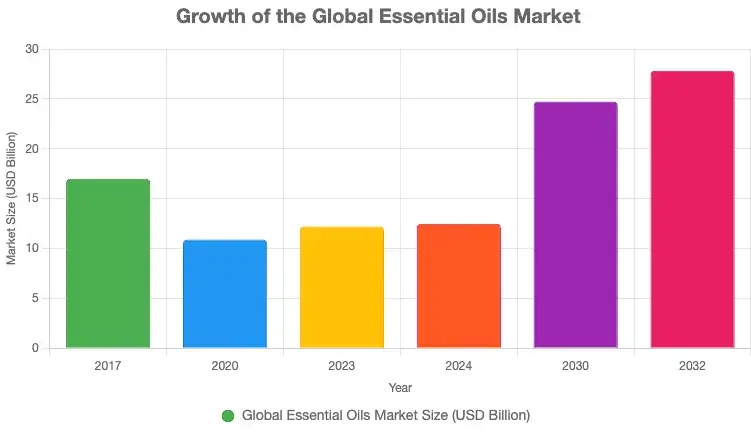
Global essential oils market growth projection chart showing steady increase from 2024 to 2032
Source: Fortune Business Insights, Allied Market Research
Key Growth Factors:
- Rising consumer preference for natural and organic products
- Increased awareness of aromatherapy benefits
- Growing applications in food and beverage industry
- Expansion of wellness and spa services globally
- Regulatory acceptance in pharmaceutical applications
Regional Demand Patterns
Europe (43.46% market share): Leads global consumption due to:
- Strong regulatory framework supporting natural products
- Established aromatherapy and spa culture
- High consumer spending on premium wellness products
- Advanced research and development in therapeutic applications
North America (28% market share): Shows rapid growth driven by:
- Increasing interest in alternative wellness approaches
- Growing organic and natural product markets
- Corporate wellness program adoption
- Rising healthcare costs driving preventive care interest
Asia-Pacific (22% market share): Represents the fastest-growing region with:
- Traditional medicine integration with modern aromatherapy
- Rising middle-class disposable income
- Growing awareness of Western wellness practices
- Increasing domestic production capabilities
Emerging Markets: Latin America, Middle East, and Africa show significant potential for:
- Tourism and hospitality industry growth
- Increasing urbanization and stress levels
- Growing access to international wellness trends
- Traditional medicine modernization
Sourcing for Business Applications

Bulk essential oil storage facility showing large-scale commercial inventory management
Professional sourcing of essential oils requires understanding bulk purchasing considerations, supply chain reliability, and regulatory requirements. Moreover, businesses need suppliers who can scale with their growth while maintaining consistent quality.
Bulk Purchasing Considerations
Minimum Order Quantities (MOQs): Different suppliers have varying MOQ requirements:
- Small-scale producers: Often require 25-100kg minimum orders
- Large manufacturers: May offer flexibility starting from 1kg for sampling
- Custom formulations: Usually require larger commitments (50kg+)
- Popular oils (lavender, peppermint): Often available in smaller quantities
- Rare or seasonal oils: May require annual contracts for supply security
Volume Pricing Benefits: Bulk purchasing typically offers significant cost advantages:
- 5-30% savings on orders over 1000kg
- Additional discounts for annual purchase commitments
- Reduced shipping costs per unit for larger orders
- Priority allocation during supply shortages
- Access to custom packaging and labeling services
Storage Requirements: Bulk essential oil storage demands proper facilities:
- Temperature-controlled environments (15-20°C optimal)
- Protection from direct sunlight and UV exposure
- Nitrogen blanketing for oxidation-sensitive oils
- Proper inventory rotation systems (FIFO – First In, First Out)
- Adequate insurance coverage for valuable inventory
For comprehensive guidance on bulk purchasing strategies, businesses can reference detailed information about bulk essential oils wholesale considerations and best practices.
Supply Chain Reliability
Supplier Diversification: Successful businesses typically work with multiple suppliers to ensure:
- Continuous supply during seasonal shortages
- Competitive pricing through supplier competition
- Risk mitigation against quality issues
- Access to broader product ranges
- Backup sources for critical ingredients
Geographic Sourcing Strategy: Different regions excel in specific essential oils:
- Mediterranean: Lavender, rosemary, thyme
- Australia: Tea tree, eucalyptus
- India: Sandalwood, jasmine, vetiver
- China: Eucalyptus, Evening Primrose, Menthol, star anise, ginger
- Brazil: Sweet orange, lime, eucalyptus
Seasonal Planning: Many essential oils have seasonal availability patterns:
- Citrus oils: Peak harvest December-May
- Floral oils: Spring and summer harvest seasons
- Herb oils: Multiple harvests possible in temperate climates
- Resin oils: Year-round availability but quality variations
Supply Chain Transparency: Modern businesses require suppliers who provide:
- Detailed origin information for each batch
- Sustainable harvesting and farming practices
- Fair trade certifications where applicable
- Environmental impact assessments
- Worker safety and welfare standards
Regulatory Documentation Needs
Essential Documentation Package: Professional suppliers must provide comprehensive documentation:
Certificates of Analysis (COA): Include detailed information about:
- Physical properties (specific gravity, refractive index, optical rotation)
- Chemical composition breakdown with percentages
- Microbiological test results (bacteria, yeast, mold counts)
- Heavy metals testing (lead, mercury, cadmium, arsenic)
- Pesticide residue analysis
- Batch identification and traceability information
Material Safety Data Sheets (MSDS): Provide critical safety information:
- Hazard identification and classification
- First aid measures and emergency procedures
- Handling and storage recommendations
- Transportation and shipping requirements
- Regulatory compliance information
- Personal protective equipment guidelines
Additional Compliance Documents:
- Allergen Statements: Required for cosmetic and food applications
- Organic Certifications: For organic product formulations
- Kosher/Halal Certificates: For specific market requirements
- Country of Origin Certificates: For customs and regulatory purposes
- Insurance Certificates: Confirming product liability coverage
Industry-Specific Requirements: Different sectors have additional documentation needs:
- Cosmetics: EU CPNP notifications, FDA OTC compliance
- Food & Beverage: FDA GRAS status, EU food additive approvals
- Pharmaceuticals: USP/EP monograph compliance, stability studies
- Aromatherapy: Professional aromatherapy association standards
Understanding the complete essential oils manufacturing process helps buyers evaluate supplier capabilities and quality standards more effectively.
Regulatory Compliance Support: Leading suppliers offer additional services:
- Regulatory consulting for new market entry
- Custom documentation for specific applications
- Regular updates on changing regulations
- Support for product registration processes
- Assistance with customs and import procedures
Professional businesses benefit from suppliers who understand that regulatory compliance is not just about meeting minimum requirements, but about building trust and enabling market access across different industries and regions.
Conclusion
Essential oils offer significant therapeutic potential when sourced from quality manufacturers and used according to evidence-based guidelines. The rapidly growing market—from $12.47 billion in 2024 to a projected $27.82 billion by 2032—reflects increasing recognition of their value across healthcare, cosmetics, food, and wellness industries.
Success with essential oils depends on three critical factors: choosing oils backed by scientific research, following proper safety protocols, and sourcing from suppliers who provide comprehensive quality documentation. Furthermore, businesses require partners who can scale supply while maintaining therapeutic efficacy and regulatory compliance.
Whether you’re formulating cosmetic products, developing wellness services, or expanding into natural food ingredients, the foundation of success lies in building relationships with suppliers who understand both the science and business requirements of therapeutic essential oils.
Ready to source premium essential oils for your business applications?
PhytoEx combines professional manufacturing standards, comprehensive quality testing, and flexible bulk quantities to support your growth. Our team provides complete regulatory documentation, rapid sampling, and responsive B2B service for companies worldwide.
Contact us today to discuss your specific requirements and discover how our therapeutic-grade essential oils can enhance your products and services. Visit our about page to learn more about our quality standards and global capabilities.
Partner with PhytoEx—your trusted source for professional-grade essential oils.