
Quick Quality Checklist for Bulk Eucalyptus Essential Oil
| Quality Factor | What to Look For | Red Flags to Avoid |
|---|---|---|
| 1,8-Cineole Content | 70-85% for Eucalyptus globulus | No GC-MS report provided |
| Supplier Certification | GMP, ISO 9001, ISO 22000 | Vague "certified" claims |
| Testing Documentation | COA, MSDS, GC-MS reports | Missing batch numbers |
| Price Range | $10-12 per kilogram (2024) | Prices below $8-9 per kilogram |
| Extraction Method | Steam distillation only | Solvent extraction methods |
| Origin Transparency | Clear country of origin | Vague sourcing information |

Quality eucalyptus essential oil should be clear to pale yellow with a fresh, camphoraceous aroma
The global eucalyptus oil market is booming, with projections showing growth from $135.5 million in 2020 to $252.0 million by 2030. However, this rapid expansion has led to increased risks of adulterated or substandard products flooding the market. Moreover, studies reveal that up to 20% of essential oils may be adulterated, making quality verification absolutely critical for bulk purchases.
Introduction: Why Quality Matters in Bulk Eucalyptus Oil Purchases
When you’re purchasing eucalyptus essential oil in bulk, quality isn’t just about getting your money’s worth. Furthermore, it’s about protecting your business reputation, ensuring customer safety, and maintaining consistent product performance. Poor-quality oils can cause skin irritation, respiratory issues, or simply fail to deliver the therapeutic benefits your customers expect.
Bulk purchases typically involve significant financial investments, often ranging from thousands to tens of thousands of dollars. Additionally, businesses in the personal care, cosmetics, and wellness industries rely on consistent quality to maintain their brand reputation. Therefore, understanding how to guarantee quality becomes essential for any successful business operation.
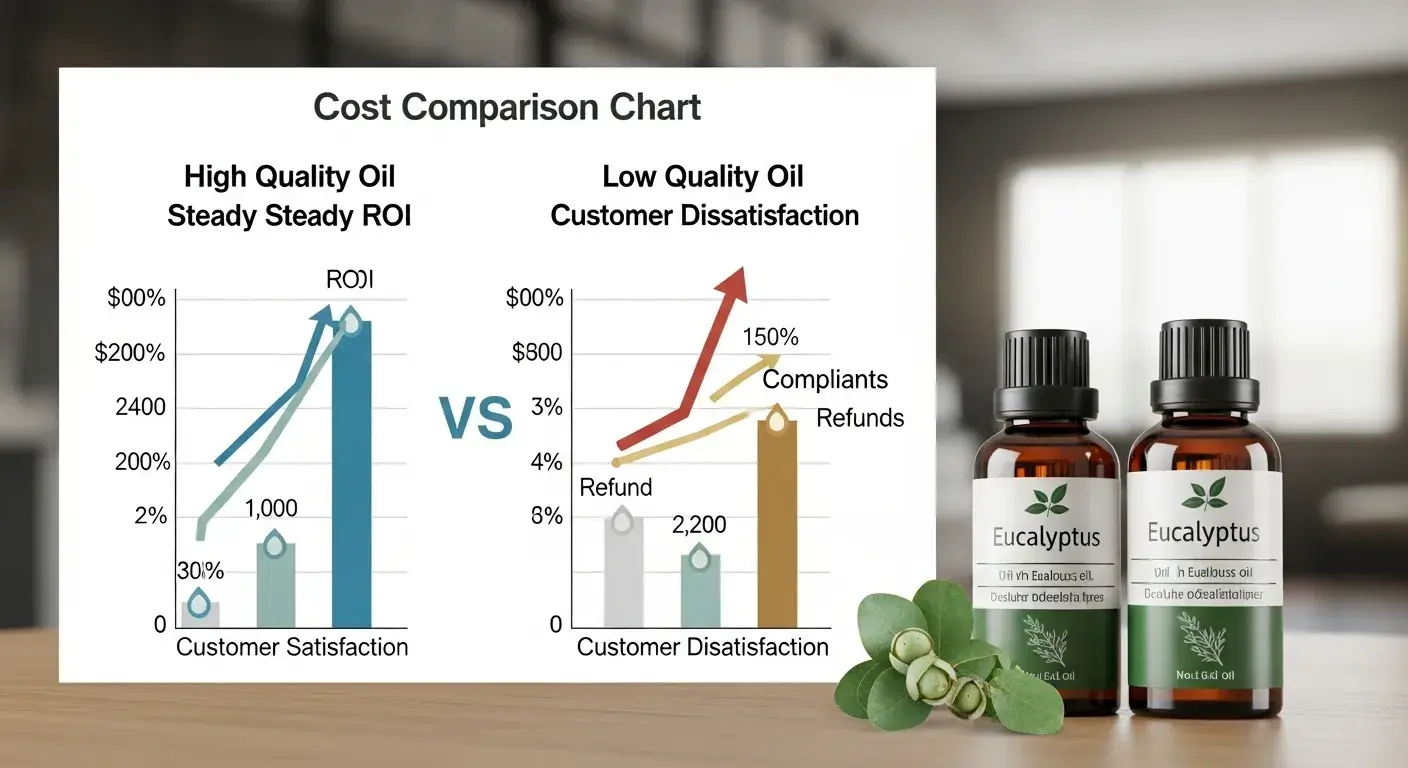
Investing in quality eucalyptus oil prevents costly recalls, customer complaints, and brand damage
The lack of strict industry regulation means that buyers must become their own quality control experts. Consequently, this comprehensive guide will walk you through every step needed to ensure you receive premium eucalyptus essential oil that meets your specifications and safety standards.
Essential Quality Standards You Must Know
Understanding 1,8-Cineole Content Requirements
The primary active compound in eucalyptus essential oil is 1,8-cineole (also called eucalyptol). For Eucalyptus globulus, the most common species used commercially, this compound should constitute 70-85% of the total oil composition. However, different eucalyptus species have varying profiles:
- Eucalyptus globulus: 70-85% cineole (most potent)
- Eucalyptus radiata: 60-75% cineole (milder, suitable for sensitive applications)
- Eucalyptus citriodora: Contains citronellal instead of high cineole levels
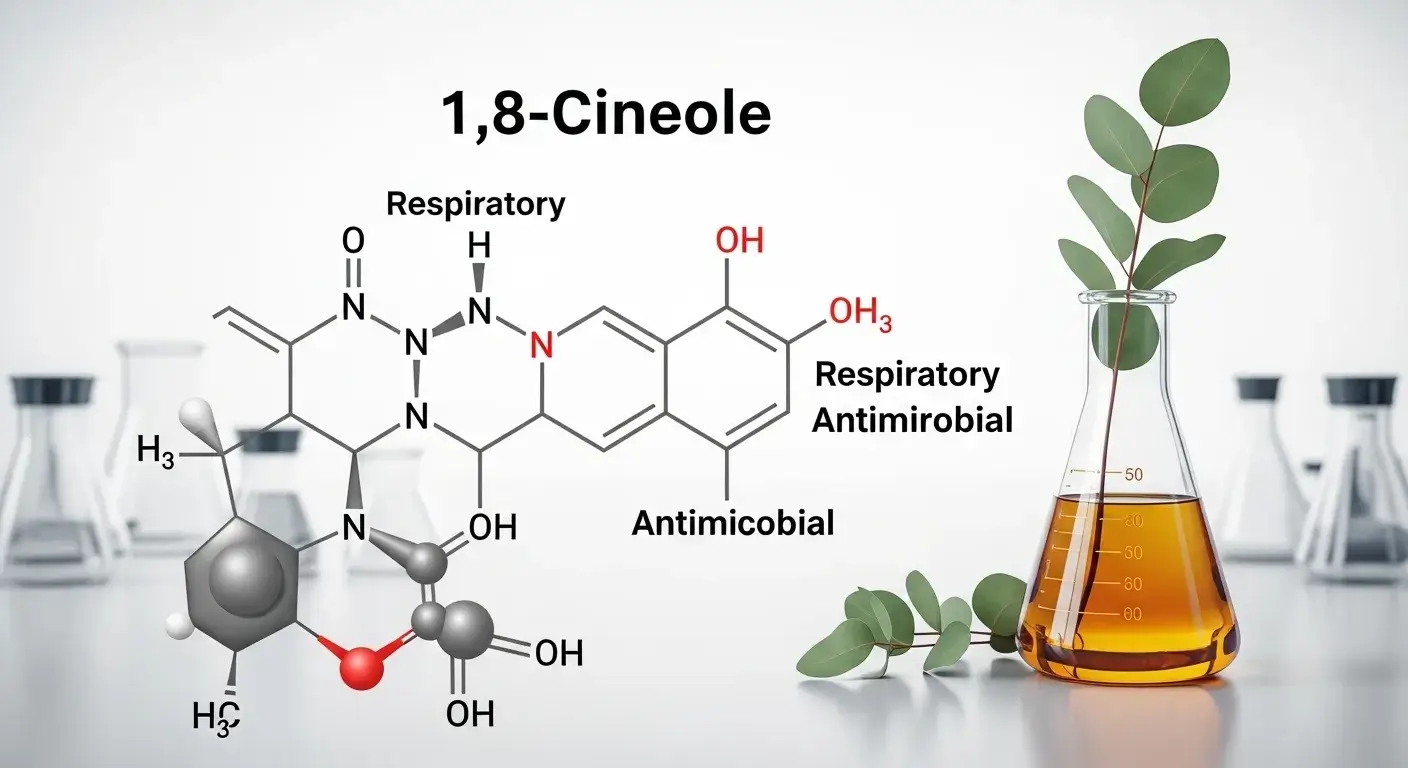
1,8-cineole is the key active compound responsible for eucalyptus oil’s therapeutic properties
ISO 3515 Standards Compliance
The International Organization for Standardization has established specific requirements for eucalyptus oil quality through ISO 3515. This standard specifies that Australian-type Eucalyptus globulus oil must contain a minimum of 80% cineole content. Additionally, it sets limits for other chemical components and physical properties.
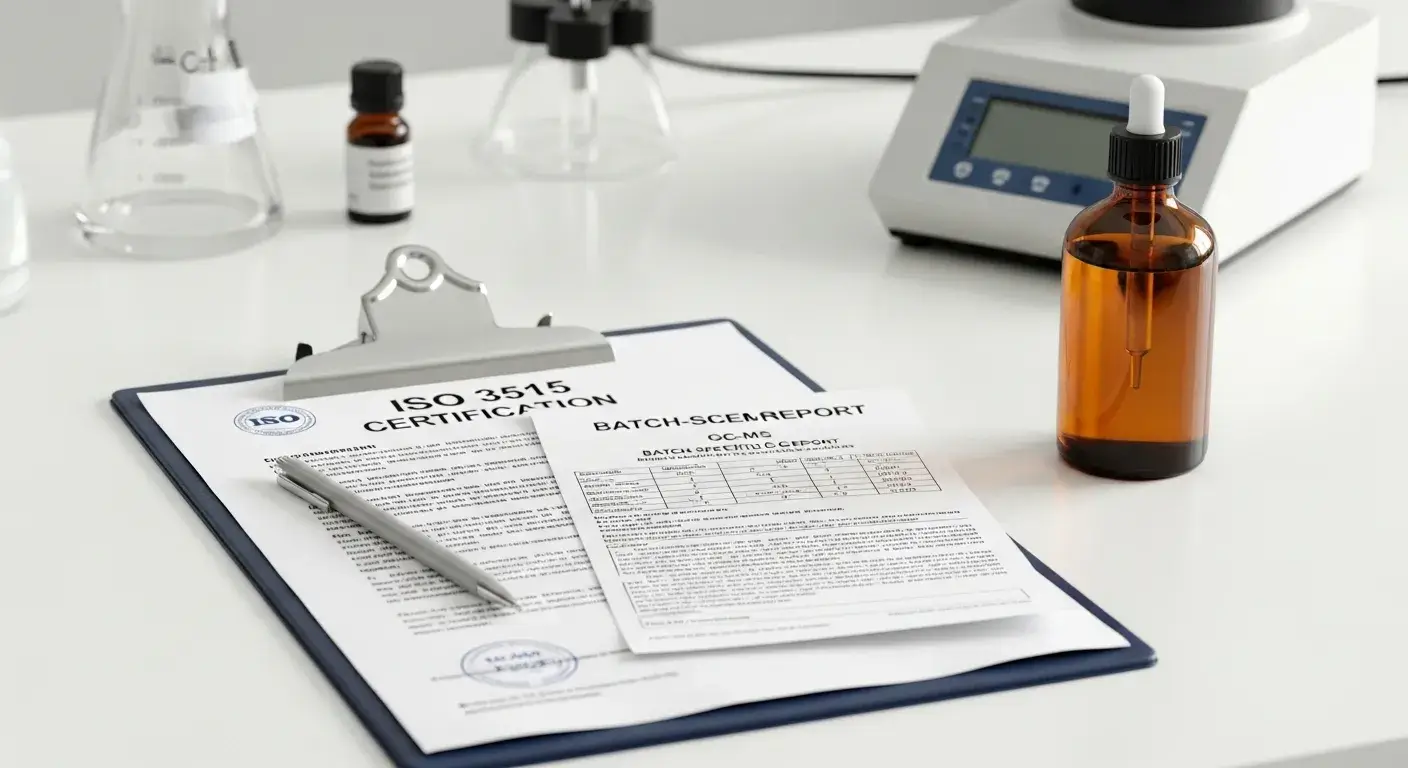
Professional suppliers should readily provide documentation showing compliance with these international standards. Therefore, always request ISO compliance certificates when evaluating potential suppliers.
Purity Benchmarks for Commercial Use
High-quality eucalyptus essential oil must be:
- 100% pure with no synthetic additives or carrier oils
- Steam distilled to preserve natural chemical composition
- Free from pesticide residues and heavy metals
- Properly stored to prevent oxidation and degradation
Understanding these benchmarks helps you set clear expectations when communicating with suppliers and ensures you receive oil suitable for your intended applications.
How to Choose the Right Supplier
GMP Certification Importance
Good Manufacturing Practice (GMP) certification demonstrates that a supplier follows strict quality control procedures throughout their production process. Moreover, GMP-certified facilities maintain consistent standards for:
- Raw material sourcing and testing
- Production environment cleanliness
- Equipment calibration and maintenance
- Staff training and hygiene protocols
- Documentation and traceability systems

GMP-certified facilities ensure consistent quality through rigorous manufacturing standards
When evaluating suppliers, prioritize those with GMP certification along with ISO 9001 and ISO 22000 credentials. These certifications indicate a commitment to quality management and food safety standards that directly impact essential oil production.
Transparency and Documentation Requirements
Reputable suppliers should provide comprehensive documentation including:
Essential Documents:
- Certificate of Analysis (COA) for each batch
- Material Safety Data Sheet (MSDS) for safe handling
- GC-MS testing reports showing chemical composition
- Allergen statements for regulatory compliance
- Traceability records from raw material to finished product
Furthermore, transparent suppliers will discuss their essential oil manufacturing process openly and provide facility tours or detailed process descriptions. This transparency indicates confidence in their quality standards.
Red Flags to Avoid
Be cautious of suppliers who:
- Refuse to provide testing documentation
- Use vague marketing terms like "therapeutic grade" without scientific backing
- Offer prices significantly below market rates ($8-9/kg or lower)
- Cannot specify the exact eucalyptus species or origin
- Have poor communication or delayed responses to inquiries
- Lack proper certifications or provide expired certificates
Critical Testing and Certifications to Demand
GC-MS Reports Interpretation
Gas Chromatography-Mass Spectrometry (GC-MS) analysis provides the most accurate assessment of essential oil composition. When reviewing GC-MS reports for eucalyptus essential oil, look for:
Key Components to Verify:
- 1,8-Cineole: 70-85% (primary active compound)
- α-Pinene: 8-15% (contributes to aroma)
- Limonene: 1-8% (fresh citrus notes)
- γ-Terpinene: 1-5% (antimicrobial properties)
Additionally, the report should show low levels of contaminants such as heavy metals, pesticides, or synthetic additives. Professional suppliers provide batch-specific GC-MS reports, not generic ones that could apply to any oil.
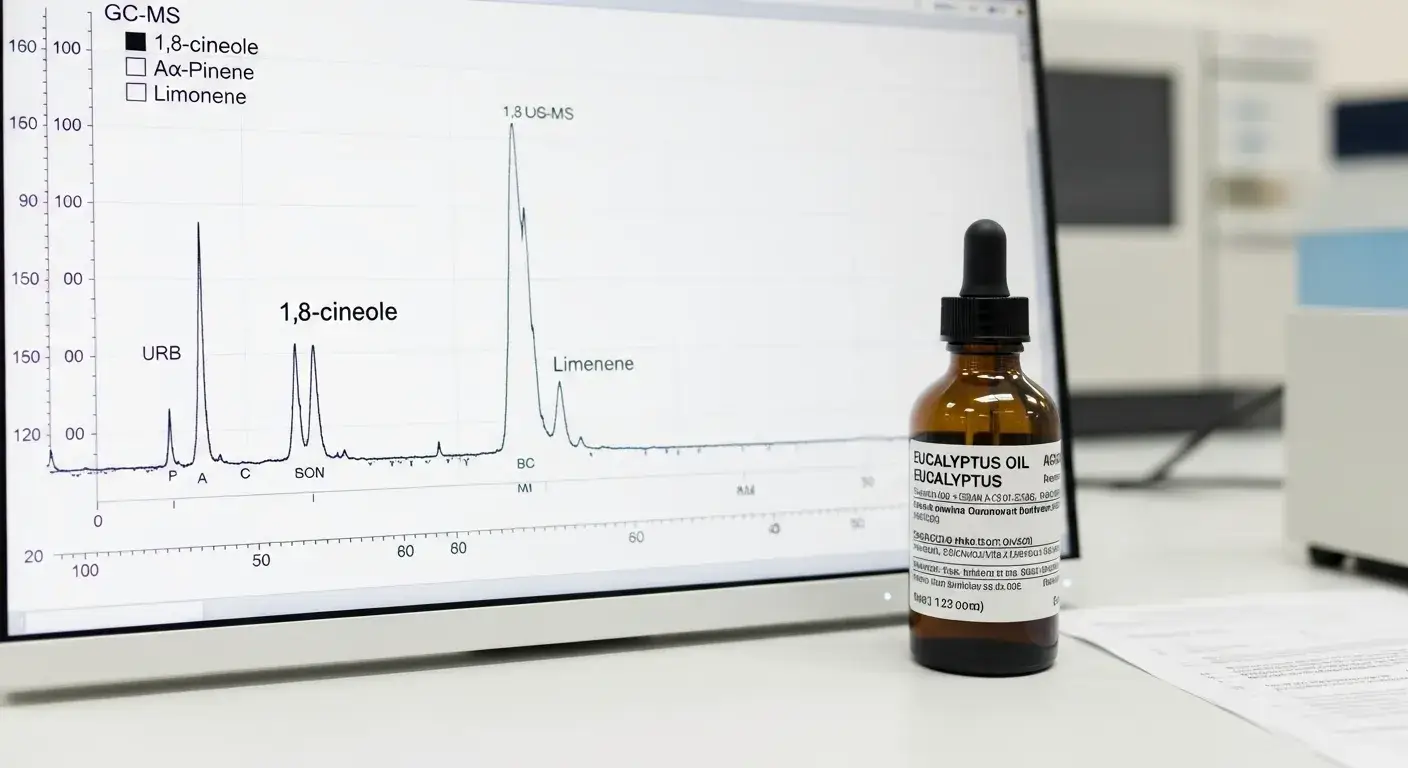
- GC-MS chromatograms reveal the exact chemical composition of your eucalyptus oil*
USDA Organic vs Other Certifications
While USDA Organic certification ensures the oil is produced without synthetic pesticides or fertilizers, other certifications also add value:
Certification Hierarchy:
- USDA Organic: Highest purity standard for US markets
- EU Organic: European equivalent with similar standards
- JAS Organic: Japanese organic certification
- COSMOS/ECOCERT: Natural and organic cosmetics standards
However, organic certification doesn’t automatically guarantee quality. Therefore, combine organic certification with proper testing documentation for complete assurance.
Third-Party Testing Importance
Independent testing by laboratories such as Eurofins or SGS adds credibility to quality claims. Third-party testing eliminates potential bias and provides objective verification of:
- Chemical composition accuracy
- Purity levels and contaminant absence
- Microbiological safety
- Stability and shelf life predictions
Moreover, third-party testing reports are often required for regulatory compliance in various industries and markets.
Step-by-Step Quality Verification Process
Document Review Checklist
Before placing a bulk order, systematically review all supplier documentation:
Phase 1: Initial Documentation
✓ Current GMP and ISO certifications
✓ Business registration and export licenses
✓ Insurance certificates and liability coverage
✓ Customer references and testimonials
Phase 2: Product-Specific Documents
✓ Batch-specific COA with test results
✓ GC-MS report dated within 6 months
✓ MSDS with proper safety classifications
✓ Allergen declaration statements
✓ Organic certification (if applicable)
Sample Evaluation Methods

Always request samples before committing to bulk purchases. Proper sample evaluation includes:
Physical Assessment:
- Color: Clear to pale yellow (amber indicates age or oxidation)
- Viscosity: Thin, water-like consistency
- Aroma: Fresh, camphoraceous scent without off-notes
- Clarity: No cloudiness or sediment
Simple Quality Tests:
- Paper test: One drop should evaporate completely within 24 hours
- Solubility test: Should dissolve completely in ethanol
- Refrigeration test: No separation or crystallization should occur
Furthermore, professional testing of samples through independent laboratories provides the most reliable quality assessment before bulk purchasing.
Batch Consistency Verification
Quality suppliers maintain consistency across different production batches. Therefore, request COAs from multiple recent batches to verify:
- Consistent cineole content (±2% variation)
- Similar physical properties across batches
- Stable microbial test results
- Comparable trace element profiles
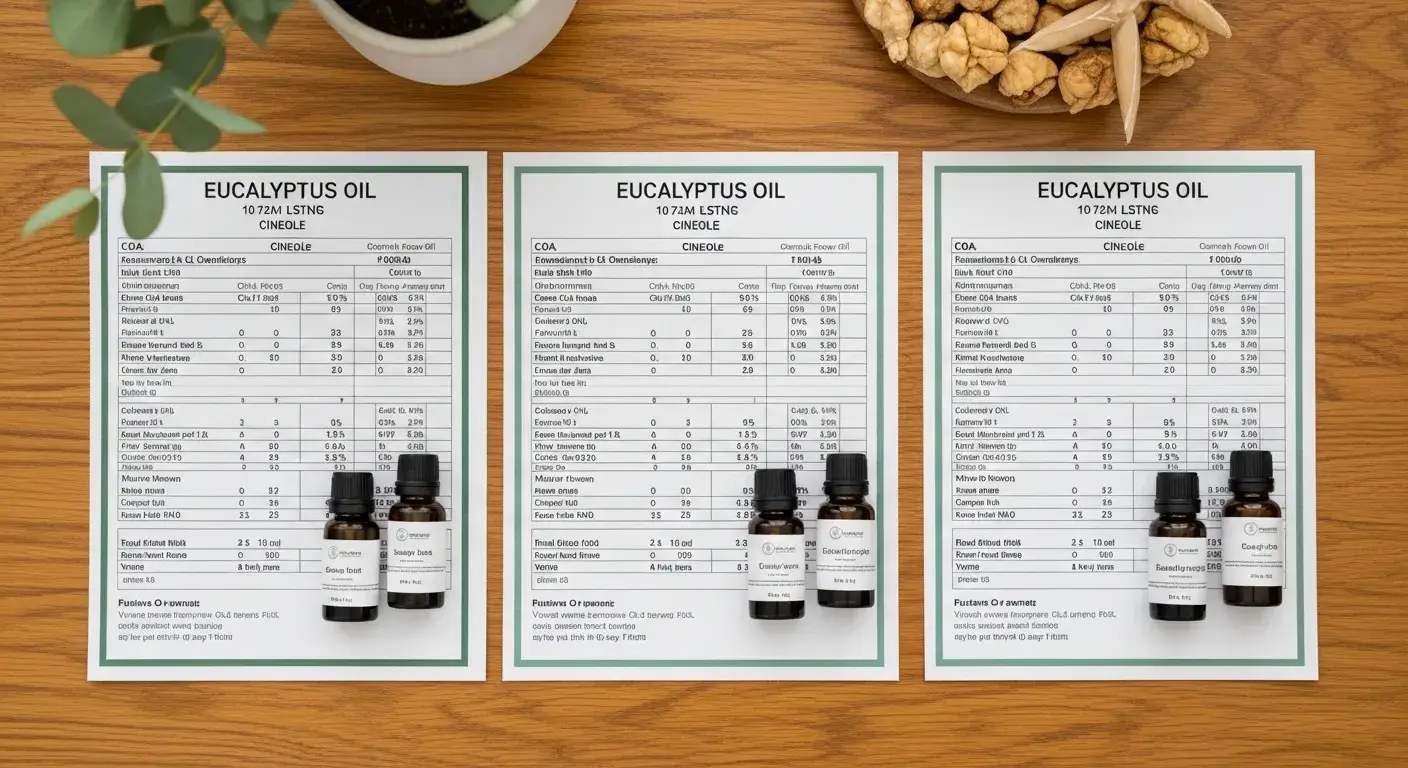
- Consistent batch results indicate reliable quality control and manufacturing processes*
Common Mistakes That Cost Money
"Therapeutic Grade" Myth
The term "therapeutic grade" has no legal or scientific definition in the essential oil industry. According to the National Association for Holistic Aromatherapy (NAHA), this term is purely marketing language used to suggest higher quality without any standardized meaning.
Instead of relying on marketing terms, focus on objective quality indicators:
- Actual GC-MS test results
- Certified laboratory analysis
- Compliance with international standards
- Transparent sourcing information
Price vs Quality Balance
While cost considerations are important for bulk purchases, extremely low prices (below $8-9 per kilogram) often indicate quality compromises. Consider the total cost of ownership:
Hidden Costs of Poor Quality:
- Product recalls and customer complaints
- Regulatory compliance issues
- Brand reputation damage
- Reformulation expenses
- Lost customer trust

The true cost of poor quality often exceeds the initial savings from low-priced oils
Moreover, reliable suppliers with proper certifications and testing invest significantly in quality assurance, which naturally reflects in their pricing structure.
Storage and Handling Oversights
Many buyers focus on initial quality but overlook proper storage requirements. Eucalyptus essential oil quality can deteriorate rapidly if not stored correctly:
Critical Storage Requirements:
- Temperature: 15-25°C (59-77°F)
- Light: Dark containers or storage areas
- Air exposure: Nitrogen flushing for long-term storage
- Container material: Stainless steel, aluminum, or dark glass
Furthermore, suppliers should provide detailed storage and handling guidelines to maintain oil quality throughout the supply chain.
Working with Professional Suppliers: What to Expect
Documentation Standards
Professional suppliers maintain comprehensive documentation systems that provide complete traceability. When working with established suppliers, you should receive:
Standard Documentation Package:
- Detailed product specifications
- Batch-specific test certificates
- Chain of custody documentation
- Shipping and storage conditions
- Regulatory compliance certificates
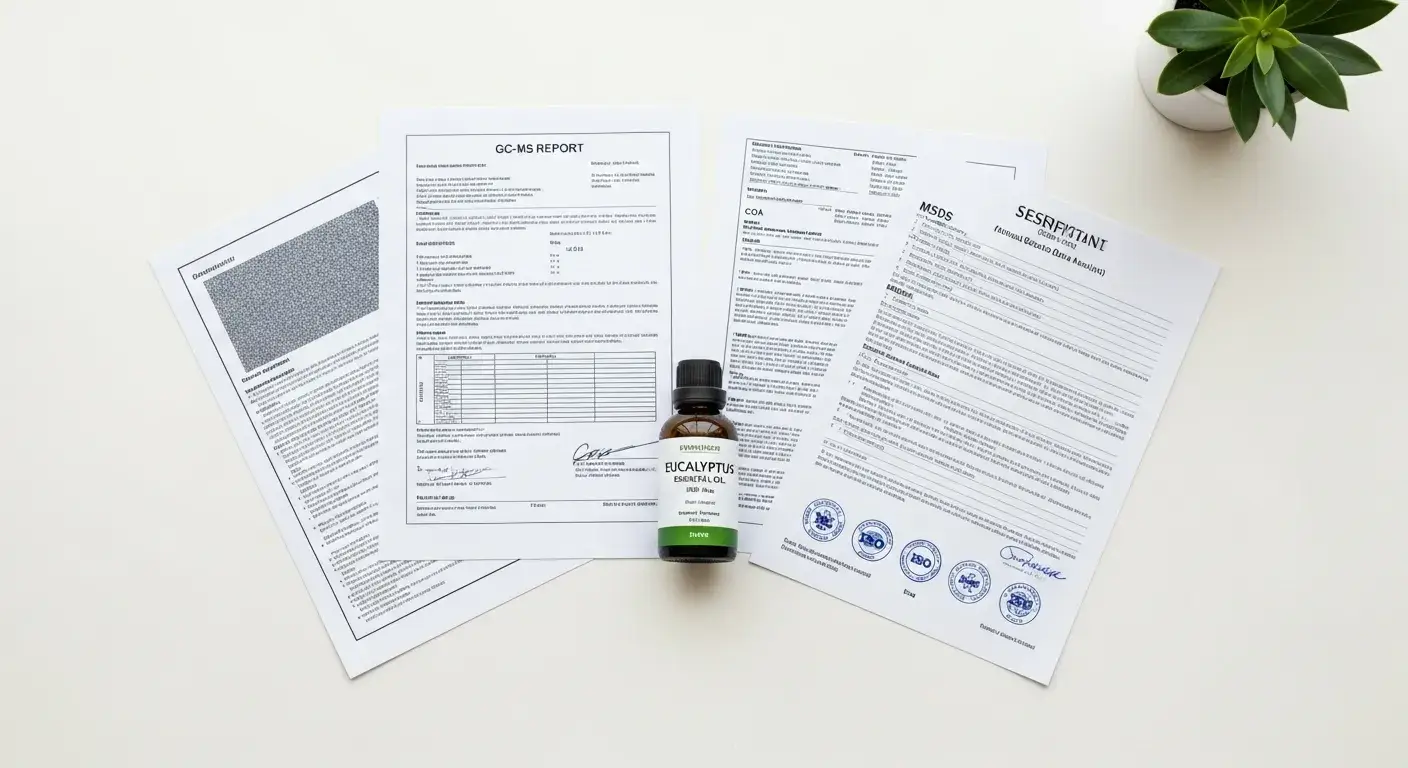
- Professional suppliers provide comprehensive documentation for complete product traceability*
Additionally, professional suppliers often provide comprehensive guides for bulk essential oil purchasing to help customers make informed decisions.
Inventory Management Benefits
Working with suppliers who maintain large inventory reserves provides several advantages:
Supply Chain Benefits:
- Consistent product availability
- Faster order fulfillment (3-7 days typical)
- Price stability during market fluctuations
- Emergency supply capability
- Reduced lead times for urgent orders
Moreover, suppliers with substantial inventory demonstrate financial stability and commitment to serving their customers reliably.
Custom Formulation Options
Many professional suppliers offer custom formulation services, including:
- Eucalyptus oil blends for specific applications
- Custom concentration adjustments
- Private label packaging services
- OEM/ODM manufacturing capabilities
- Technical consultation for product development

- Custom formulation services help businesses create unique products tailored to their market needs*
These value-added services can significantly reduce your time-to-market and development costs while ensuring product quality and consistency.
Conclusion and Action Steps
Guaranteeing quality when purchasing eucalyptus essential oil in bulk requires systematic evaluation of suppliers, thorough documentation review, and ongoing quality monitoring. By following the guidelines outlined in this comprehensive guide, you can avoid costly mistakes and build reliable supply relationships.
Key Takeaways:
- Always demand GC-MS testing reports with 70-85% cineole content verification
- Prioritize GMP-certified suppliers with transparent documentation
- Request samples and conduct thorough evaluation before bulk orders
- Verify third-party testing and international standard compliance
- Consider total cost of ownership rather than just initial purchase price
The growing eucalyptus oil market presents both opportunities and risks. However, businesses that invest in quality suppliers and proper verification processes will achieve better customer satisfaction, regulatory compliance, and long-term profitability.
Ready to Source Premium Eucalyptus Essential Oil?
Don’t leave your bulk eucalyptus oil quality to chance. PhytoEx combines GMP-certified manufacturing, comprehensive testing documentation, and over 1000 tons of inventory to ensure consistent, high-quality supply for your business needs.
Get started today:
- Request free samples with complete COA and GC-MS reports
- Receive detailed product specifications and regulatory documentation
- Discuss custom formulations tailored to your specific requirements
- Access our technical team for formulation support and consultation
Contact PhytoEx now to secure your reliable supply of premium eucalyptus essential oil, or learn more about our complete range of certified essential oils and botanical extracts.
Your business deserves a trusted partner for essential oil solutions.