
A dull spice cabinet makes your food bland and your meals forgettable. But a well-stocked, organized one? That’s how you turn simple ingredients into unforgettable dishes.
Your spice cabinet should contain versatile, fresh, and culturally diverse seasonings—like black pepper, cumin, turmeric, and cinnamon—stored properly to retain flavor, avoid waste, and support healthy cooking.
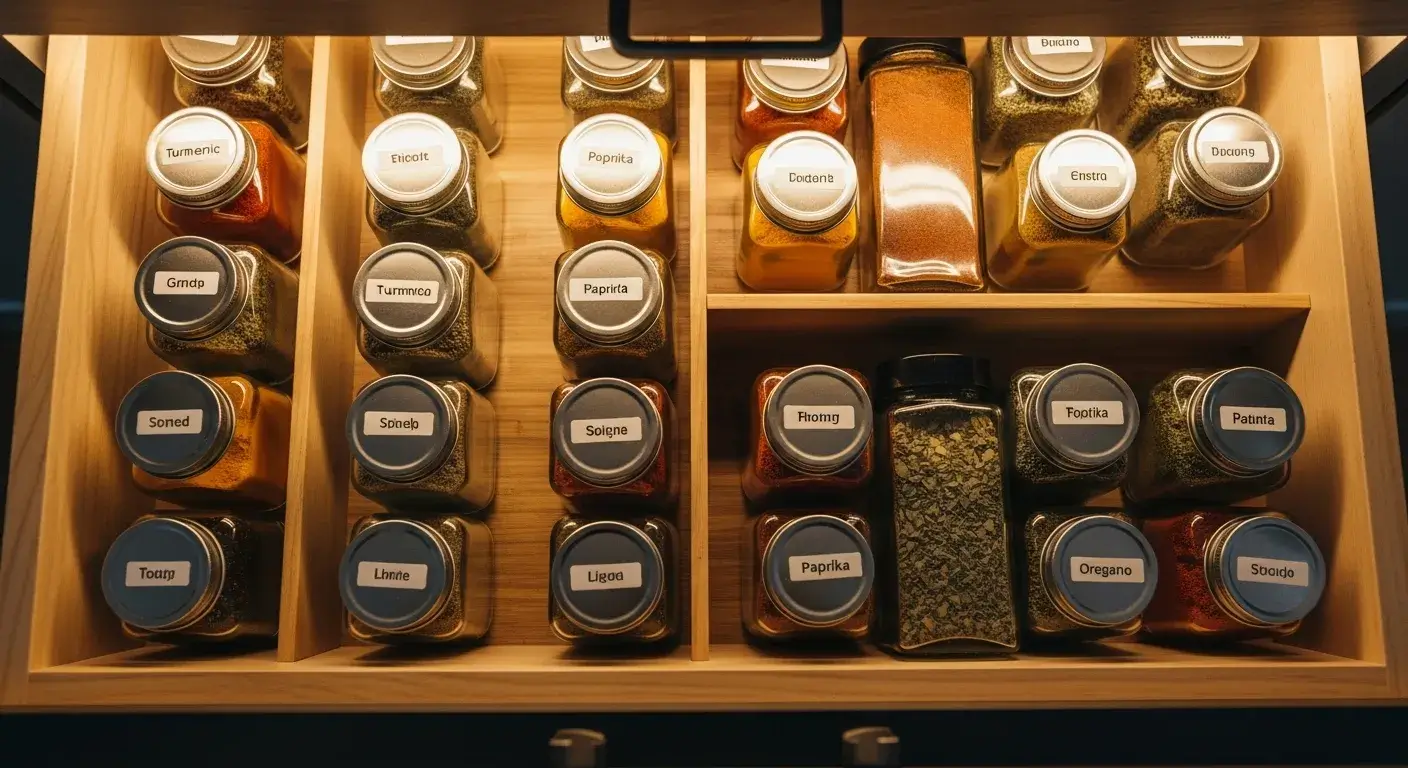
Whether you’re just starting your kitchen journey or looking to upgrade your seasoning stash, understanding the why, what, and how of your spice cabinet can transform how—and what—you cook.
Why a Well-Stocked Spice Cabinet Matters?
No one enjoys cooking with lifeless flavors or guessing if that old jar of paprika still does anything.
A good spice cabinet makes cooking easier, healthier, and more exciting, giving you the tools to flavor global dishes while reducing salt and sugar use.
Why Spices Deserve a Place of Honor
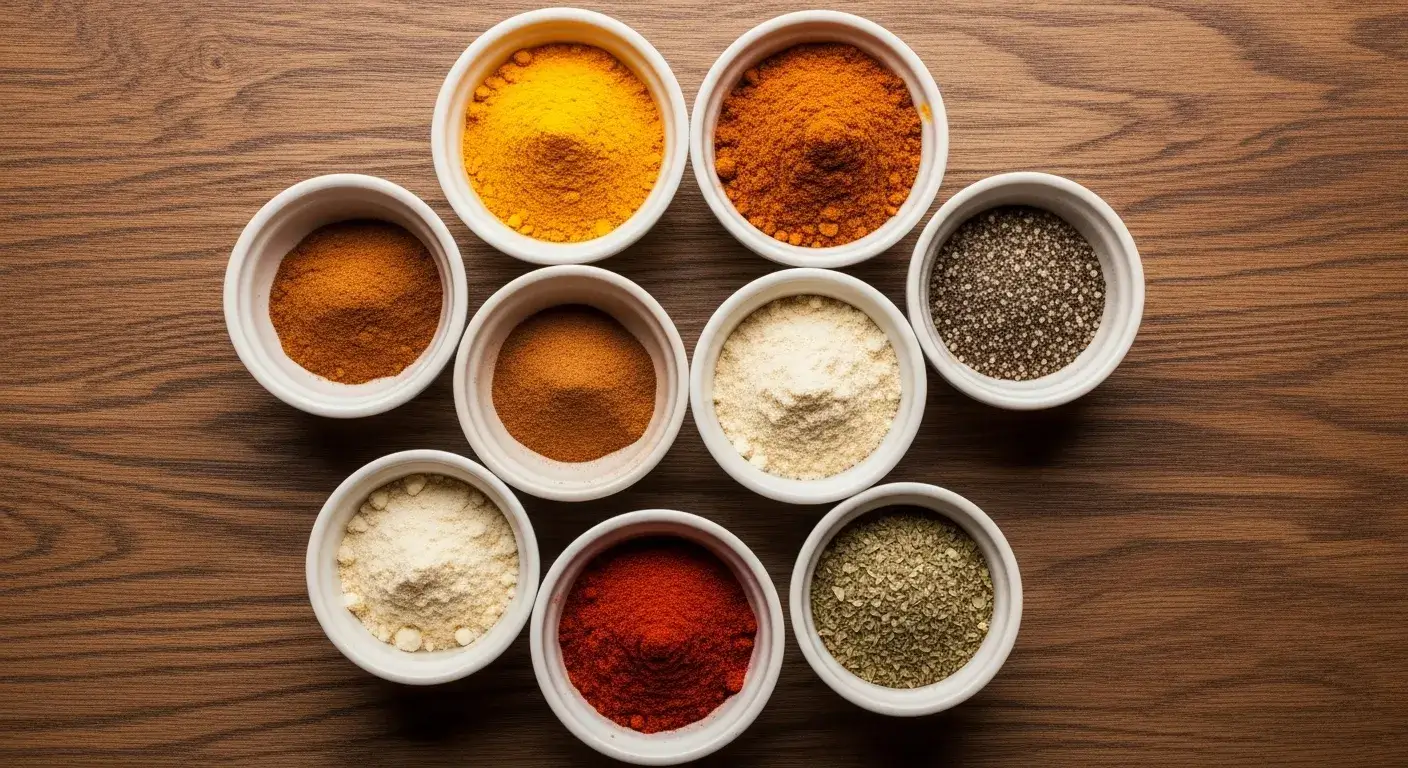
A well-stocked spice collection saves money, boosts creativity, and even improves health. Here’s why:
- Spices add flavor without calories or sodium
- Popularity is rising: 309 million Americans use spices regularly
- The global spice market hit $20.19 billion in 2024 and is growing
- Turmeric and ginger offer anti-inflammatory and digestive benefits
A spice drawer isn’t just storage—it’s a passport to global cuisines.
Essential Spices Every Kitchen Needs?
You don’t need 100 jars to make good food—just the right ones.
Essential spices include black pepper, cumin, garlic powder, turmeric, paprika, chili powder, cinnamon, and oregano—versatile staples that work across cultures and dishes.
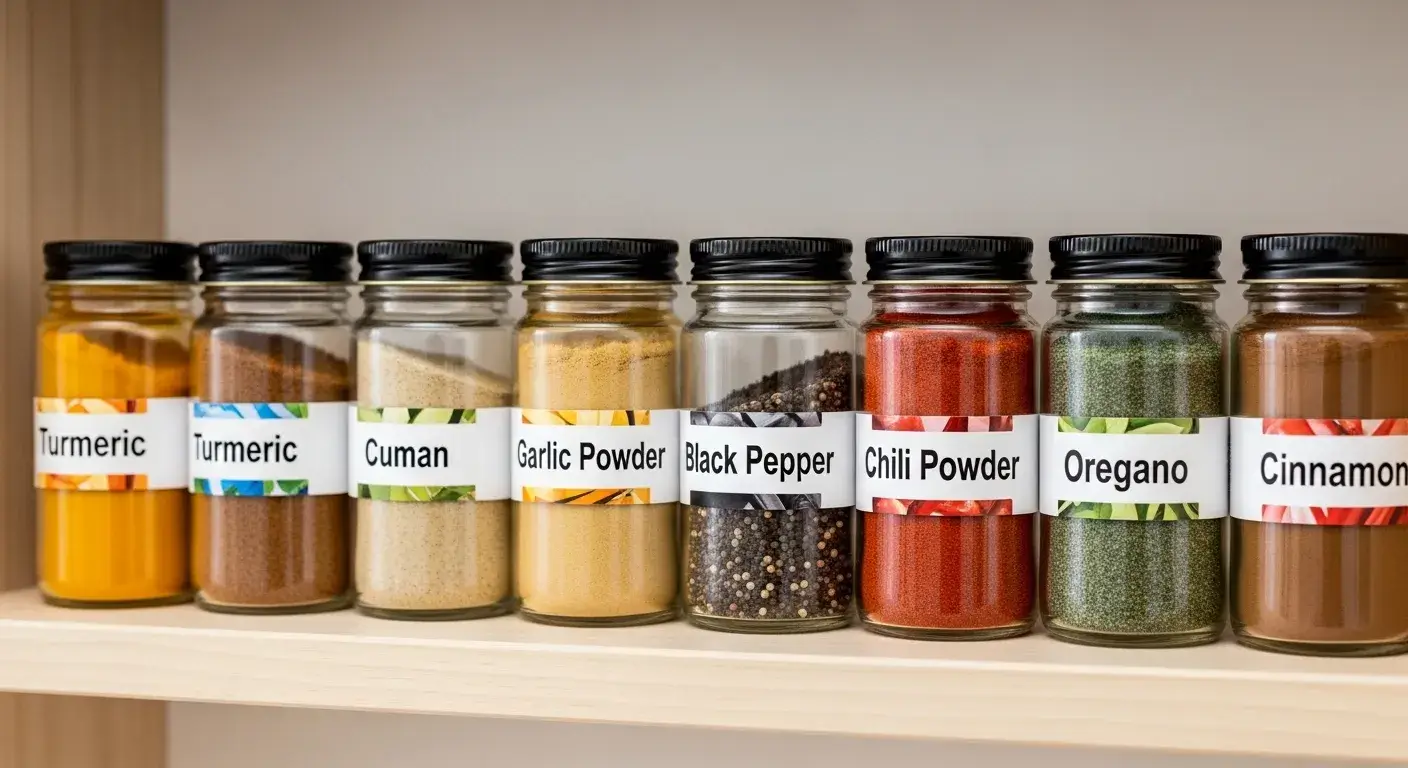
The Core 8 Spices to Keep on Hand
| Spice | Use In | Bonus Benefit |
|---|---|---|
| Black Pepper | Everything | Aids digestion |
| Garlic Powder | Soups, stir-fries, sauces | Adds umami flavor |
| Cumin | Tacos, curries | Earthy warmth |
| Paprika | Roasted veg, meats | Adds color and depth |
| Turmeric | Rice, stews, smoothies | Anti-inflammatory (curcumin) |
| Chili Powder | Chilis, sauces | Provides heat |
| Oregano | Pizza, pasta, salad dressings | Classic Mediterranean flavor |
| Cinnamon | Baking, oatmeal, coffee | May help stabilize blood sugar |
These are easy to find and budget-friendly at $1–$3 per ounce.
Understanding Spice Forms: Whole vs. Ground?
I used to wonder why some chefs insisted on whole spices. Now I know.
Whole spices last longer and offer stronger flavor, while ground spices are more convenient but lose potency faster.
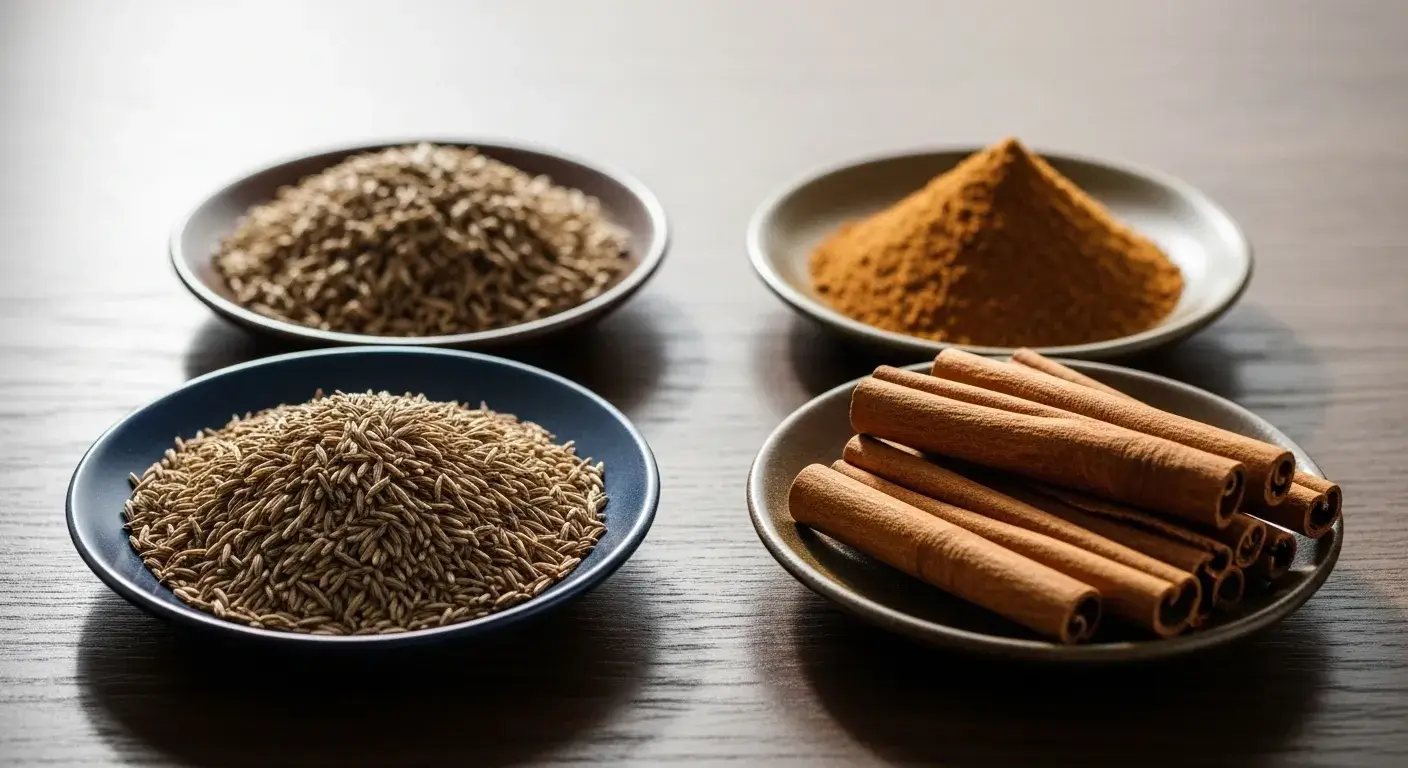
Which Should You Choose?
| Form | Shelf Life | Best For | Pro Tip |
|---|---|---|---|
| Whole | 3–4 years | Long-term use, fresh flavor | Grind in small batches as needed |
| Ground | 1–2 years | Daily cooking, baking | Buy in small amounts, store cool |
If you only use a spice once a month, go whole. If it’s daily, ground works fine.
Cultural Influences on Spice Selection?
Your cabinet reflects your taste—and often your heritage.
Different cuisines use different spice profiles: Indian cooks reach for turmeric and coriander, while Mexican recipes lean on chili and cumin.
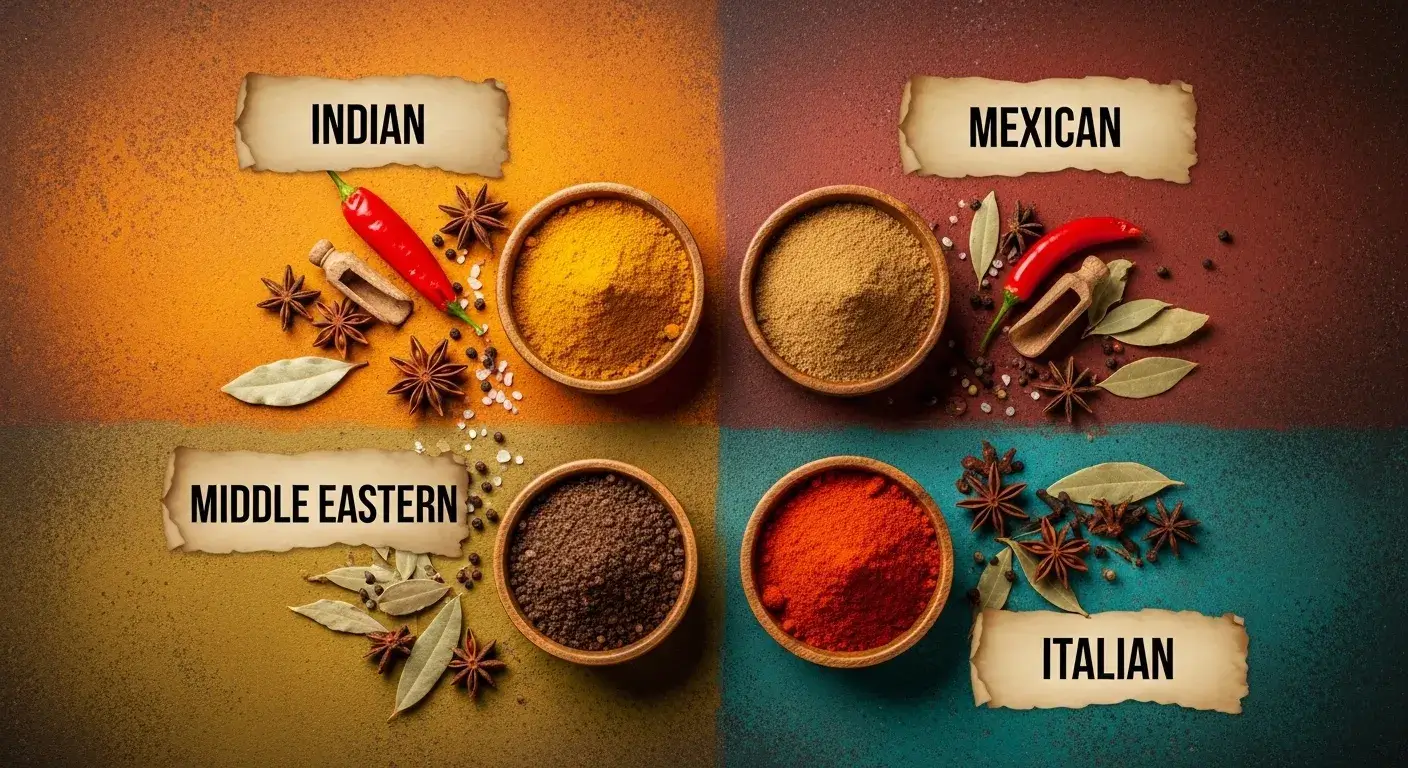
Popular Spices by Region
| Region | Key Spices | Flavor Profile |
|---|---|---|
| Indian | Turmeric, cardamom, coriander | Warm, earthy, complex |
| Mexican | Chili powder, cumin, oregano | Smoky, spicy, bold |
| Middle Eastern | Sumac, za’atar, cinnamon | Tangy, herby, sweet-spicy |
| Italian | Basil, oregano, garlic | Herbal, savory, rich |
Over 47% of spice imports come from Asia, so there’s always more to explore.
Health Benefits of Common Spices?
A spoonful of spice might actually be better than a spoonful of sugar.
Turmeric, ginger, cinnamon, garlic, and black pepper have real health benefits backed by science—when used moderately.
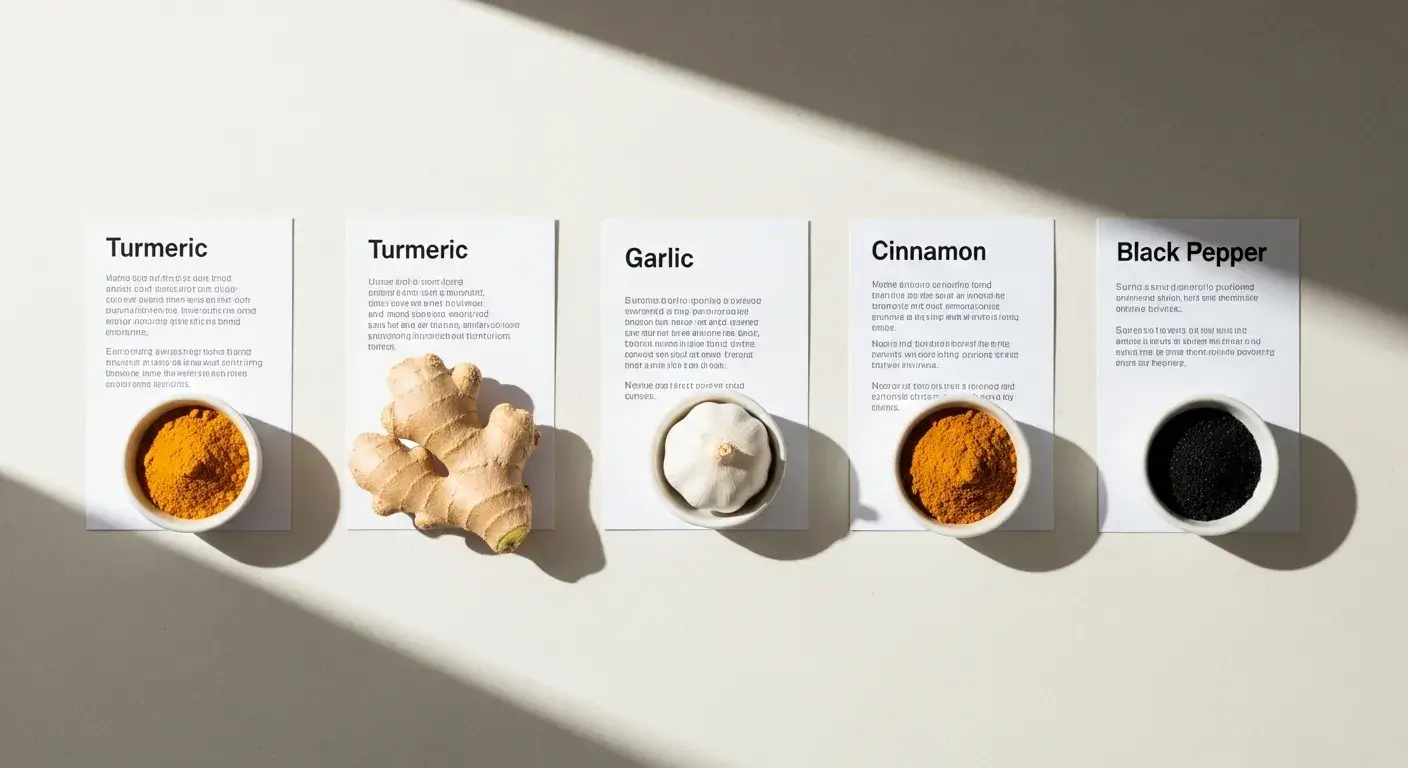
What Your Spices Might Be Doing for You
| Spice | Health Benefit |
|---|---|
| Turmeric | Reduces inflammation, supports joint health |
| Ginger | Eases nausea, supports digestion |
| Garlic | Has antimicrobial and immune-boosting effects |
| Cinnamon | May lower blood sugar and cholesterol |
| Black Pepper | Boosts nutrient absorption and gut health |
Too much spice—especially chili—can cause heartburn, so balance is key.
How to Organize and Maintain Your Spice Cabinet?
If you can’t find your oregano, you won’t use it. And that’s a waste.
Organize by label, date, and frequency of use. Store spices in airtight containers in a cool, dark spot—away from heat.
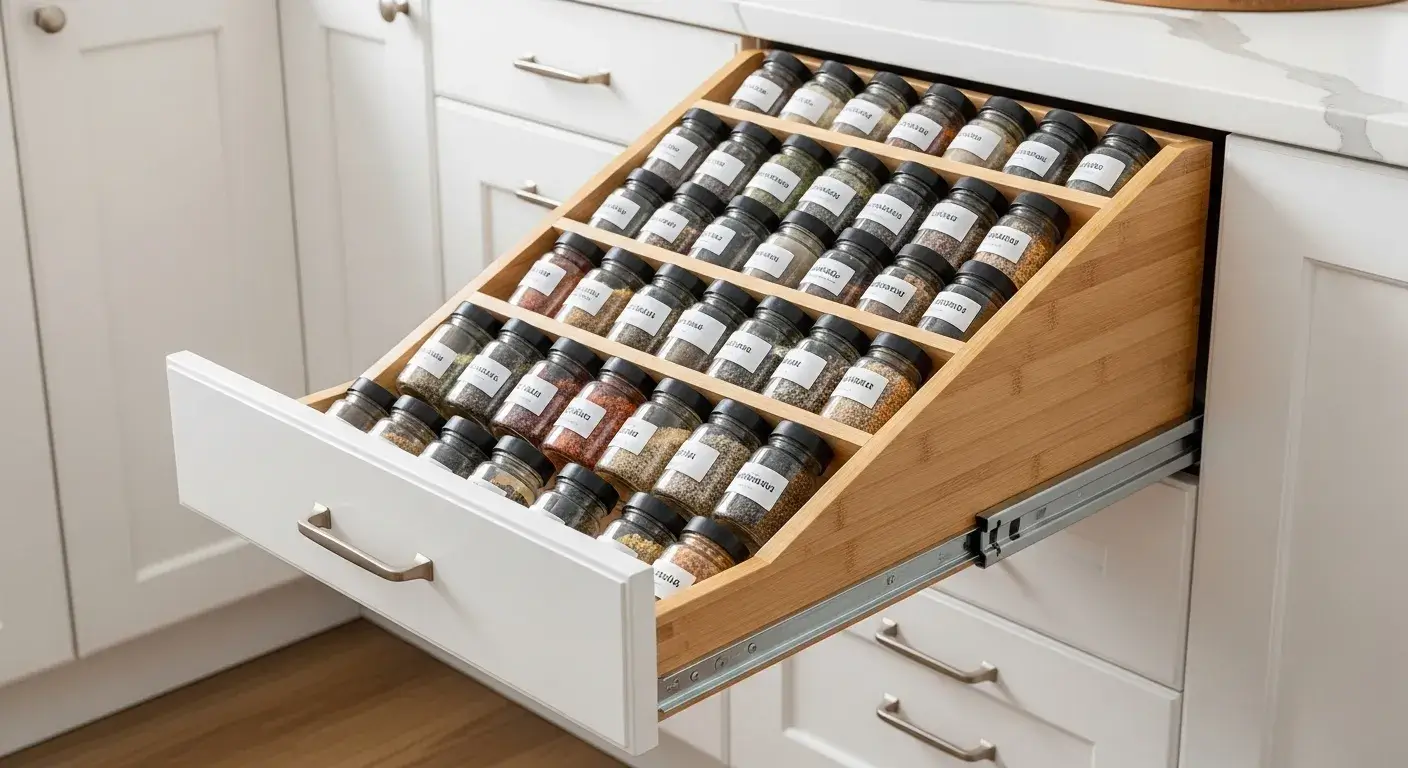
How I Keep My Spice Drawer Functional
- Use uniform, clear glass jars with labels
- Store spices away from ovens and dishwashers
- Keep daily-use spices in front
- Review every 6 months and toss expired ones
- Track what you’re low on with a small checklist
I keep mine in a drawer with a slanted organizer. It makes a huge difference.
Avoiding Common Spice Storage Mistakes?
I’ve made these mistakes—and they cost me flavor and money.
Spices lose quality when exposed to heat, air, light, or moisture. Don’t buy in bulk unless you’ll use it fast.
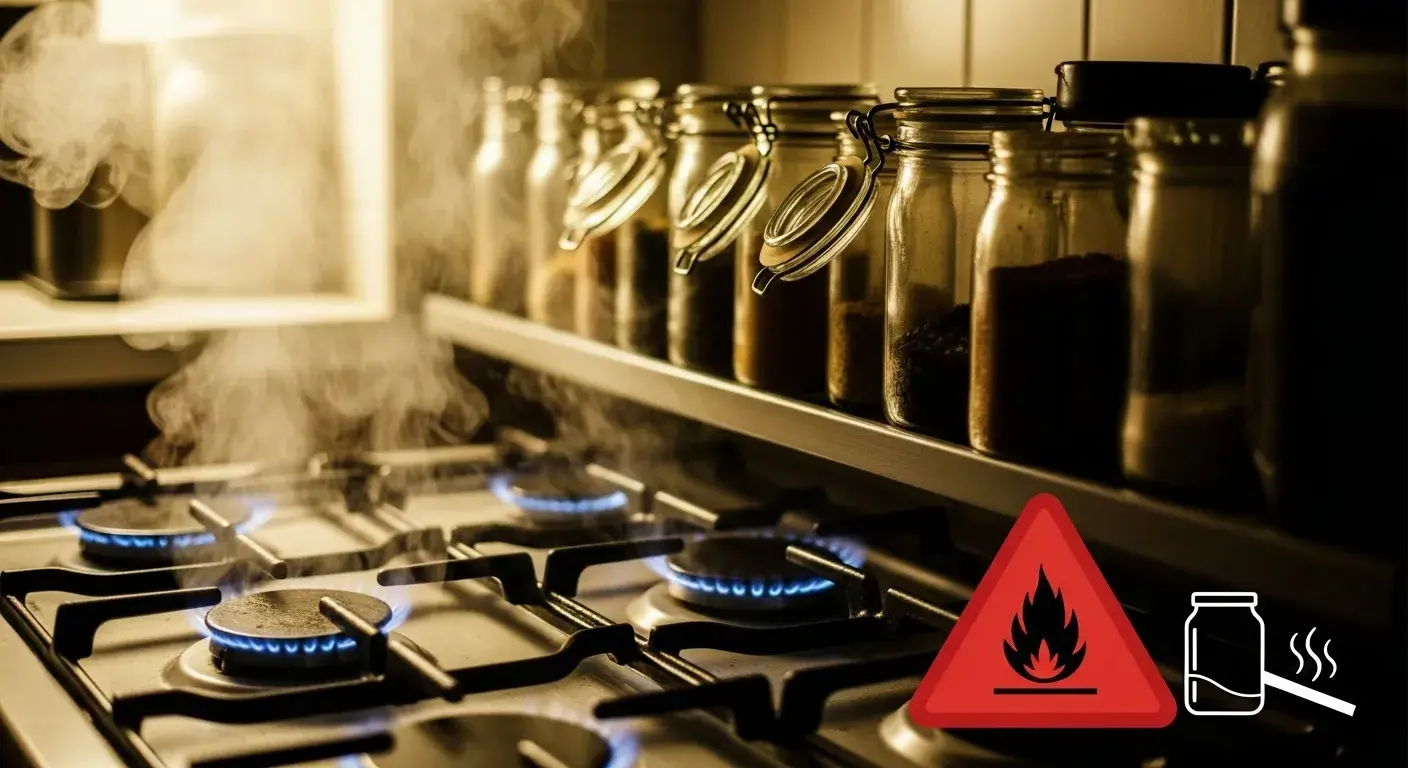
Mistakes That Might Be Killing Your Flavor
- ❌ Above the stove? Too hot.
- ❌ Bulk bins without plan? Wasteful.
- ❌ Unlabeled jars? Confusing.
- ❌ Plastic bags from old market runs? Time to toss.
And worst of all—using spices after they lose aroma. If it doesn’t smell like anything, it won’t taste like anything.
Sourcing Quality Spices: Tips for Authenticity?
Not all spices are created equal. Some are even fake.
Buy from trusted sources with clear labels, organic or Fair Trade certifications, and avoid "too cheap to be true" deals.
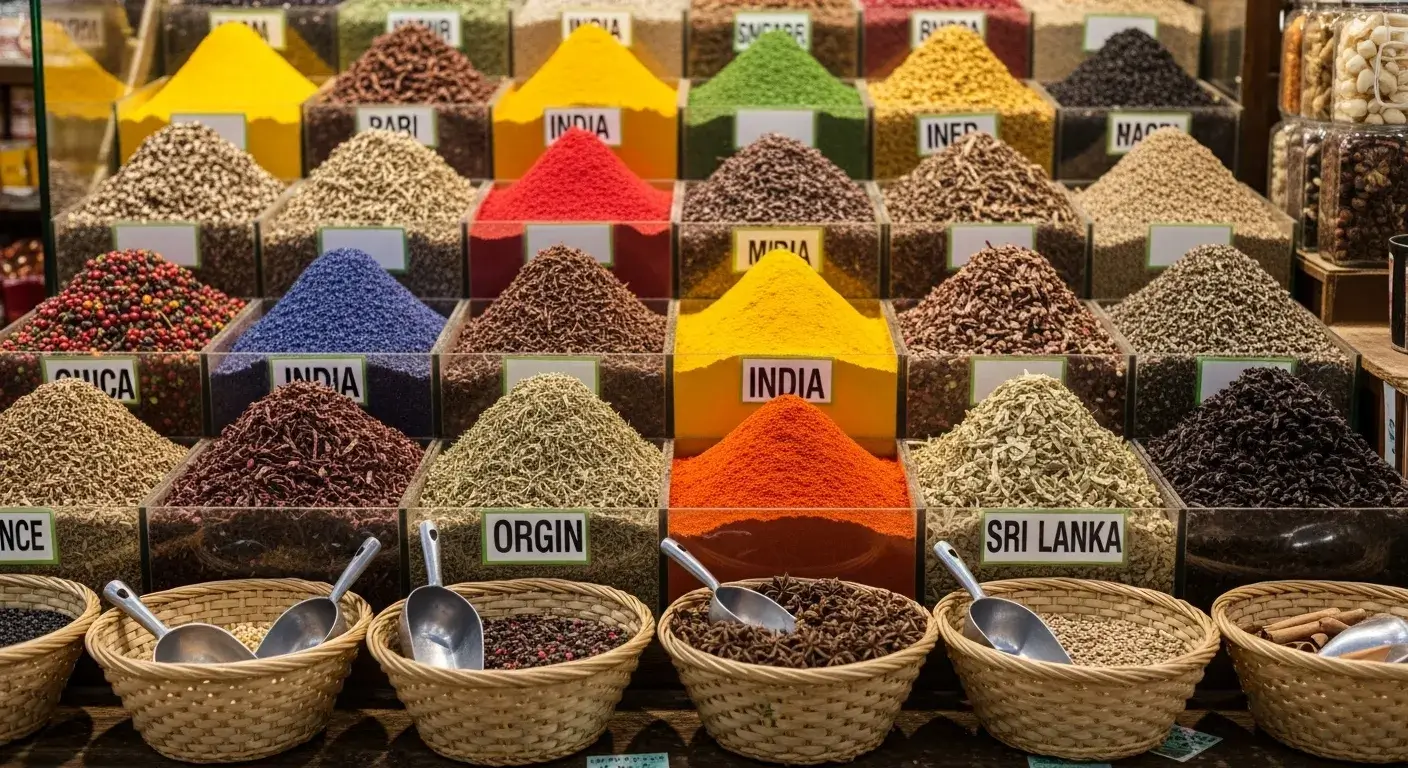
How to Find the Good Stuff
- Stick with brands that test for contaminants (e.g., McCormick, Simply Organic)
- Choose organic if you can—demand is rising 12% yearly
- Look for origin labels (India, Vietnam, Sri Lanka = top producers)
- Avoid overly bright turmeric or paprika—may indicate additives
- Try whole spices to reduce the risk of adulteration
Remember: cheap, unlabeled spices are the biggest red flag.
Conclusion
A spice cabinet isn’t just storage—it’s flavor, culture, health, and creativity in a jar. Keep it fresh, varied, and well-organized, and it’ll always reward you.
FAQ
What are the must-have spices for a kitchen?
Black pepper, cumin, paprika, garlic powder, turmeric, cinnamon, chili powder, and oregano.
How long do spices last in the cabinet?
Whole spices: 3–4 years. Ground spices: 1–2 years. Replace if color fades or aroma weakens.
What are the health benefits of common spices?
Turmeric reduces inflammation, garlic fights microbes, cinnamon may lower blood sugar, and black pepper boosts digestion.
How do you organize a spice cabinet?
Use labeled glass jars in drawers or racks, store away from heat and light, and check freshness every 6 months.
Are spices in my cabinet safe to use?
Check expiration dates and origin. Avoid spices with faded color or no aroma. Buy from reputable brands.
What spices are used in different cuisines?
Indian: turmeric, cumin; Mexican: chili, oregano; Middle Eastern: sumac, za’atar; Italian: oregano, basil.