
Baby skin is delicate, soft, and sensitive. So how can we protect it naturally without harsh chemicals?
Carrier oils like coconut, jojoba, and sunflower are gentle, plant-based oils used in baby care products to hydrate, soothe, and protect sensitive baby skin.
Parents want the best for their babies.
When it comes to skin care, natural options are often the safest. Let’s look at
how carrier oils help keep baby skin healthy, soft, and happy.
What Are Carrier Oils and Why Are They Important in Baby Care?
Not all oils are the same. Carrier oils are special because they’re made for gentle care.
Carrier oils are mild, plant-based oils that moisturize baby skin and safely carry essential oils in baby care products.
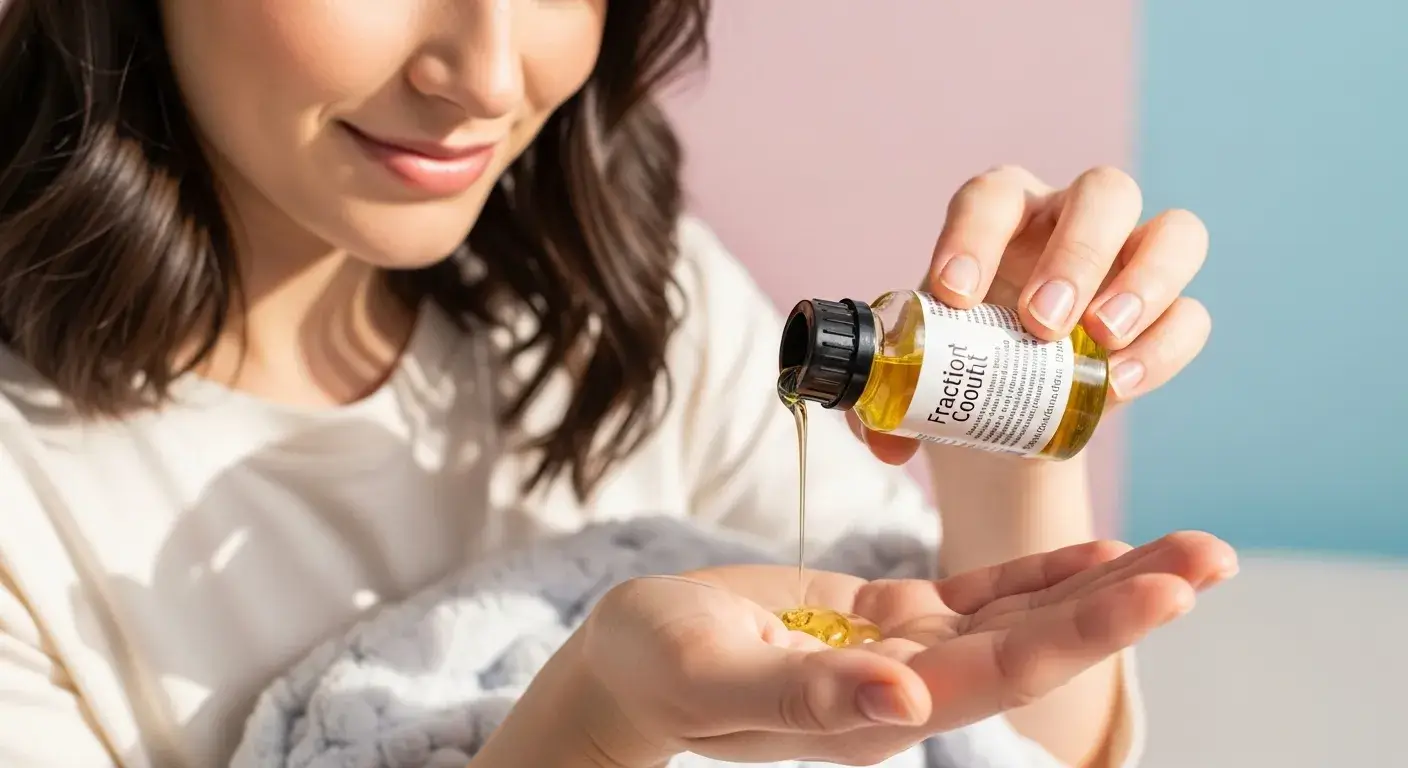
Carrier oils come from seeds, nuts, or plants. Unlike essential oils1, they are not strong-smelling or irritating.
They work well for massage, hydration, and even for treating rashes.
They are full of healthy fats, vitamins, and antioxidants that help protect and nourish baby skin.
Many baby lotions, creams, and oils are built on a base of these oils.
Which Carrier Oils Are Safest and Most Beneficial for Babies?
Some oils are just better for baby skin. These are trusted for a reason.
Fractionated coconut, jojoba, grapeseed, sunflower, calendula, and sweet almond oils are safe and commonly used in baby care.
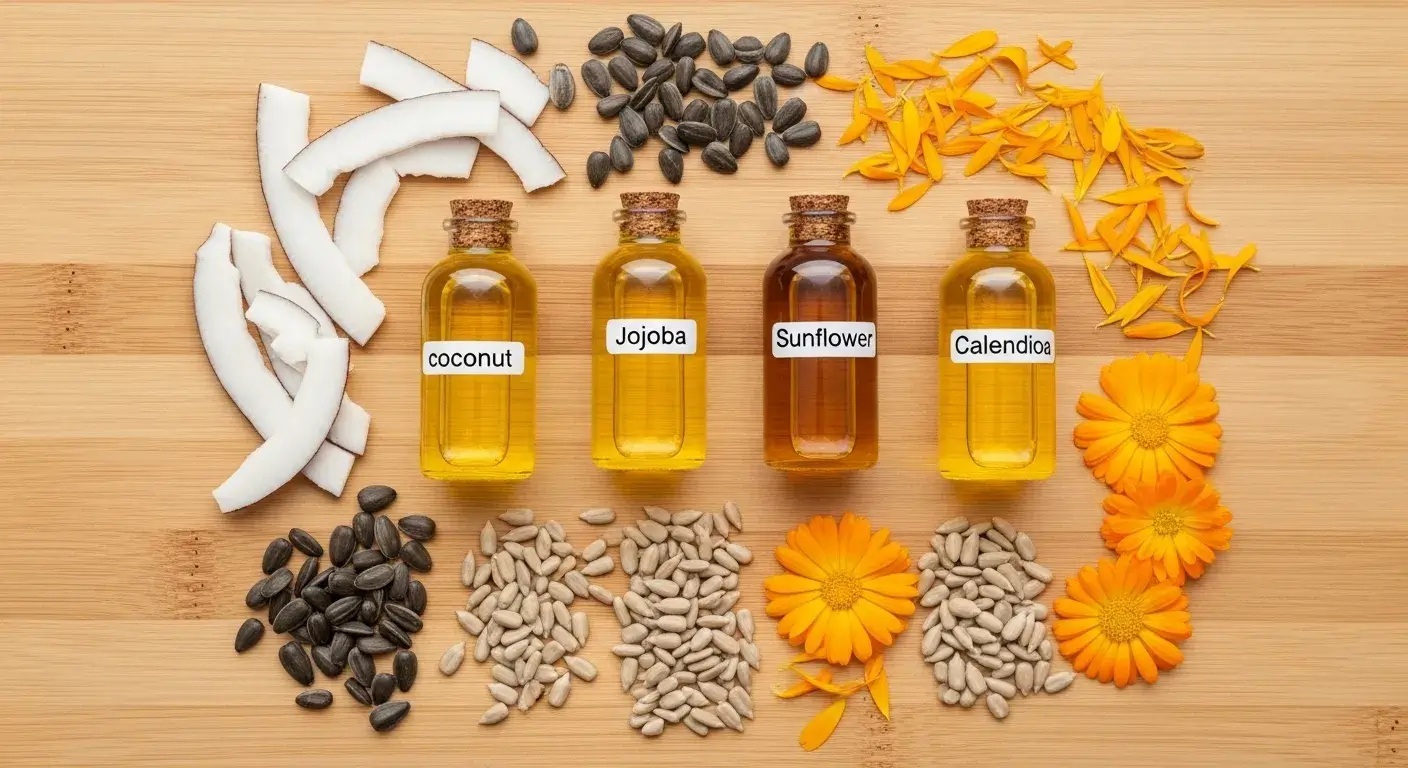
| Carrier Oil | Benefits for Baby Skin | Notes |
|---|---|---|
| Coconut (fractionated) | Moisturizing, antimicrobial, anti-rash | Light, non-greasy |
| Jojoba | Balances moisture, mimics skin sebum | Great for sensitive skin |
| Grapeseed | Light, absorbs fast, good for massage | Hypoallergenic2 |
| Sunflower | Supports skin barrier, vitamin-rich | Gentle and effective |
| Calendula-infused | Anti-inflammatory, calming | Soothes irritated skin |
| Sweet Almond | Softening, nourishing, vitamin E rich | Avoid if nut allergy is a concern |
These oils are gentle, non-toxic, and good for both skin and hair. Just make sure they’re cold-pressed and organic3 when possible.
How Do Carrier Oils Support Baby Skin Health and Hydration?
Baby skin loses moisture fast. Carrier oils help stop that.
Carrier oils provide fatty acids and vitamins that help baby skin hold moisture and build a strong barrier against dryness and irritation.

These oils act like a shield. They keep in water and block out irritants. Many are rich in:
- Vitamin E4: Supports skin repair
- Vitamin A & D: Help skin develop
- Essential Fatty Acids5: Maintain smoothness and flexibility
This is why regular gentle oil massage is common in many cultures—it supports healthy development and bonding.
How Can Carrier Oils Be Used Safely to Dilute Essential Oils for Baby Products?
Essential oils are strong. You need carrier oils to make them safe.
For babies over 3 months, essential oils must be diluted to 0.5%–2.5% in carrier oils. For newborns under 3 months, essential oils should be avoided.
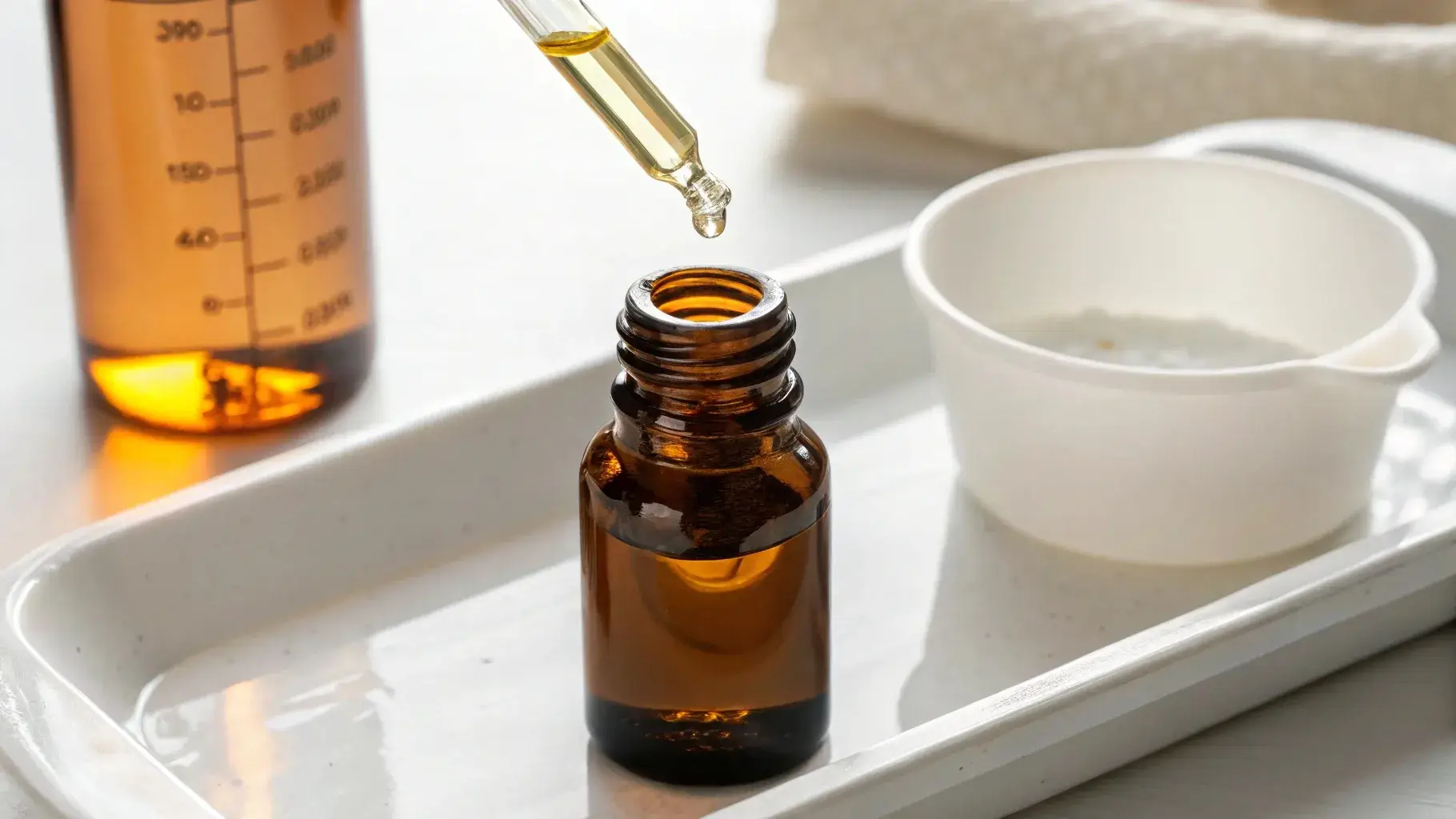
Here’s how to do it right:
| Baby Age | Dilution Rate | Essential Oil Drops per 30ml Carrier Oil |
|---|---|---|
| 0–3 months | Avoid EO | 0 |
| 3–12 months | 0.5%–1% | 3–6 drops |
| 12+ months | Up to 2.5% | 15 drops max |
Always patch test6 the final blend behind the ear or on the leg to check for irritation.
What Are the Best Carrier Oils for Baby Massage and Skin Moisturizing?
Massage does more than calm a baby—it strengthens skin and body.
Coconut, grapeseed, and calendula oils are favorites for baby massage because they’re smooth, non-sticky, and soak in well.
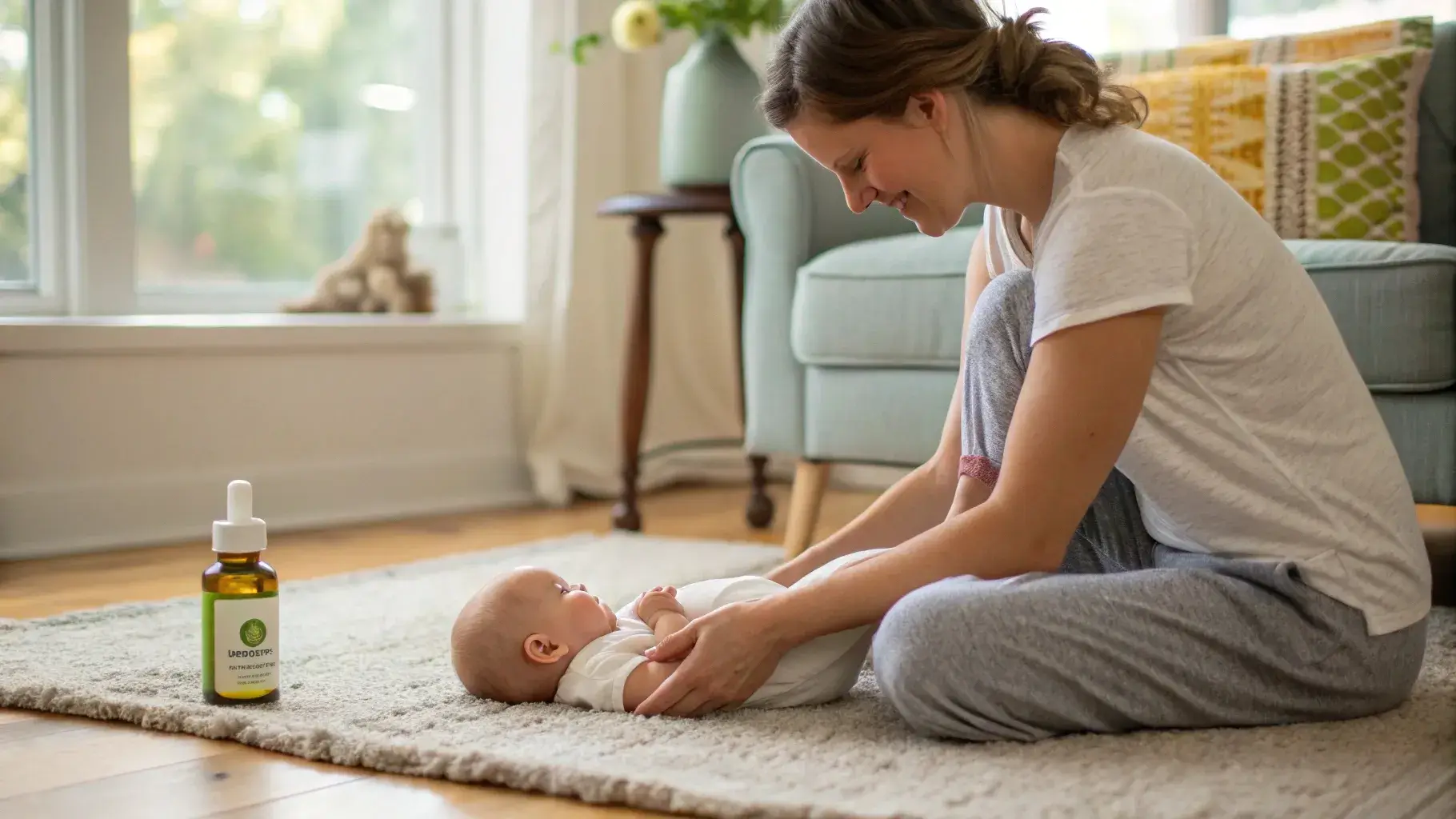
Baby massage oils should:
- Be lightweight and non-greasy
- Absorb easily
- Be fragrance-free7 or very mild
- Help skin retain moisture
Try a mix of 2 oils for extra softness. For example, jojoba + calendula is perfect for sensitive skin.
How Do Carrier Oils Help with Common Baby Skin Issues Like Diaper Rash or Cradle Cap?
Carrier oils aren’t just for moisture—they help treat mild skin problems too.
Coconut oil can soothe diaper rash. Jojoba and grapeseed oils loosen cradle cap. Calendula calms inflammation and redness.
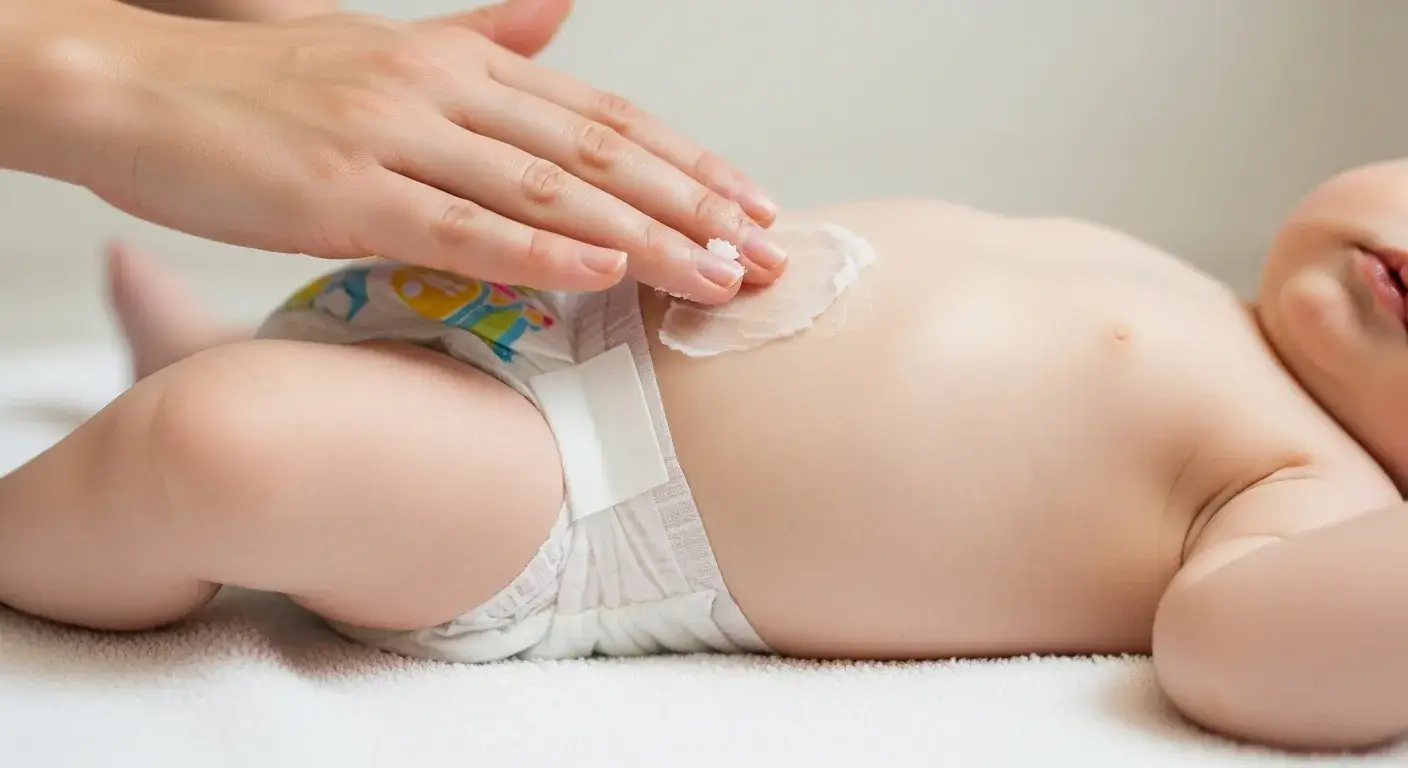
How to use:
- Diaper rash: Apply coconut oil to clean, dry skin.
- Cradle cap: Massage jojoba or grapeseed oil into scalp. Let sit, then comb gently.
- Redness or dryness: Use calendula oil after bath or before bed.
These oils help skin recover naturally and gently8, without harsh chemicals.
What Safety Precautions Should Parents Take When Using Carrier Oils on Babies?
Even natural products need careful use.
Always patch test new oils, avoid nut oils if allergy-prone, and use only cold-pressed, high-quality oils with babies.
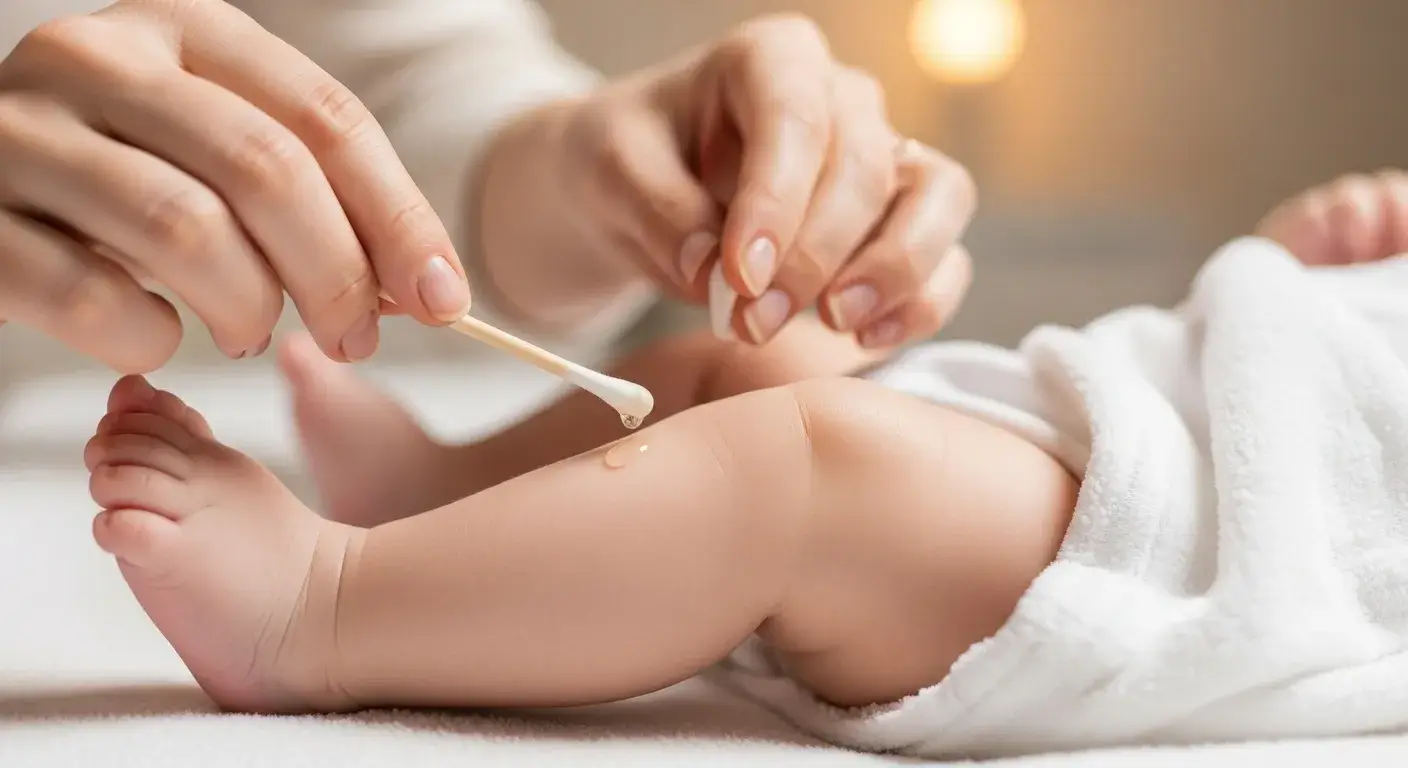
Tips:
- Use a few drops first. Wait 24 hours for reaction.
- Avoid oils with added fragrance or preservatives.
- Do not use oils with essential oils before 3 months.
- Avoid the eye area and broken skin.
- Consult your pediatrician9 if unsure about a new product
How Should Carrier Oils Be Stored to Maintain Their Quality and Safety?
Heat and light damage oils fast. Store them right to keep them safe.
Keep carrier oils in dark glass bottles, away from sunlight and heat. Use within 6–12 months after opening.
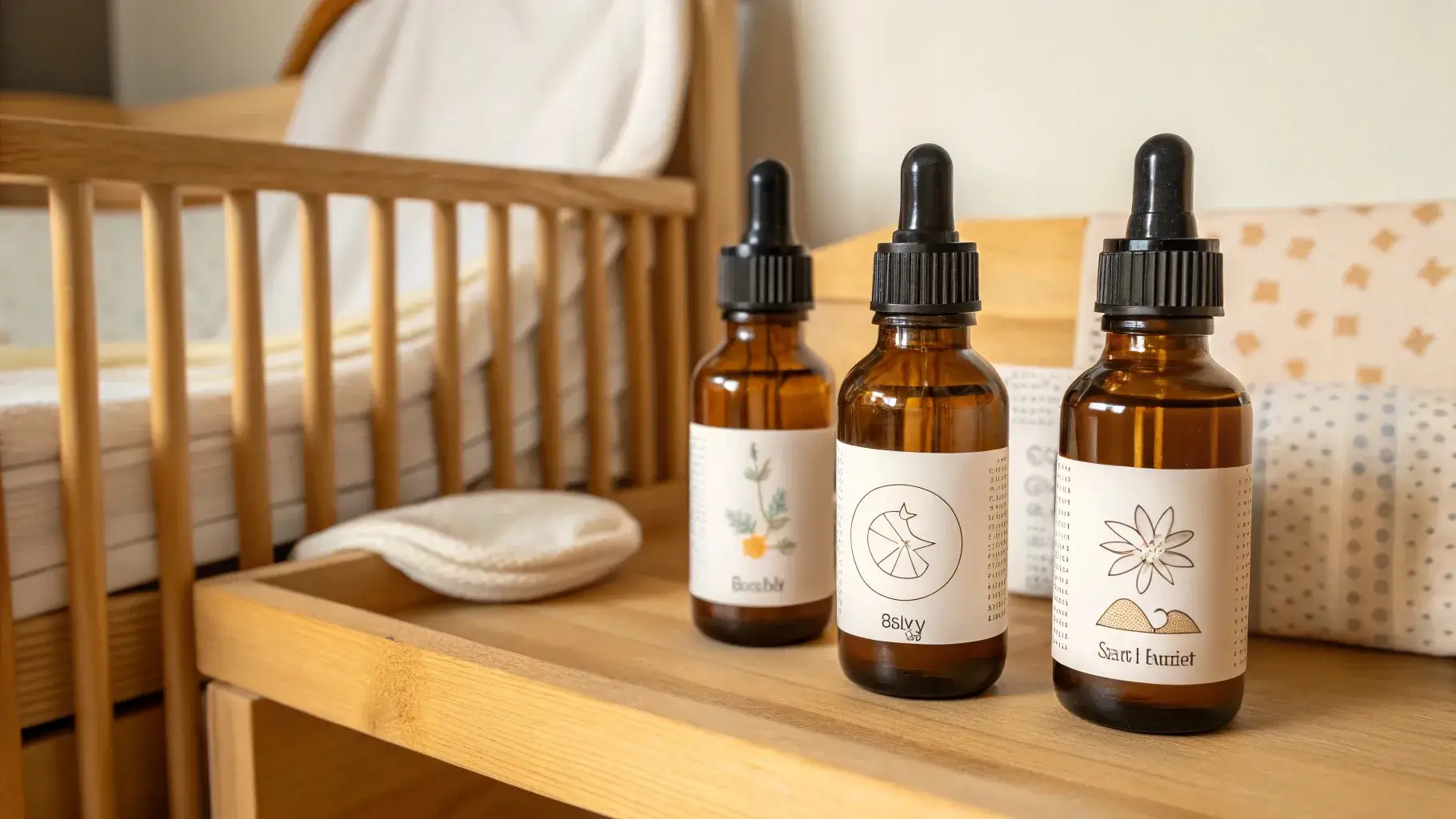
Proper storage10 checklist:
- Use amber or cobalt blue bottles
- Keep bottles sealed tightly
- Store in a drawer or cabinet
- Don’t refrigerate unless label says so
Old oil can smell bad or become sticky. Toss it if it changes color or scent.
Can Carrier Oils Be Used in Homemade Baby Care Products?
Yes! With simple ingredients and care, you can make safe baby products at home.
Carrier oils form the base of homemade baby creams, oils, and balms. Just use safe oils and avoid strong essential oils.
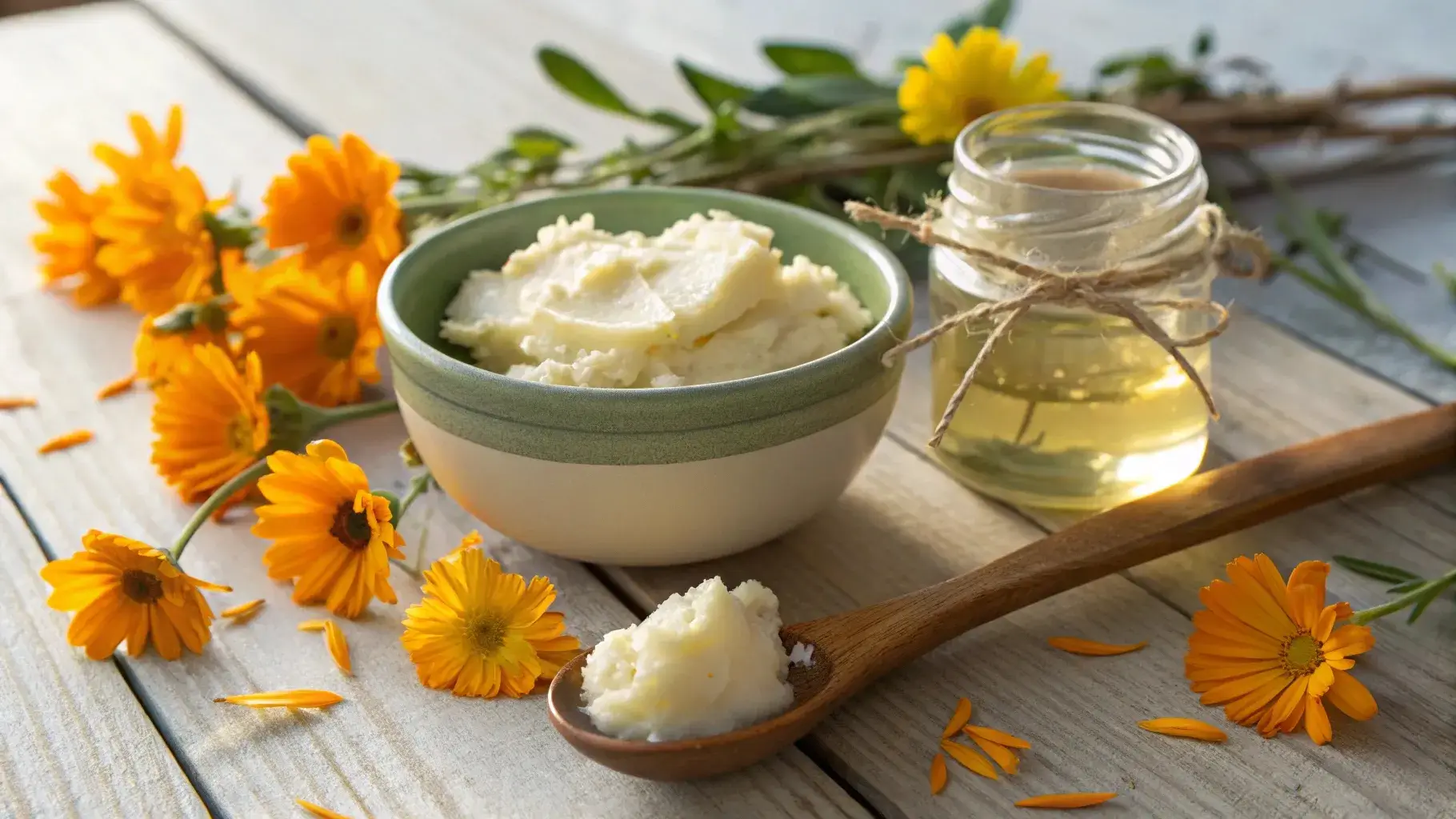
DIY ideas:
- Baby oil: 30ml grapeseed + 2 drops calendula extract
- Soothing balm: Melt shea butter + coconut oil + 1 tsp jojoba
- Massage oil: 30ml jojoba + 3 drops lavender (only if baby is over 3 months)
Use small batches and label each one with the date.
What Are the Latest Industry Trends and Scientific Insights on Carrier Oils in Baby Care?
Natural is trending—and research supports it.
Carrier oils are a top ingredient in the growing baby care market, supported by studies showing their skin barrier and moisturizing benefits.

Industry highlights:
- Demand for natural baby oils11 is growing ~8% annually
- Coconut and jojoba lead the market due to mildness
- Studies confirm improved hydration and reduced irritation in babies using plant oils
Parents now choose oils that work—and are backed by both tradition and science.
Conclusion
Carrier oils are gentle, effective, and natural. They protect baby skin, help with common issues, and make DIY baby care safe and simple—if you use them the right way.
FAQs
Q: What carrier oils are safe for babies?
A: Coconut (fractionated), jojoba, sunflower, grapeseed, calendula, and almond oils are safe—if cold-pressed and used correctly.
Q: Can I use carrier oils on newborns?
A: Yes, but avoid essential oils. Use only gentle, single-ingredient carrier oils and always patch test.
Q: How often should I use carrier oils on baby skin?
A: Daily or as needed—especially after baths or in dry weather.
Q: Can carrier oils help with diaper rash?
A: Yes. Coconut oil is soothing and antimicrobial. Apply to clean, dry skin.
Q: Are there carrier oils to avoid for babies?
A: Avoid nut oils if there’s a risk of allergy. Also skip heavily scented or refined oils.
Q: Do carrier oils expire?
A: Yes. Use within 6–12 months. Store in cool, dark places.
Q: Can I mix carrier oils together for my baby?
A: Yes. Blending oils like jojoba and calendula can enhance benefits.
Q: Can I use essential oils with carrier oils for babies?
A: Only for babies over 3 months, and at very low dilution (0.5%–1%). Always patch test.
Q: What’s the best oil for cradle cap?
A: Jojoba or grapeseed oil. Massage gently into the scalp and comb out flakes.
Q: Can I make homemade baby lotion with carrier oils?
A: Yes. Use simple recipes with 2–3 ingredients and store properly.
Footnotes:
-
Difference between carrier oils and essential oils in baby care ↩
-
Why grapeseed oil is hypoallergenic and suitable for babies ↩
-
Benefits of using cold-pressed, organic oils for baby skin ↩
-
Skin-repairing benefits of vitamin E in natural oils ↩
-
How essential fatty acids support baby skin hydration ↩
-
Steps to safely patch test oils on babies ↩
-
Why baby care oils should be fragrance-free or very mild ↩
-
Natural methods to manage common baby skin issues ↩
-
When to talk to a pediatrician before using oils ↩
-
Best practices for storing natural carrier oils ↩
-
Market trends showing growth in natural baby skincare products ↩