
Beard oil is more than just a grooming trend—used right, it nourishes skin, softens hair, and smells great.
But which essential oils are best?
The best essential oils for beard oil include tea tree, peppermint, cedarwood, rosemary, lavender, and bergamot. They soothe skin, promote growth, and add natural fragrance when properly diluted.
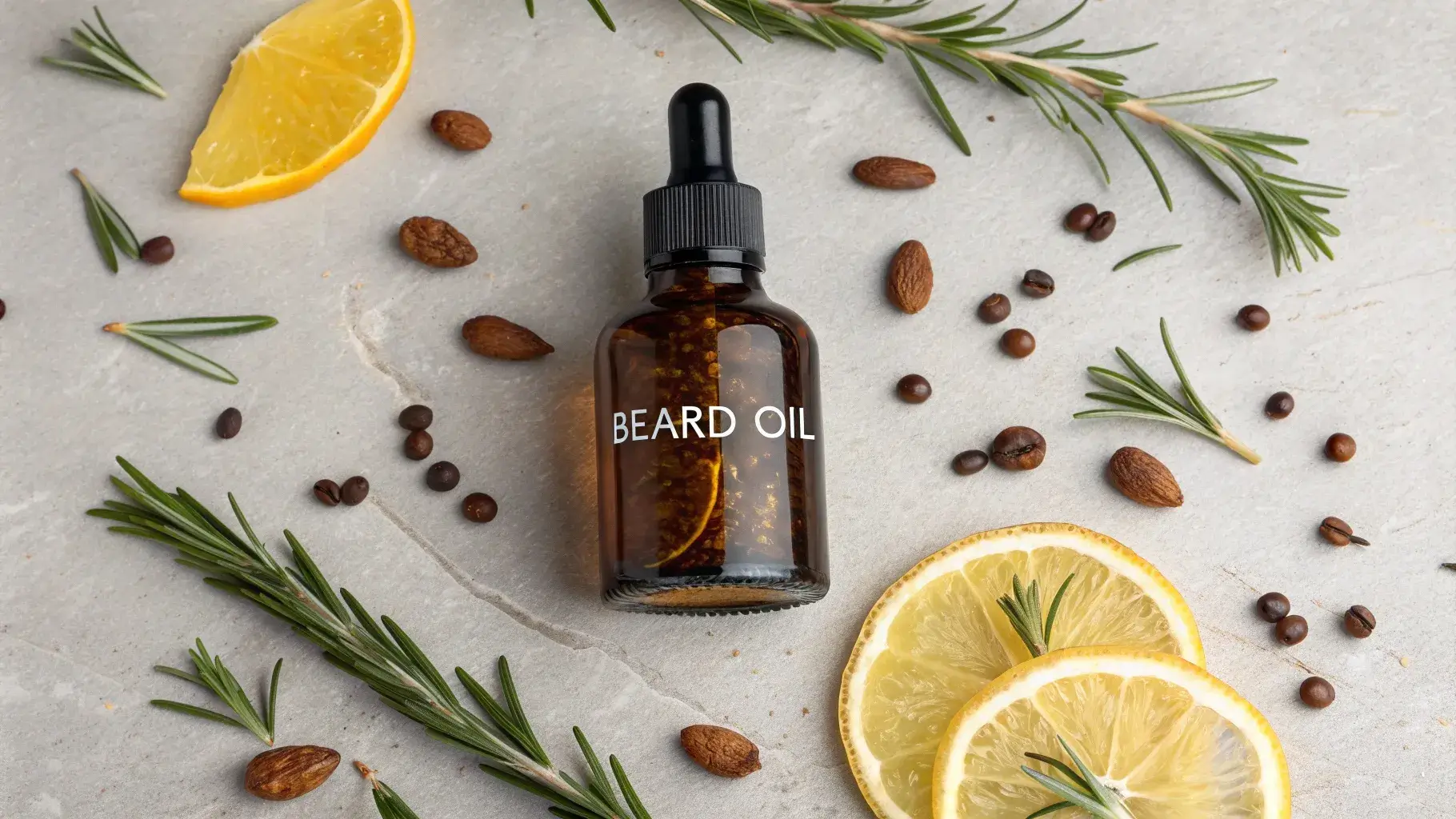
Beard oil only works if it’s made right.
That means using essential oils that do more than smell good.
This guide breaks down the top oils, why they work, and how to use them safely.
Why Are Essential Oils Important in Beard Oil Formulations?
They’re not just there for the scent—essential oils are active, potent, and effective.
Essential oils bring antibacterial, anti-itch, and soothing properties to beard oil, making them key to beard health and comfort.

Carrier oils do the heavy lifting in beard oil—but essential oils add the finishing touch1.
A few drops of the right essential oil can help with itch, flaking, breakouts, or irritation.
They also help cleanse the beard and leave behind a signature scent. Used correctly, they make your beard oil personal and powerful.
Which Essential Oils Offer the Best Benefits for Beard Growth and Thickness?
Want a fuller, thicker beard? A few essential oils can help.
Peppermint and rosemary essential oils may support healthy beard growth by increasing circulation and stimulating hair follicles.
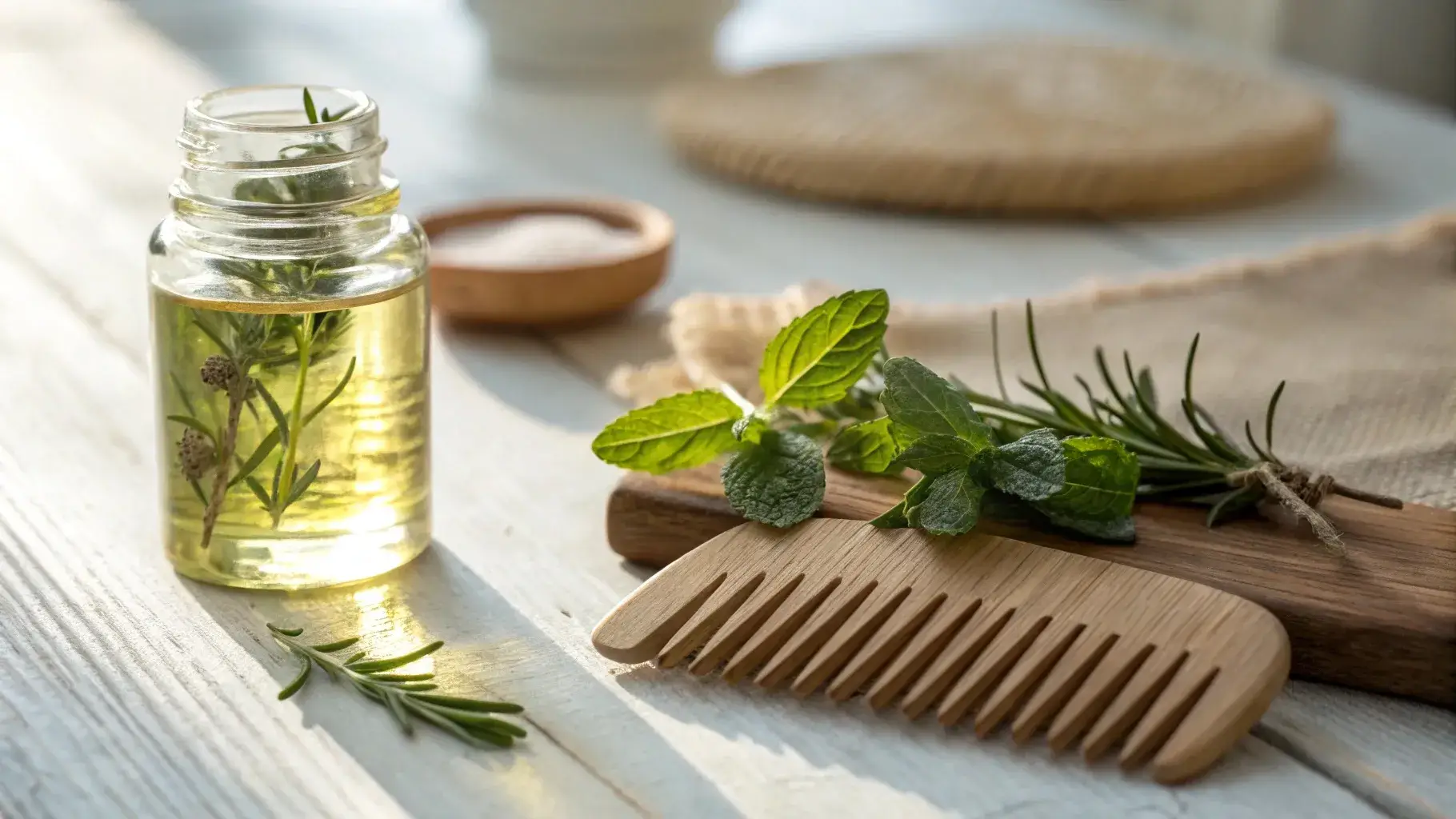
These oils don’t make hair grow overnight—but they support a healthy environment for growth2. Here are a few top picks:
- Peppermint oil: Boosts circulation to hair roots.
- Rosemary oil: May support thicker, stronger strands.
- Cedarwood oil: Balances oil levels, great for scalp or facial hair.
Use them regularly in a well-diluted blend, and you may see better growth over time.
What Essential Oils Are Best for Soothing Beard Itch and Skin Irritation?
Itchy beard? The problem is usually dry or inflamed skin underneath.
Tea tree oil and clove oil are great for calming beard itch and reducing irritation thanks to their anti-inflammatory properties.
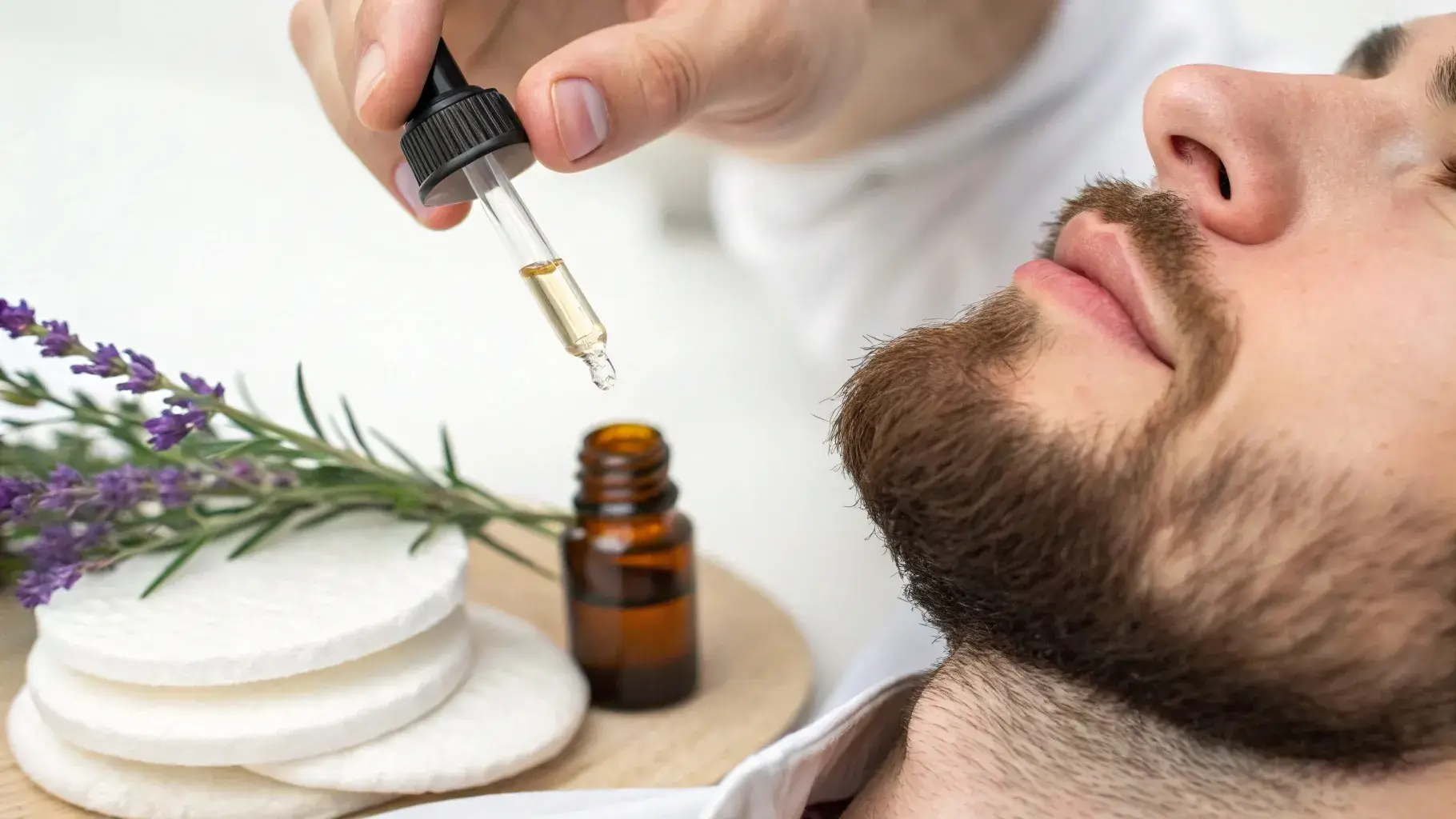
Here’s what works:
- Tea tree oil: Antibacterial and calming3, reduces flakes.
- Clove oil: Soothes itchy, irritated skin.
- Lavender oil: Gentle and calming, great for sensitive skin.
I once had a patchy, itchy beard until I added a drop of tea tree oil to my blend. Within a few days, the flakes were gone.
How Can Essential Oils Help Keep Your Beard Clean and Healthy?
A clean beard is a healthy beard—and essential oils help keep it that way.
Essential oils like tea tree and eucalyptus kill bacteria and reduce buildup, helping you avoid beard acne and odor.
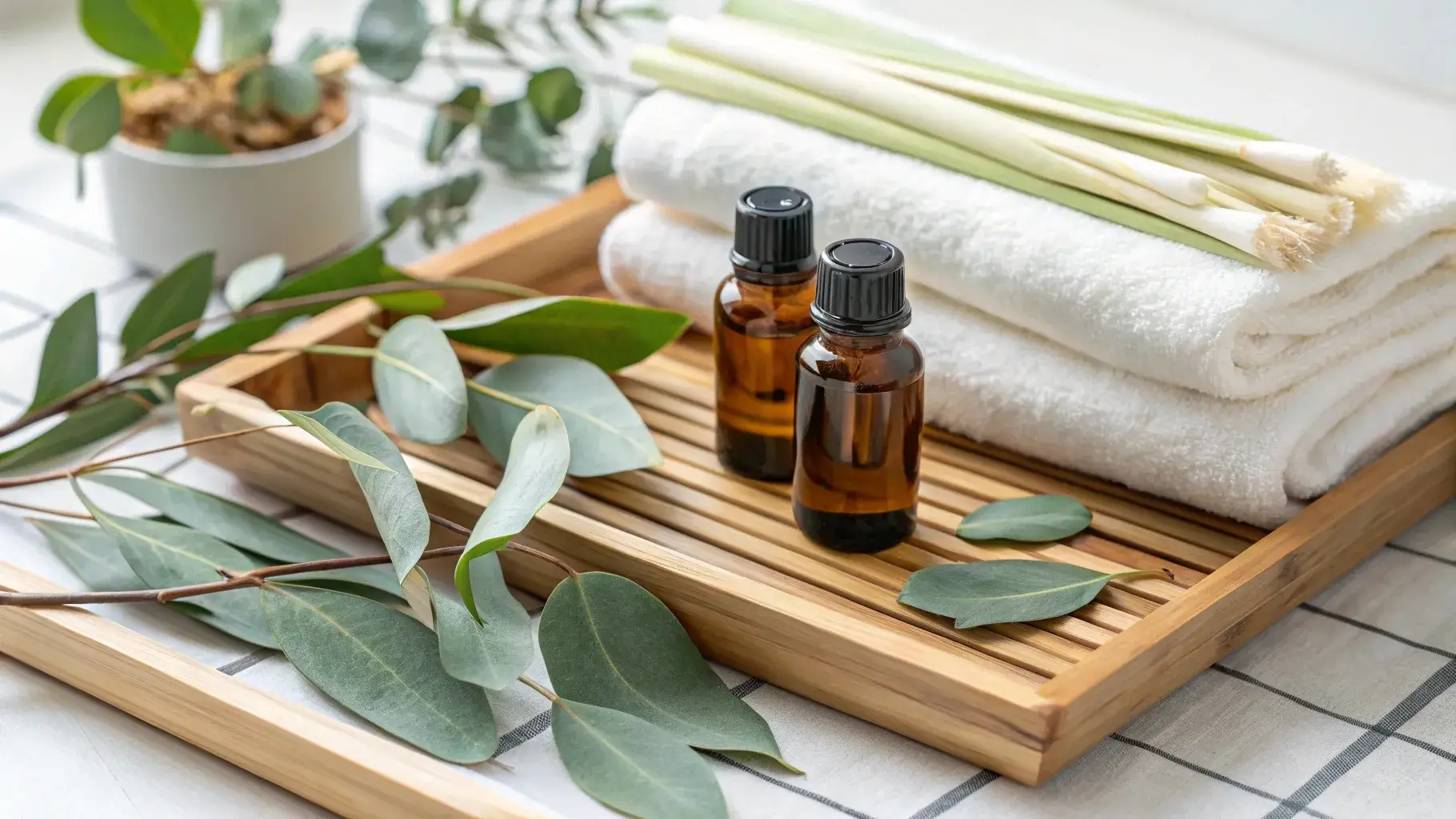
Beards trap sweat and dirt. Here are the top oils for cleansing facial hair4:
- Tea tree: Fights bacteria and yeast.
- Eucalyptus: Clears clogged pores.
- Lemongrass: Adds a clean, fresh scent and mild astringent effect.
Use these in moderation—always diluted—and your beard will stay cleaner and fresher longer.
Which Essential Oils Provide Desirable Scents for Beard Oil?
Smell matters. The right scent can boost confidence and make your oil stand out.
Cedarwood, bergamot, sandalwood, and lavender offer great scent options—from earthy to fresh to calming.
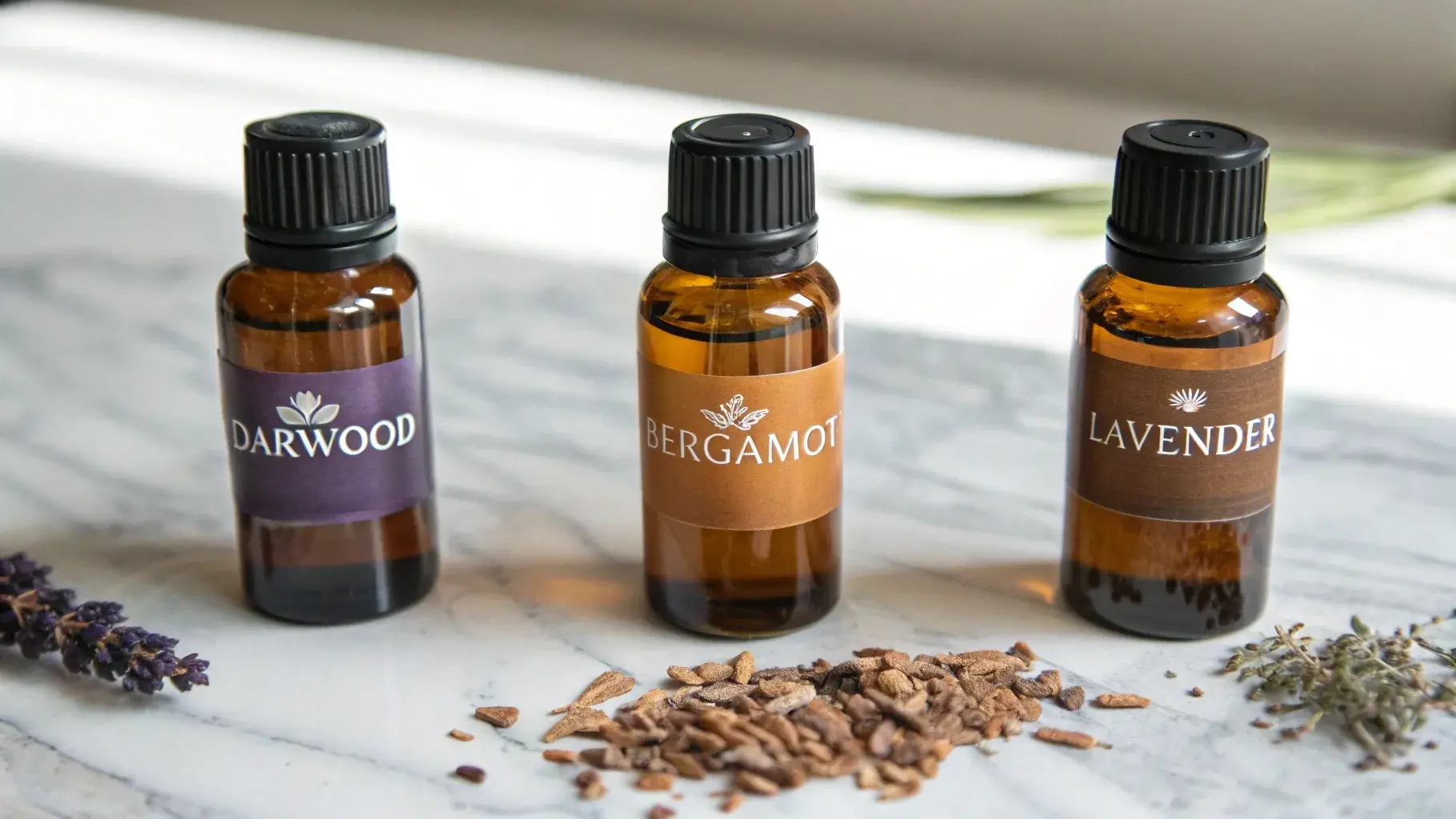
Scent is personal. Try one of these profiles5:
| Scent Profile | Recommended Oils |
|---|---|
| Woodsy | Cedarwood, sandalwood |
| Citrus | Bergamot (furocoumarin-free), orange |
| Fresh | Peppermint, eucalyptus |
| Floral | Lavender, geranium |
Try mixing 2–3 oils for a complex, natural scent that’s unique to your beard oil.
How Do You Safely Dilute Essential Oils for Beard Oil?
Even the best oil will irritate if it’s not diluted properly.
For beard oil, essential oils should be diluted to 0.5%–2% of the total blend. That’s about 3–12 drops per 30ml (1oz) of carrier oil.
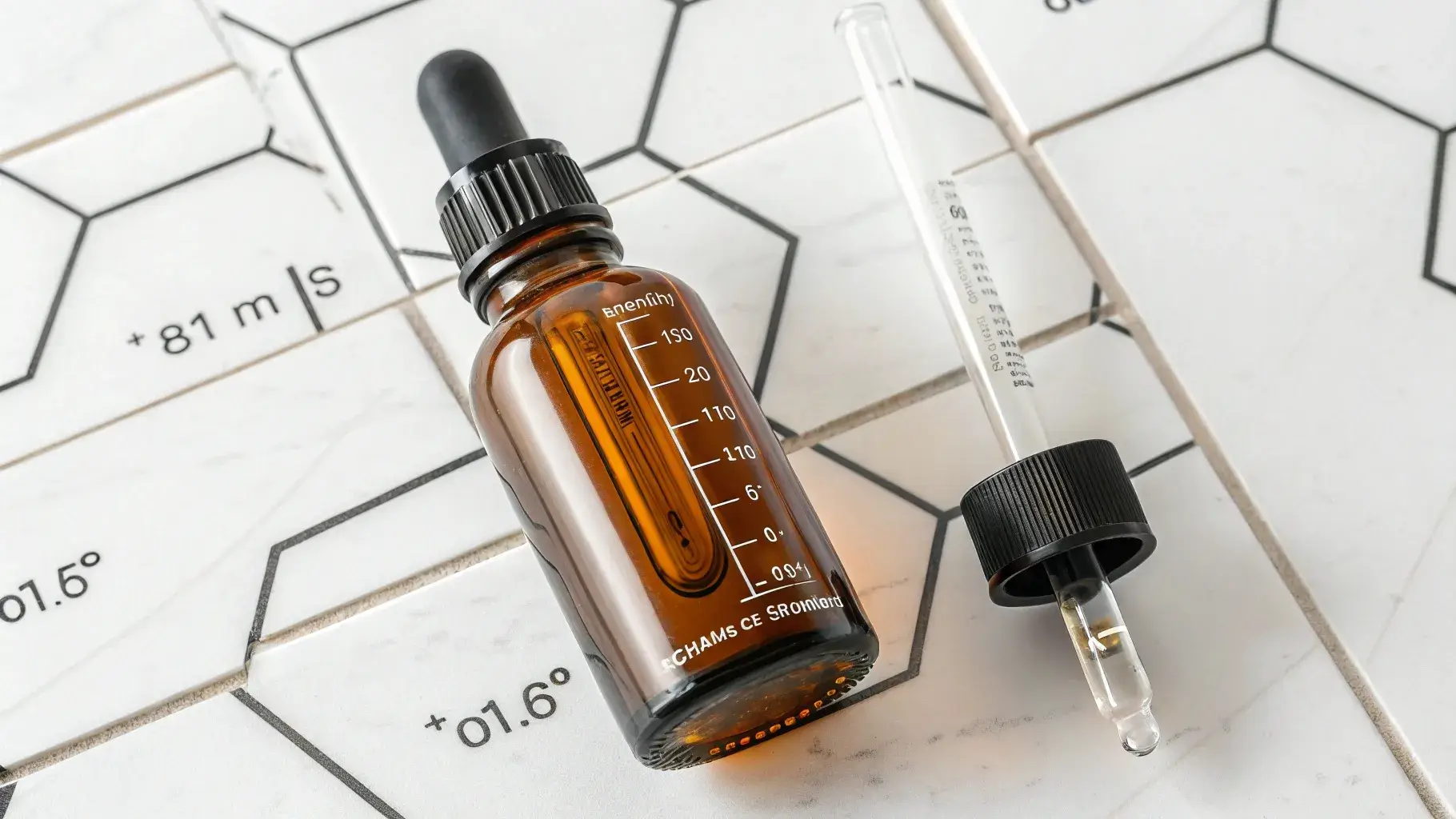
Beard oil sits on your face—so keep it gentle6. Here’s a guide:
| Strength | Dilution % | Drops per 30ml Carrier Oil |
|---|---|---|
| Mild (daily use) | 0.5% | 3 drops |
| Medium | 1% | 6 drops |
| Strong (short term) | 2% | 12 drops |
Never apply essential oils directly to your skin or beard. Dilution keeps your face safe and your beard happy.
What Are the Best Carrier Oils to Pair with Essential Oils for Beard Oil?
Carrier oils do most of the moisturizing—choose one that suits your skin and beard.
Jojoba and argan oils are top choices for beard oil because they hydrate the skin and soften hair without clogging pores.
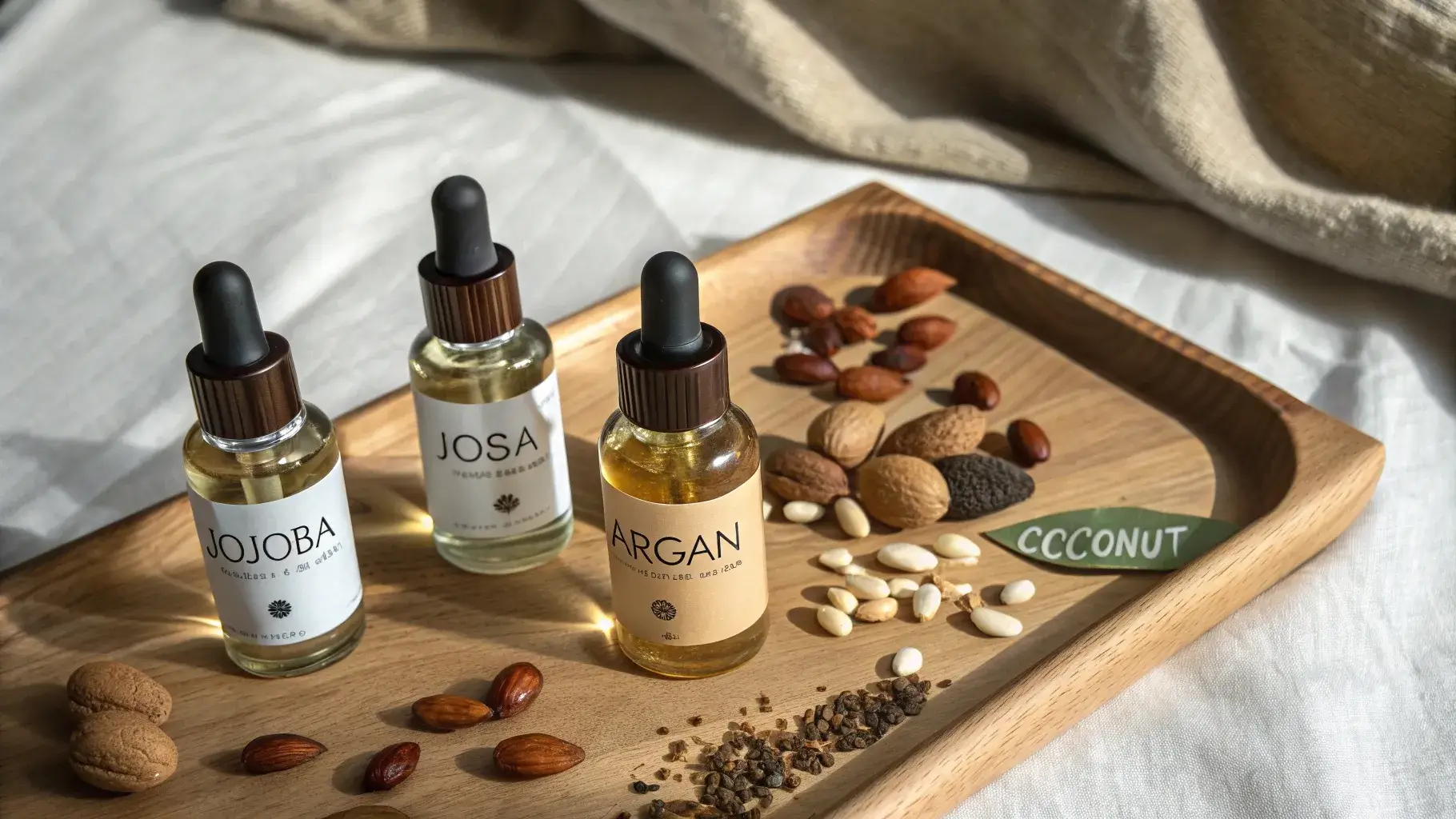
Here’s a comparison:
| Carrier Oil | Best For | Why It Works |
|---|---|---|
| Jojoba | All skin types | Mimics sebum, non-greasy, long shelf life |
| Argan | Dry, irritated skin | Rich in vitamin E7, adds shine |
| Fractionated Coconut | Lightweight hydration | Absorbs fast, stable |
| Sweet Almond | Normal to dry skin | Smooth, vitamin-rich |
| Castor | Thick beards, growth focus | Heavy, supports strong hair |
I like to blend jojoba with a bit of castor oil for thickness and strength—without the greasy feel.
Are There Any Essential Oils to Avoid in Beard Oil?
Not all oils are beard-friendly. Some can burn or cause photosensitivity.
Avoid oils like cinnamon bark, clove (in high doses), and expressed citrus oils like bergamot unless labeled furocoumarin-free.
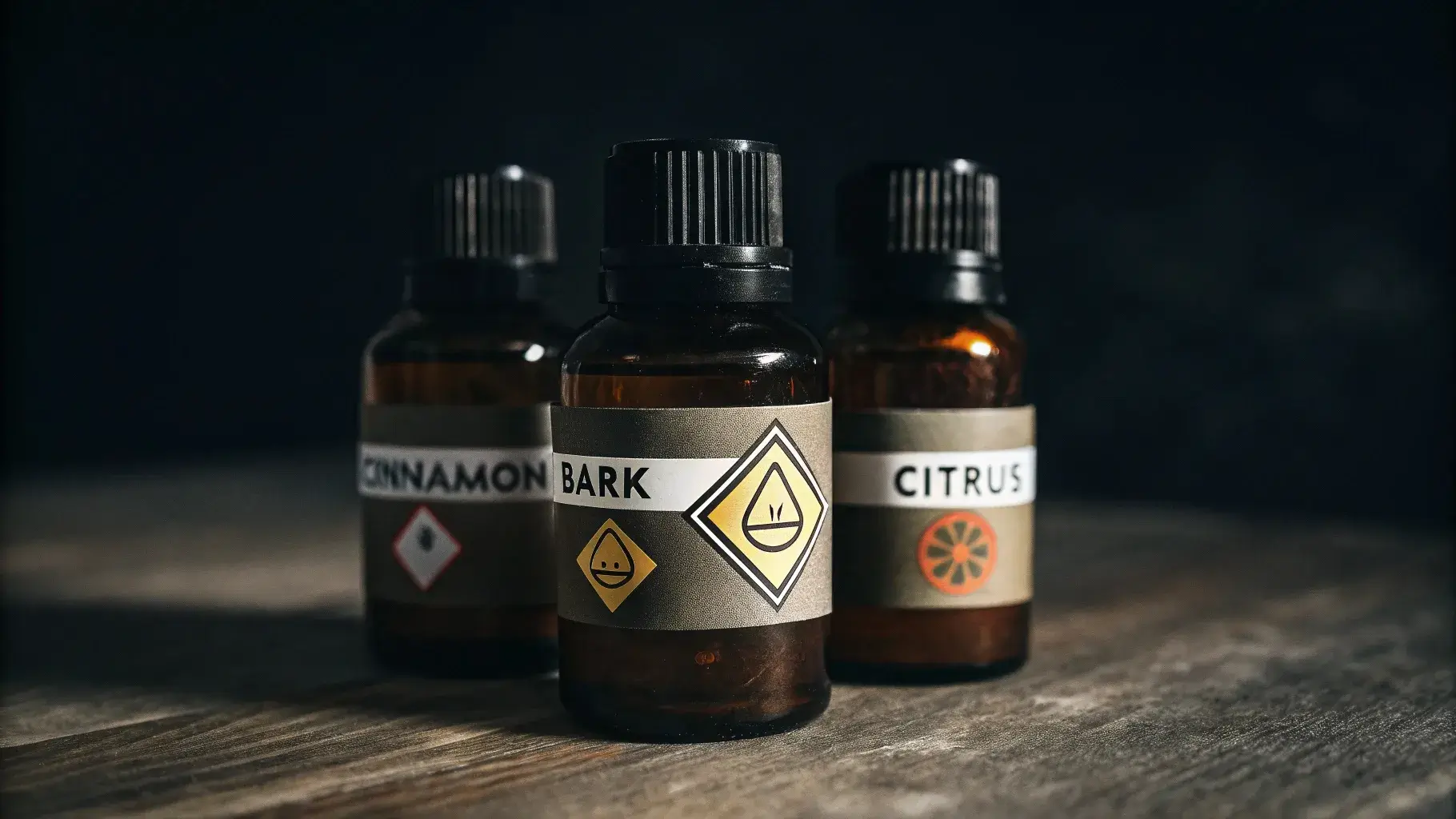
Here’s a caution list of risky oils8:
- Cinnamon bark: Strong sensitizer, causes burns even in small amounts.
- Unrefined bergamot: Can cause burns in sunlight (phototoxic).
- Clove oil: Great in small doses, but irritating in large amounts.
Always read labels and stick to recommended dilution levels.
How Can You Customize Your Beard Oil Blend with Essential Oils?
This is where it gets fun—mixing oils to match your mood, your beard, and your goals.
You can mix essential oils based on their benefits and scent to create a blend that’s uniquely yours—just keep the total dilution under 2%.

Try these sample beard oil recipes9:
For growth
- 4 drops peppermint
- 4 drops rosemary
- 2 drops cedarwood
For soothing skin
- 5 drops tea tree
- 3 drops lavender
- 2 drops clove
For great scent
- 4 drops sandalwood
- 3 drops bergamot (furo-free)
- 3 drops cedarwood
Mix these with 30ml of carrier oil for a balanced, skin-safe beard oil.
What Are the Key Considerations for Storing Homemade Beard Oil with Essential Oils?
You made the perfect blend—don’t let it spoil.
Store beard oil in dark glass bottles, away from sunlight and heat. This preserves both the essential and carrier oils.
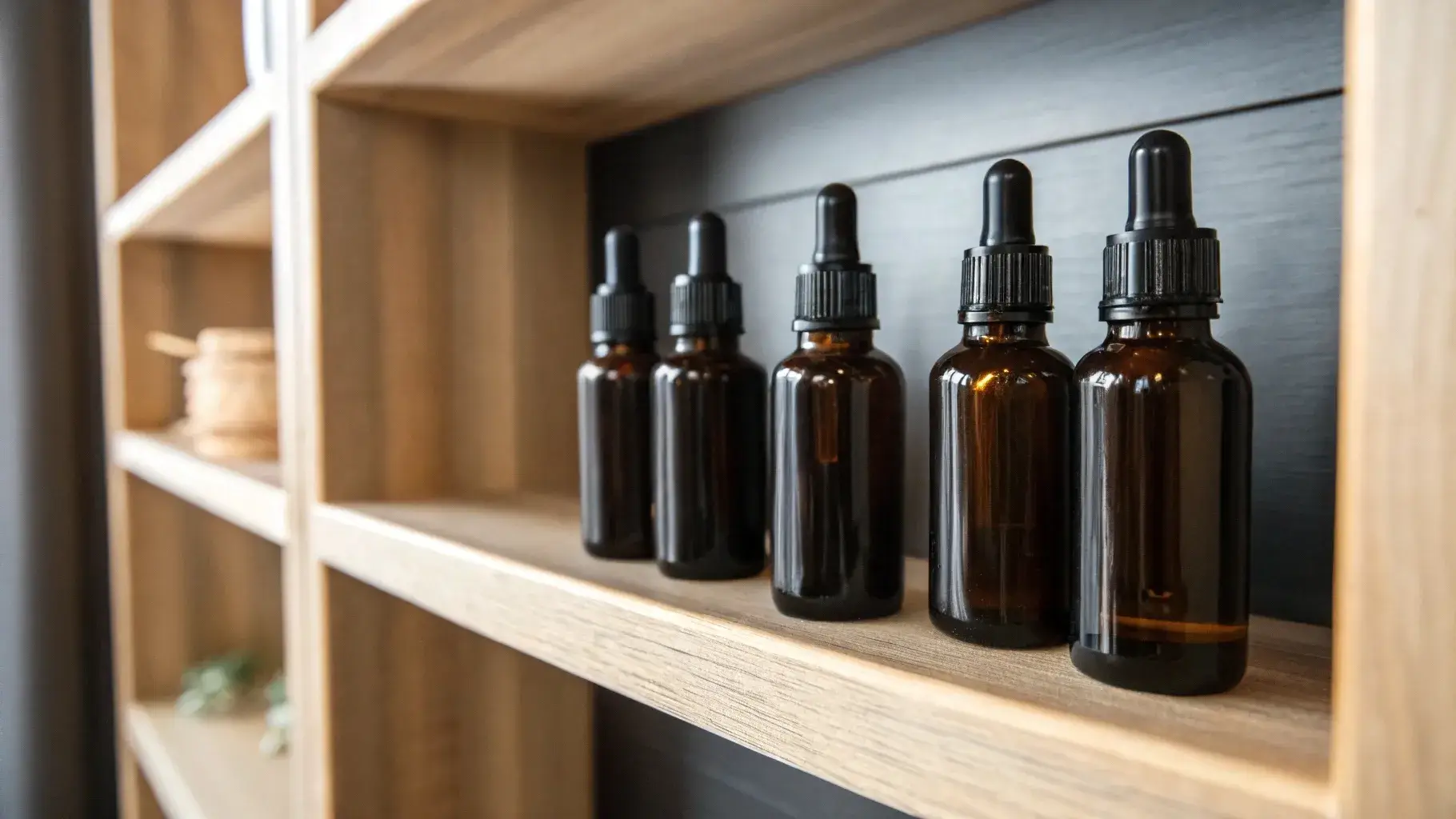
Storage tips for natural oils10:
- Use amber or cobalt blue bottles.
- Keep caps tightly sealed.
- Store in a drawer or cabinet—never on a sunny windowsill.
- Use within 6–12 months.
Some oils like jojoba last longer than others. If your oil smells sharp or sour, toss it.
Conclusion
Essential oils make beard oil better—if you use them right. Choose oils that match your skin needs and scent preferences, dilute them safely, and enjoy the results.
FAQs
Q: What essential oils are good for beard growth?
A: Peppermint, rosemary, and cedarwood support circulation and a healthy environment for growth.
Q: What essential oils help beard itch?
A: Tea tree, clove (low dose), and lavender calm itchy skin under the beard.
Q: How many drops of essential oil go into beard oil?
A: For 30ml (1oz) of beard oil, use 3–12 drops depending on dilution (0.5%–2%).
Q: Can I use essential oils alone on my beard?
A: No, always dilute in a carrier oil to prevent skin irritation.
Q: What’s the best carrier oil for beard oil?
A: Jojoba oil is the most balanced and beard-friendly choice for most users.
Q: Can I use beard oil every day?
A: Yes, daily use is safe with proper dilution and skin-friendly ingredients.
Q: Are essential oils bad for sensitive skin?
A: Not if diluted well. Use gentle oils like lavender or avoid strong oils like cinnamon.
Q: Do essential oils in beard oil expire?
A: Yes, especially citrus oils. Store blends properly and use within 6–12 months.
Q: Can essential oils lighten or darken beard hair?
A: Most don’t. Some citrus oils can cause pigmentation changes if exposed to sunlight.
Q: Should I patch test beard oil?
A: Always. Test behind the ear or on the jawline before regular use.
Footnotes:
-
How essential oils enhance beard oil beyond fragrance ↩
-
Oils that support healthy beard growth by improving circulation ↩
-
Tea tree oil’s antibacterial and soothing properties for facial skin ↩
-
Best essential oils for cleaning and refreshing beard hair ↩
-
Scent categories and essential oils to match them ↩
-
Recommended dilution rates to safely use essential oils in beard oil ↩
-
Skin benefits of vitamin E in carrier oils like argan ↩
-
Essential oils to avoid in beard oil due to irritation or photosensitivity ↩
-
Sample essential oil blends for beard care and scent ↩
-
How to properly store beard oil to preserve freshness and effectiveness ↩