
Essential oils are powerful—but without carrier oils, they’re too strong for massage.
Let’s fix that with some simple, safe know-how.
Yes, carrier oils are essential in aromatherapy massage. They dilute essential oils, protect the skin, help absorption, and add their own moisturizing and therapeutic benefits.
Aromatherapy massage isn’t just about scent.
It’s about touch, connection, and safe, effective ingredients. Carrier oils are more than a base—they shape the whole experience. Here’s how.
What Are Carrier Oils and Why Are They Essential in Aromatherapy Massage?
They may seem simple—but these base oils do a lot more than you think.
Carrier oils are plant-based oils used to safely dilute essential oils and create a smooth, nourishing base for massage.
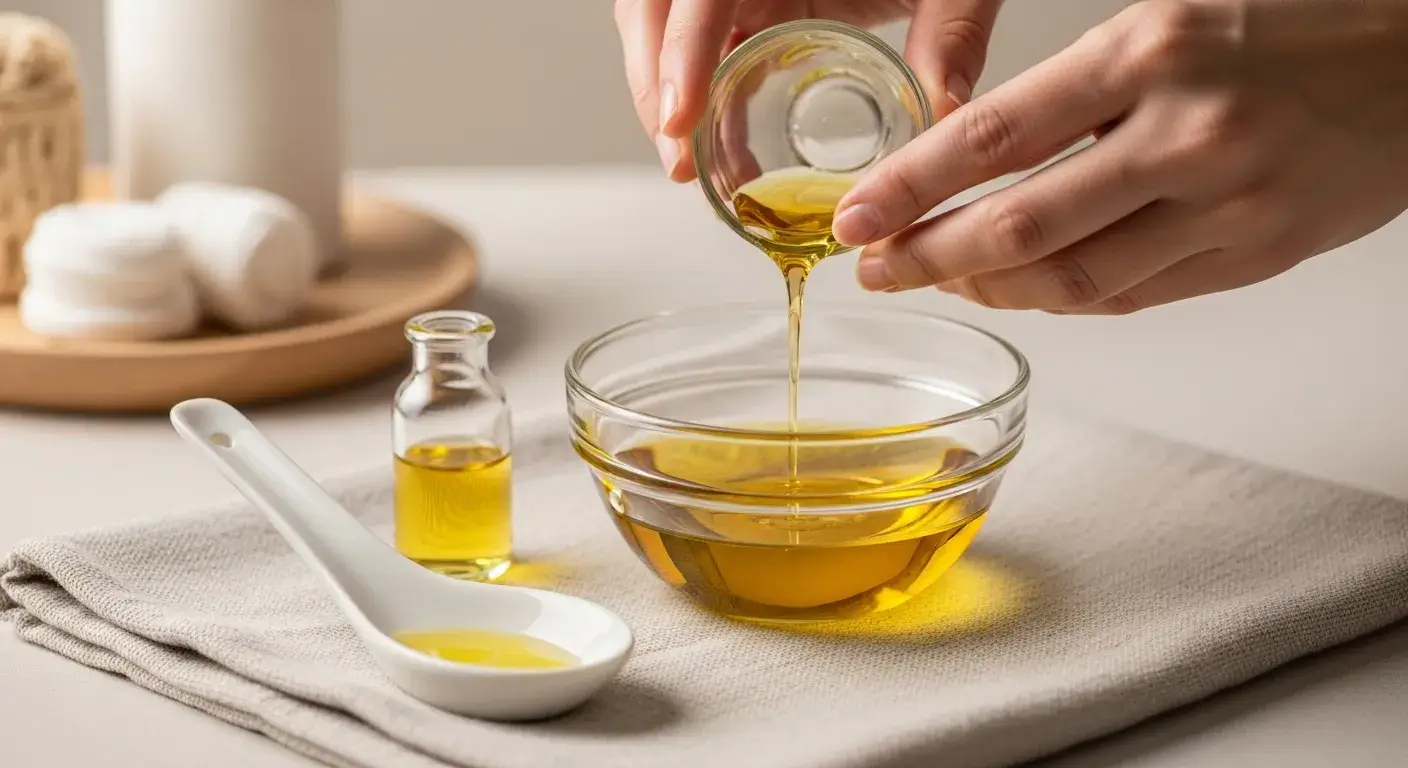
Carrier oils like jojoba, almond, and coconut1 come from seeds, nuts, or fruits.
They’re rich in nutrients like vitamin E and fatty acids. When used in massage, they give glide, moisturize the skin, and protect it from irritation.
Essential oils alone evaporate fast and can sting. Carrier oils slow things down, making massage feel good—and safe.
How Do Carrier Oils Enhance the Effectiveness of Essential Oils in Massage?
The scent is just one part. The real magic is in how it all comes together.
Carrier oils help essential oils soak into the skin more evenly and slowly. This helps keep their therapeutic effects lasting longer.
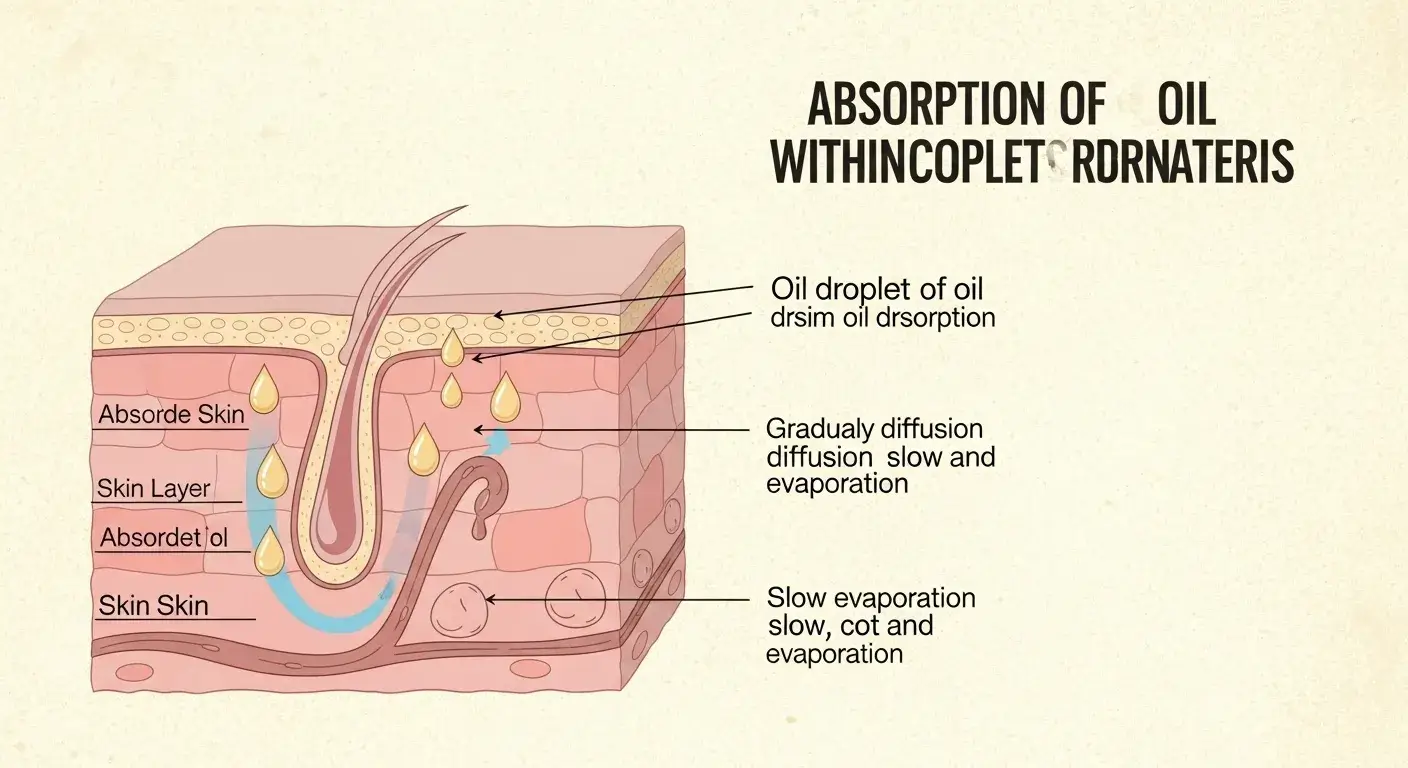
Essential oils are volatile2—they evaporate fast. But when mixed with carrier oils, they stick around.
This slows evaporation and improves absorption. It also helps spread the oil evenly.
That way, you don’t get too much in one spot, which can burn or irritate.
Carrier oils also help deliver the oils deeper into the skin, so you get more benefit with less risk.
Which Carrier Oils Are Best Suited for Aromatherapy Massage?
Not all oils feel the same. Some are light, others rich. Choose what fits the moment.
Jojoba, sweet almond, fractionated coconut, and grapeseed oils are top choices for massage because they’re smooth, skin-friendly, and absorb well.
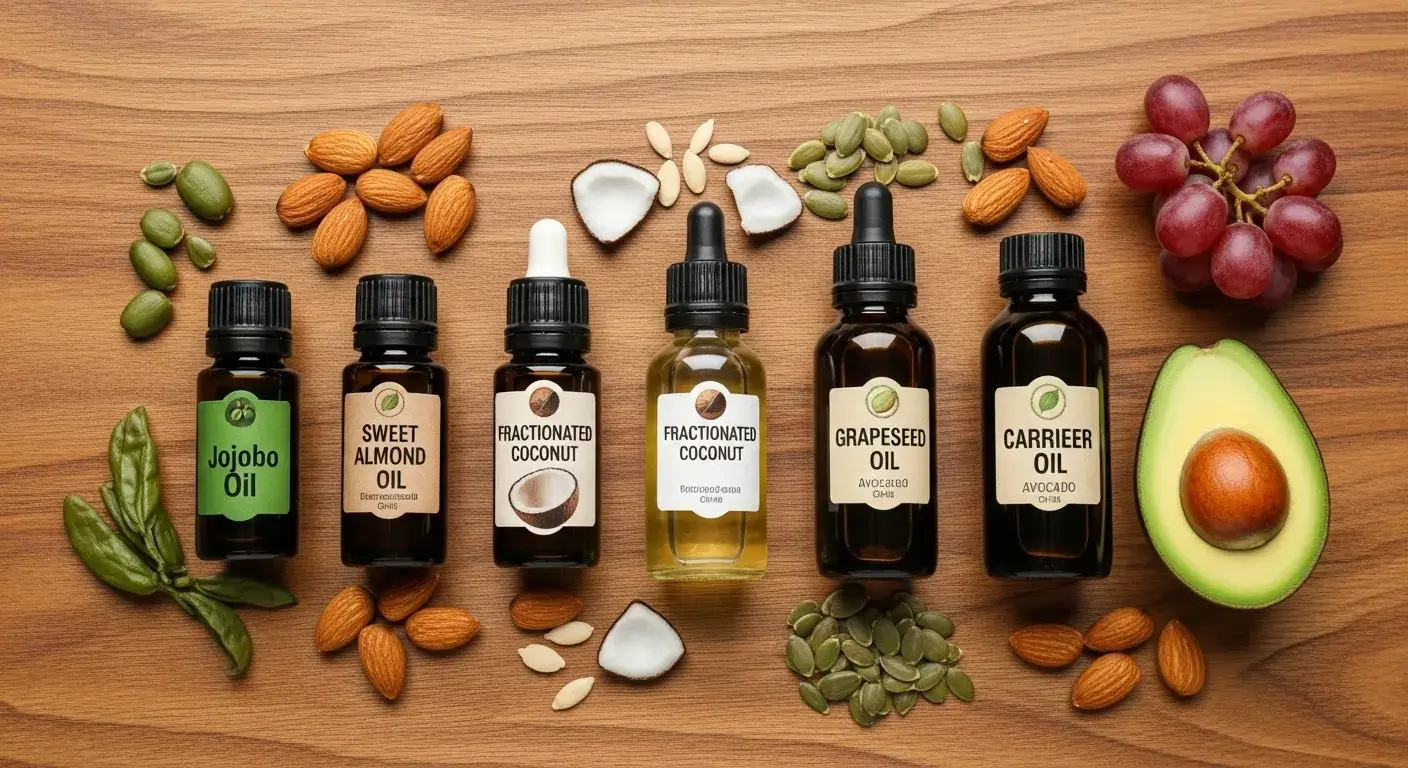
| Carrier Oil | Feel on Skin | Key Benefit |
|---|---|---|
| Jojoba | Light, silky | Mimics skin’s own oil |
| Sweet Almond | Smooth, rich | Softens and nourishes |
| Fractionated Coconut | Light, non-greasy | Long shelf life, absorbs well |
| Grapeseed | Fast-absorbing | Great for oily or sensitive skin |
| Avocado | Thick, rich | Deep hydration for dry skin |
For relaxing massage, I often use almond or coconut. For facial work, I prefer jojoba because it’s lighter and absorbs fast.
How Do You Safely Dilute Essential Oils with Carrier Oils for Massage?
A few drops can do a lot—but only if they’re safely diluted.
Use 1.5–3% essential oil concentration for massage. That’s about 9–18 drops per 30ml of carrier oil for adults.
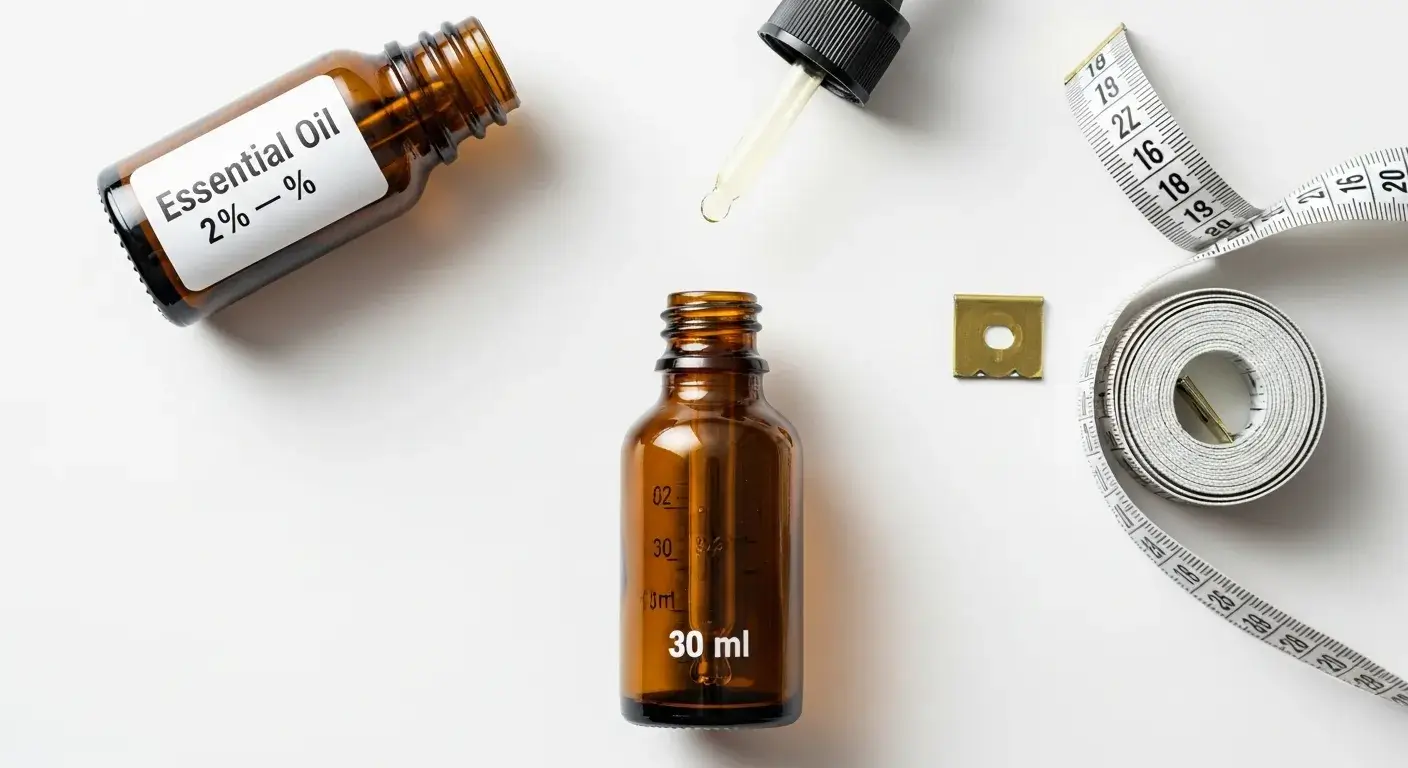
Here’s a quick guide:
| Massage Area | Recommended Dilution | Drops per 30ml Carrier Oil |
|---|---|---|
| Full Body Massage | 1.5–3% | 9–18 drops |
| Facial Massage | 0.2–1.5% | 1–9 drops |
| Sensitive Clients | 0.5–1% | 3–6 drops |
Always patch test3 a new blend. If in doubt, start with fewer drops.
What Are the Therapeutic Benefits of Using Carrier Oils in Aromatherapy Massage?
They do more than dilute. These oils heal, hydrate, and nourish too.
Carrier oils soothe dry skin, reduce friction during massage, and support the skin’s natural barrier—all while helping essential oils do their job.
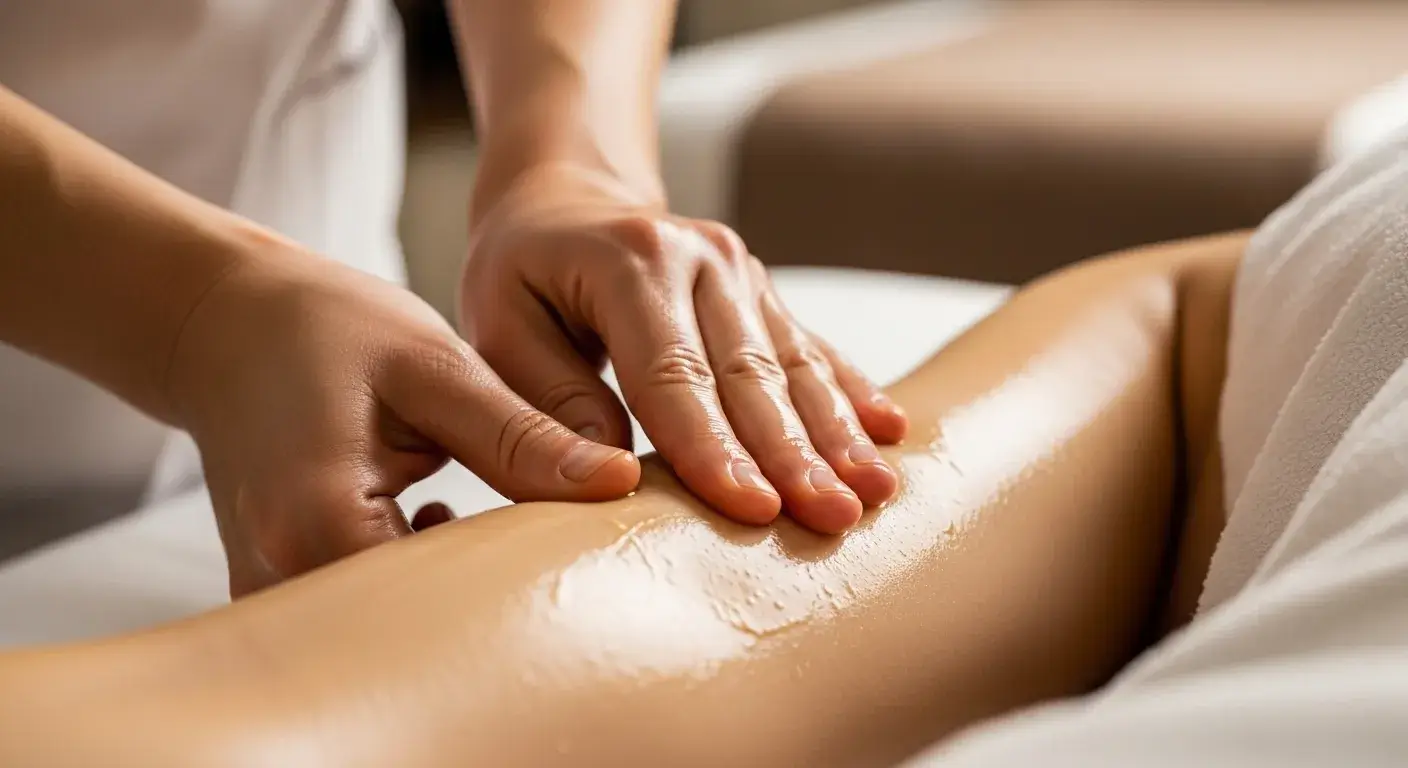
They contain skin-loving nutrients:
- Vitamin E4 fights free radicals.
- Essential fatty acids5 help repair skin.
- Antioxidants6 calm inflammation.
Some carrier oils like avocado or rosehip even add anti-aging or healing benefits of their own.
How Does the Choice of Carrier Oil Affect Skin Absorption and Massage Experience?
It’s not just about scent—it’s about how it feels and acts on skin.
Light oils absorb quickly, leaving little residue. Rich oils stay longer, giving deep moisturization. Pick based on skin type and massage style.
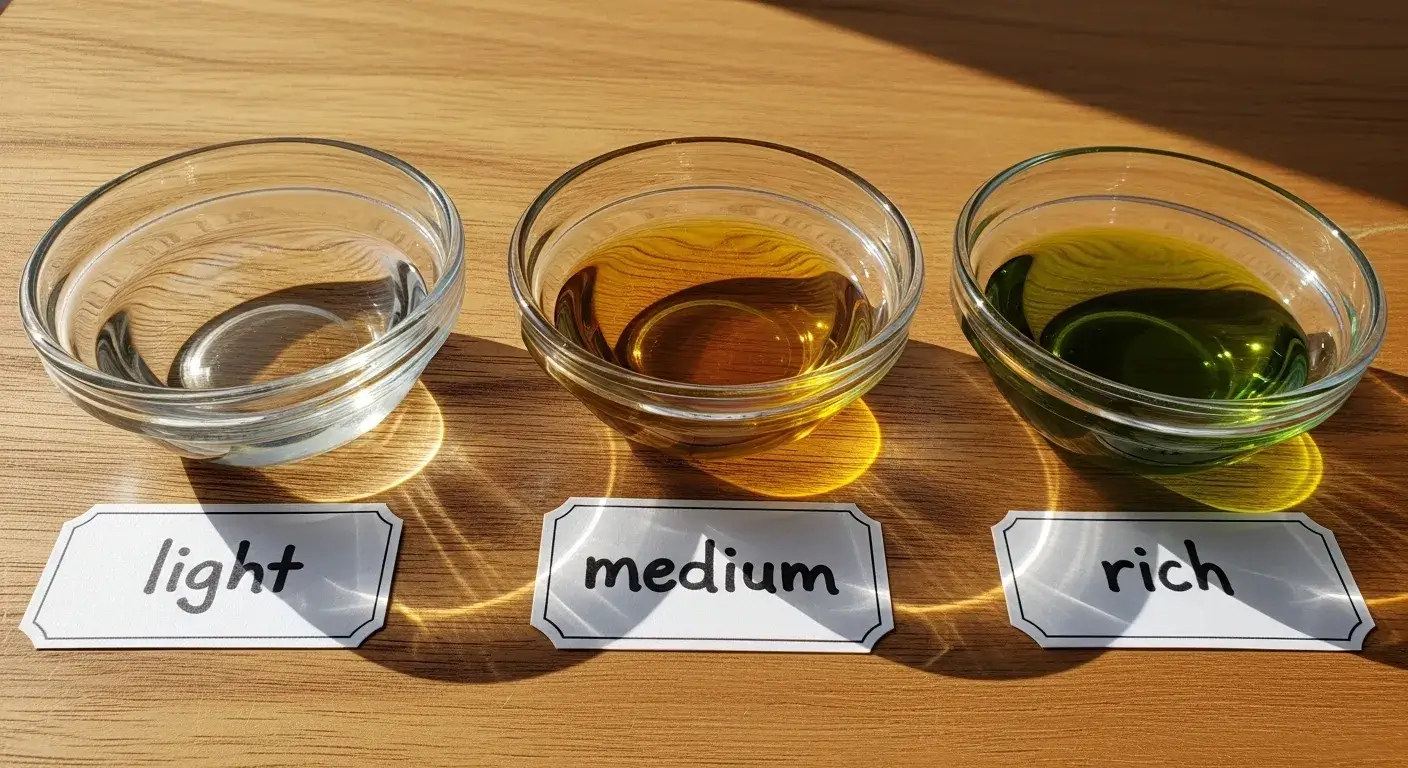
Absorption guide:
| Oil Type | Absorption Speed | Best For |
|---|---|---|
| Jojoba, Grapeseed | Fast | Quick massages, facial work |
| Almond, Coconut | Medium | General massage |
| Avocado, Olive | Slow | Dry skin, long massage |
Want deep hydration? Go rich. Want a clean finish? Go light.
What Safety Precautions Should Be Taken When Using Carrier Oils and Essential Oils Together?
Even natural things need smart handling.
Always dilute essential oils, avoid broken skin, and ask about allergies. Some carrier oils (like nut oils) can cause reactions.
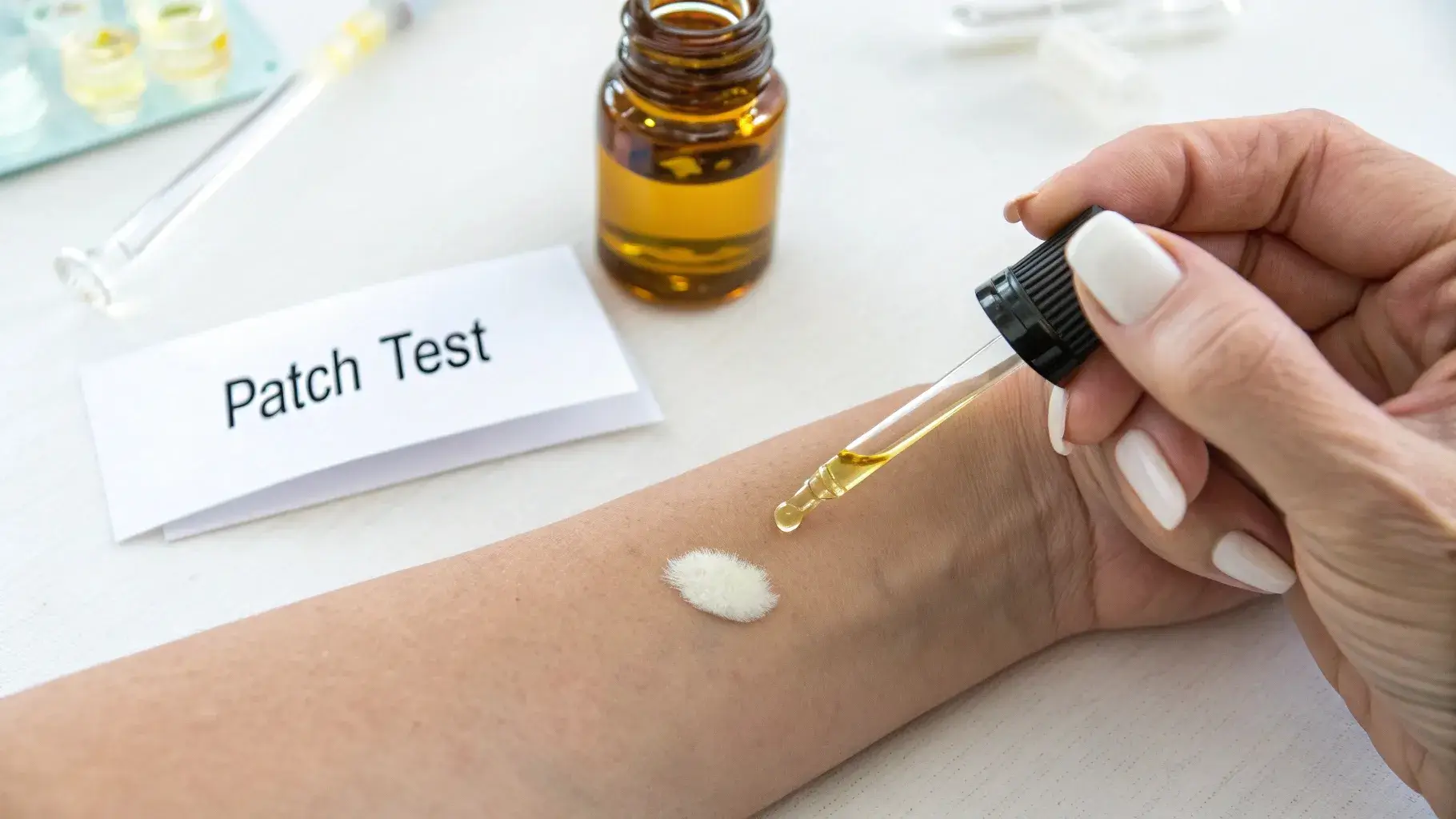
Safety checklist:
- Do a patch test on new blends.
- Ask if the client has nut allergies7 (avoid almond if unsure).
- Don’t use near eyes or on broken skin.
- Use lower dilutions for pregnant people or children.
- Store oils properly8 in dark, cool places to prevent spoilage.
When in doubt, go slower and use less.
Can Carrier Oils Be Blended for Customized Aromatherapy Massage?
One oil is good. Two or three together? Even better.
Yes, mixing carrier oils lets you fine-tune your massage blend—balancing richness, absorption, and skin benefits.
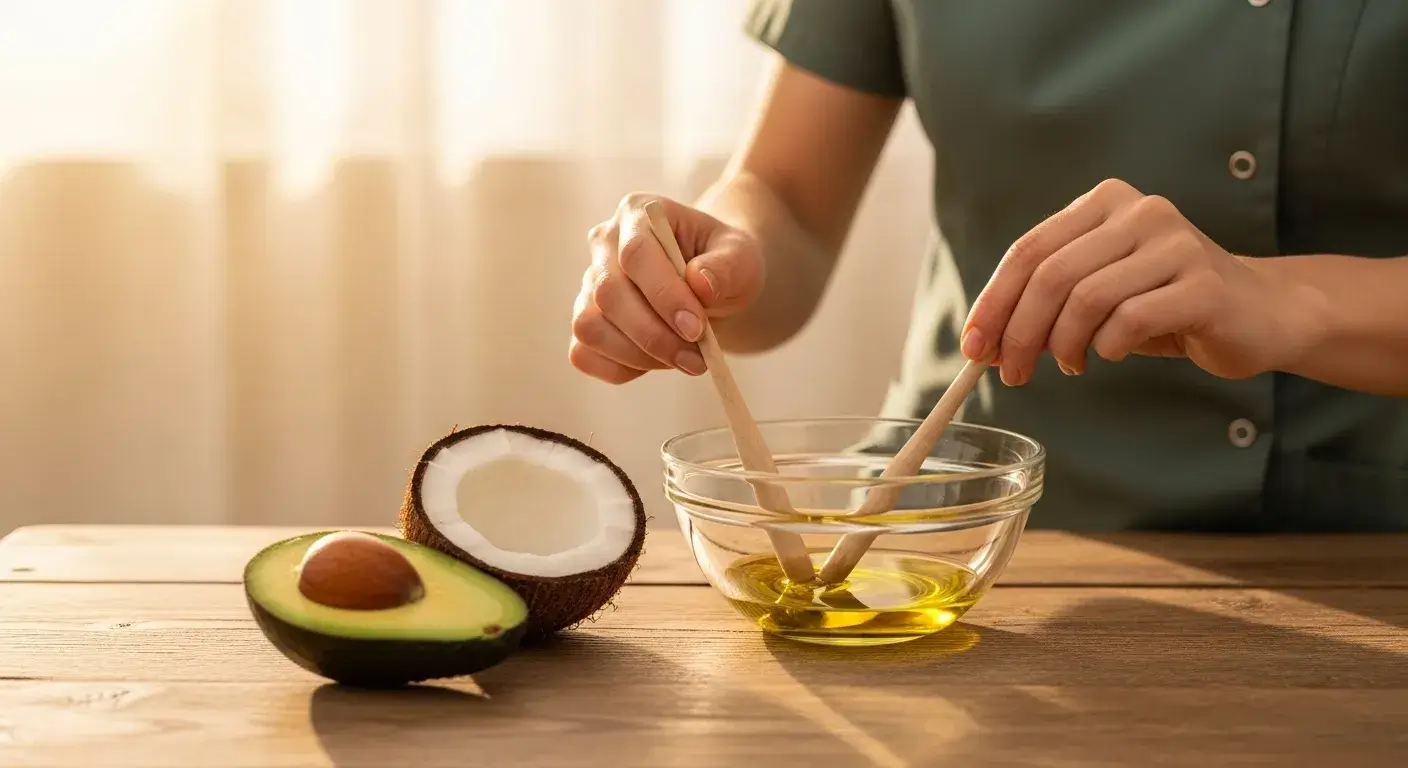
Try combos like:
- Jojoba + Coconut: Light and moisturizing.
- Grapeseed + Avocado: Fast-absorbing with deep hydration.
- Almond + Rosehip: Smooth texture with anti-aging perks.
Customize based on your client’s skin type and goals.
I always ask what they’re hoping for—relaxation, tension relief, or glowing skin—and build the blend from there.
How Do Therapists Customize Carrier and Essential Oil Blends Based on Client Needs?
One size doesn’t fit all. That’s why real therapists tailor their approach.
Therapists ask about stress levels, muscle pain, skin conditions, and even mood—then pick carrier and essential oils to match.
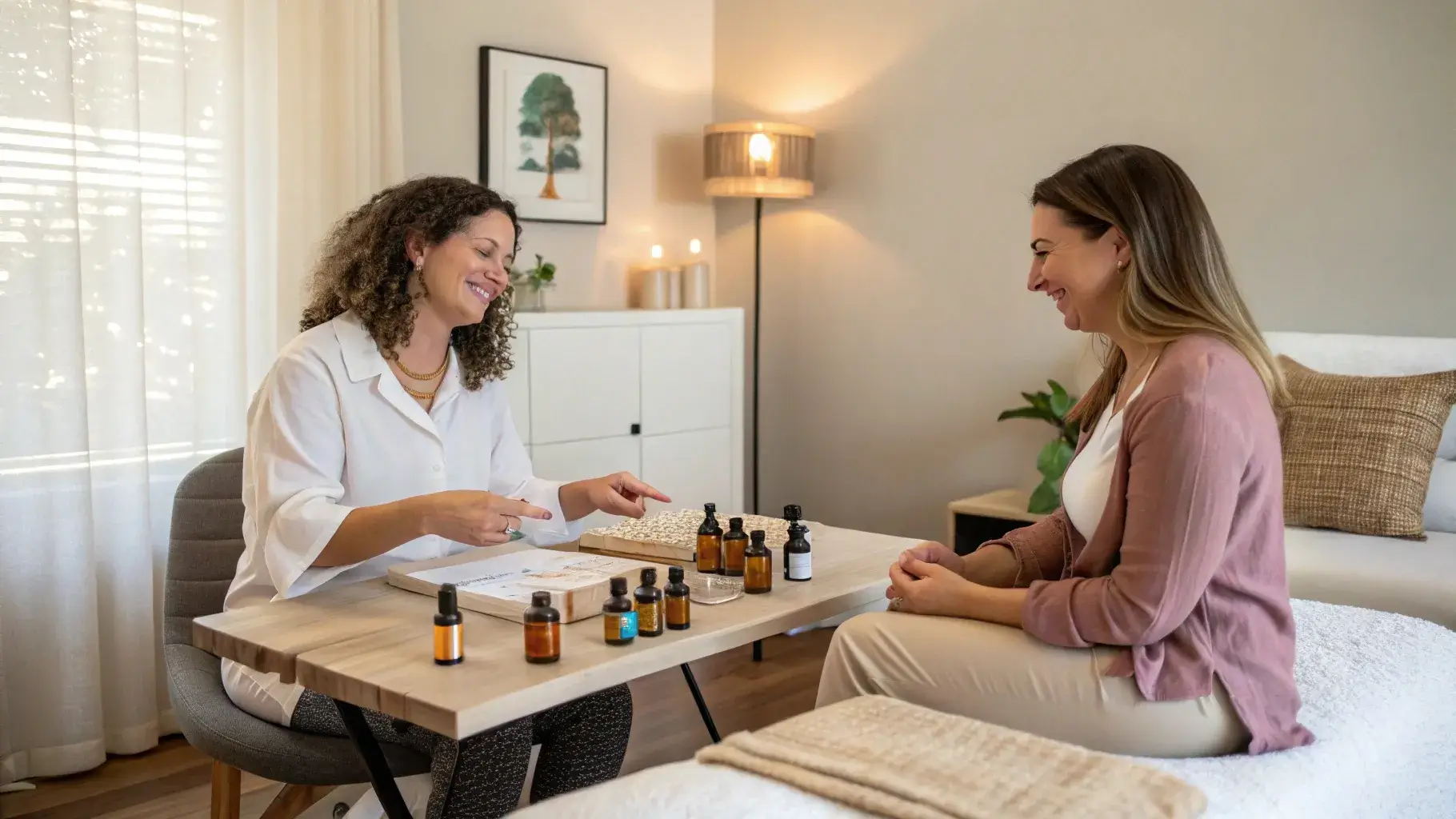
Examples:
- Tension + dry skin? Lavender + avocado oil.
- Stress + oily skin? Bergamot + grapeseed oil.
- Sleep support? Roman chamomile + almond oil.
Personalization improves results—and helps clients feel heard and cared for.
What Are the Latest Scientific Insights on the Safety and Efficacy of Aromatherapy Massage?
The science backs the soothing touch.
Studies show that aromatherapy massage can reduce anxiety, improve sleep, and ease pain when essential oils are properly diluted in carrier oils.

Key findings:
- Lavender oil in massage9 reduced stress and improved sleep in clinical trials.
- Carrier oils improve essential oil delivery and reduce skin irritation.
- Most adverse reactions happen when essential oils are used undiluted.
The takeaway? Use carrier oils. They’re not optional—they’re essential.
Conclusion
Carrier oils are the foundation of safe, effective aromatherapy massage. They protect the skin, nourish the body, and make essential oils work better. Choose wisely—and massage safely.
FAQs
Q: Can I use just carrier oils without essential oils in a massage?
A: Yes. They provide glide and skin benefits even without added scents.
Q: What’s the best carrier oil for deep tissue massage?
A: Coconut or almond oil—rich, smooth, and long-lasting.
Q: Do carrier oils go bad?
A: Yes. Store them properly. Most last 6–12 months.
Q: Can I mix different carrier oils together?
A: Absolutely. Blending lets you customize absorption, texture, and skin benefits.
Q: Are carrier oils safe for people with allergies?
A: Some (like almond) may cause reactions. Always check for nut allergies
Q: How long does carrier oil stay on the skin?
A: Depends on the oil—light oils absorb fast, heavier ones can last for hours.
Q: Can I use kitchen oils like sunflower or olive oil?
A: Only if they’re cosmetic-grade10 and unrefined. Cooking oils are not ideal for skin.
Q: Are there carrier oils good for acne-prone skin?
A: Yes—grapeseed and jojoba oils are great non-comedogenic options11.
Q: Should I warm carrier oils before use?
A: Slightly warming helps absorption and feels more soothing—but don’t overheat.
Q: What’s the shelf life of mixed massage oils?
A: About 6 months if stored properly. Add vitamin E oil to help preserve freshness.
Footnotes:
-
Overview of common carrier oils and their skincare benefits ↩
-
Learn why essential oils evaporate quickly and how carrier oils help ↩
-
How to safely perform a patch test before using new essential oil blends ↩
-
Skin benefits of vitamin E in natural oils and skincare ↩
-
How essential fatty acids help repair and protect the skin ↩
-
Role of antioxidants in reducing inflammation and supporting skin health ↩
-
Why nut allergies matter when choosing carrier oils ↩
-
Best practices for storing carrier and essential oils ↩
-
Research on lavender oil’s effects in massage therapy for stress and sleep ↩
-
Difference between cosmetic-grade and cooking oils for skincare ↩
-
Best non-comedogenic carrier oils for acne-prone skin ↩