
Essential oils can help your skin—if you use the right carrier oil.
The wrong one can clog pores, irritate, or ruin the blend.
The best carrier oil to dilute essential oils depends on your skin type and intended use—jojoba, grapeseed, and sweet almond oils are great choices for most people.
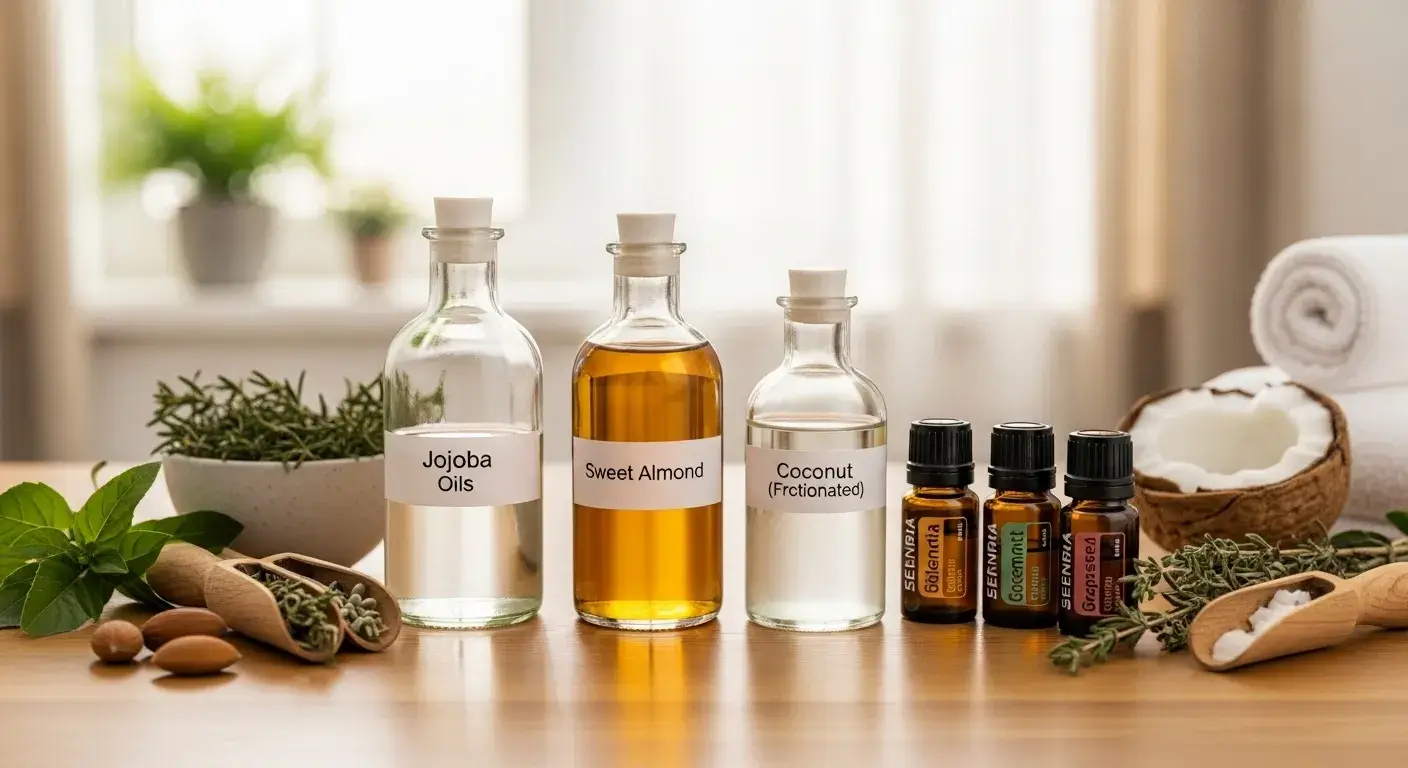
Using essential oils safely starts with a good carrier oil.
But with so many options—coconut, olive, jojoba, and more—it can feel confusing.
I’ll make it simple by showing what works, for who, and why.
What Are Carrier Oils and Why Are They Essential for Diluting Essential Oils?
Essential oils are powerful—but not made to touch skin directly.
Carrier oils are gentle plant-based oils used to dilute essential oils for safe skin use. They help spread essential oils, reduce irritation, and improve absorption.
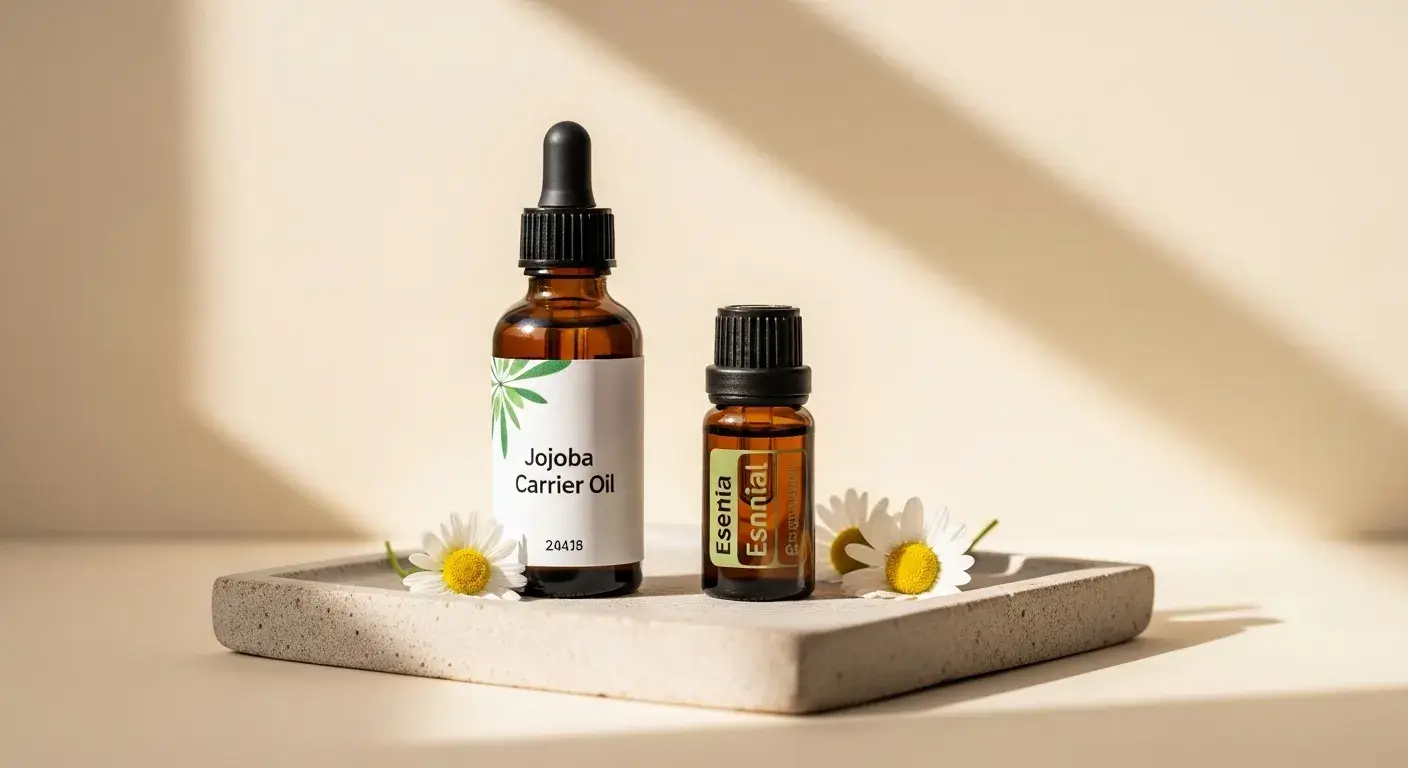
Carrier oils come from nuts, seeds, or kernels.
Unlike essential oils, they don’t evaporate or have strong scents.
You need them because essential oils are very concentrated. Just one drop of peppermint oil equals many cups of peppermint tea.
Without dilution, that drop can burn your skin. Carrier oils solve that problem1.
They carry the essential oil into your skin safely.
How Do Carrier Oils Affect the Absorption and Effectiveness of Essential Oils?
Carrier oils don’t weaken your essential oils—they help them work better.
Carrier oils slow down evaporation and help essential oils sink into the skin evenly, increasing their skin benefits while reducing irritation.
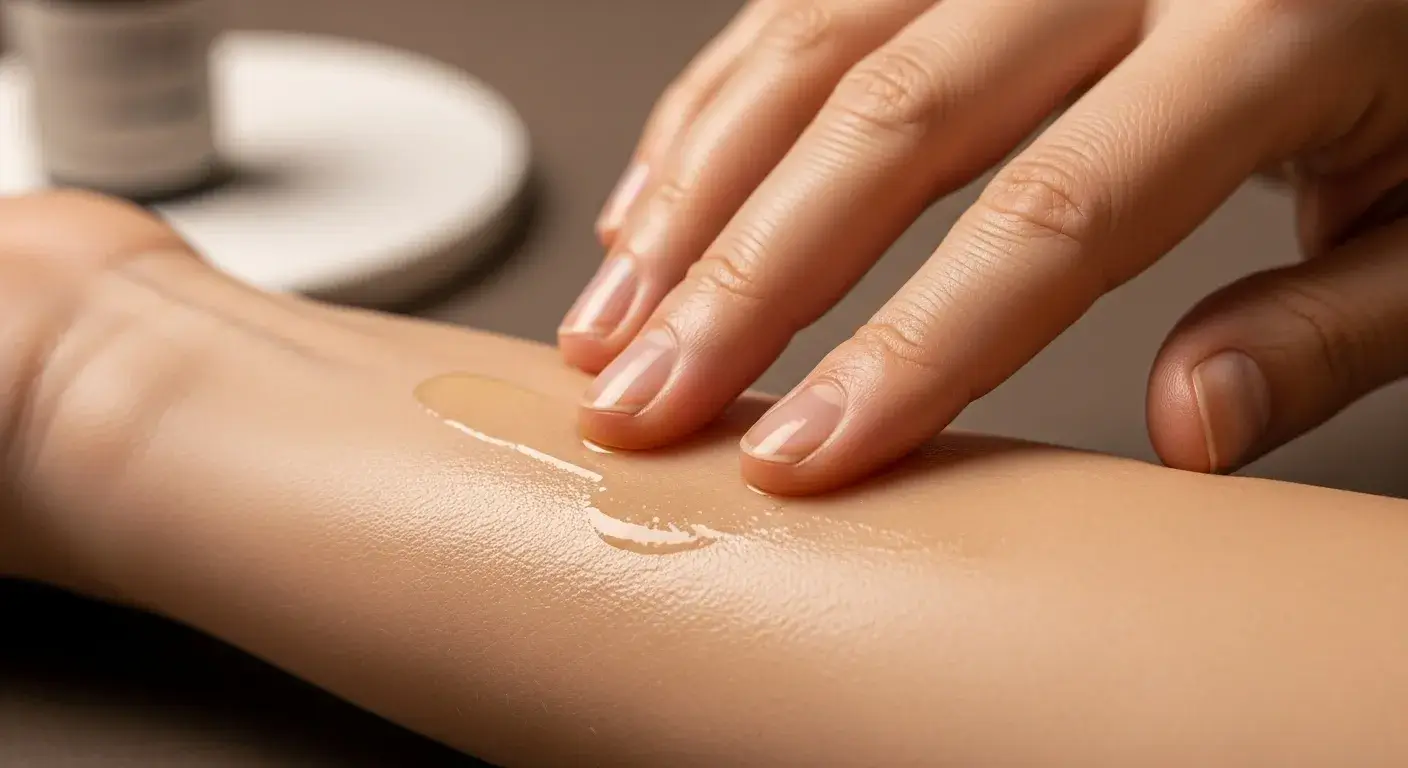
Some people worry that carrier oils "dilute the power." That’s not true.
Essential oils still work—but without the sting. In fact, without a carrier, essential oils often evaporate too fast to help.
Carrier oils create a buffer2, let the skin absorb the oil slowly, and reduce risk of burns or rashes.
Which Carrier Oils Are Best for Different Skin Types?
Your skin is unique. So choose a carrier oil that matches.
Jojoba, sweet almond, grapeseed, and coconut oils are popular carrier oils, each suited to different skin needs.
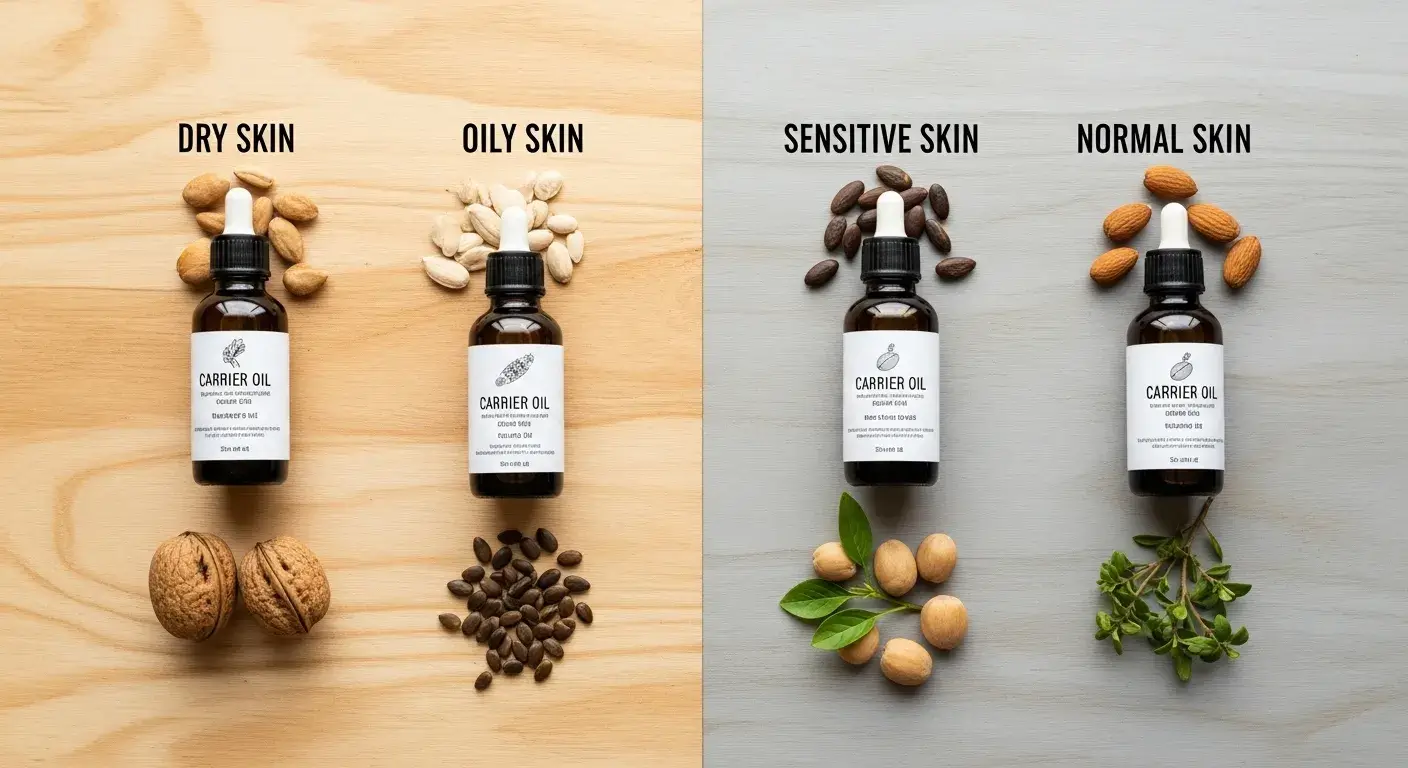
| Skin Type | Best Carrier Oils | Why They Work |
|---|---|---|
| Sensitive Skin | Jojoba, Argan | Non-irritating, mimics natural skin oils |
| Dry Skin | Coconut (fractionated), Olive | Deeply moisturizing, rich in fatty acids |
| Oily/Acne-Prone | Grapeseed, Hemp Seed | Light texture, won’t clog pores |
| Normal Skin | Sweet Almond, Sunflower | Balanced nourishment, softens skin |
I personally use jojoba on my face—it absorbs fast and never leaves grease. For massages, I go for coconut oil—smooth and relaxing.
What Are the Key Benefits and Properties of Popular Carrier Oils?
Each carrier oil brings something special to the blend.
Jojoba absorbs fast. Almond oil soothes. Coconut moisturizes. Choosing the right one makes your essential oil blend even better.
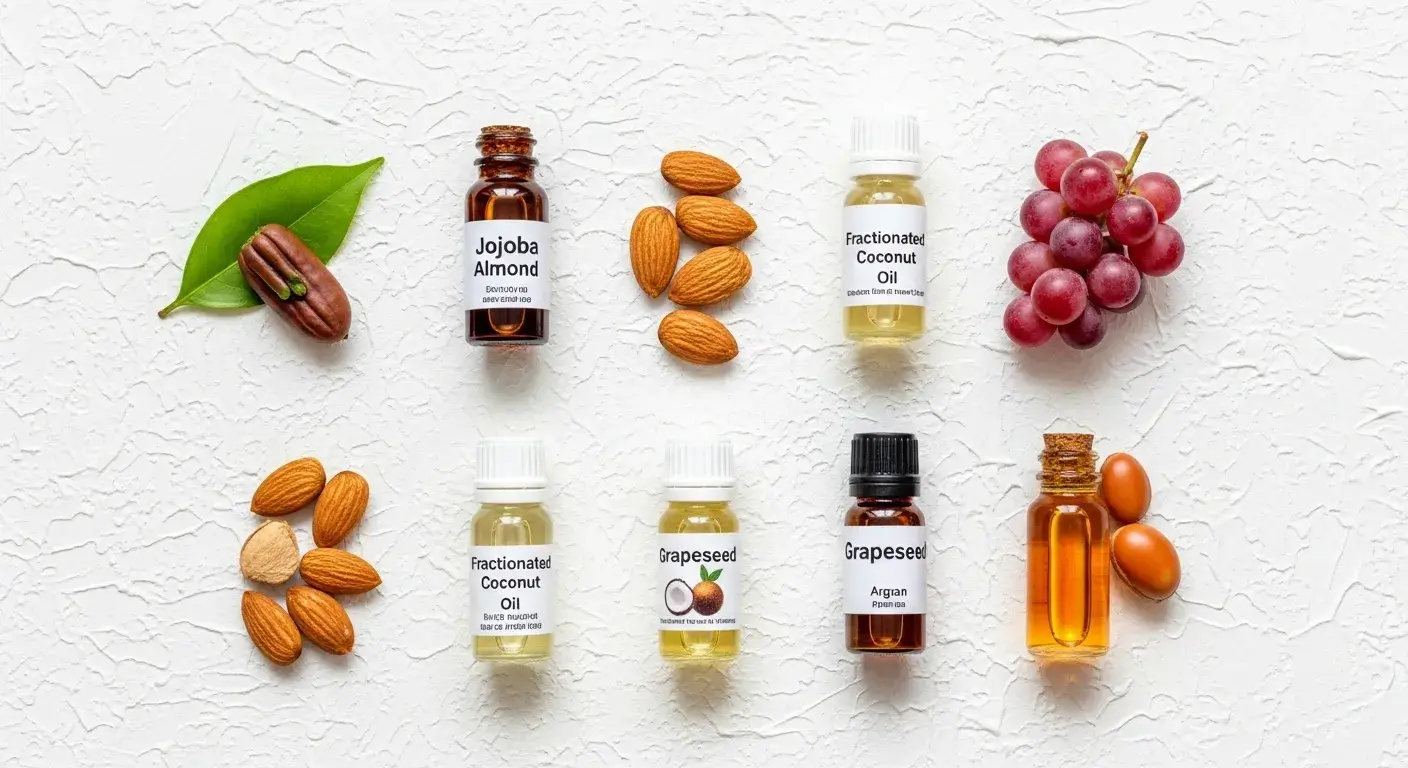
Let’s look closer:
- Jojoba Oil: Feels like skin’s natural oils. Long shelf life. No scent.
- Sweet Almond Oil: Softens skin. Rich in vitamin E. Mild nutty aroma.
- Fractionated Coconut Oil: Liquid at room temp. Light feel. Non-sticky.
- Grapeseed Oil: Absorbs quickly. High in antioxidants. Great for oily skin.
- Argan Oil: Boosts elasticity. Rich and soothing. Great for mature skin.
- Olive Oil: Heavy and rich. Great for dry patches. Long-lasting hydration.
Pick one based on feel, purpose, and how fast you want it to absorb3.
How Do You Choose the Right Carrier Oil Based on Your Intended Use?
Different goals need different oils.
Use jojoba or grapeseed for face care, coconut or olive for body care, and blend them if you want a balance of benefits.
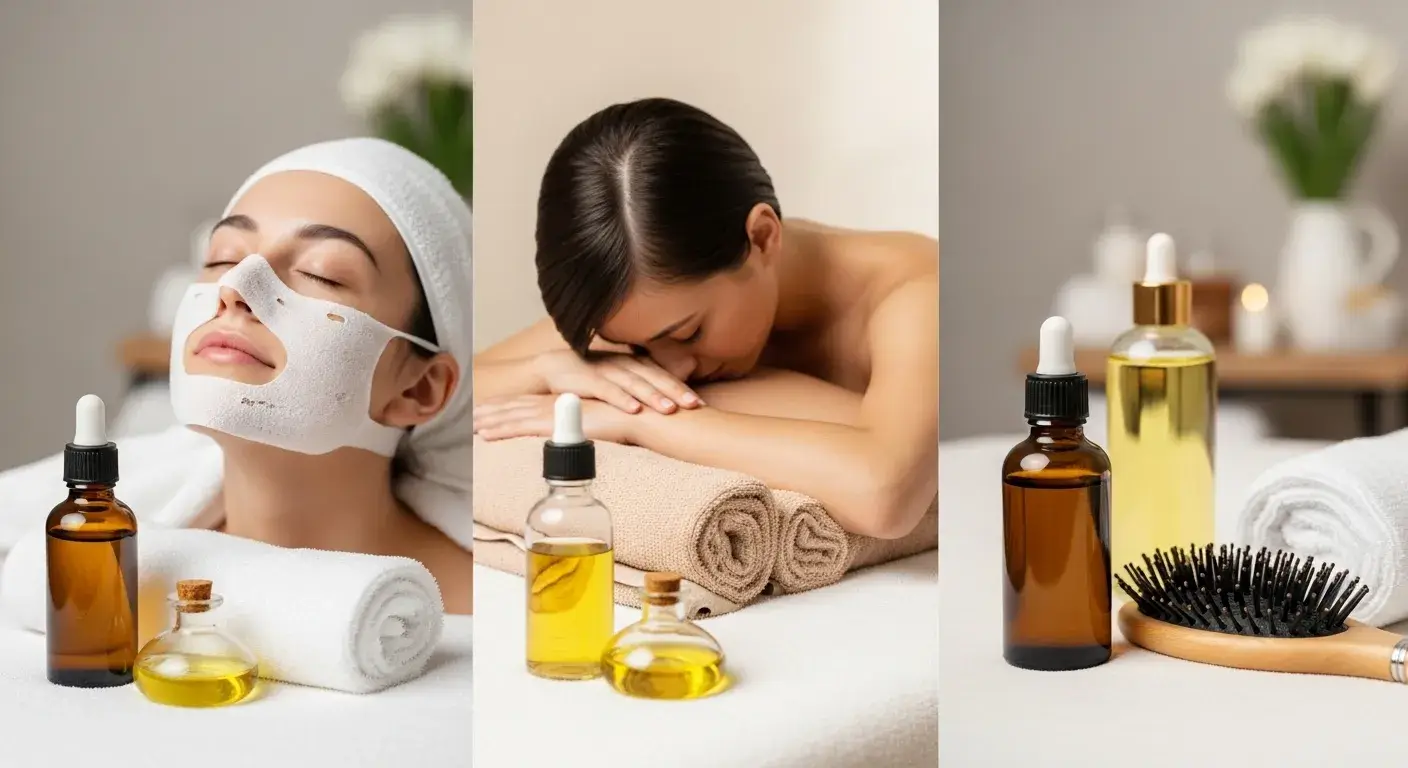
Here’s a quick guide:
- Facial care: Choose non-comedogenic (won’t clog pores) oils like jojoba or grapeseed.
- Massage oils: Use smooth, rich oils like coconut or sweet almond.
- Scalp treatments: Try argan or castor oil for hair growth support.
- Therapeutic blends: Match the oil’s own benefits—like anti-aging argan or soothing calendula—to your essential oil’s purpose.
I often mix grapeseed (light) with almond oil (softening) to get a balanced blend for everyday use.
What Are Safe and Effective Dilution Ratios When Using Carrier Oils?
Too much essential oil can hurt. Use the right ratio to stay safe.
Dilute essential oils based on your goal—use 0.5% for sensitive skin, 2–3% for everyday use, and up to 5–10% for short-term treatment.
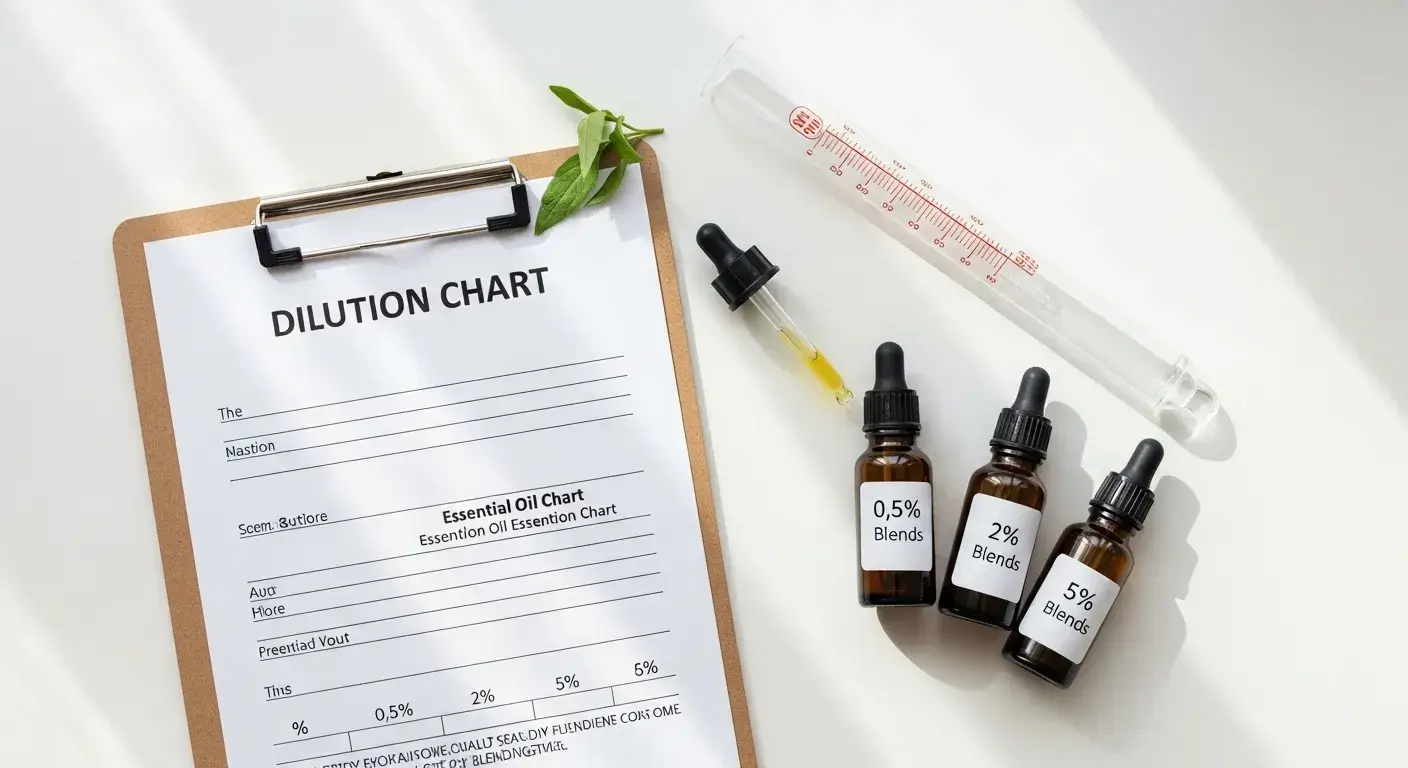
| Purpose | Dilution % | Drops per 30ml (1oz) Carrier Oil |
|---|---|---|
| Sensitive skin/children | 0.5% | 3 drops |
| Daily skin care (adults) | 2–3% | 12–18 drops |
| Spot treatment or massage | 5% | 30 drops |
| Short-term acute care | 10% | 60 drops |
Always start low. You can add more, but you can’t undo a burn.
How Should You Store Carrier Oils to Maintain Their Quality?
Carrier oils spoil faster than you think—unless stored right.
Keep carrier oils in dark bottles, away from heat and light, and tightly sealed. Most last 6–12 months.
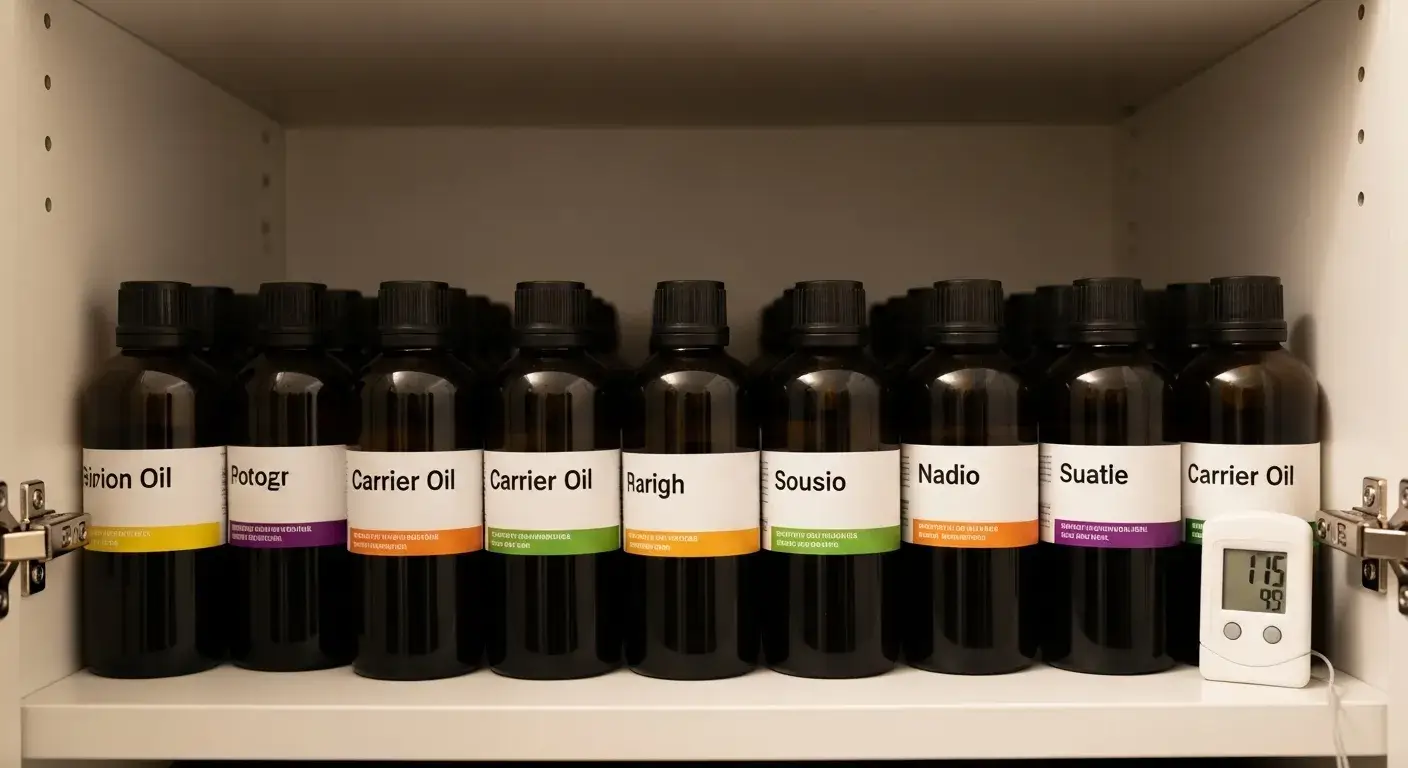
Storage tips:
- Use amber or cobalt blue bottles.
- Keep in a cool cupboard—not near windows or stoves.
- Refrigerate if oil has a short shelf life (like flaxseed oil).
- Smell them every few months4—rancid oils smell sharp or sour.
Once rancid, they lose skin benefits and can irritate.
Can Carrier Oils Be Blended for Customized Aromatherapy?
Why settle for one oil when you can mix and match?
Blending carrier oils lets you customize texture, absorption, and skin benefits to match your exact needs.
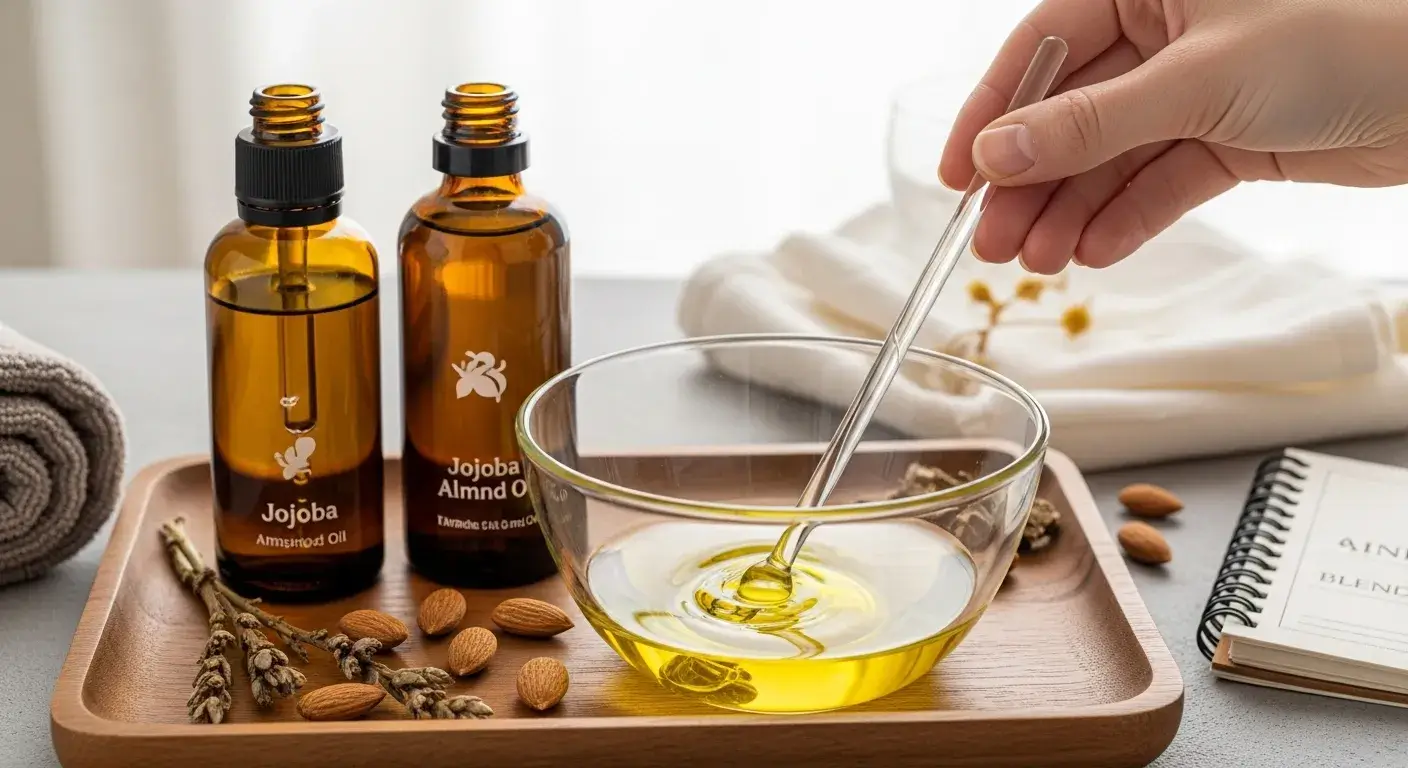
Try these combos:
- Jojoba + Coconut: Fast-absorbing but moisturizing.
- Grapeseed + Olive: Balances light texture with rich feel.
- Almond + Argan: Softens and firms skin at once.
I like to mix grapeseed with a little avocado oil before bed. It soaks in overnight and my skin feels smooth in the morning.
What Are Common Myths About Carrier Oils and Dilution?
Not everything online is true.
Carrier oils don’t make essential oils weaker—they make them safe. And no, not all oils in your kitchen are good for skin.
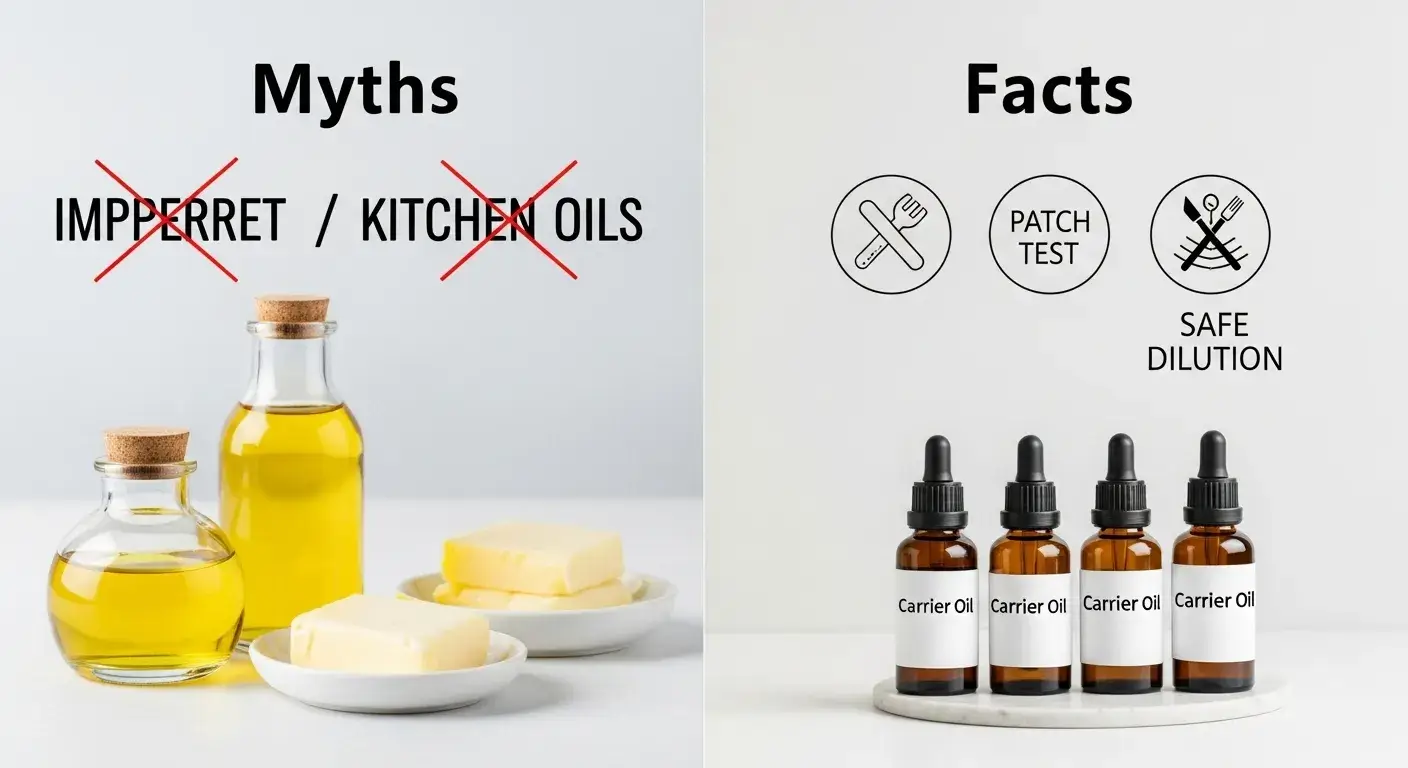
Common myths:
-
Myth: “Carrier oils reduce essential oil strength.”
Truth: They improve absorption and reduce skin damage. -
Myth: “I can use vegetable oil or butter.”
Truth: Only use oils meant for skin—cold-pressed, cosmetic-grade. -
Myth: “If it’s organic, it’s safe to use undiluted.”
Truth: Even organic essential oils must be diluted.
Always check sources before following advice5.
How Is the Aromatherapy Carrier Oil Market Growing and What Are the Industry Trends?
This isn’t just a trend—it’s a booming industry.
The carrier oil market for aromatherapy is growing fast, with demand for clean, organic oils in skincare and wellness rising every year.

Key stats:
- Market size: $1.94B in 2025, projected to reach $4.2B by 2033.
- Growth rate: About 9.3% CAGR.
- Trends: Organic, cold-pressed, non-GMO oils gaining popularity.
- Top sellers: Jojoba, fractionated coconut, sweet almond, grapeseed6.
At PhytoEx, we supply high-quality, GMP-certified carrier oils in bulk—ready for brands and businesses wanting to enter or scale in this booming market.
Conclusion
The best carrier oil depends on your skin, your goals, and your oils. Start simple, store smart, and your blends will stay safe and effective.
FAQs
Q: What’s the best all-around carrier oil?
A: Jojoba is great for all skin types, doesn’t clog pores, and has a long shelf life.
Q: Can I use coconut oil on my face?
A: Yes, but use fractionated coconut oil—it’s lighter and less likely to clog pores.
Q: How do I know if a carrier oil is expired?
A: If it smells sour, sharp, or off—it’s gone bad. Toss it.
Q: Can I mix carrier oils together?
A: Yes! Mixing lets you tailor texture and absorption to your liking.
Q: Do I always need to use a carrier oil?
A: For skin use—yes. Essential oils should never be applied undiluted.
Q: Are all carrier oils safe for sensitive skin?
A: No. Some nut oils may irritate. Jojoba and argan are better for sensitive types.
Q: What’s the difference between cold-pressed and refined oils?
A: Cold-pressed oils retain more nutrients. Refined oils last longer but may lose benefits.
Q: Are carrier oils safe for kids and babies?
A: Use only gentle oils like jojoba, and at very low dilution—0.25% or less.
Q: Can carrier oils be used in food and skincare?
A: Some can—but make sure they’re labeled safe for that use. Not all are dual-purpose.
Footnotes:
-
Learn how carrier oils make essential oil application safe for skin. ↩
-
Understand how carrier oils aid absorption and reduce evaporation. ↩
-
See how to choose carrier oils based on texture and purpose. ↩
-
Identify signs that a carrier oil has gone rancid. ↩
-
Use credible sources when researching carrier oil safety and uses. ↩
-
View current trends and top-selling carrier oils in the aromatherapy market. ↩