
Stress, sleepless nights, skin flare-ups — lavender offers help for all these and more.
Lavender essential oil supports stress relief1, better sleep2, pain reduction, skin healing3, and more. Use it in aromatherapy4, skincare, or massage oils to unlock its full benefits.
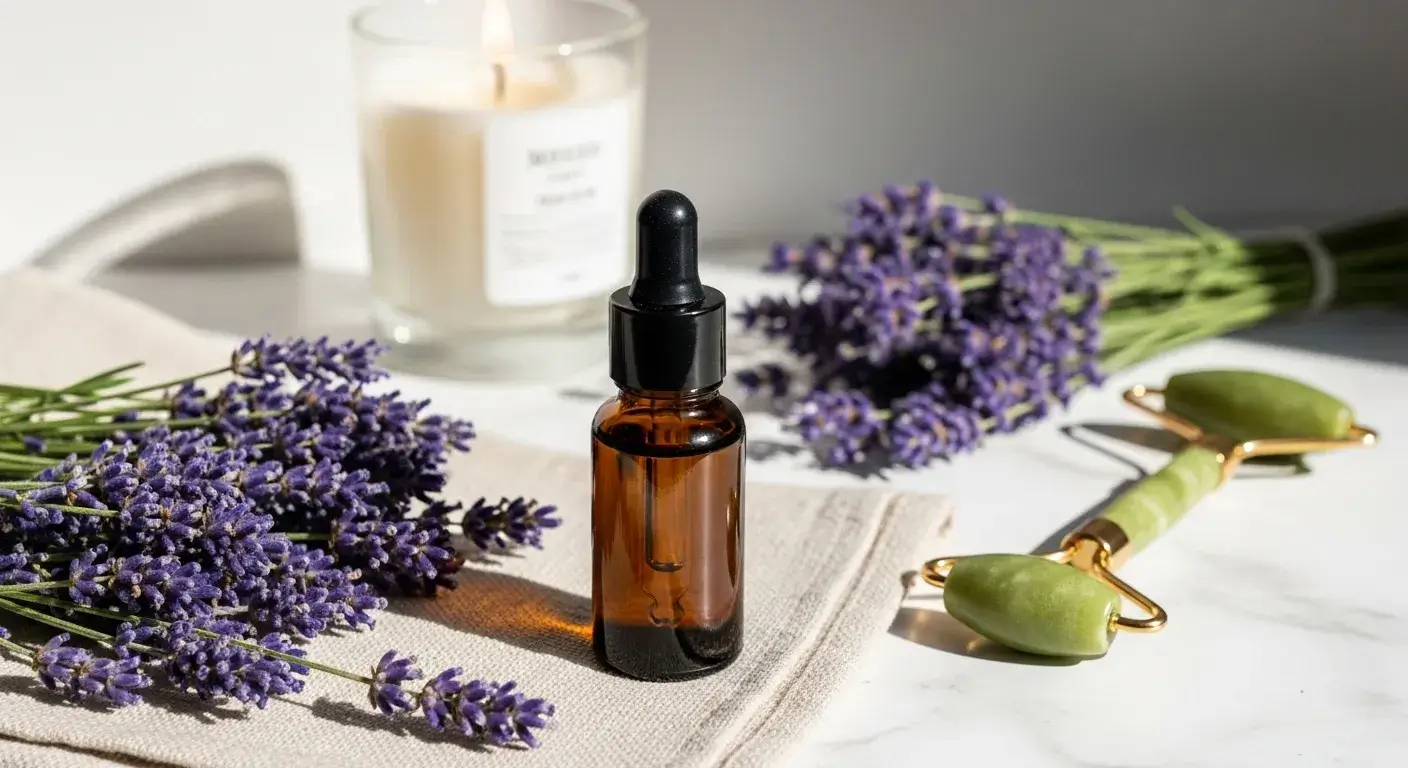
Lavender is one of the most widely used essential oils in the world.
People love its sweet scent, but there’s more than fragrance behind its power. I’ve used it myself in many ways and seen how it helps.
Let’s look at 10 key benefits and simple ways to use it at home.
What are the top health benefits of lavender essential oil?
It’s not just relaxing. Lavender does much more for the body and mind.
Lavender oil helps ease anxiety, improve sleep, relieve pain, fight acne5, heal skin, support hair health, reduce inflammation, and uplift mood.
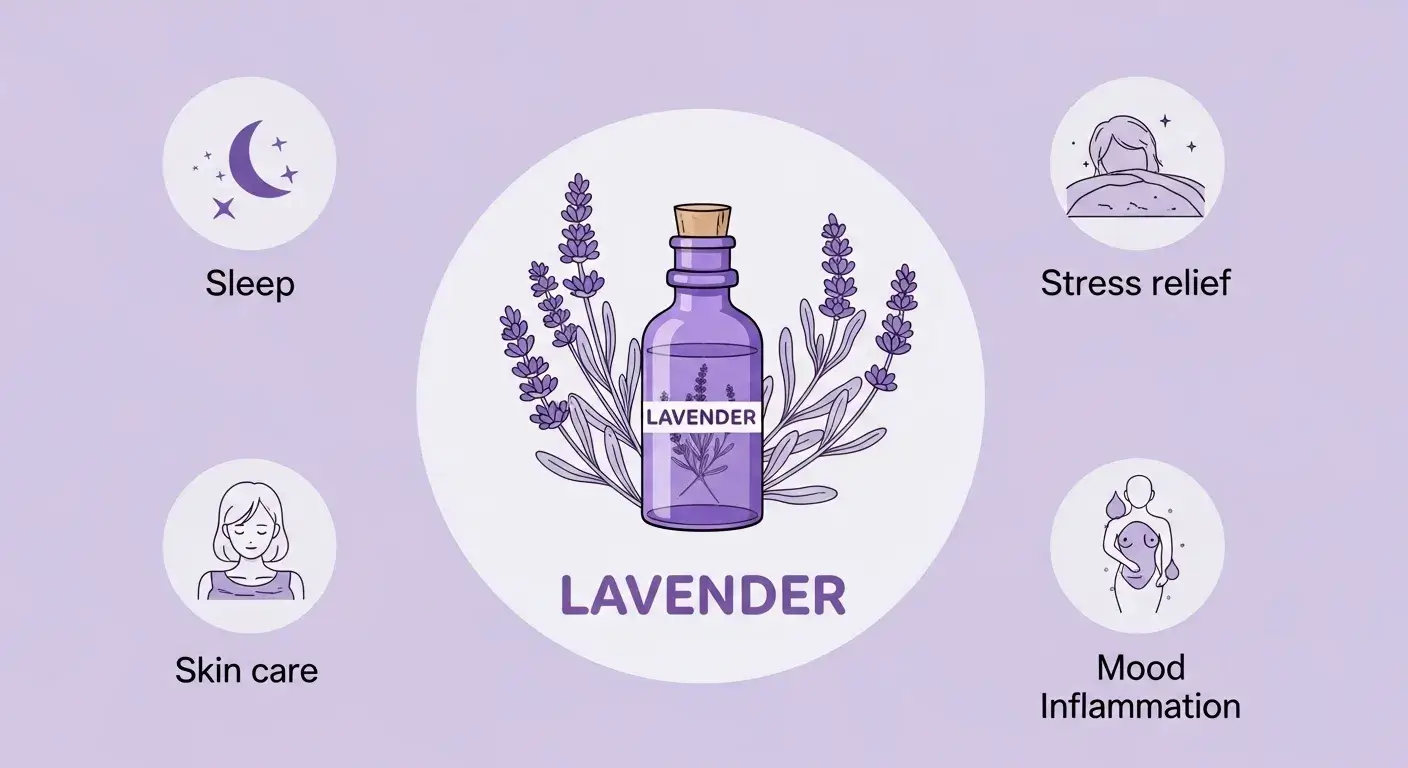
Lavender at a glance
| Benefit | How It Helps |
|---|---|
| Stress relief | Calms nerves, lowers cortisol |
| Better sleep | Promotes deep sleep, eases insomnia |
| Pain relief | Soothes migraines, sore muscles |
| Skin healing | Fights infection, speeds healing |
| Acne care | Reduces bacteria and redness |
| Antioxidant power | Protects skin from aging |
| Mood lift | Uplifts low moods, reduces restlessness |
| Hair and scalp care | Treats dandruff, supports growth |
| Wound care | Helps close cuts and reduce scars |
| Anti-inflammatory | Eases swelling and itching |
I started using lavender in my skincare first. Then I added it to my diffuser, and later to a massage blend.
It’s now in nearly every part of my daily care.
How does lavender help with anxiety and stress relief?
Lavender helps your body feel safe and calm.
The scent of lavender6 lowers stress hormones, eases anxious thoughts, and creates a relaxed mood.
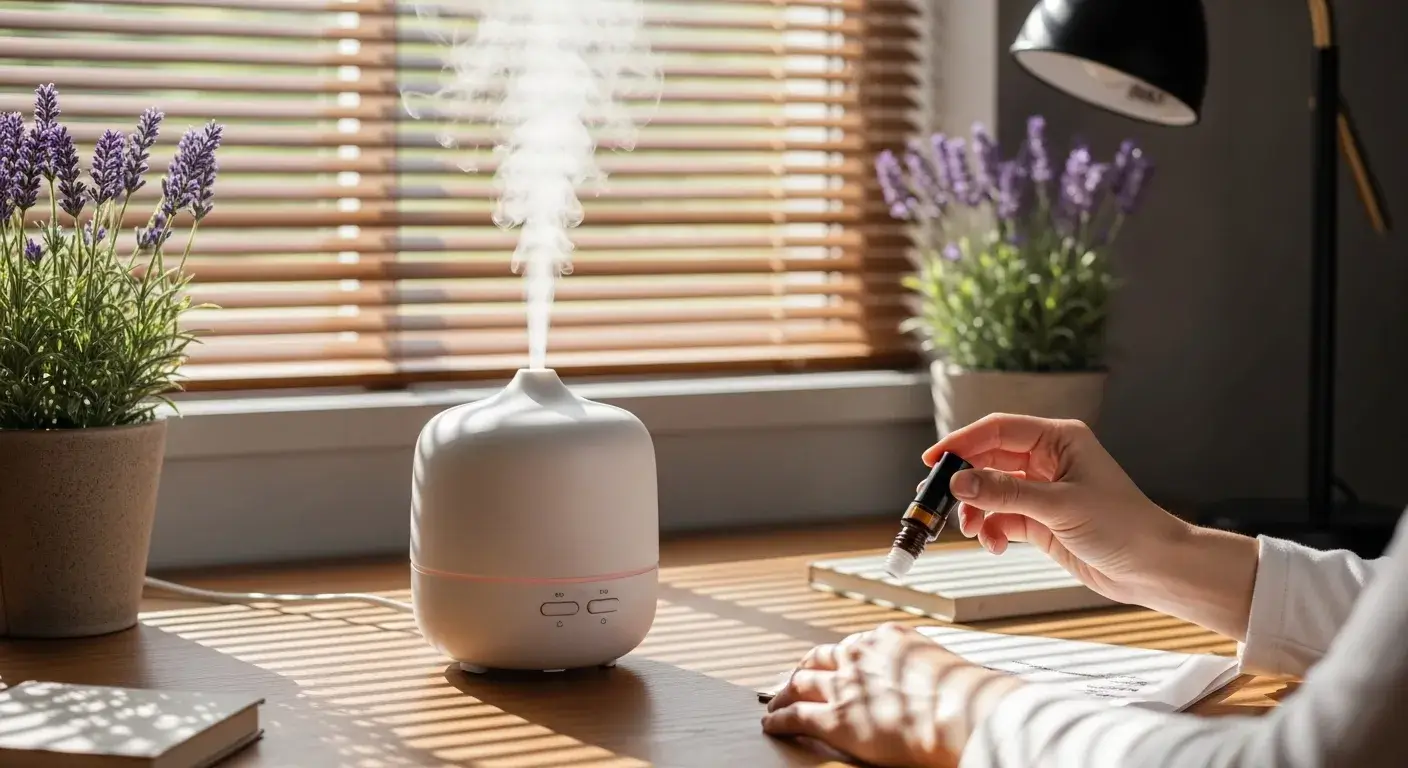
How I use it for stress
- Diffuser: 4 drops in my office diffuser during work.
- Roller blend: Lavender + sweet almond oil rolled on wrists before meetings.
- Bath: 6 drops in Epsom salt for a calm evening soak.
Inhaling lavender helps slow down racing thoughts and tension. Studies show it reduces cortisol — the body’s stress hormone.
Can lavender improve sleep quality and treat insomnia?
Yes, it’s one of the best natural sleep helpers I know.
Lavender boosts deep sleep7 and helps you fall asleep faster by calming the nervous system.
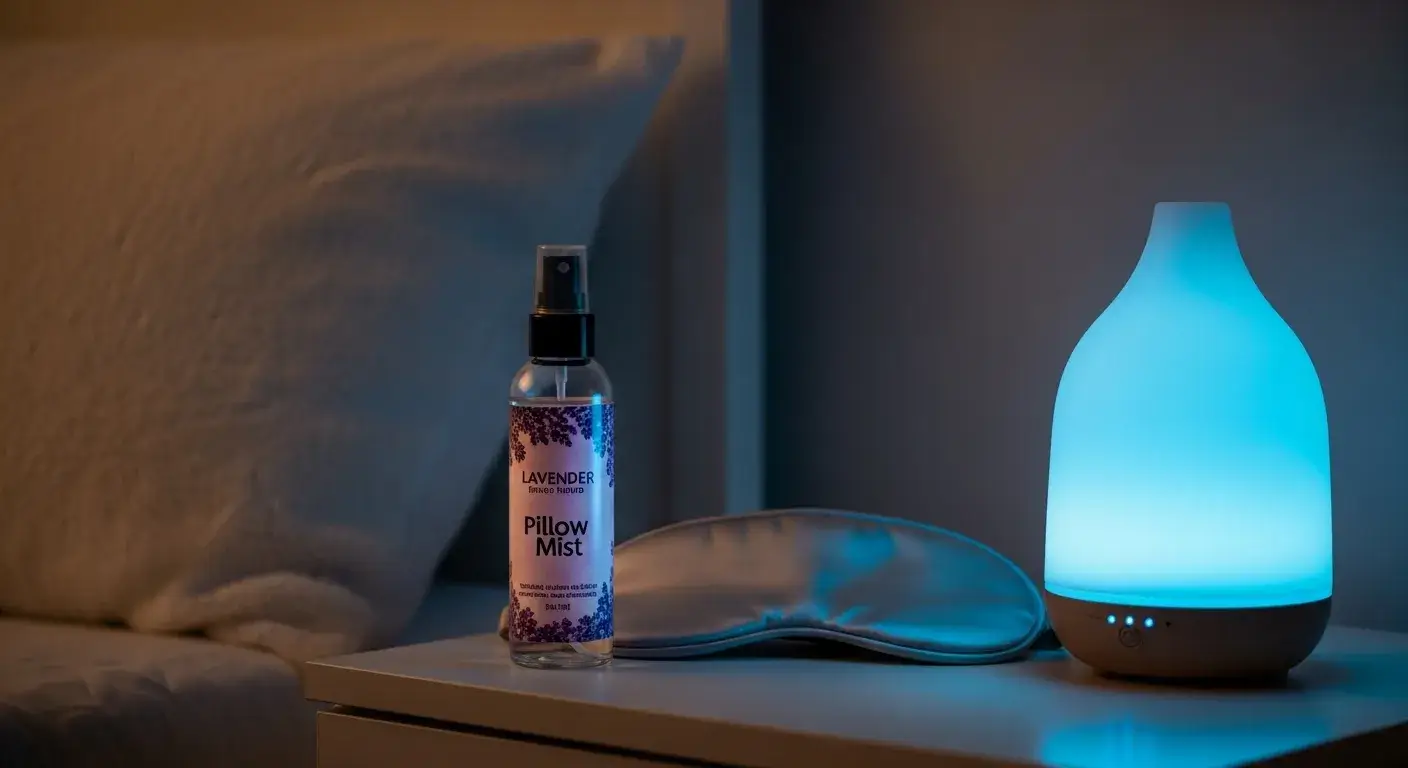
How to use for sleep
- Pillow spray: Mix 6 drops with 100 ml water in a spray bottle.
- Diffuser: Run lavender oil in a bedroom diffuser 30 minutes before sleep.
- Massage: Mix 3 drops with 1 tsp carrier oil, rub on feet before bed.
This helped me during a time of frequent waking. Lavender gave me longer sleep and better mornings.
What are the anti-inflammatory and pain-relief properties of lavender?
It’s gentle but effective.
Lavender eases pain by calming inflammation and relaxing muscles8.
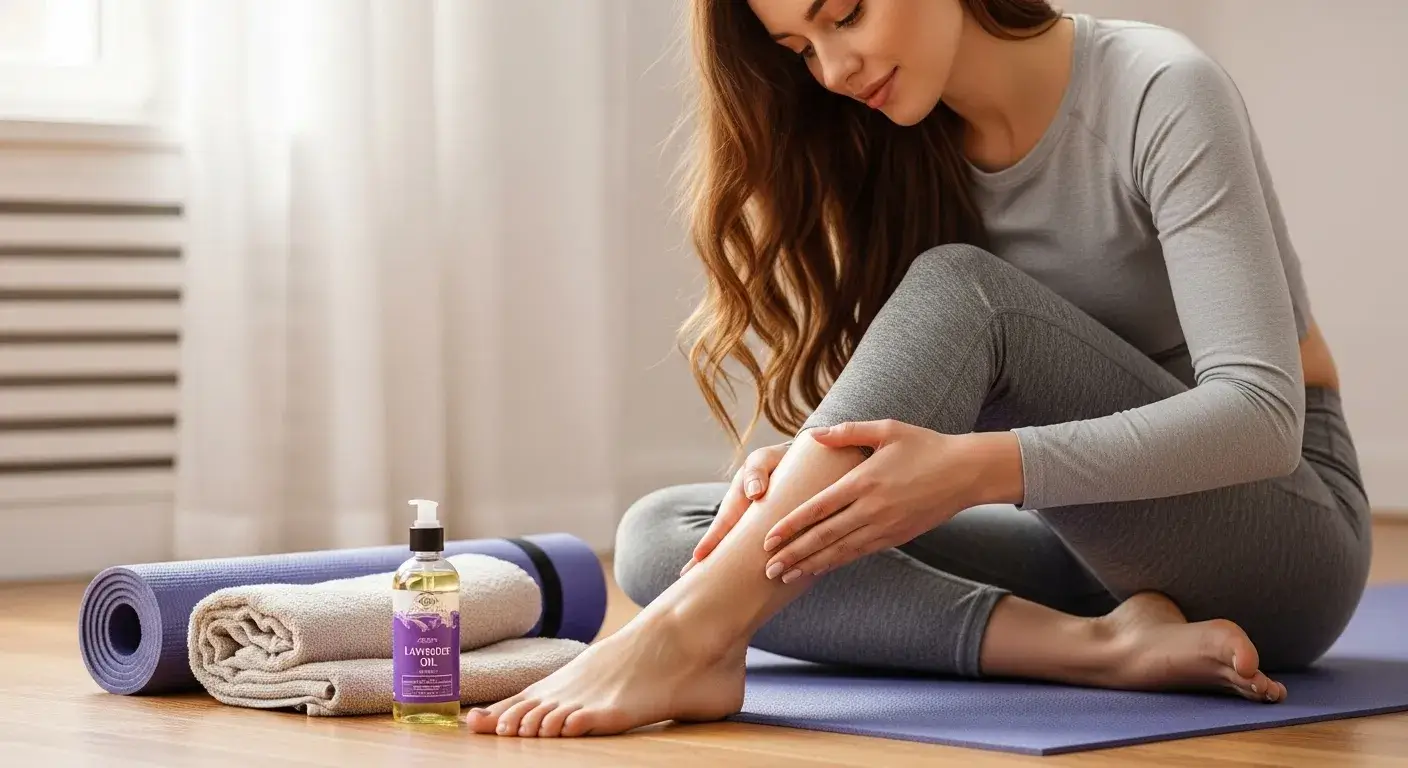
Lavender for pain relief
- Tension headaches: 2 drops on temples with carrier oil
- Sore muscles: 6 drops in massage oil after workouts
- Arthritis or joint aches: Apply lavender + peppermint blend to swollen areas
It won’t replace strong meds, but it can make daily pain feel easier to handle.
How does lavender essential oil support skin health and wound healing?
From bug bites to acne, lavender helps the skin bounce back.
Lavender fights bacteria, reduces redness, and heals skin from minor cuts, burns, and blemishes.
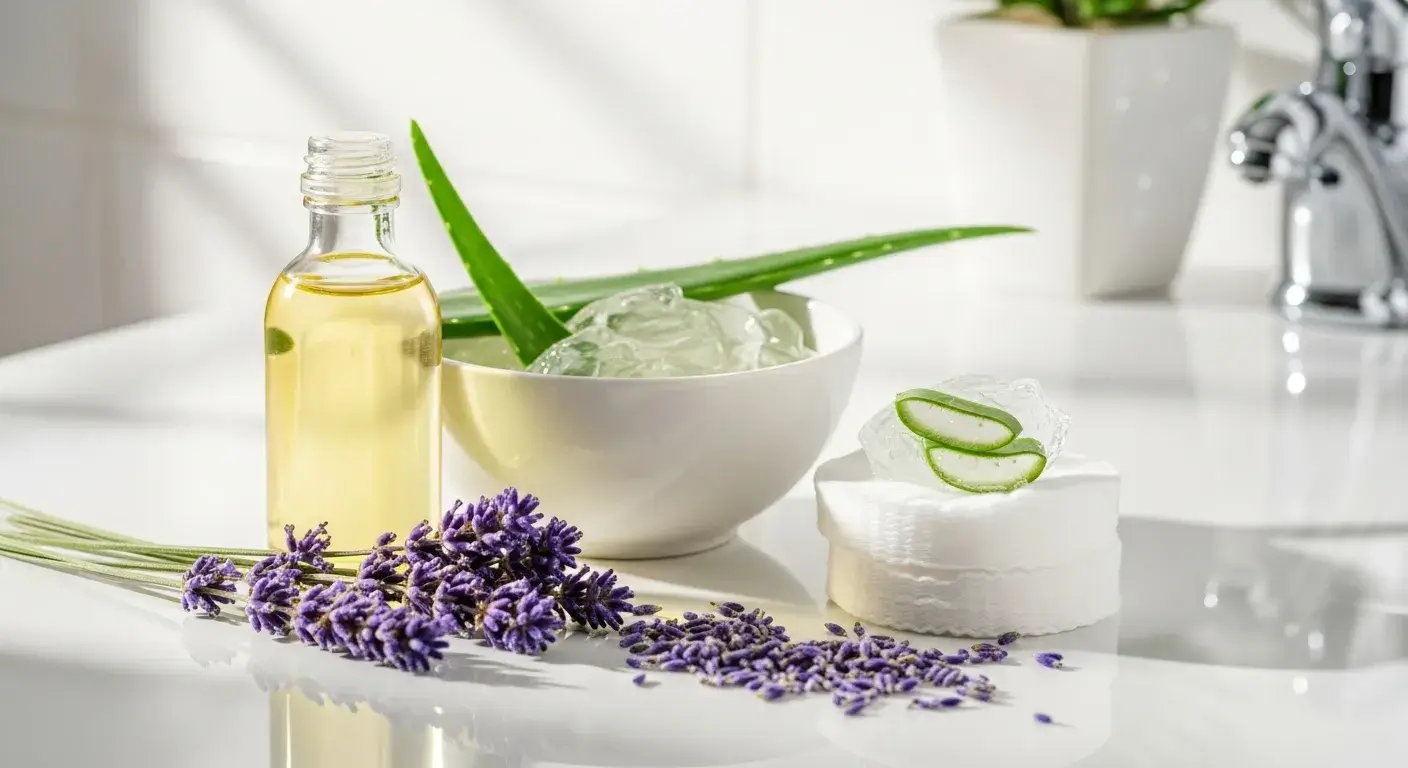
Easy skin uses
- Acne spot care: Dab 1 drop diluted in jojoba oil on pimples
- Burns: Apply cooled lavender-water compress
- Wound support: Add 1 drop to aloe vera gel and apply to scratches
Lavender helps the skin renew itself naturally. I use it after shaving or sunburn.
Can lavender oil help with acne and other skin conditions?
Yes, it’s a gentle yet powerful acne solution.
Lavender clears acne by killing bacteria9, calming redness, and balancing oil production.
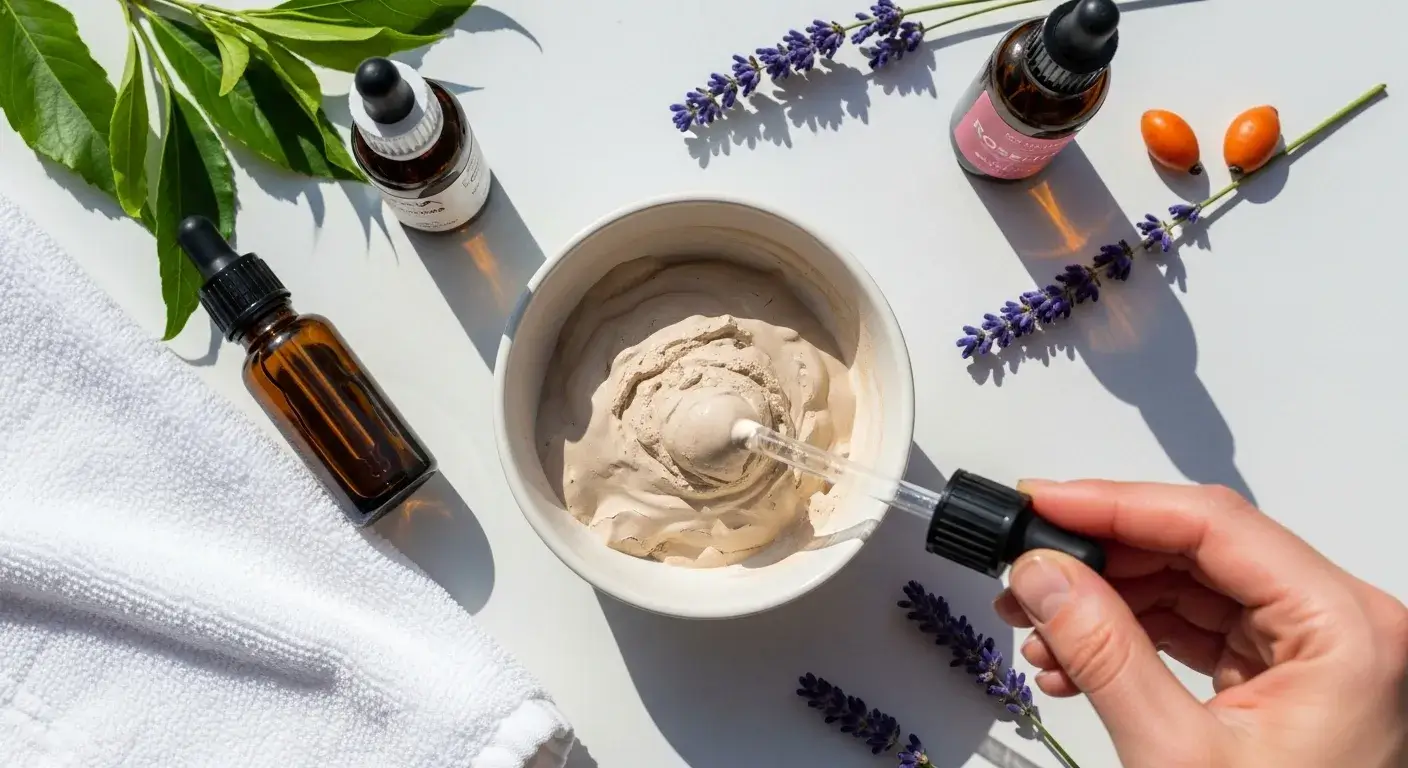
My acne fix
- Clay mask: Mix lavender with bentonite clay for deep clean
- Night oil: Blend with rosehip seed oil and apply at night
- Face mist: Lavender + tea tree + distilled water for daily spray
Lavender is perfect for sensitive skin. It’s been my go-to during breakouts.
What are the antimicrobial and antifungal benefits of lavender?
It keeps things clean — naturally.
Lavender kills harmful bacteria and fungi10, which helps treat infections and prevent skin flare-ups.
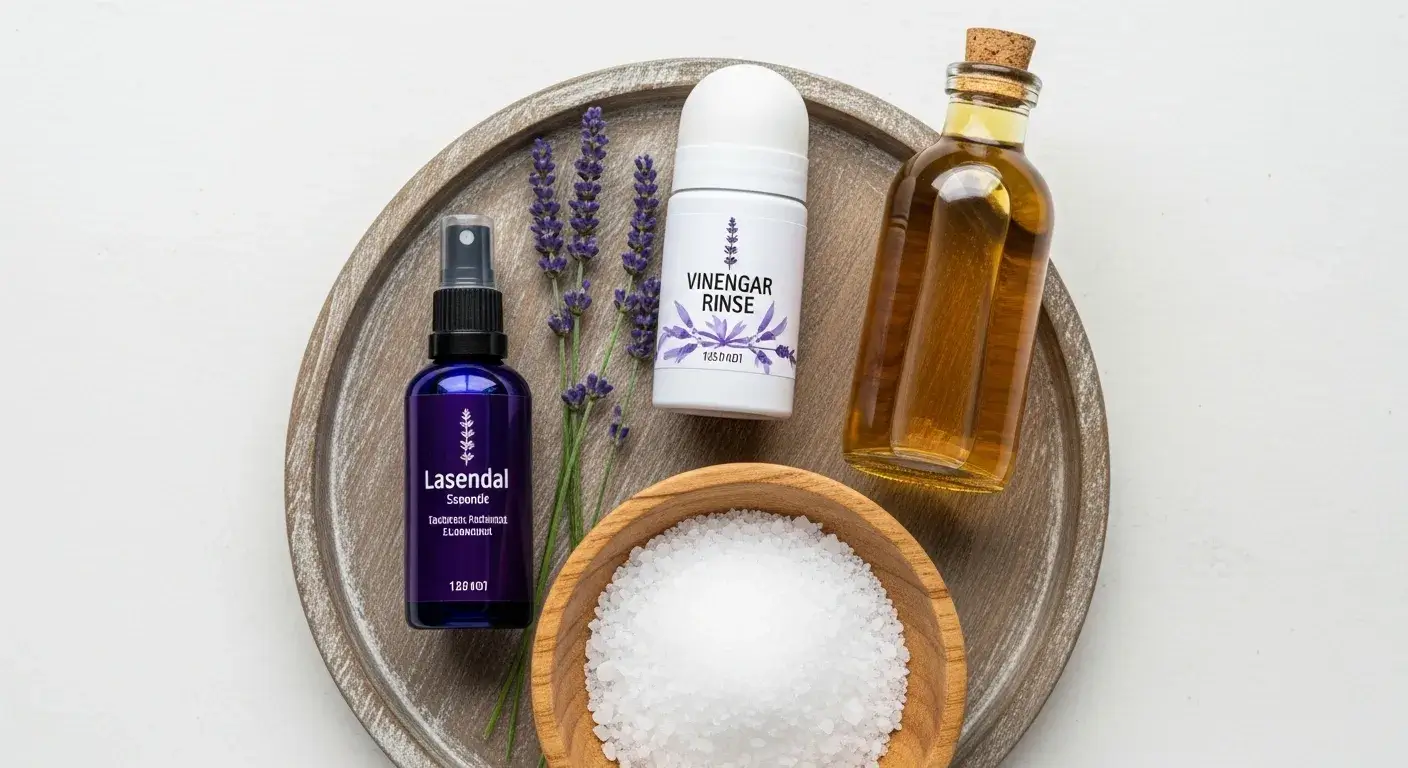
Clean uses
- Foot soak: 5 drops in warm water to ease athlete’s foot
- Scalp rinse: Lavender + apple cider vinegar to fight dandruff
- Deodorant blend: Use in DIY sprays for fresh underarms
I like using lavender in places where I’d normally need harsh soaps.
How can lavender be used safely in aromatherapy and topical applications?
You just need to dilute and test.
Always dilute lavender oil before skin use and do a patch test11. For scent use, diffuse or inhale.
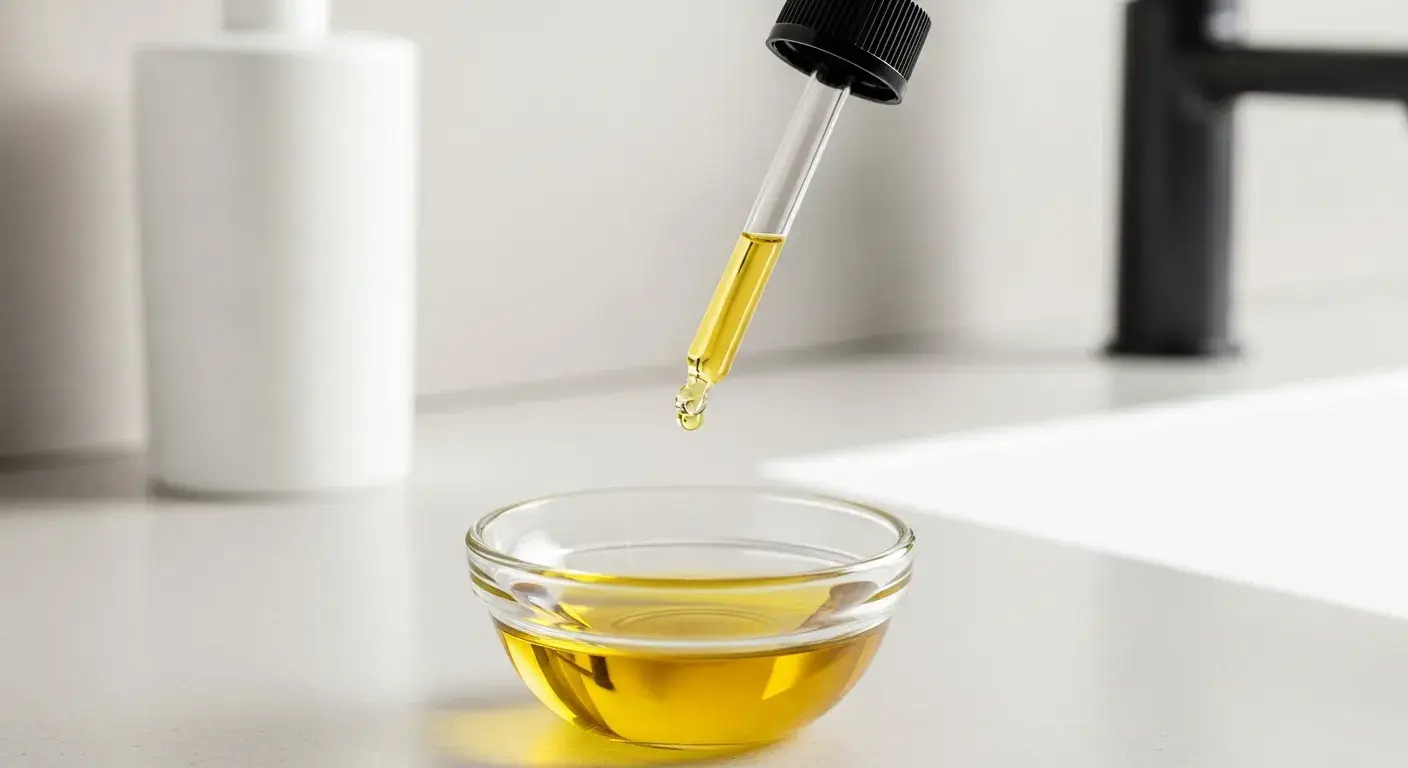
Safety basics
- Dilution: 1–2% for adults (about 6–12 drops per 1 oz oil)
- Patch test: Try on wrist before full use
- Avoid eyes, mucous membranes
- Use extra care during pregnancy or on kids
I started small and found no reaction. Now it’s a regular part of my body care routine.
What are the best ways to use lavender essential oil at home?
So many options.
Lavender oil works in diffusers, bath soaks, massage oils, skincare, sprays, and even hair rinses.
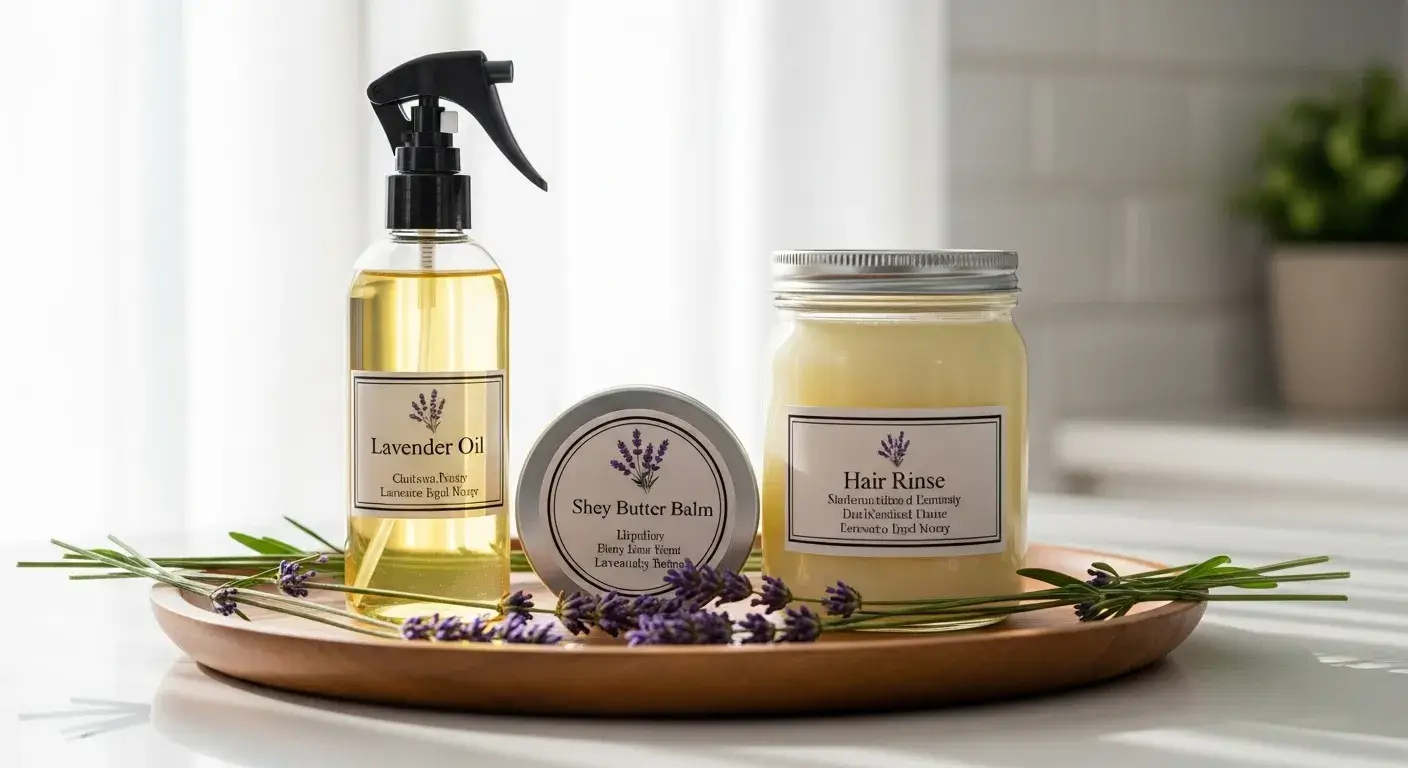
5 simple uses I love
- Pillow mist – 10 drops lavender in 100 ml water, spray on pillow
- Face oil – Lavender + jojoba + rosehip for nightly skin care
- Hair rinse – Add to shampoo or ACV rinse for scalp help
- Stress balm – Mix with shea butter and apply to temples
- Foot soak – 5 drops in warm salt water after a long day
These take less than 5 minutes and give hours of benefits.
Are there any precautions or side effects when using lavender oil?
It’s mostly safe, but go slow.
Lavender can cause irritation or allergies in sensitive people. Never use it straight on skin12 without dilution.
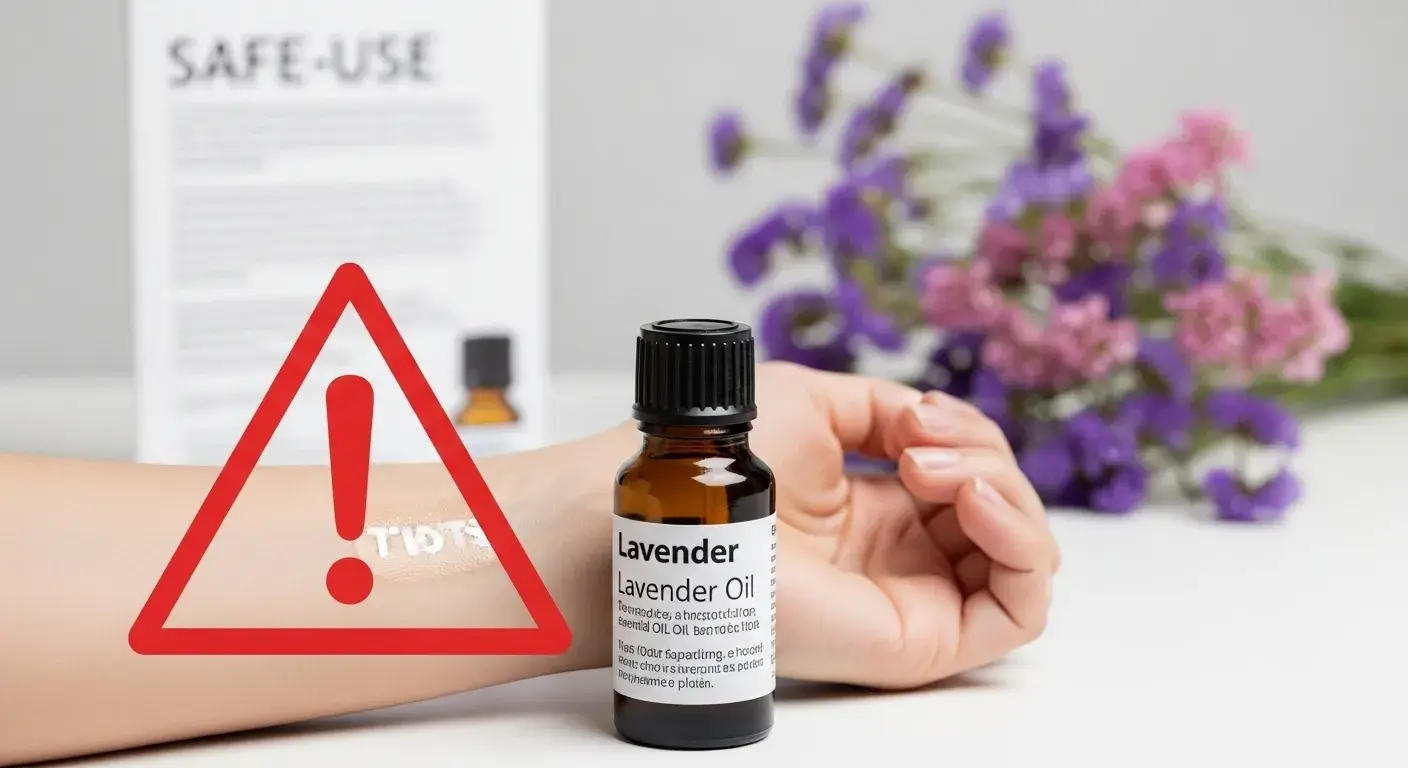
When to be careful
- If pregnant or breastfeeding, check with a doctor
- Don’t use near pets’ noses — they can react
- Discontinue if you get a rash or headache
I once used it too strong on my neck and got red patches. Always dilute!
Conclusion
Lavender is more than a pretty scent — it’s a gentle powerhouse that supports your body and mood in many ways.
FAQ
Can I use lavender oil every day?
Yes, when properly diluted. It’s gentle enough for daily use in skincare or aromatherapy.
Is lavender safe for kids?
In small amounts and properly diluted, yes. But avoid use on babies under 6 months old.
Can I take lavender oil internally?
Only if labeled food-grade and used under expert guidance. Stick to external use unless directed.
What oils mix well with lavender?
Try peppermint, frankincense, lemon, or eucalyptus for great blends.
Where should I buy lavender oil?
Choose reputable suppliers who offer GC-MS reports and purity guarantees.
Footnotes:
-
Lavender’s calming effect helps reduce anxiety and stress levels ↩
-
Lavender supports better sleep by calming the nervous system ↩
-
Lavender promotes faster wound healing and soothes irritated skin ↩
-
Diffusing lavender creates a peaceful, relaxing environment ↩
-
Lavender’s antibacterial action helps clear acne and calm skin ↩
-
Studies show lavender aroma lowers cortisol and anxiety ↩
-
Research links lavender oil to improved sleep quality ↩
-
Lavender relieves minor pain by easing inflammation and muscle tension ↩
-
Lavender kills acne-causing bacteria and balances oil production ↩
-
Lavender’s antifungal properties support skin and scalp health ↩
-
Patch testing helps prevent allergic reactions to essential oils ↩
-
Undiluted lavender may irritate sensitive skin types ↩